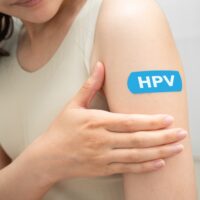
For decades, cervical cancer carried a warning that reached far beyond hospital wards. It could begin with a common virus, stay silent for years, and appear only after abnormal cells had already started to change. Screening saved lives, treatment improved, and public health teams kept urging prevention, yet the disease still found young women before many of them had reached the life they were planning.
Then researchers studying national data in England found a number that stopped them. Zero. No deaths from cervical cancer were recorded among women aged 20 to 24 in England between 2020 and 2024. It was the first five-year period with no deaths in that age group since the country began offering the human papillomavirus vaccine to school-age girls in 2008. Without vaccination, researchers estimated that around 23 deaths would likely have occurred.
That finding does not mean cervical cancer has disappeared. Thousands of women in the United Kingdom still receive a diagnosis every year, and screening remains part of prevention. Yet the result shows what can happen when a vaccine reaches children before they encounter the virus that causes nearly all cervical cancer cases.
What The Lancet Study Found
Researchers Peter Sasieni and Milena Falcaro studied cervical cancer deaths in England from 2001 through 2024. They looked at women aged 20 to 34 and separated the data into three groups, ages 20 to 24, 25 to 29, and 30 to 34.
The clearest result appeared in the youngest group because many of those women had received the HPV vaccine at age 12 or 13. Around nine in ten girls in that group had been vaccinated before likely exposure to HPV. Between 2020 and 2024, no women in that group died from cervical cancer.
The pattern did not stop there. Deaths also fell in women aged 25 to 29, while women aged 30 to 34 saw a smaller reduction. That difference matters because older groups often received the vaccine later, sometimes after they may already have encountered HPV. A vaccine that blocks infection works best before the virus has a chance to take hold.
Sasieni, a professor of cancer epidemiology at Queen Mary University of London, expected progress. Even so, the five-year run with no deaths surprised him. “I was expecting to see a fall in deaths from cervical cancer, but I was not expecting to see zero deaths for five years running,” he says.
Why Early Vaccination Matters
HPV is common and spreads through close skin-to-skin contact. Most infections clear naturally and never cause a lasting problem. Some infections, however, persist and cause changes in cervical cells. Over several years, those changes can become cancer.
Health researchers link HPV to about 99 percent of cervical cancer cases. That connection makes vaccination unusually powerful because it targets the cause of the disease rather than waiting for abnormal cells or cancer to appear later.
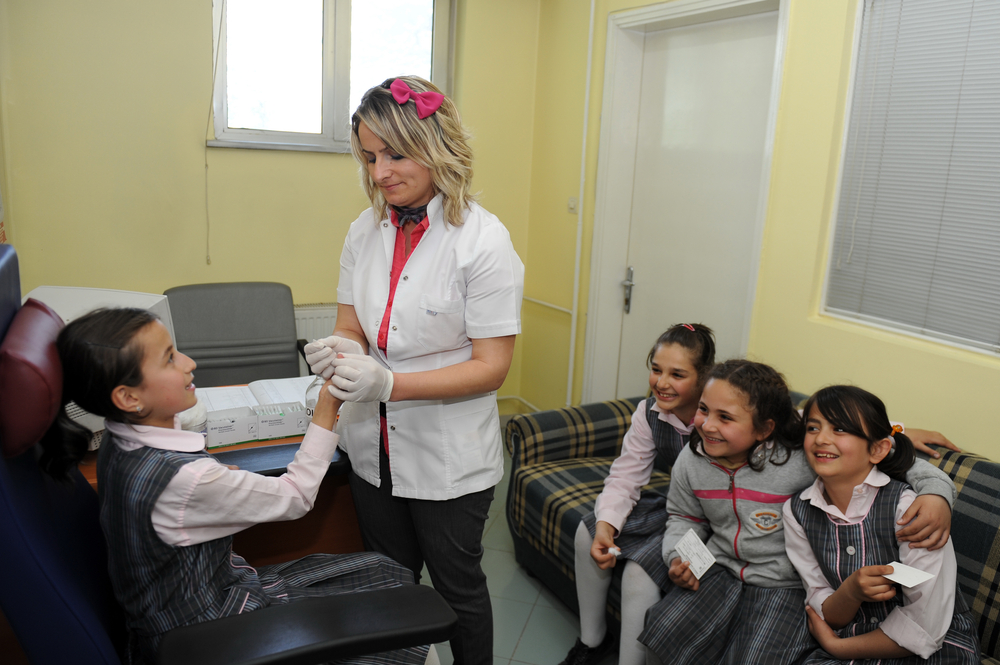
Children in England began receiving the HPV vaccine through schools in 2008. Girls were first offered it at ages 12 and 13, with a catch-up program for older teenagers. Boys joined the program in 2019, partly to protect them against HPV-related cancers and partly to reduce transmission.
Current HPV vaccines protect against high-risk virus types tied to most cervical cancers. Gardasil 9, the vaccine used in the United States, protects against nine HPV types. Doctors in the source material described it as a cancer prevention vaccine because it helps prevent HPV-related cancers before they begin.
The Evidence Had Been Building

Before researchers could measure deaths, earlier studies had already shown fewer cervical cancer cases among vaccinated women. One major study found that girls vaccinated at ages 12 or 13 had an 83.9 percent reduction in cervical cancer diagnoses compared with unvaccinated women. The same group had a 94.3 percent reduction in CIN3, a serious precancerous cell change that can lead to cervical cancer.
Those findings mattered, yet they did not fully answer a harder question. Fewer diagnoses did not automatically prove that fewer women would die. Some researchers wondered if vaccination mainly prevented early cancers that screening might have caught anyway, while the deadliest cancers could remain harder to stop.
The new mortality data answers that concern more directly. England’s vaccination program has already prevented an estimated 200 cervical cancer deaths, according to the source material. Researchers expect that number to rise as vaccinated generations move into their thirties, forties, and beyond, when cervical cancer deaths usually become more common.
A zero-death result in younger women should still be read with care. Cervical cancer death rates are naturally lower in women in their early twenties than in older groups. Yet the wider pattern across age groups points in the same direction. Earlier vaccination is linked with stronger protection.
The Human Cost Behind The Data

For every statistic about prevention, there are women who were born just a little too early to benefit from the school program. Alexandra Legg is one of them.
She left school shortly before the HPV vaccine was introduced in England. In 2021, while planning her wedding, she received a cervical cancer diagnosis at age 30. Her plans changed in a single conversation.
“I remember hearing the words and I just couldn’t really breathe very well,” she says. Her treatment included the removal of lymph nodes in her abdomen. Surgeons managed to preserve a small part of her cervix, leaving open the chance that she could become pregnant. A year later, her daughter Ivy was born. Alexandra gave her the middle name Marvella, meaning miracle.
Her pregnancy carried fear as well as hope. She knew she could lose the baby at any point because of the damage and risks left by cancer treatment. Survival had come with a price, and motherhood arrived after months of uncertainty.
Her story gives shape to what vaccination can spare. A prevented case does not only mean one fewer hospital record. It can mean no surgery, no fertility panic, no treatment scars, and no fear placed across a family at the very moment life should be widening.
Why Vaccination Rates Now Matter

England’s success creates a second question. Can the country keep the protection going? Cancer Research UK called the findings an incredible milestone, according to the source material, yet the group also warned that vaccine uptake has fallen below the level recommended for elimination. Data from the UK Health Security Agency showed that 76 percent of girls in England had received the vaccine by age 15 in 2024 to 2025. The World Health Organization says countries need 90 percent of girls vaccinated by age 15 to eliminate cervical cancer as a public health problem.
That gap matters because the vaccine’s power depends on reach. High coverage protects individuals and reduces the amount of HPV moving through the population. Lower coverage leaves more adolescents without protection before they become adults.
The UK government has pledged to eliminate cervical cancer as a public health problem by 2040. The new data makes that ambition feel more realistic, but falling uptake could slow progress. Health leaders in the source material called for targeted action in communities where vaccination rates are lowest.
Misinformation And Access Remain Barriers
Barriers differ by country. In the United States, doctors described misinformation as a major obstacle. Some parents worry that the vaccine could affect fertility or encourage sexual activity, although the source material states that those claims are unfounded. U.S. completion rates among adolescents also remain lower than England’s early high-coverage cohorts.
In many parts of the world, the larger problem is access. Cervical cancer remains one of the leading cancers for women globally. Countries with limited vaccination programs, limited screening, or both face a much harder road. A vaccine cannot prevent disease if children cannot receive it.
Health experts also stress that HPV vaccination protects more than the cervix. HPV can contribute to cancers of the anus, penis, throat, vagina, and vulva. Vaccinating boys matters because it protects them directly and helps reduce spread to others.
Alexandra Legg now speaks about the vaccine through the lens of what she endured and what she wants her daughter to avoid. “I’m a real advocate for this vaccine and when Ivy is old enough, she’ll be first in the queue,” she adds.
Screening Still Has A Place
Vaccination has changed the outlook for cervical cancer, but it has not removed the need for screening. Women aged 25 to 64 in England are still advised to attend cervical screening. Screening can find abnormal cells before they become cancer, and it still matters for people who were not vaccinated, received the vaccine later, missed doses, or face risks from HPV types not covered by the vaccine.
Health systems are also trying new ways to reach women who have not attended screening. The source material notes that HPV self-testing kits are being sent to women who have not come forward. Such efforts matter because prevention works best when vaccination and screening support each other.
A strong vaccination program lowers the number of future cancers. A strong screening program protects people already old enough to have been exposed or those who missed vaccination. Together, they create a path toward making cervical cancer rare enough that public health agencies can talk about elimination.
What Zero Means Now

Zero is a powerful number, but it should not be read as a promise that no vaccinated woman can ever die from cervical cancer. Researchers still expect occasional cases. Data for later years may record one or two deaths in the youngest groups. Science rarely grants absolute guarantees.
Even with that caution, the finding changes the conversation. A disease once treated as a major threat to women’s health has met a preventive tool strong enough to remove deaths from one young age group for five full years in England. Around 200 deaths have already been prevented, and many more may never happen if vaccination rates recover and screening remains strong.
Cervical cancer has not vanished. It still affects women, still demands care, and still exposes gaps in access. Yet for the first generation vaccinated at school before HPV exposure, the future already looks different. The final meaning of the study may be simple. A child who receives the HPV vaccine at the right age may grow into adulthood with protection that changes the course of a cancer before it ever has the chance to begin.