Chris Hemsworth flew to a location shoot for a National Geographic documentary, expecting to run, jump, swim, and endure. He had signed on to explore human longevity through physical challenges, the kind of content that suited a man who had spent years building one of the most recognizable physiques in cinema. What he did not expect was to sit across from a doctor and receive information about his own genetic makeup that would quietly change how he thought about almost everything.
What came after that moment, and the adjustment he made in response, says something worth paying attention to, not because Hemsworth plays a superhero on screen, but because the change itself has nothing to do with how much he can lift.
How the Discovery Happened
In 2022, Hemsworth filmed the first season of “Limitless,” a National Geographic series built around longevity science and physical challenge. As part of the production, he underwent a range of tests designed to measure and improve his health over time, including a genetic screen.
Longevity physician Dr. Peter Attia delivered the result during filming. Hemsworth carries two copies of the APOE4 gene, one inherited from each parent, placing him eight to ten times more likely to develop Alzheimer’s disease than the average person. Out of caution for his privacy, the result was kept off camera initially to give him time to process what he had learned before deciding whether to share it publicly.
He chose to include it in the broadcast. In doing so, he stepped away from the carefully managed image of invincibility that action careers tend to require and put something genuinely personal in front of a global audience. He said at the time that if his disclosure motivated even one person to get checked or better understand what was within their power to change, that was reason enough. His family history gave the news additional weight that statistics alone could not convey. His grandfather had Alzheimer’s, and his father Craig, is living with the disease now.
What the Gene Does and Does Not Mean
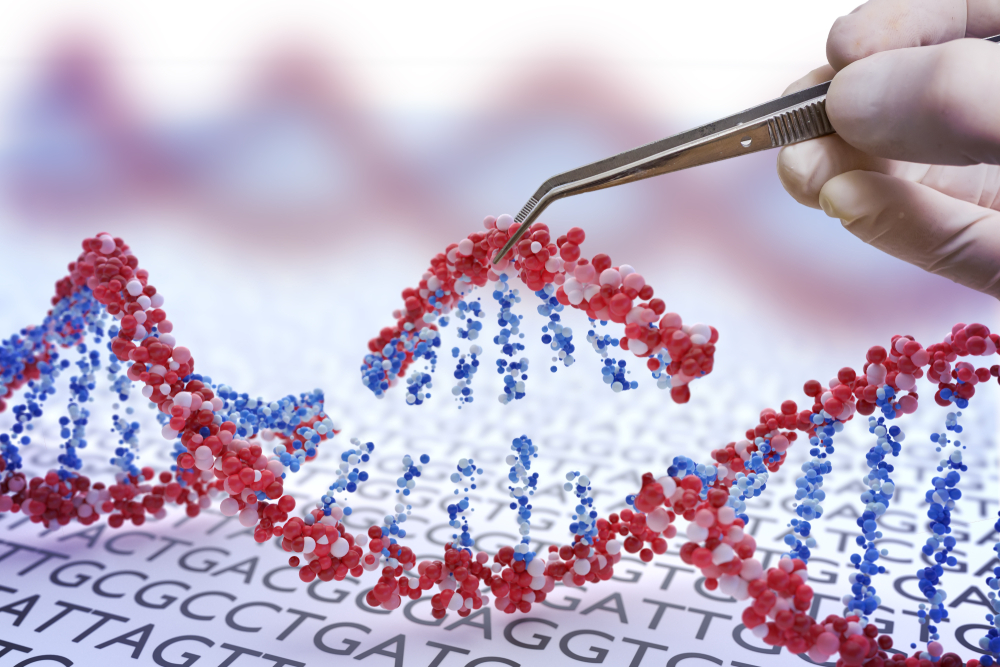
Hemsworth has spent considerable energy since the broadcast correcting a misreading of his situation that spread widely through press coverage at the time. Carrying two copies of APOE4 is not a diagnosis. It is a risk elevation, and the distinction matters in practice.
Dr. Attia explained to Hemsworth that a person can carry the gene and never develop the disease, and can develop the disease without carrying it. What the genetic result changes is the urgency of taking protective action early. Attia described the test result as a kind of gift, because it would push Hemsworth to make changes in his 40s that most people do not consider until decades later. Hemsworth accepted that framing and has been vocal about his frustration with media coverage that treated his genetic predisposition as a guaranteed outcome. Carrying a risk gene is a prompt to act, not a predetermined sentence.
Stillness as a Form of Protection
When Hemsworth describes the most significant change he has made since learning about his genetic risk, he does not reach for a new supplement protocol or an extreme fitness intervention. He talks about pulling back from the constant forward momentum that had come to define his professional life, and about what chronic stress actually does to the brain.
“There’s good stress, which is sort of pushing yourself outside your comfort zone, that’s intermittent, and then there’s sort of continual dumping of cortisol, which is negative,” he told LADbible. “Being in that fight or flight state, which in this modern world, we tend to find ourselves in far too often and for prolonged periods.”
That understanding became the foundation for a structural change in how he arranged his days. He described feeling like he had been on a ride he had not chosen, moving between obligations without any genuine sense of control over his own time or attention. His response was to push back against that pace rather than accommodate it. He began building solitude into his routine, seeking quieter moments, and stepping back from what he described as an internal chatter driven by external demands he had never fully examined.
How His Physical Habits Changed
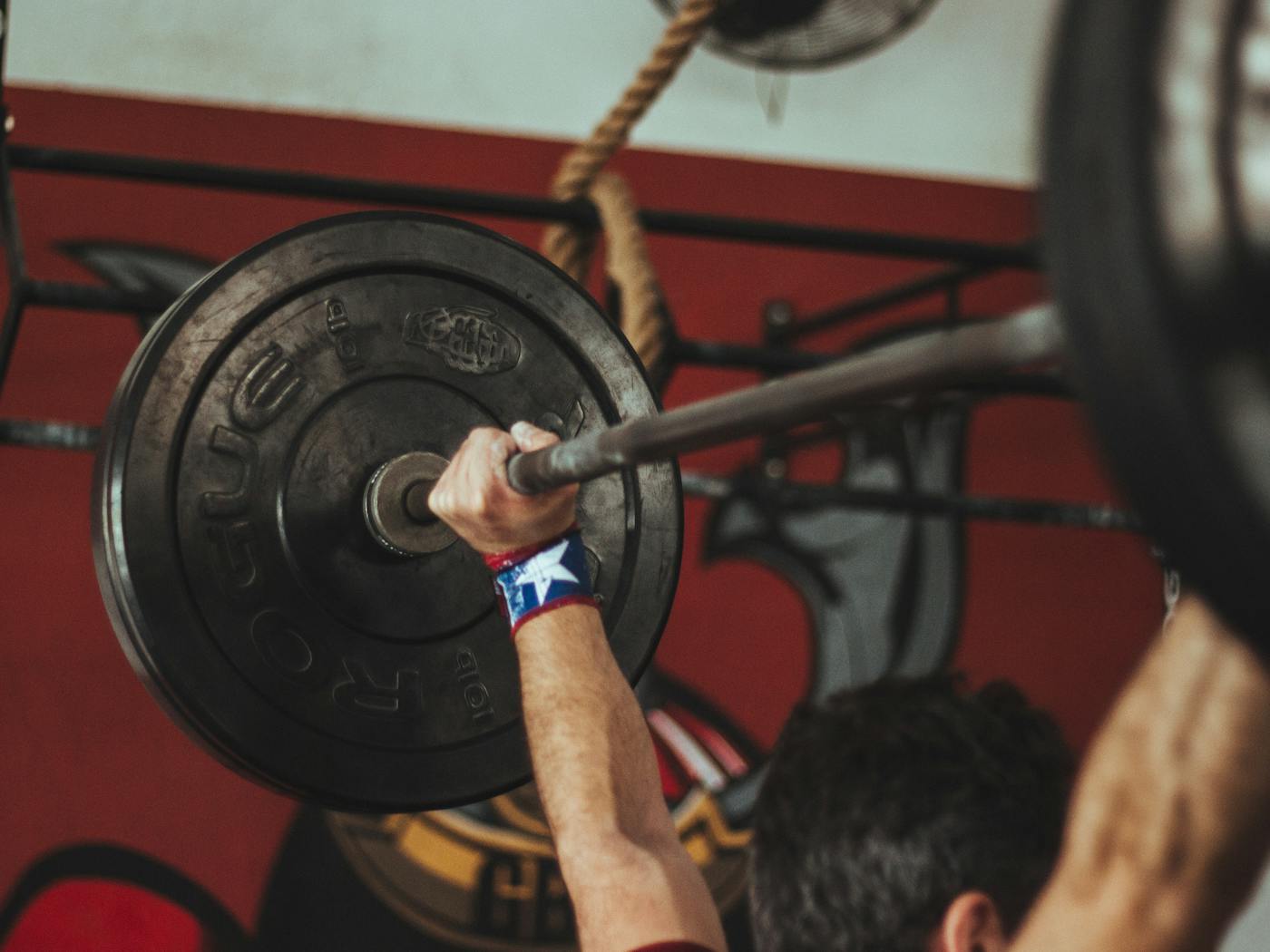
Hemsworth has always been known for his commitment to physical training, and his fitness platform Centr has built a significant following around his approach to exercise. After the Alzheimer’s revelation, the shape of that training shifted rather than disappeared.
Heavy weightlifting became less frequent. Cardio and endurance work took a larger portion of his weekly routine. Sauna and ice bath sessions became regular fixtures, with meditation and breathwork woven into those practices rather than treated as separate commitments. Research cited by Dr. Attia suggests that consistent sauna use at around 180 degrees Fahrenheit, roughly four sessions per week, carries a measurable association with reduced Alzheimer’s risk. Sleep became a deliberate priority rather than whatever time remained after everything else, with a consistent schedule, screen-free evenings, and reading built into his nights.
Surfing sits at the center of what Hemsworth calls his most effective mindfulness practice. Water removes the option of distraction in a way that a gym or a meditation cushion does not always manage. He has described it as the activity that most reliably forces him out of his head and into full physical presence, and he regularly shares that experience with family and close friends as a way of making it social rather than solitary.
What His Father’s Diagnosis Added
Learning about a genetic risk is one thing. Watching a parent move through the early stages of Alzheimer’s disease is another, and Hemsworth has spoken openly about how his father Craig’s illness has sharpened his awareness of time in ways the genetic test alone could not.
His children are 11 and 13 now. He has noticed that the small rituals of early childhood, the ones that feel permanent until they quietly stop, have already begun to change. Those observations have pulled his attention toward what is immediately in front of him rather than what is scheduled for the months ahead.
In 2025, he made a documentary called “A Road Trip to Remember,” built around taking his father back to Bullman in Australia’s Northern Territory, where the family lived when Hemsworth and his brothers were young. Reconnecting Craig with old friends and familiar surroundings drew on research into reminiscence therapy and social connection as protective factors against cognitive decline.
Suraj Samtani, a psychologist at the University of New South Wales who served as a scientific consultant on the film, has studied the relationship between social engagement and dementia risk across more than 1,300 participants over fourteen years. His findings produced a result he described as genuinely surprising in scale. “We found that social connections are incredibly protective,” he said. “For people who have good social connections, the risk of dementia was half compared to everyone else.”
Quality matters more than quantity in that equation. Diverse connections outside the home, conversations that push the brain to engage with unfamiliar perspectives, and at least one relationship in which a person feels genuinely supported during stressful periods all contribute to what researchers call cognitive reserve, a kind of accumulated capacity that can help protect brain function even as other risk factors accumulate.
On the road trip, Craig became noticeably more animated and engaged as familiar faces and surroundings brought back memories. Hemsworth watched his father help wrangle buffalo with old friends and slip back into the rhythm of a community that had known him before Alzheimer’s had any presence in his life. Something, he said, had been ignited.
Where He Stands Now
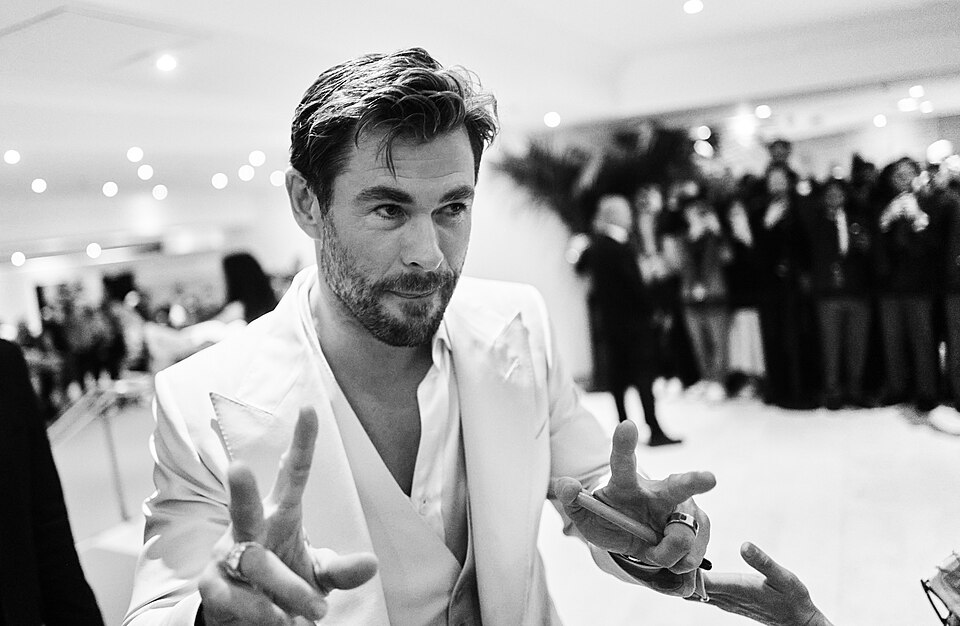
Hemsworth is not stepping away from his career. He returns as Thor in “Avengers: Doomsday” and stars alongside Barry Keoghan in “Crime 101.” His break from acting was a recalibration of pace and priority, not an exit, and he has been consistent in correcting anyone who suggests otherwise.
What changed is the internal calculation behind his choices. Roles feel more personal now. Time with his family carries more deliberate weight. Solitude and stillness are no longer things he has to justify fitting in; they are part of how his days are structured.
“I don’t want to be in a sprint anymore,” he told Dr. Attia. “I want to be right here and appreciate everything that’s in front of me.”
That did not come from a man who was told his future was already written. It came from someone who looked at a genetic risk assessment and used it as a reason to pay closer attention to what was already in front of him. For most people, that kind of shift tends to come much later, if at all. Hemsworth arrived on camera in front of millions of viewers and decided to take it at its word.