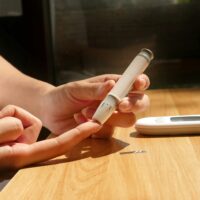
Scientists have developed an experimental implant that uses electricity to remove excess sugar from the bloodstream, offering a potential new approach to managing type 2 diabetes and obesity. In tests involving mice, the device helped stabilize blood glucose levels and reduce body weight without administering medication through the implant.
The technology, called ECHO, works by converting glucose into a substance the body can eliminate through the kidneys. Although the results are encouraging, researchers still need to establish whether the device can deliver the same benefits safely and effectively in humans.
How the Experimental Implant Removes Excess Sugar From Blood
The implant, whose name stands for electrocatalytic closed-loop health optimization, uses a controlled chemical reaction to convert glucose into gluconate. Glucose is the sugar that circulates in the bloodstream and provides energy to cells, while gluconate is a lower-energy metabolite that the body can clear through the kidneys.
Researchers designed ECHO around a porous graphite structure containing gold and platinum nanostructures. These materials act as an electrocatalyst, meaning they accelerate a chemical reaction when electrical power is applied. In this case, the reaction transforms excess glucose into gluconate rather than relying on medication to change the body’s natural glucose-regulating processes.
The device is designed to sit just beneath the skin and operate wirelessly. Electrical stimulation activates the catalyst, allowing researchers to control the rate at which glucose is converted. When the electrical power is reduced or switched off, the reaction can be slowed or stopped.
This ability to regulate glucose removal is central to the technology. Blood sugar changes throughout the day in response to meals, exercise, sleep, stress, and other factors. A device that can adjust its activity according to glucose readings could eventually offer a more responsive approach to blood sugar management.
The researchers reported that the catalyst selectively targeted glucose under physiologically relevant conditions. It also retained its activity during prolonged operation in the experiments, suggesting that the material could remain functional over an extended period.
What Happened When Researchers Tested ECHO in Mice
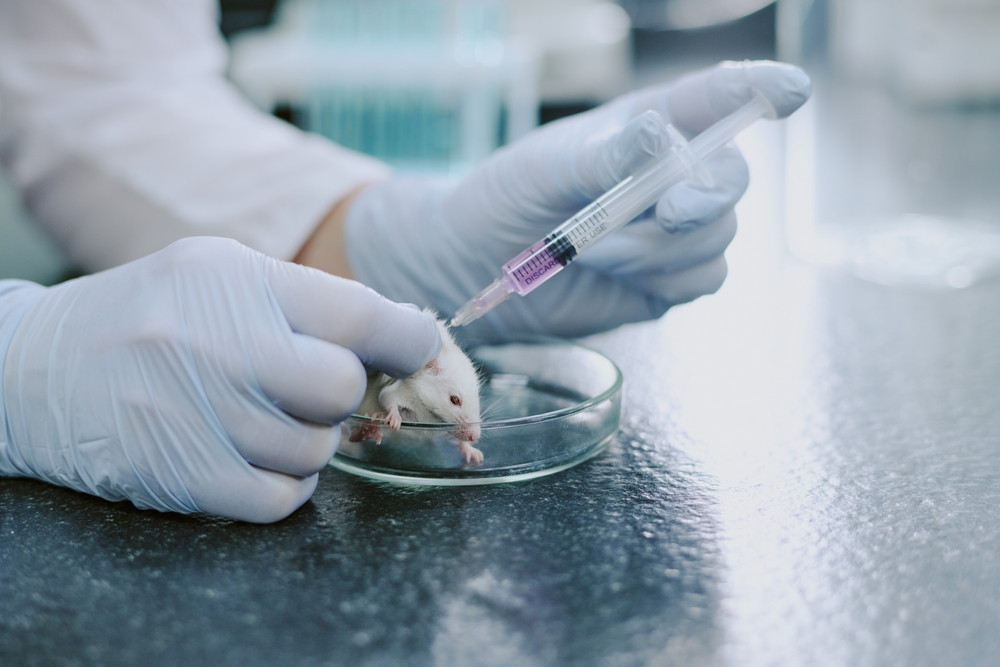
The research team tested the implant in mice with both diabetes and obesity to determine whether directly removing glucose could improve metabolic health. The results showed that activating the device rapidly lowered elevated blood sugar, with glucose levels returning to the normal range within approximately an hour.
Repeated treatment maintained glucose control for six weeks. During that period, the researchers observed changes in body weight and several markers associated with fat metabolism. The treated mice also had lower circulating triglyceride concentrations, which are relevant because elevated triglycerides can contribute to cardiovascular risk.
The animals showed increased concentrations of free fatty acids and ketone bodies. These changes suggested that their bodies were shifting toward greater use of stored fat as an energy source. The researchers linked this metabolic shift to the sustained reduction in circulating glucose.
The implant also appeared to maintain its function throughout the six-week treatment period. According to the study, researchers detected no adverse physiological, inflammatory, or behavioral effects in the treated mice during that experiment.
These findings provide an early indication that ECHO could influence glucose regulation and energy metabolism simultaneously. However, the experiments involved animals under controlled research conditions, so they cannot establish how the device would perform in people with different medical needs, body sizes, and metabolic conditions.
The reported weight reduction also requires careful interpretation. Results in mice do not guarantee comparable weight loss in humans, and the research does not establish that the implant could replace existing obesity treatments. Human studies would need to assess both its effectiveness and its potential risks.
How Wireless Monitoring Could Help Control Blood Sugar
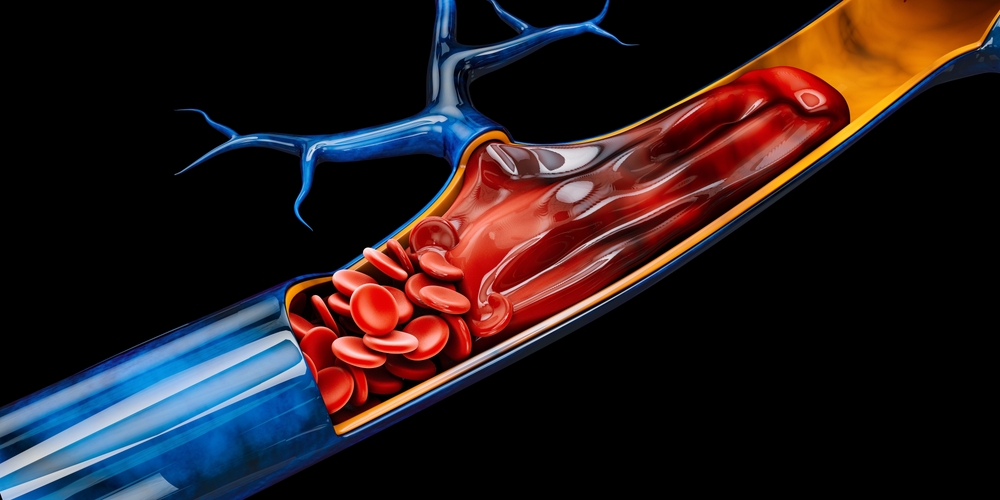
One of ECHO’s most notable features is its ability to work with a commercially available continuous glucose monitor. These monitors track glucose levels throughout the day, helping people understand how their blood sugar responds to food, physical activity, medication, and other everyday influences.
The researchers connected the implant to a monitoring system that used a smartphone to coordinate glucose readings and wireless power transfer. The phone could adjust the electricity delivered to the implant according to the glucose readings received from the monitor.
This arrangement allows the device to respond to changes in blood sugar rather than operating at a constant level. In principle, the system could activate glucose removal when readings rise above a predefined threshold and reduce activity when glucose returns toward the desired range.
The process involves several connected stages. A continuous glucose monitor measures blood sugar, the control system identifies elevated readings, and the smartphone transfers radio-frequency energy to the implant. Its electronics convert that energy into a stable electrical current, activating the catalyst and allowing glucose conversion to begin.
When glucose readings move back toward the target range, the system can reduce or stop the electrical stimulation. This feedback mechanism is intended to help maintain glucose control while reducing the risk of excessive glucose removal.
The researchers demonstrated closed-loop operation for two weeks without human intervention. That experiment suggests the technology could eventually support automated glucose management, although further testing is needed to establish how reliably the system would respond to changing conditions in everyday human life.
Why Scientists Are Exploring a Different Approach to Diabetes
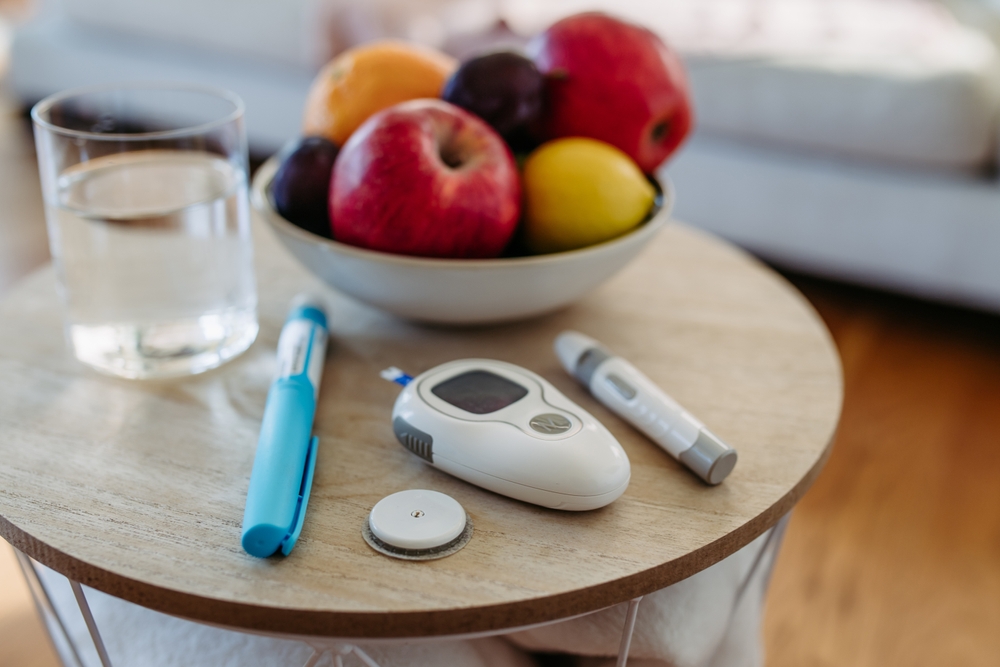
Type 2 diabetes develops when the body becomes resistant to insulin, cannot produce enough insulin, or experiences a combination of both problems. Insulin is a hormone that helps glucose move from the bloodstream into cells, where it can be used for energy. When this process becomes impaired, blood sugar can remain elevated for prolonged periods.
The condition frequently occurs alongside obesity, which can increase insulin resistance and complicate glucose management. Persistently elevated blood sugar can damage blood vessels and nerves over time, raising the risk of complications affecting the kidneys, eyes, heart, and other organs.
Existing treatments include dietary changes, physical activity, medications such as metformin, and insulin when needed. Some people also use GLP-1 medications, which influence appetite and other processes involved in blood sugar regulation and weight management. These options can be effective, but treatment plans vary according to individual needs, and some patients experience side effects or struggle with the cost and practical demands of long-term care.
ECHO explores a different strategy by removing glucose directly through a chemical reaction. Rather than delivering a drug or stimulating the body to produce a therapeutic substance, the implant uses electricity to activate a material that converts glucose into gluconate.
This approach could eventually offer another option for people who need additional help managing their blood sugar. However, the technology remains experimental, and the research does not establish that it would be more effective, affordable, or convenient than current treatments.
The Potential Link Between Glucose Removal and Fat Metabolism
The findings also raise questions about how glucose availability influences the body’s use of stored energy. When the body has access to different energy sources, its metabolism can shift according to hormonal signals, nutrient availability, and other physiological conditions.
In the mouse experiments, sustained glucose removal coincided with lower body weight and changes in markers associated with fat use. The researchers suggested that this shift could help explain why the treated animals experienced both improved glucose control and reduced weight.
However, obesity involves multiple factors, including appetite regulation, genetics, sleep, physical activity, medications, and the environment in which people live. Removing excess glucose alone may not address every factor contributing to weight gain or metabolic dysfunction.
Further research will need to determine how much of the observed weight change resulted directly from glucose conversion and whether the same metabolic effects would occur in humans. The animal results offer a starting point for investigation rather than proof of a future weight-loss treatment.
What Researchers Still Need to Establish Before Human Trials

Despite the encouraging results, ECHO faces several important challenges before it could become a treatment option. One of the biggest questions concerns scale, because the amount of glucose that must be processed in a human body is considerably greater than in a mouse.
A mouse has only a small amount of circulating blood, while an adult human typically has around five liters. Researchers therefore need to establish whether an implant can remove sufficient quantities of glucose to provide meaningful benefits without disrupting normal metabolic function.
To investigate this issue, the team tested the device in a container holding approximately five liters of sugary fluid. The experiment was designed to approximate the volume of blood in an adult human, and the device effectively controlled glucose in that larger system.
However, a container of sugary fluid cannot reproduce the complexity of a living human body. Blood contains numerous substances, organs continually regulate glucose, and metabolism changes in response to activity, meals, illness, and other factors. Further studies in larger animals and eventual clinical trials will be needed to assess the device under more realistic conditions.
Researchers must also determine whether the implant can remain safe and effective over longer periods. Although the mice showed no detectable adverse effects during the reported treatment period, this does not establish long-term safety in humans.
Several questions remain central to the next stages of development:
- Long-term tissue compatibility: Researchers must determine whether the implant causes inflammation, scarring, or other tissue complications over extended periods.
- Sustained catalytic activity: The gold and platinum materials must continue converting glucose efficiently without losing their effectiveness.
- Reliable glucose control: The system needs to respond appropriately to changing blood sugar levels while avoiding excessive glucose removal.
- Wireless performance: Scientists must establish whether the power-transfer and monitoring systems can operate consistently during everyday activities.
- Human treatment capacity: Clinical studies will need to determine how much glucose the device can safely remove and whether this produces meaningful improvements in diabetes management.
These challenges explain why the device should not yet be viewed as a replacement for established treatment. The research team has identified additional animal testing and eventual human studies as priorities, but the available findings do not establish when the implant might become available to patients.
What You Can Do Now to Support Healthy Blood Sugar

While researchers continue developing new technologies, established approaches to diabetes prevention and management remain important. Everyday habits can support metabolic health, particularly when combined with appropriate medical care for people who already have diabetes.
Balanced meals can help you manage glucose levels without following an unnecessarily restrictive diet. Including vegetables, protein-rich foods, healthy fats, and fiber-rich carbohydrates can support nutritional needs while helping moderate how quickly glucose enters the bloodstream.
Regular movement is another useful habit. Walking after meals and engaging in consistent physical activity can help muscles use glucose more effectively. You can begin with manageable sessions and gradually increase your activity according to your fitness level and any medical limitations.
Sleep also deserves attention because poor sleep can affect insulin sensitivity, appetite, and the routines that support healthy eating. Maintaining a consistent sleep schedule may help make other health habits easier to sustain.
For people living with diabetes, glucose monitoring and prescribed treatment remain essential. If you use medication or insulin, do not change your treatment based on experimental research involving mice. A healthcare professional can help determine whether your current plan needs adjustment.
These practical measures remain relevant even if ECHO eventually progresses to human use. The researchers have emphasized that the device is intended to complement established approaches rather than replace healthy nutrition, physical activity, or preventive care.
A Promising Experiment With More Questions Ahead
ECHO offers a new approach to diabetes research by using a controlled chemical reaction to remove excess glucose directly from the bloodstream. The mouse experiments demonstrated sustained glucose control, changes associated with fat metabolism, and the ability to connect the implant to an automated monitoring system.
The next challenge is establishing whether those results can translate into a treatment that works safely in people. Researchers must demonstrate adequate glucose removal, reliable operation, and long-term compatibility with human tissue before the technology can be considered for clinical use.
For now, the implant represents an experimental direction rather than an available solution. People managing diabetes should continue using established treatments while scientists investigate whether this wireless device can eventually provide another option for maintaining healthy blood sugar levels.