
Many people focus on diet, cholesterol levels, or smoking when they think about protecting their heart. However, a very common daily habit may quietly increase the risk of serious circulation problems. Sitting for long stretches of time has become a routine part of modern life. Office work, long commutes, and evening screen time often mean that people remain seated for hours without much movement. While this pattern may feel normal, researchers are increasingly concerned that extended sitting may interfere with healthy blood flow and increase the risk of dangerous blood clots.
A recent study has drawn attention to the connection between prolonged sitting and venous thromboembolism, a condition in which a blood clot forms inside a vein and disrupts normal circulation. Researchers examined how people sit during the day rather than simply measuring total sitting time. Lead author Laura Harrington explained the approach behind the research, stating, “To our knowledge, this study is the first to use a wearable monitor called an accelerometer to objectively measure sitting time in relation to VTE risk.” She further explained that “by doing so, it provides new insight on how daily sitting patterns impact the risk of VTE for older women — and suggests possible targets for how people might lower this risk.”
Understanding Venous Thromboembolism
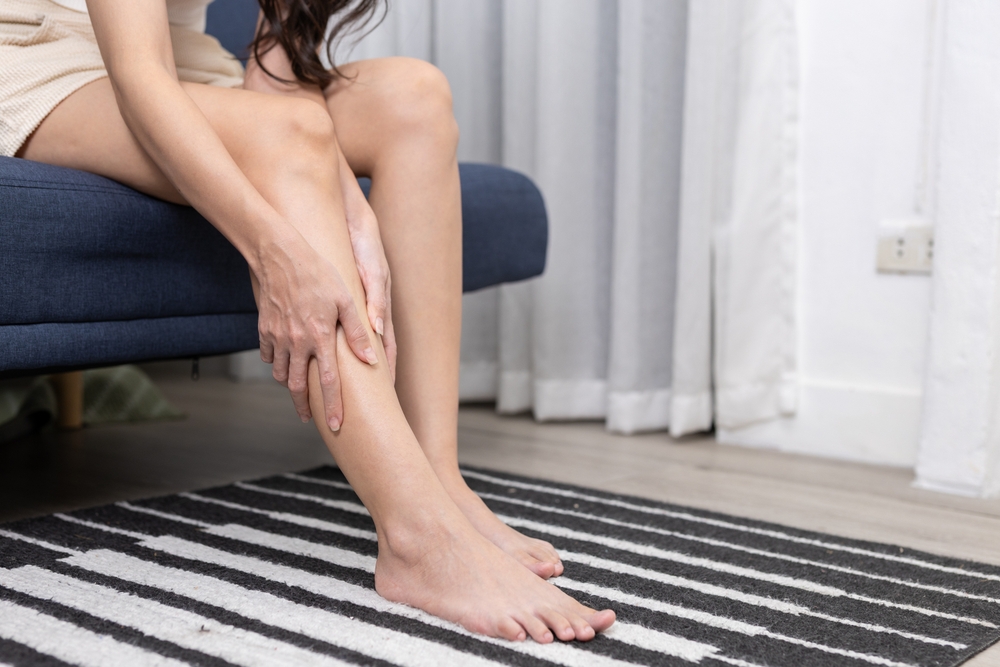
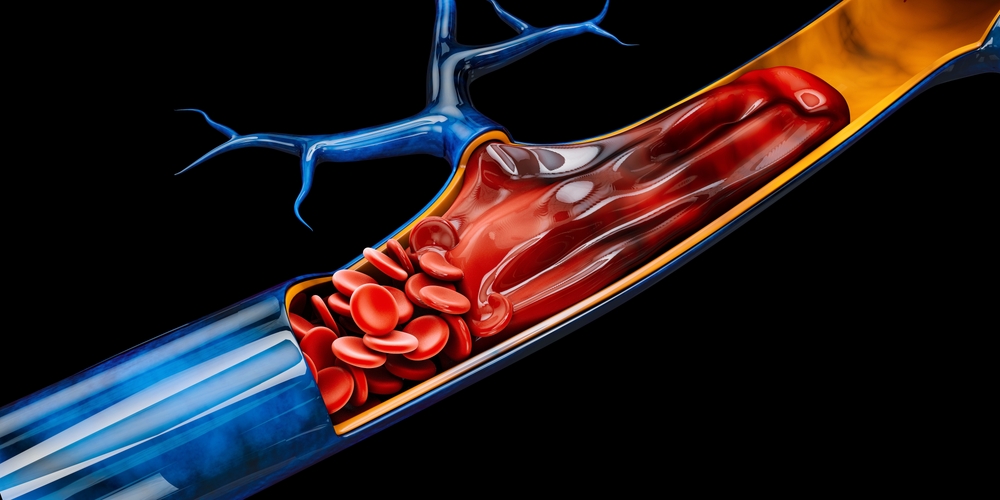
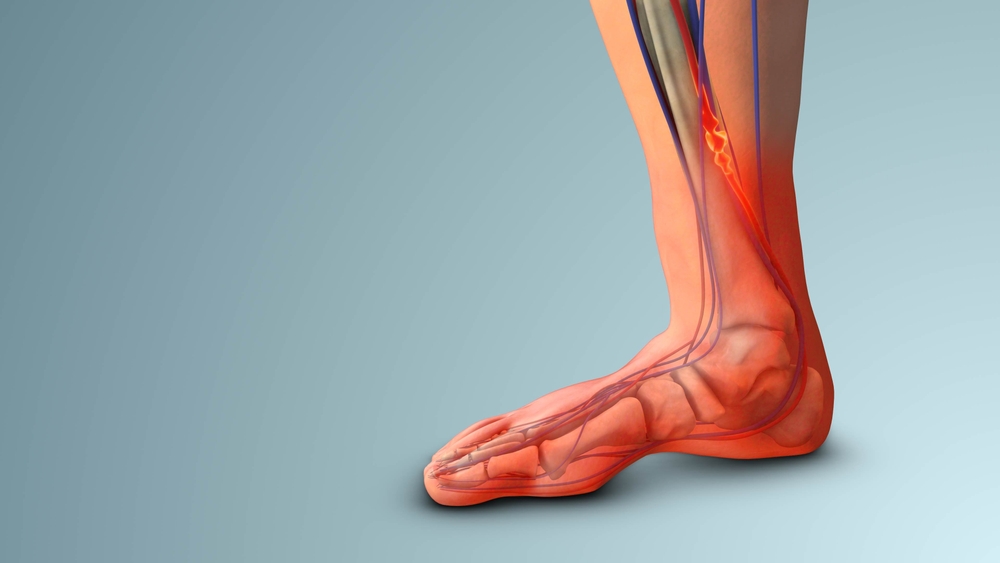
Venous thromboembolism, commonly abbreviated as VTE, occurs when a blood clot forms inside a vein and interferes with the normal movement of blood through the circulatory system. These clots most often develop in the deep veins of the legs, a condition known as deep vein thrombosis. Because the veins in the legs are responsible for carrying blood back to the heart, any disruption in this process can lead to serious complications if the clot grows or travels through the bloodstream.
One of the greatest dangers occurs when a portion of the clot breaks away and travels to the lungs. When this happens, it creates a pulmonary embolism, which blocks blood flow inside the lungs and prevents oxygen from circulating properly throughout the body. This situation can quickly become life threatening and requires immediate medical attention. Symptoms may include sudden shortness of breath, chest pain, dizziness, or a rapid heartbeat, though some cases develop without clear warning signs.
VTE is considered the third most common cardiovascular condition in the United States, after heart attacks and strokes. This statistic reflects how widespread the condition has become, particularly among older adults. While certain genetic and medical factors increase the likelihood of developing blood clots, lifestyle habits such as physical inactivity and prolonged sitting may also contribute to the problem.
Researchers believe that when people sit for long periods without moving, blood circulation in the lower body slows down significantly. This slowing of blood flow, known as venous stasis, allows blood to pool in the veins of the legs. When blood remains stagnant, the conditions become favorable for clot formation, increasing the likelihood of deep vein thrombosis.
What The New Study Found About Sitting Habits
To better understand how sedentary behavior affects the risk of blood clots, researchers studied more than five thousand older women who participated in the Women’s Health Initiative Objective Physical Activity and Cardiovascular Health study. The participants ranged in age from sixty three to ninety nine years old. Instead of relying on self reported data about daily habits, the researchers used wearable technology to gather more accurate information about how long participants spent sitting throughout the day.
Each participant wore an accelerometer on the hip for seven days. This device allowed researchers to track movement patterns and measure not only total sitting time but also how long each sitting session lasted before a person stood up again. The researchers examined three main factors, including total sitting time during the day, the average duration of sitting bouts, and the total amount of time spent in sitting periods lasting thirty minutes or longer.
After collecting this data, the researchers followed the participants for an average of 8.2 years to see how many eventually developed venous thromboembolism. During the follow up period, 229 participants developed VTE. When the researchers analyzed the results, they discovered something surprising about the relationship between sitting and blood clot risk.
Total sitting time alone did not appear to be the strongest predictor of blood clot development. Instead, the key factor was how long people remained seated without getting up. Women whose average sitting bout lasted more than fifteen minutes were fifty nine percent more likely to develop venous thromboembolism compared with women who typically stood up after about nine minutes. The pattern was even more pronounced when researchers examined cases of pulmonary embolism. Women who remained seated longer without breaks were twice as likely to develop this potentially fatal condition.
Why Prolonged Sitting Slows Circulation
The human body is designed to function best when it moves regularly throughout the day. Muscles in the legs play an important role in circulation because they help push blood upward through the veins toward the heart. Each time you walk, stretch, or shift your posture, the muscles contract and assist the veins in moving blood through the body.
When a person remains seated for long periods, this natural pumping mechanism slows down significantly. The leg muscles remain largely inactive, which means blood moves more slowly through the veins of the lower body. Over time, this sluggish circulation can cause blood to pool in the legs rather than returning efficiently to the heart.
This process creates the conditions known as venous stasis, which is closely linked with the formation of blood clots. When blood flow slows down, platelets and clotting proteins are more likely to accumulate in one place and form a clot. If that clot grows or becomes dislodged, it can travel through the bloodstream and create serious complications in other parts of the body.
Researchers involved in the study emphasized that the problem is not simply the total number of hours someone spends sitting during the day. Instead, the greater concern is sitting continuously without standing up or moving for extended periods. Harrington summarized the finding by explaining, “Our findings show it’s not necessarily how long over the course of the day that older women sit that affects their VTE risk, but how long they sit without getting up.” She added that “these are compelling results, as they suggest that taking more frequent breaks from sitting may lower older women’s risk of VTE.”
The Wider Health Effects Of A Sedentary Lifestyle
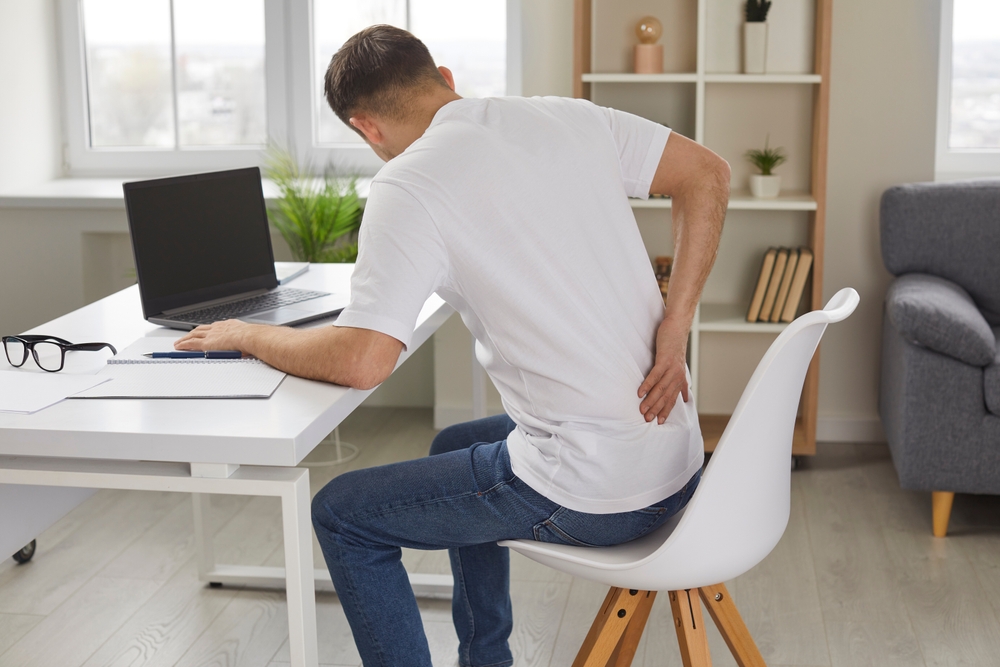
The health concerns related to prolonged sitting extend beyond blood clot formation. A sedentary lifestyle affects several systems in the body, particularly the cardiovascular, metabolic, and musculoskeletal systems. When the body remains inactive for long periods, it does not burn energy efficiently and the muscles that support posture and movement begin to weaken.
Large muscle groups in the legs and gluteal region play an essential role in maintaining balance, walking, and supporting the spine. When these muscles are rarely used, they gradually lose strength and endurance. This weakness can increase the likelihood of falls or injuries, particularly in older adults whose balance may already be compromised.
Inactivity also affects how the body processes fats and sugars. Muscle activity helps regulate metabolism by assisting the body in breaking down glucose and circulating nutrients effectively. When a person sits for long periods, these processes become less efficient, which may contribute to weight gain, insulin resistance, and metabolic disorders such as type 2 diabetes.
Research has also linked prolonged sedentary behavior with higher risks of heart disease, certain cancers, and mental health challenges. People who spend much of their day sitting often miss the benefits of regular physical activity, which include improved circulation, better mood regulation, and stronger cardiovascular function. Over time, this lack of movement can gradually affect both physical and mental well being.
Simple Ways To Break Up Sitting Time
Reducing the risks associated with prolonged sitting does not require intense workouts or dramatic lifestyle changes. Small adjustments throughout the day can help keep the body active and maintain healthy blood circulation. Even short bursts of movement can activate muscles and improve blood flow in the legs.
One of the most effective strategies is to stand up and move regularly during the day. Experts often recommend taking a short break from sitting every ten to fifteen minutes if possible. Walking around the room, stretching, or performing light movements can help restore circulation and reduce the time blood remains stagnant in the legs.
Daily routines at work or at home also offer opportunities to increase activity. Walking during phone calls, standing while reading emails, or taking short walking breaks throughout the day can help reduce total sedentary time. Even simple habits such as parking farther from entrances, using stairs instead of elevators, or standing during television breaks can encourage more movement.
These small actions may seem minor individually, but over the course of a day they can significantly increase physical activity and improve circulation. Maintaining frequent movement throughout the day helps the body maintain healthier blood flow and reduces the likelihood of clots forming in the veins.
Why Daily Movement Matters More Than You Think
The growing body of research on sedentary behavior suggests that daily movement plays an essential role in maintaining healthy circulation and preventing serious cardiovascular conditions. While many people associate exercise with scheduled workouts, the simple act of standing up and moving regularly throughout the day can have a meaningful impact on long term health.
Modern lifestyles often encourage long hours of sitting, but the body responds best when movement is spread throughout the day. Regularly standing, stretching, or walking helps the circulatory system function more efficiently and keeps the muscles involved in blood flow active.
By becoming more aware of how often you sit without moving, you can make small adjustments that support healthier circulation. Over time, these habits may help reduce the risk of blood clots and contribute to better overall cardiovascular health.
Sources:
Harrington, L., et al. (2024). Sedentary behavior and risk of venous thromboembolism in older women. Journal of Thrombosis and Haemostasis. https://www.jthjournal.org/article/S1538-7836(25)00110-2/abstract
Venous thromboembolism (Blood clots). (2024, May 15). Venous Thromboembolism (Blood Clots). https://www.cdc.gov/bloodclots/about/index.html
World Health Organization: WHO. (2024, June 26). Physical activity. https://www.who.int/news-room/fact-sheets/detail/physical-activity
Department of Health & Human Services. (n.d.). The dangers of sitting: why sitting is the new smoking. Better Health Channel. https://www.betterhealth.vic.gov.au/health/healthyliving/the-dangers-of-sitting




raju
Wednesday 29th of April 2026
Thanks for sharing this valuable information. If anyone is searching for herbal health products in India or Ayurvedic medicines online, MAA VAISHNO ENTERPRISES has a wide selection of natural wellness products.