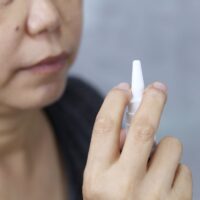
A vaccine commonly used to protect older adults against shingles is attracting attention for a surprising reason. Researchers have found evidence linking shingles vaccination to a lower risk of dementia, raising the possibility that an existing preventive treatment could also help protect the ageing brain.
The findings are encouraging for people concerned about memory loss and cognitive decline as they grow older. However, scientists still need to establish exactly how the vaccine might work, whether the benefits extend to newer formulations, and whether vaccination can directly reduce the risk of developing dementia.
The Unexpected Connection Between Shingles Vaccination and Brain Health
Dementia affects more than 55 million people worldwide, according to figures cited in the supplied research. The condition can gradually interfere with memory, reasoning, communication, and everyday independence, creating significant challenges for individuals and their families.
Alzheimer’s disease is the most common form of dementia, and researchers have spent decades investigating ways to prevent or slow its progression. Although treatments are available for some patients, preventing the disease remains a major priority because substantial brain damage may occur before noticeable symptoms develop.
A study published in Nature on April 2, 2025, offered a surprising new direction for this research. Scientists examining Wales’ shingles vaccination programme discovered that people eligible for the vaccine were less likely to develop dementia than similar people who narrowly missed eligibility.
The researchers estimated that receiving the vaccine was associated with a 20% reduction in dementia risk over seven years. That result attracted considerable interest because the study design helped address weaknesses that have complicated earlier research into vaccination and cognitive health.
Pascal Geldsetzer, an epidemiologist at Stanford University and senior author of the research, investigated the unusual circumstances surrounding the Welsh programme. The findings suggested that an existing vaccine could potentially influence dementia risk, even though preventing cognitive decline was never its intended purpose.
The distinction between an association and a proven effect remains essential. Nevertheless, the research has encouraged scientists to investigate whether preventing certain infections could contribute to healthier ageing.
How Wales Accidentally Created a Natural Experiment

The strength of the Welsh research came from a vaccination policy introduced on September 1, 2013. Under the programme, eligibility depended on age, with specific rules determining which older adults could receive the shingles vaccine.
People who were just young enough to qualify could receive the vaccine, while those who narrowly missed the eligibility cutoff were excluded. This created two groups of people whose ages were almost identical but whose access to vaccination differed.
Researchers used this unusual situation to compare long-term health outcomes. Because people on either side of the cutoff were so similar in age, the researchers could investigate vaccination outcomes while reducing the influence of differences in lifestyle and general health.
Geldsetzer explained the logic of this approach in the supplied research: “It’s just like tossing a coin.” The comparison offered researchers an opportunity to study vaccination in circumstances resembling a randomized trial, although participants had not actually been randomly assigned to receive the vaccine.
The team examined health records from more than 280,000 older adults. Over the following seven years, the researchers found that people who received the shingles vaccine were 20% less likely to develop dementia than comparable unvaccinated individuals.
The team also examined alternative explanations for the findings. Their analyses found no substantial differences in several characteristics that could influence dementia risk, strengthening the case for further investigation.
Even this carefully designed study cannot answer every question. Researchers still need clinical trials to establish whether the vaccine directly protects against dementia and to determine which people might benefit most.
Why Shingles Could Have Implications for the Brain
Shingles develops when the varicella-zoster virus reactivates in someone who previously had chickenpox. Although chickenpox usually occurs during childhood, the virus remains dormant in nerve cells and can reactivate decades later.
The resulting infection often causes a painful rash and can lead to complications, including persistent nerve pain. Shingles becomes more common as people age, partly because immune function changes over time.
Researchers are investigating whether viral reactivation could also affect long-term brain health. Some studies have associated shingles infections with an increased risk of dementia, suggesting that infections involving the nervous system might influence processes connected to cognitive decline.
One possible explanation involves inflammation. An infection can trigger immune responses, and researchers suspect that repeated or persistent inflammatory activity could contribute to damage affecting brain cells.
However, scientists have not established that shingles directly causes Alzheimer’s disease. Dementia develops through several interacting biological processes, and the role of viral infections remains an active area of investigation.
The shingles vaccine is designed to prevent shingles by helping the immune system recognize and respond to the virus. If preventing reactivation also reduces certain inflammatory or neurological effects, vaccination might offer benefits beyond avoiding the immediate illness.
That possibility remains a research question rather than an established medical conclusion. Understanding the relationship could nevertheless help scientists identify additional ways to support brain health as people grow older.
Researchers Found Signs of Potential Benefits After Diagnosis

Another finding has raised interest in whether shingles vaccination could influence dementia progression among people who already have the condition. Researchers examined health records from Wales in a follow-up study published in Cell on December 2, 2025.
The analysis suggested that vaccination was associated with a lower likelihood of developing mild cognitive impairment during follow-up. Mild cognitive impairment involves difficulties with memory or thinking that do not necessarily prevent someone from managing everyday activities independently.
The researchers also examined outcomes among people who had dementia when the vaccination programme began. They found that vaccinated individuals were less likely to die from dementia during the subsequent nine-year follow-up period.
Among the 7,049 Welsh seniors who had dementia at the beginning of the programme, nearly half died from dementia during follow-up. The proportion was approximately 30% among those who received the vaccine, according to the supplied research.
These results raised the possibility that vaccination might influence disease progression as well as the likelihood of developing dementia. However, mortality figures alone cannot establish whether cognitive decline slowed or whether the vaccine directly affected the disease.
The findings therefore need further confirmation before vaccination can be considered a treatment for dementia. For families affected by Alzheimer’s disease, the possibility of delaying deterioration is worth investigating, particularly because maintaining independence and quality of life becomes increasingly difficult as symptoms progress.
The Newer Shingles Vaccine Has Produced Encouraging Findings

The Welsh programme used an older live-attenuated shingles vaccine. Shingrix, the newer vaccine, uses a different formulation and is designed to provide strong protection against shingles, prompting researchers to investigate whether it might also be associated with lower dementia risk.
A study published in Annals of Internal Medicine examined more than 500,000 adults aged 66 and older who entered skilled nursing facilities in the United States. Researchers compared people who received at least one dose of Shingrix with those who remained unvaccinated.
During four years of follow-up, dementia was diagnosed in 18.8% of vaccinated participants, compared with 24.6% of unvaccinated participants. After accounting for differences between the groups, researchers found that vaccination was associated with a 24% lower risk of dementia.
Kaley Hayes, an assistant professor at Brown University’s School of Public Health and lead author of the study, explained that the research focused on an older and medically vulnerable population. The findings added evidence concerning the newer vaccine rather than relying exclusively on studies of the previous formulation.
There are important limitations to consider. The study was observational, so researchers could not establish that Shingrix itself caused the lower dementia rate, and vaccinated participants tended to be slightly younger and healthier.
The researchers adjusted their analysis for measured differences, but unmeasured factors could still have influenced the results. The study also reported funding from GlaxoSmithKline, Shingrix’s manufacturer, although the authors stated that the company did not control the study design, analysis, or publication decision.
Further research is needed to determine whether the newer vaccine directly influences dementia risk. For now, the findings provide another reason for scientists to investigate the possible relationship between vaccination and cognitive health.
How Vaccines Might Influence the Ageing Brain

Scientists are exploring several explanations for why vaccines targeting infections could have effects extending beyond their intended purpose. One possibility involves changes in immune function as people age.
The immune system helps defend the body against infections and responds to damaged cells. As people grow older, these processes can become less effective or less balanced, potentially contributing to chronic inflammation and other age-related health problems.
Researchers suspect that vaccination might influence some of these processes. One proposed explanation is called trained immunity, in which certain immune responses can change after vaccination and affect how the body responds to later challenges.
Richard Lathe, a researcher at the University of Edinburgh, has discussed how vaccines might influence inflammatory responses and immune regulation. However, the precise mechanisms connecting shingles vaccination with dementia remain uncertain.
Scientists are particularly interested in the relationship between inflammation and Alzheimer’s disease. The condition is associated with changes involving beta-amyloid plaques and abnormal tau proteins, which are linked to damage and dysfunction in brain cells.
Researchers are investigating whether infections and inflammatory activity might influence these processes. This could help explain why studies examining vaccination have found associations with dementia risk, although no single mechanism has been established.
Other vaccines have also attracted scientific interest. Research has examined influenza vaccination and the BCG vaccine used against tuberculosis, with some studies reporting associations between vaccination and lower dementia rates.
These findings do not mean that every vaccine prevents dementia or that people should receive additional vaccinations solely for cognitive protection. Instead, they suggest that the relationship between immune health and brain ageing deserves more detailed investigation.
What You Can Do to Support Your Brain Health

The emerging research provides a reason to follow developments in dementia prevention, particularly if you are approaching an age when shingles vaccination becomes relevant. For now, the most useful approach is to focus on established healthcare recommendations while scientists continue investigating possible additional benefits.
Several practical habits can support your general health as you age:
- Check your vaccination eligibility. Shingles vaccination recommendations vary by country, age, and medical circumstances. Ask a healthcare professional whether the vaccine is appropriate for you.
- Keep routine vaccinations up to date. Vaccines protect against infections that can cause serious complications, even as researchers investigate potential additional benefits.
- Stay physically active. Regular movement supports cardiovascular health and overall wellbeing. Walking, swimming, and strength exercises can be adapted to different fitness levels.
- Manage cardiovascular risk factors. Work with your healthcare team to monitor blood pressure, cholesterol, and diabetes, which are relevant to long-term health.
- Prioritize sleep and social connection. Consistent sleep habits and meaningful social interaction can contribute to wellbeing and healthy ageing.
No single lifestyle change guarantees protection against dementia. Age, genetics, existing medical conditions, and other factors influence an individual’s risk, so prevention requires a broader approach.
It is also important not to treat shingles vaccination as a proven dementia treatment. People who already have cognitive impairment should continue receiving appropriate medical care rather than relying on vaccination to slow the condition.
The Research Still Needs a Definitive Answer
The growing evidence linking shingles vaccination with dementia has encouraged scientists to reconsider how infections and immune function might influence brain ageing. Findings from Wales have been supported by research in other countries, while studies involving Shingrix have added another important line of investigation.
The central question remains whether vaccination itself reduces dementia risk. Even carefully designed observational studies cannot eliminate every possible source of bias, and results from one vaccine formulation may not apply to another.
A large randomized controlled trial could help establish whether the vaccine directly affects dementia outcomes. Researchers would compare appropriately selected participants receiving the vaccine with a control group and follow their health over time.
Scientists also need to understand which biological processes might explain the observed associations. That knowledge could help researchers determine whether vaccination offers meaningful protection and identify other approaches to reducing dementia risk.
For now, the findings offer a reason for cautious optimism rather than a promise of prevention. An existing vaccine may eventually help researchers develop new strategies for protecting cognitive health, but proving that benefit will require more evidence.
The practical takeaway is straightforward: follow recommended vaccination guidance, maintain healthy habits, and stay informed as research develops. Scientists may be uncovering an unexpected connection between immune health and dementia, but the next step is establishing whether that connection can lead to a reliable preventive treatment.