A new cancer treatment built from a patient’s own tumor has delivered its biggest clinical trial result yet, sending Moderna’s shares soaring and raising fresh hopes for people facing melanoma recurrence. The results are encouraging, although patients and families should understand what has and has not been shown so far.
The treatment has not yet been approved, and researchers have not released the complete Phase 3 data. What is clear is that a personalized mRNA approach has now passed an important late-stage clinical test.
A Personalized Approach to Preventing Recurrence
Melanoma is less common than some other forms of skin cancer, but it can spread to other parts of the body. Surgery can remove a visible tumor, while microscopic cancer cells may remain undetected and potentially cause the disease to return.
That is why some patients receive adjuvant therapy after surgery.
The goal is to reduce the chance of recurrence, and Keytruda has been an important treatment option for people with high-risk melanoma.
Moderna and Merck are testing whether a personalized mRNA treatment can strengthen that immune response. The treatment, called intismeran autogene, is designed specifically for one individual using genetic information from that person’s tumor.
How the Treatment Is Created
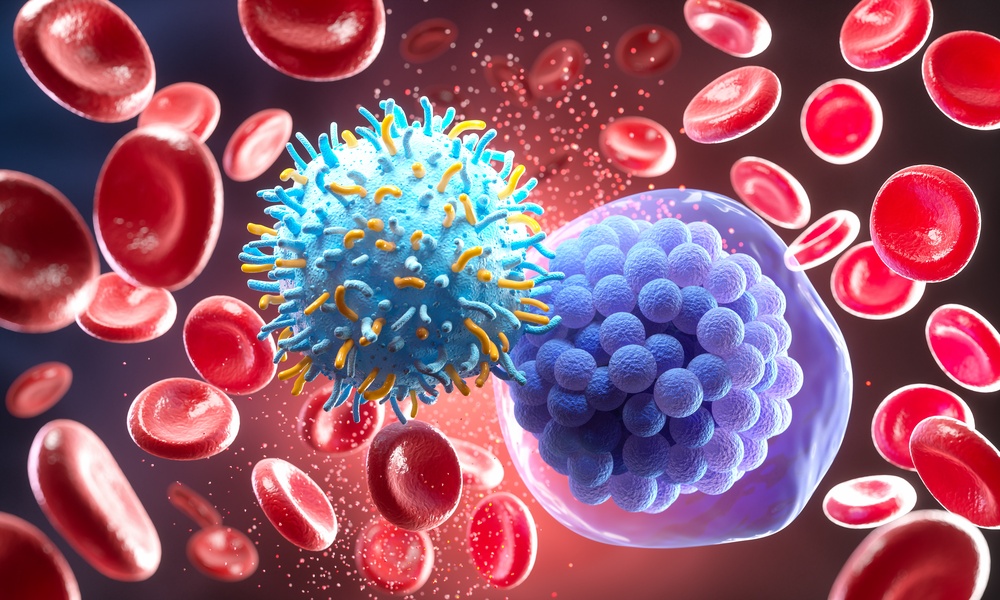
The process begins with a sample of the patient’s cancer. Researchers genetically sequence the tumor and search for mutations that make it distinct from healthy tissue.
Dr. Ahmad Tarhini, an oncologist at the H. Lee Moffitt Cancer Center and Research Institute, described the process as “individualized neoantigen therapy, where we take the cancer itself, we do genetic sequencing and try to define a unique mutational fingerprint of the cancer itself.”
According to the source material, information from up to 34 tumor mutations can be incorporated into synthetic mRNA. The goal is to help the immune system recognize characteristics associated with cancer cells that may remain after surgery.
Why This Is Different From a Traditional Vaccine
The word vaccine can create confusion because this treatment does not work like a standard flu shot. It is created after a person develops cancer and is tailored using information from that individual’s tumor.
The treatment is given alongside Keytruda rather than replacing it. Its purpose is to help reduce the risk of recurrence after surgery rather than prevent a healthy person from developing melanoma.
The Trial Included 1,137 Patients

The Phase 3 study, known as INTerpath-001, enrolled 1,137 people whose melanoma had been completely removed through surgery. Participants had melanoma ranging from stage IIB through stage IV.
Patients were assigned in a two-to-one ratio, with one group receiving intismeran autogene plus Keytruda and the other receiving Keytruda alone. On August 19, 2026, Moderna and Merck announced that the trial met its primary endpoint of recurrence-free survival and a key secondary endpoint called distant metastasis-free survival.
Professor Georgina Long, medical director of Melanoma Institute Australia and the study’s principal investigator, called the findings “a landmark moment for adjuvant melanoma treatment.” She said the combination “has the potential to establish a new treatment paradigm in the adjuvant melanoma setting, helping patients remain cancer-free for longer.”
The announcement marks a major milestone for personalized mRNA cancer treatment. However, some of the most important numbers remain unavailable.
The Full Phase 3 Results Are Still Missing
The companies confirmed that the trial met its specified endpoints, but they did not disclose the precise size of the benefit. The initial announcement contained no hazard ratios, survival curves, or detailed effect sizes.
That distinction matters because some impressive figures are already circulating alongside the news. The 49% and 59% risk reductions mentioned in earlier coverage came from a smaller Phase 2b trial involving 157 patients and are not the results of the new Phase 3 study.
Mansoor Amiji, a professor of pharmaceutical and biomedical sciences at Northeastern University, called the result very promising but said he remained “cautiously optimistic” until the detailed data become available. Overall survival data, which could help answer whether patients actually live longer, are still being collected.
Questions Researchers Still Need to Answer
Several important questions remain before the full impact of the treatment can be understood:
- How large was the benefit? The trial succeeded, but the difference between the two treatment groups has not yet been disclosed.
- Will patients live longer? Overall survival remains under evaluation.
- Who benefits most? Future data may clarify whether some patients respond better than others.
- Can production keep pace? Each treatment must be created using information from an individual patient’s tumor.
- Will the approach work elsewhere? Trials are underway in several other types of cancer.
The difference between a successful trial announcement and a complete understanding of a treatment is important. The detailed results will provide a clearer picture of the benefit patients may realistically expect.

Earlier Studies Offered Safety Clues
Merck reported that the safety profiles of both treatments were consistent with earlier studies, with “no new safety signals observed.” The most detailed safety figures currently available come from an earlier mid-stage trial.
The source material reported that common side effects included fatigue in 60.6% of patients, injection-site pain in 56.7%, and chills in 49.0%. Most reported effects were mild, and there were no grade 4 or grade 5 events tied to the vaccine in that earlier study.
Those findings are encouraging, but earlier safety results cannot answer every question about a larger Phase 3 population. The complete Phase 3 data should offer a fuller understanding of both the benefits and potential risks.
Moderna’s Stock Surge Reflects Huge Expectations
Investors reacted immediately to the announcement. According to the source material, Moderna closed at $174.38 on August 19, rising 176.97% during the session.
The company’s market value reportedly climbed from around $25 billion to approximately $69 billion. That dramatic reaction shows how much financial and scientific interest surrounds the possibility of personalized mRNA cancer treatments.
However, stock market enthusiasm and clinical evidence are different measures. Investors were reacting to confirmation that the trial met important endpoints, while the detailed numbers behind those results have yet to be released.
For patients following the news, that distinction is worth remembering. A major market rally does not reveal the precise size of a treatment’s benefit or prove that it will improve overall survival.
Cancer Vaccines Have a Longer History
This is not the first cancer vaccine ever developed. The FDA approved sipuleucel-T, known as Provenge, for advanced prostate cancer in 2010.
The Moderna and Merck treatment differs because it uses mRNA technology and analyzes the unique mutations found in an individual’s tumor. The Phase 3 result also represents an important milestone for individualized neoantigen therapy.
The broader idea behind this research is increasingly ambitious. Instead of relying only on treatments designed for large groups of patients, scientists are exploring whether cancer therapy can be tailored around the biological characteristics of each person’s disease.
Other Cancers Are Already Being Studied
Moderna and Merck are also studying the combination in lung, kidney, bladder, pancreatic, and stomach cancers. None of those programs have yet produced the same Phase 3 result reported for melanoma.
Each cancer behaves differently and may interact with the immune system in different ways. A positive result in melanoma does not guarantee that the same approach will deliver identical benefits elsewhere.
The ongoing trials could still help researchers understand where personalized mRNA treatments work best. Kidney cancer results are expected around the turn of the year, according to the source material.
The Challenge of Making One Treatment at a Time
Personalization creates practical challenges alongside its scientific potential. A conventional medicine can be manufactured in large batches, while this treatment begins with an individual patient’s tumor sample.
The process involves genetic sequencing and personalized manufacturing, taking weeks according to the source material. If the therapy reaches wider use, healthcare systems will need enough capacity to process and produce treatments for large numbers of patients.
Professor Amiji raised the question of how such a therapy could be developed for thousands of patients within a finite period. Manufacturing speed, cost, access, and coordination between hospitals could all affect how widely patients can benefit.
Approval Is Still Not Guaranteed
The FDA has not approved intismeran autogene. Moderna and Merck have said they plan to engage with regulators regarding potential filings.
Dr. Tarhini expects the treatment could potentially become approved and available by early 2027, according to the source article. That remains an expectation rather than a confirmed timeline.
For people living with melanoma, the most accurate description of this moment is hopeful but measured. A personalized mRNA treatment has cleared a major Phase 3 milestone, and the next release of detailed data will show how large that step forward really is.