
A surgeon sits in a conference hall in Rome, gently moving his hands over a console; on the other side of the world, in a Beijing operating room he has never stepped into, robotic arms mirror his every motion inside a man’s body. The distance between them is more than 8,000 kilometers, yet for the patient on the table it has to feel as safe as if the doctor were standing right beside him. This quiet, almost surreal scene is not science fiction but a real operation that forces us to rethink what it means for care to be close, and what it takes to trust a surgeon you cannot even see.
How a Surgeon in Rome Safely Operated on a Patient in Beijing
In early June, a prostate cancer patient in Beijing was operated on by a surgeon sitting in Rome, more than 8,000 kilometers away. At a medical conference in Italy on laparoscopy, robotics, and AI, urologist Professor Zhang Xu, from the Third Medical Center of the People’s Liberation Army General Hospital, took his seat at a robotic surgery console rather than at an operating table.

In Beijing, a surgical robot translated his hand movements into ultra-precise actions: removing a lesion from the patient’s prostate while a full Chinese medical team, including a back-up surgeon, stood ready in the operating room.
The success of the operation turned on one invisible factor: delay. The connection between Rome and Beijing registered a latency of 135 milliseconds, below the 200-millisecond threshold many studies consider acceptable for safe telesurgery. “The biggest problem with a remote surgery is communication – whether there is any delay,” Zhang explained. “During today’s surgery, there was almost no delay, and it was almost the same as an on-site surgery.”
Conference chair Vito Pansadoro described the moment as historic. The procedure did not just showcase technical prowess; it quietly redrew the map of where a surgeon can be, and where a patient can receive expert care.
Closing the Distance
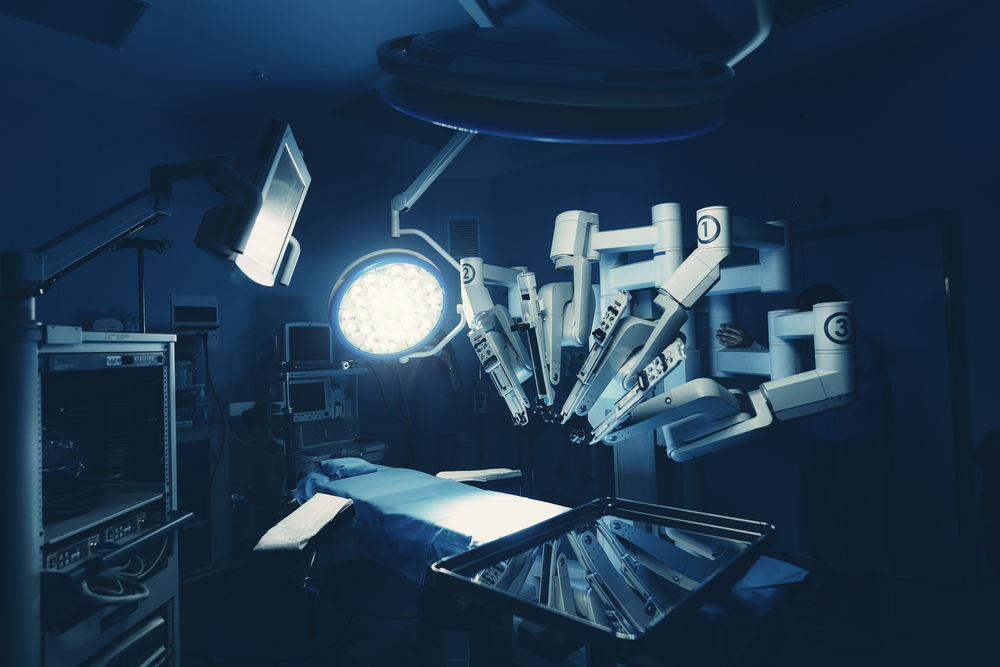
The Rome–Beijing procedure represents the culmination of extensive research and development in robotic surgery, telemedicine, and advanced network infrastructure.
Early surgical robots emerged in the 1970s, when NASA and engineers explored how to care for astronauts on long missions without flying a surgeon into orbit. By the late 1980s, the first commercially viable systems reached hospitals. The most transformative has been the da Vinci platform, cleared by the U.S. Food and Drug Administration in 2000 for general laparoscopic surgery.
Da Vinci systems let surgeons sit at a console, view the surgical field in 3D, and control multiple robotic arms equipped with an endoscope and fine instruments. Telesensors and haptic feedback aim to preserve something essential in surgery: the “feel” of tissue resistance and movement, even when the surgeon is several rooms—or continents—away.
The first documented telerobotic surgery took place in 2001, proving that long-distance operations were technically possible, but also exposing their fragility. Any lag or signal loss could translate into a mistimed cut. That is why today’s systems lean heavily on high-bandwidth, low-latency networks, including 5G, to keep communication delays under about 200 milliseconds, roughly the time it takes to blink.
Rome to Beijing is the latest proof that, with robust infrastructure and meticulous engineering, telesurgery is moving from experimental showcase to a serious option for real patients.
The Technology and Safety Net Behind the “Instant” Operation

What made the Rome to Beijing surgery more than a publicity stunt was not just the robot, but the web of safeguards wrapped around it.
At the heart of the procedure was a high speed, low latency connection, reportedly built on a robust 5G network, that kept delay to about 135 milliseconds. That is comfortably below the 200 millisecond ceiling many studies identify as the upper limit for safe telesurgery. This tiny delay meant that when Professor Zhang moved his hands in Rome, the robot’s arms in Beijing responded almost in real time, reducing the risk of overshooting or hesitating around delicate structures in the prostate.

The system had been updated to minimize errors, according to Chinese state media reports. Engineers did not rely on software alone, however. In Beijing, a full medical team and a back up surgeon stood scrubbed and ready to take over if anything went wrong, whether a signal drop, a technical malfunction, or a sudden change in the patient’s condition.
The operation was jointly led by the Chinese Academy of Sciences and the Urology Department of the Third Medical Center of the People’s Liberation Army General Hospital. It highlighted how closely medicine, engineering, and national infrastructure now intersect. This was not a solo feat by a star surgeon; it was a carefully choreographed collaboration between networks, machines, and humans on two continents.
Operating Rooms Without Borders

What happened between Rome and Beijing sounds futuristic, but its implications are very down to earth. Imagine living in a small town where the closest specialist surgeon is a full day’s travel away. In many parts of the world, that is still the reality. The Lancet Commission on Global Surgery has estimated that around 5 billion people cannot access safe, affordable surgery when they need it, and that more than 100 million additional operations a year would be required to close the gap.
Telesurgery nudges that door open. Instead of flying a patient to a distant capital, a local hospital could host a robot while a specialist logs in from hundreds or thousands of kilometers away. The same model could apply to remote islands, conflict zones, or disaster areas where roads are cut but communication lines still work.
There is a flip side. The kind of high-speed connection and advanced robotics used in the Rome to Beijing procedure are expensive and depend on stable infrastructure. Without careful planning and public investment, this technology could deepen the divide between hospitals that can afford to plug into global expertise and those that cannot, leaving the very communities who need it most still looking in from the outside.
Expert Care Without the Journey
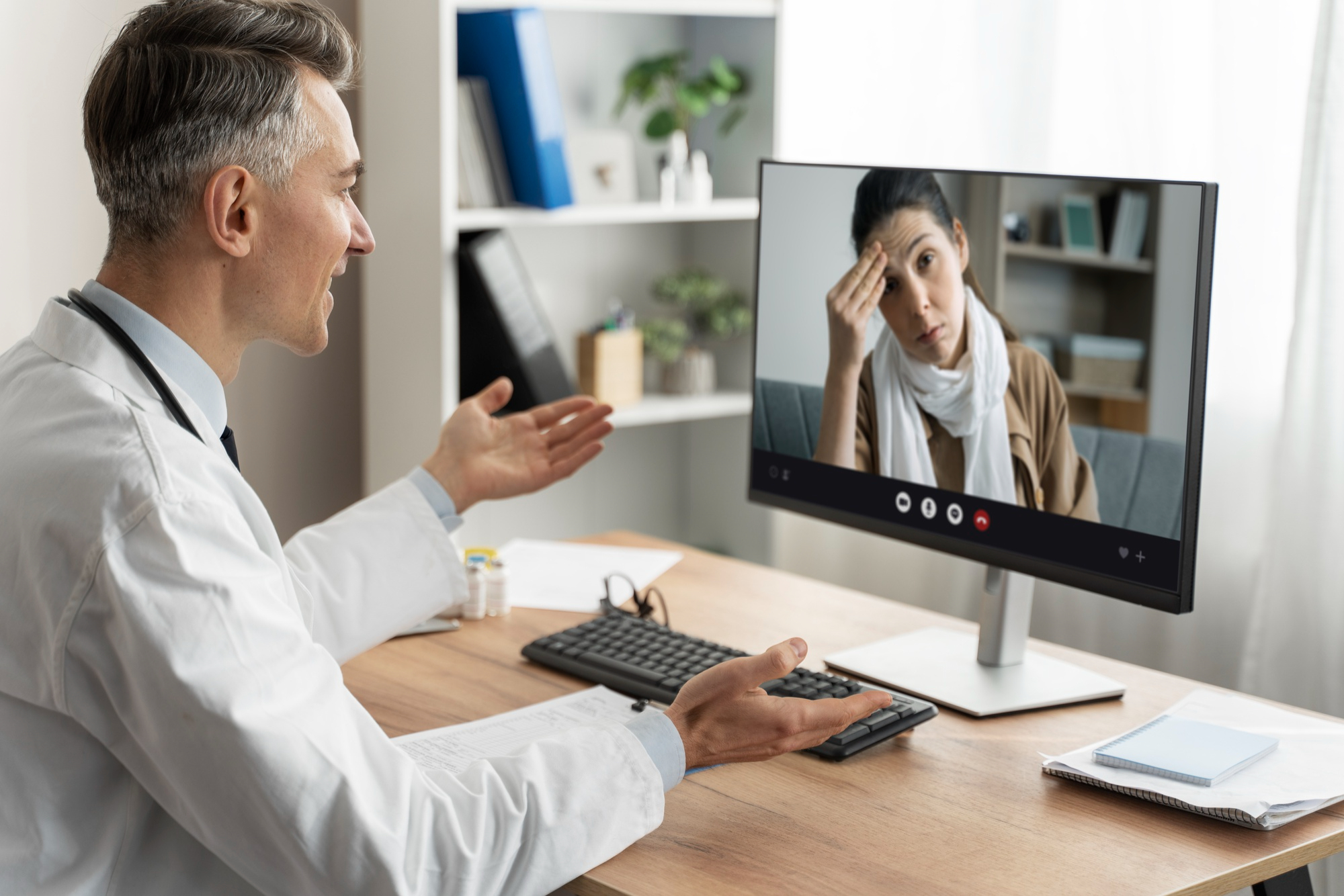
A surgeon in Rome operating on a patient in Beijing sounds like something out of a sci-fi film, but the heart of the story is very human. It hints at a future where needing specialist care does not always mean traveling far, taking time off work, or leaving your support network behind. Instead, you might be in a familiar local hospital while an expert connects in from another city or even another country, much like video calls have already changed how we see our own doctors.
At the same time, it is normal to feel cautious. If you are ever offered a robot-assisted or remote procedure, you have every right to ask simple questions: Who is in control? What is the backup plan if something goes wrong? How will you be kept safe? Staying curious and informed is one of the easiest ways to make sure technology serves people, not the other way around.