A baby tooth can preserve more than a childhood memory. New research suggests that these tiny teeth may also contain clues about long-term exposure to hundreds of chemicals during some of the earliest stages of development.
A small pilot study from The University of Texas at San Antonio Health Science Center found significantly higher concentrations of 19 potentially toxic or endocrine-disrupting compounds in the baby teeth of children with autism. The finding raises important questions about childhood chemical exposure, but it does not prove that these chemicals cause autism.
Researchers Found Higher Chemical Levels In Baby Teeth
The researchers analyzed donated primary teeth from 38 children, including 22 children with autism and 16 typically developing children. Using a broad chemical-screening approach, the team detected an average of about 300 chemicals per participant across the two groups.
The scientists then focused on 60 compounds that appeared in more than half of the samples. Of those 60 compounds, 39 were known developmental toxicants or endocrine-disrupting compounds, according to the study’s classification.
The differences between the groups were notable. Researchers found higher concentrations of 57 of the 60 compounds in the teeth from children with autism, representing 95% of the compounds examined in that comparison. However, only 19 of those differences were statistically significant.
That distinction is important when interpreting the findings. The study shows an association between chemical concentrations and autism status, but it does not demonstrate that exposure to any of the chemicals caused autism.
The research team described the work as a pilot study and called for larger studies to investigate the relationship between long-term chemical exposure and childhood development. A larger sample could help determine whether the pattern observed in this study appears consistently across different populations.
One Chemical Showed A Particularly Large Difference
One of the most striking findings involved benzyl benzoate, a chemical used in personal care products, as a food additive, and in some treatments for lice and scabies. The compound appeared at a concentration 722% higher in the autism group than in the control group.
That number may sound alarming, but it still needs to be interpreted within the limitations of the research. The study cannot determine where an individual child’s exposure came from, how the chemical entered the body, or whether the exposure contributed to autism.
The researchers also identified compounds associated with fragrances, food preservatives, flame retardants, plastics, food packaging, personal care products and other everyday materials. Several of the compounds have been identified in products used by infants and young children.
The study reported 11 compounds that have previously been reported to migrate from baby bottle components. Five of the nine compounds showing the greatest differences between the groups were chemicals that can migrate from plastic bottles.
This does not mean that baby bottles cause autism. The researchers specifically cautioned against drawing that conclusion from their findings. Instead, the results point toward the need to understand how children encounter chemicals over long periods and whether certain periods of development may be particularly sensitive.
Why Baby Teeth Are Useful For Exposure Research
The unusual feature of this study is the researchers’ use of baby teeth as a record of chemical exposure. Primary teeth begin forming in the womb around the fourth month of pregnancy and continue developing until approximately age 3.
As teeth develop, chemicals from the body’s environment can become incorporated into their structure. Because children usually lose these teeth several years later, researchers can collect them after the exposure period and examine them for chemical traces.
This provides a different type of information from conventional blood or urine testing. Blood and urine samples generally provide information about exposure during a much shorter period, particularly when a chemical breaks down or leaves the body quickly.
“Teeth capture cumulative exposures over long periods of time, whereas blood or urine samples only show a specific window of time,” research affiliate Lynne P. Heilbrun said. “We need both.”
That longer record could be particularly useful when scientists are studying chemicals that may have been present during pregnancy or early childhood but are no longer detectable in blood or urine.
The researchers therefore see baby teeth as a potential tool for investigating exposure during important developmental periods. Instead of looking only at what is circulating in the body today, scientists can examine a physical record that developed over a much longer period.
Children Can Encounter Chemicals Through Many Sources
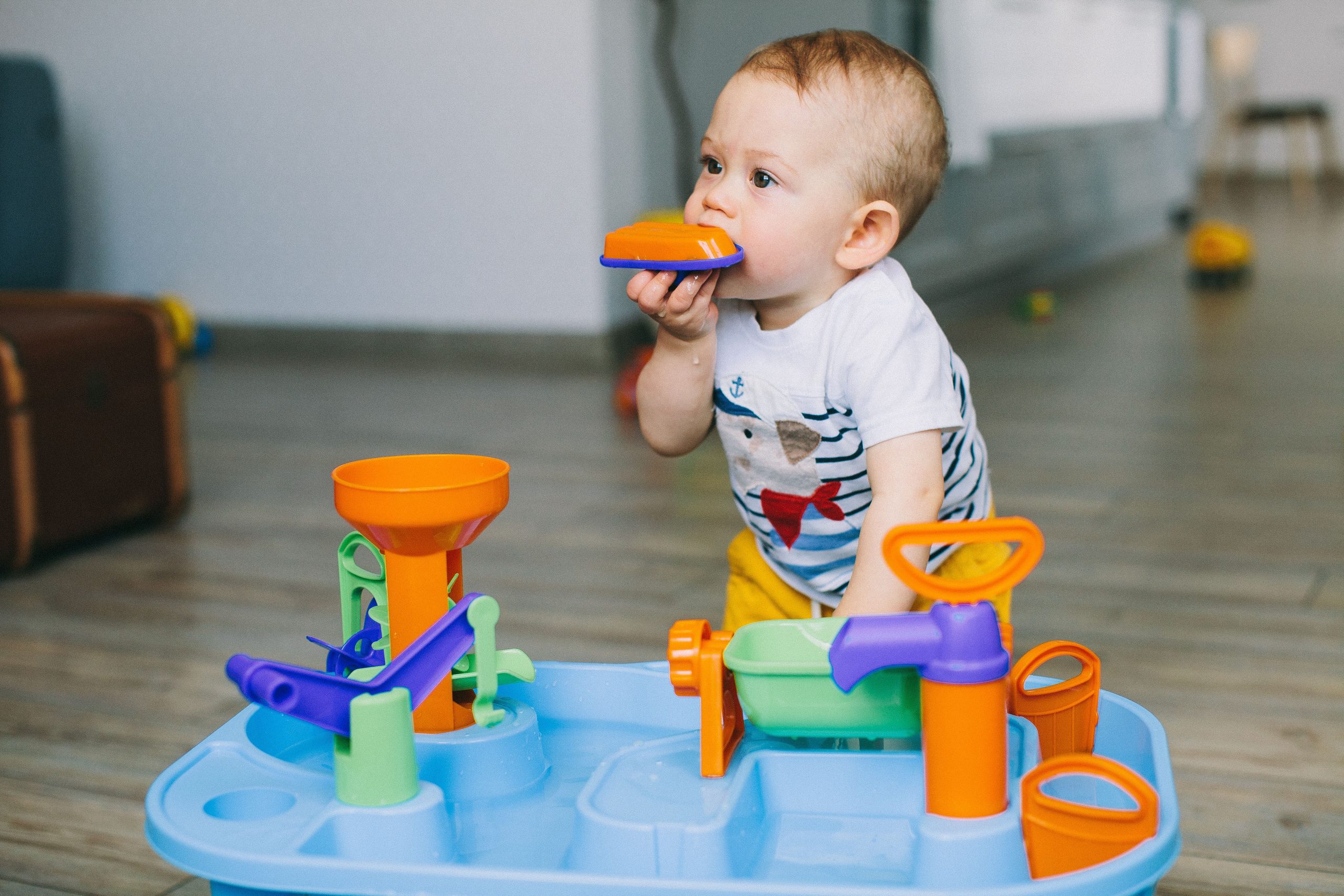
Chemical exposure during childhood can happen through numerous pathways, and the study does not identify a single source responsible for the compounds detected in the teeth. Before birth, potential exposures can occur through what a pregnant woman breathes, eats or absorbs through her skin.
After birth, potential exposure sources become even broader. Food, food containers, personal care products, household products, air, water pipes and items specifically designed for babies and children can all provide opportunities for contact with different chemicals.
The researchers found compounds associated with several categories of everyday products and materials, including baby bottles, diapers, food packaging, flame-retardant materials and fragrances. Some of the compounds were also associated with plastics and materials that come into contact with food.
For parents, that range of potential sources can make the findings difficult to interpret. Finding a chemical in a child’s tooth does not tell researchers whether the exposure came primarily from food, household materials, personal care products, water, air or several sources combined.
It is also possible for the same chemical to appear in multiple products. That means removing one product from a household may not eliminate exposure to a particular compound entirely.
The researchers’ goal is therefore broader than identifying a single problematic consumer product. They want to understand the cumulative exposure patterns that children experience during development and determine whether particular chemicals or combinations deserve closer study.
The Timing Of Exposure May Be Important

One reason scientists are interested in these findings is that the brain and central nervous system develop over an extended period. Certain stages of development may be more sensitive to environmental influences than others.
“There are several critical windows of exposure during pregnancy, especially in the first trimester, but it doesn’t stop there,” Heilbrun said. “The central nervous system continues to develop after birth until around age 25.”
The researchers point to developmental toxicants and endocrine-disrupting compounds because these chemicals can affect biological processes involved in development. Some of the toxicants identified in the study may also affect mitochondria, which are structures inside cells involved in producing energy and supporting cellular functions.
That does not establish that the chemicals identified in the teeth caused neurological differences in the children involved. It explains why researchers believe the timing and duration of exposure deserve further investigation.
Genetics may also play a role in how individuals respond to environmental exposures. According to the study, genetic differences could make some people more susceptible to particular chemicals, which adds another layer of complexity to the relationship between exposure and autism.
Autism itself is a complex condition, and the supplied research does not identify one environmental explanation for it. The study instead adds evidence that researchers can use when investigating how genetic and environmental factors might interact.
What The Study Does Not Prove About Autism
The most important limitation is also the easiest one to lose in a viral health story: this study does not establish causation.
The researchers studied chemical concentrations in the teeth of children who already had autism and compared those results with children who did not. That design can identify differences between groups, but it cannot by itself prove that the chemical exposure produced the difference.
The sample size was also small, with only 38 children included in the analysis. Results from a small pilot study can provide useful directions for future research, but they need to be tested in larger populations before broader conclusions can be drawn.
The findings also cannot establish whether the chemical differences occurred before or after particular developmental changes. Baby teeth record exposure over an extended period, but the presence of a chemical does not automatically reveal what biological effect, if any, that exposure produced.
For parents, this distinction matters because it prevents a preliminary finding from becoming an unsupported warning about everyday products. The research raises questions that scientists need to answer rather than providing a definitive explanation for autism.
The study authors themselves emphasize that their findings should lead to additional research. They want larger case-control studies that can examine long-term exposure patterns more carefully and determine whether the observed differences remain consistent.
Why Larger Studies Are Needed

The researchers hope future work will include substantially larger groups of participants and people from multiple countries. Expanding the sample could help scientists determine whether the findings are consistent across different populations and environments.
They also want to use high-resolution liquid chromatography in future research. That technique could help researchers identify a wider range of chemicals, including heavier compounds that were not captured by the current analysis.
The need for broader research is partly driven by the enormous number of chemicals now present in commercial products. Researchers cannot realistically assume that every compound receives the same level of long-term developmental research before widespread exposure occurs.
“There are hundreds of millions of compounds being produced and released into commercial use,” David Gimeno Ruiz de Porras, professor and chair of environmental and occupational health, said. “Industry is moving much faster in producing chemicals for different uses than we can study them.”
That gap creates a challenge for families trying to understand which products may reduce unnecessary exposure. Safer alternatives may not always be obvious, affordable or readily available.
The researchers therefore want their work to contribute to a larger body of evidence rather than encourage families to fear every chemical found in a household.
Practical Ways To Reduce Unnecessary Chemical Exposure
The study does not demonstrate that avoiding particular products will prevent autism. However, families who want to reduce unnecessary exposure to potentially harmful chemicals can make several relatively simple changes, particularly during pregnancy and around young children.
The researchers and supplied reference material suggest focusing on practical substitutions rather than attempting to eliminate every possible exposure from daily life. Some options include the following:
- Choose glass or stainless steel containers: These materials can replace plastic food and beverage containers for many everyday uses. They may be particularly useful for storing food and drinks when a practical alternative is available.
- Reduce unnecessary fragrances: Fragrance-free personal care and household products can reduce exposure to some chemicals associated with scented products. Families can make these substitutions gradually rather than attempting to replace everything at once.
- Prepare more meals from fresh ingredients: Cooking at home can reduce reliance on highly processed foods and some food-contact materials. It also gives families more control over ingredients and preparation methods.
- Use simpler cleaning options when appropriate: Baking soda can be useful for scrubbing, deodorizing and removing some grease or stains. Vinegar can help with mineral deposits, hard-water stains and certain nonporous surfaces, but the two should not be mixed together.
- Consider flame-retardant-free foam products: When buying foam products, consumers can look for products specifically labeled as flame-retardant free. This is one way to reduce exposure to certain chemicals used in some materials.
- Choose alternatives to chemical pest treatments when practical: Sticky traps can be used instead of sprays, bug bombs and certain chemical tick or flea products in appropriate situations. Families should still consider the specific pest and safety requirements involved.
These measures should be viewed as reasonable exposure-reduction choices rather than medical treatments. The study does not provide evidence that making these changes prevents autism, and families should not blame themselves for exposures that occurred before they knew about them.

Small Changes Can Be More Realistic Than Total Avoidance
Chemical exposure is part of modern life, and completely eliminating exposure is neither realistic nor necessary based on this study. The more useful question for families may be where practical reductions can be made without creating unnecessary stress or expense.
For example, replacing a plastic food container with a glass or stainless-steel option when it needs to be replaced is a manageable change. Choosing fragrance-free products the next time a personal care item runs out can also reduce exposure without requiring an entire household overhaul.
Pregnancy can be another time when families choose to pay closer attention to unnecessary chemical exposures. The researchers specifically identify pregnancy and early childhood as periods deserving additional precaution because development is continuing rapidly during these stages.
Still, the findings should not encourage fear around ordinary parenting decisions. The study cannot tell a parent that a particular bottle, food container or personal care product caused a child’s autism, and there is no basis in these results for assigning blame.
The researchers’ message is more focused on understanding exposure patterns than creating a list of products for parents to fear.
The Research Opens A New Window Into Childhood Exposure
The most interesting part of this study may be the method itself. Baby teeth offer scientists a way to look backward at chemical exposure during a period that is otherwise difficult to reconstruct.
That could become increasingly useful as researchers try to understand how environmental exposures interact with genetics and development. Blood and urine testing still provide valuable information, but teeth can potentially preserve a much longer record.
The current study is too small to answer whether the chemical differences identified in these children contributed to autism. It also cannot identify which specific exposure sources matter most, whether combinations of chemicals have different effects, or whether the same pattern would appear in a much larger population.
Those are questions for future research.
For families, the most practical takeaway is to focus on reasonable ways to reduce unnecessary chemical exposure while keeping the evidence in perspective. The study gives scientists a reason to look more closely at long-term exposure during childhood development, but it does not give parents a reason to blame themselves or fear every everyday product.
As Gimeno Ruiz de Porras said, “There will not be one ‘magic solution’ to fix this problem, but there are many things we can do.” The next step is better evidence, and larger studies may help determine which exposures deserve the closest attention.