
A simple chewing gum is being studied as a potential tool to reduce the spread of major viruses. Researchers from the University of Pennsylvania and collaborators in Finland have developed a gum made from lablab beans that can neutralize more than 95% of certain influenza and herpes viruses in laboratory settings.
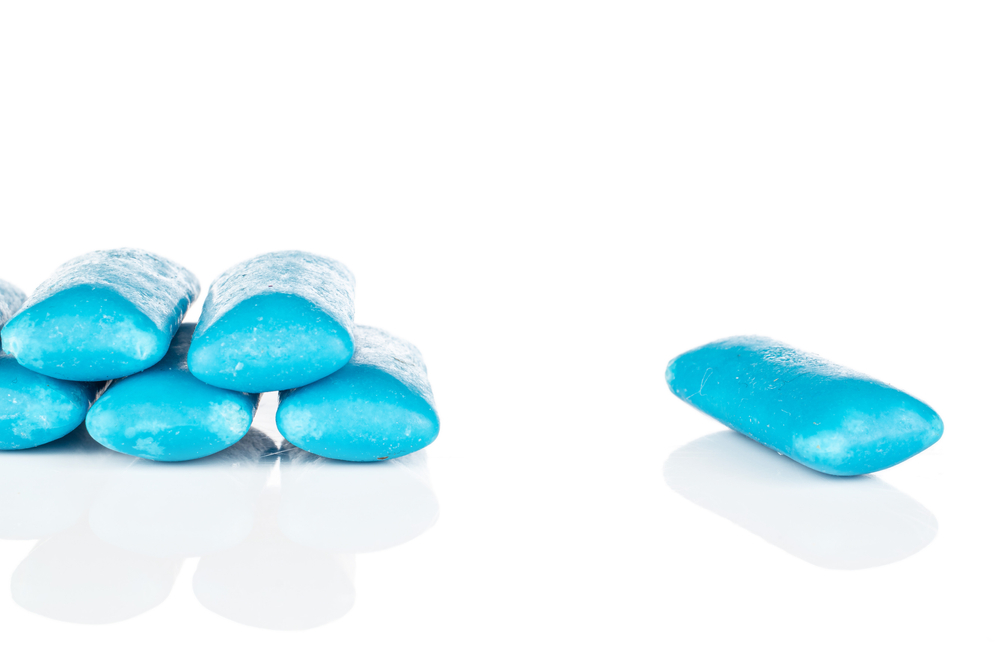
Instead of relying only on vaccines or treatment after infection, the approach targets where transmission often begins: the mouth. If this holds up in real-world use, it could add a practical layer of protection for viruses that spread through saliva.
Why the Mouth Is a Key Target
The oral cavity plays a central role in how many respiratory and viral infections spread, not just because of saliva but because of how often it is involved in daily interactions. Speaking, coughing, sneezing, and even normal breathing can release droplets that carry viral particles. Research has shown that viral load in saliva can directly influence how infectious a person is, making it a critical yet often overlooked point of intervention. Studies have also confirmed that saliva can contain high concentrations of respiratory viruses, including influenza and coronaviruses, supporting its role in transmission.
Unlike systemic approaches such as vaccines or oral antivirals that act after infection has occurred, targeting the mouth focuses on reducing the amount of virus available to spread in the first place. This is especially relevant for viruses that replicate in the upper respiratory tract, where they can be shed into saliva early in infection, sometimes before symptoms appear. That early window is a key driver of community spread, which is why reducing viral load at this stage can have an outsized impact on transmission dynamics.

This approach does not replace existing strategies but fills a specific gap. It focuses on interrupting transmission during routine, everyday interactions where most spread actually happens. As Henry Daniell, PhD, explained: “By targeting viruses where they spread most efficiently, in the oral cavity, this product could address a major gap in healthcare.”
How the Antiviral Gum Works
The gum uses a plant-derived protein called FRIL found in lablab beans, which has a specific ability to attach to viral particles. This interaction prevents the virus from binding to and entering human cells, which is a necessary step for infection. Instead of targeting one virus, FRIL acts on shared structural features found across multiple viruses, which explains why it shows activity against both influenza and herpes strains.
The delivery method is a key part of the mechanism. Chewing creates a continuous mechanical breakdown of the gum, allowing the protein to be released gradually into saliva. This ensures that the active compound is distributed across oral surfaces where viral particles are present. The study showed that more than 50 percent of the protein is released within the first 15 minutes of chewing, indicating that the process is both rapid and sustained.

The formulation itself is designed to maintain protein stability and consistent dosing. A measured 40 mg amount within a standard gum tablet was sufficient to achieve significant viral reduction in controlled conditions. The gum was also produced using clinical-grade standards, which support its consistency and suitability for further testing. The viruses tested included influenza A strains H1N1 and H3N2, and herpes simplex viruses HSV 1 and HSV 2.
What the Results Show So Far
The findings are based on controlled laboratory testing, where the gum was applied directly to viral samples under defined conditions. In this setting, the researchers measured how much the viral load dropped after exposure to the gum’s active compound. The more than 95 percent reduction reflects a strong antiviral effect under these controlled conditions, showing that the protein can directly interfere with viral particles at a measurable level.
It is also important to understand what this type of result represents. Laboratory testing is designed to isolate the effect of a single variable, in this case, the FRIL protein, without the complexity of the human body. Factors such as saliva flow, frequency of use, and individual variability are not accounted for at this stage. This means the results confirm biological activity, but not yet real-world effectiveness.
The findings indicate that the gum has strong potential to move into human clinical trials, where researchers can evaluate whether the same level of viral reduction can be achieved in real-world conditions. The next step is clinical testing to determine how these effects translate into actual reductions in transmission risk in human populations.
Public Health Use and Practical Impact
If clinical trials confirm effectiveness, this type of intervention could be integrated into routine settings where transmission risk is consistently high. Unlike measures that depend on diagnosis or symptom recognition, a product like this could be used proactively in shared environments, particularly during periods of increased viral circulation. Its value lies in reducing transmission opportunities during normal daily interactions rather than responding after exposure has already occurred.

From a systems perspective, a low-cost and easy-to-use product has the potential to support existing public health measures without adding complexity. It does not require infrastructure, specialized storage, or clinical supervision, which makes it more feasible in settings where access to healthcare resources is limited. Researchers noted that “the development of an accessible and easy-to-use product that reduces viral transmission could help reduce the burden on healthcare systems.” This positions the approach as a complementary layer that can help reduce strain during peak infection periods without replacing established strategies.
Expanding to Bird Flu Prevention
The same antiviral approach is now being explored beyond human use, specifically for avian influenza. This shift focuses on applying the lablab bean-derived protein in agricultural settings, where controlling viral spread at the source can reduce both economic losses and the risk of spillover into human populations. Unlike the chewing gum, this application involves incorporating the compound into feed, allowing for continuous exposure in environments where infection spreads rapidly among birds.
Existing evidence has already shown that lablab bean compounds can neutralize influenza strains such as H5N1 and H7N9, which affect both animals and humans. The current research is building on that foundation by testing whether consistent intake through feed can lower viral presence in poultry populations. If effective, this approach could reduce transmission within flocks and limit opportunities for the virus to mutate or cross into humans.
Safety, Production, and What Comes Next
The gum tested in the study was manufactured to meet clinical grade standards, which are necessary for consistency, dosing accuracy, and regulatory review. The researchers also evaluated stability, showing that the FRIL protein remains intact in both the bean powder and gum form over time. This matters for storage, transport, and large-scale production, where maintaining protein activity is essential for effectiveness.

At this stage, the evidence supports feasibility rather than confirmed use. The formulation can deliver a stable and measurable dose, and the production process aligns with requirements for further development. The next step is to move into human trials to assess safety, dosing frequency, and real-world performance. This approach is intended to complement existing preventive measures, not replace them.
While the product is still in clinical trials, the priority remains using proven methods to reduce transmission risk. This includes staying up to date with vaccinations where available, maintaining good hand hygiene, avoiding close contact when symptomatic, and improving ventilation in shared spaces. These measures address transmission through multiple routes and remain the most reliable way to reduce spread while new interventions like this gum are being evaluated.
A Direct Approach to Reducing Viral Spread
This research highlights a focused strategy in infection control, reducing viral load at the point where transmission begins. The lab data show that this approach is biologically active and measurable, which supports further development.
The key question now is whether these results can be replicated in real-world conditions. Human clinical trials will determine if this method can meaningfully reduce transmission across different settings and populations.

From a practical standpoint, interventions like this also have a cost dimension. Products that are easy to use, stable, and scalable can lower indirect costs linked to outbreaks such as missed work, healthcare utilization, and supply disruptions. If this approach proves effective, it could offer a low-barrier option that supports both individual protection and broader economic stability, especially in settings where access to care is limited.
If proven effective, this could become a practical addition to existing prevention strategies. A simple intervention that works at the source of spread has the potential to improve how everyday transmission is managed, especially for viruses that move through saliva.


visit howtoexplainer
Saturday 11th of April 2026
Appreciate the effort you put into this.
visit howtoexplainer
Saturday 11th of April 2026
Very informative and easy to understand.
howtoexplainer
Thursday 9th of April 2026
Thanks for sharing this useful information.
Clinton Waelchi
Thursday 9th of April 2026
Your website has such a unique vibe especially with the cosplay themes it’s visually appealing and very enjoyable to browse through