For most teenagers, growing up means worrying about school, friendships, and what the future might hold. For Phillip Mullin, a 15-year-old from Alexandria, Louisiana, childhood involved more than 100 hospitalizations, 15 surgeries, and years of living with a painful inherited blood disorder. Now, following gene therapy, doctors consider him functionally cured of sickle cell disease, giving him an opportunity to look toward a different future.
Phillip celebrated the milestone on October 23, 2026, at Manning Family Children’s Hospital in New Orleans. His recovery followed a demanding treatment process that included serious complications, but the teenager’s experience has also helped shape his ambition to become a doctor who understands what young patients go through.
A Childhood Marked by Hospital Visits and Painful Complications
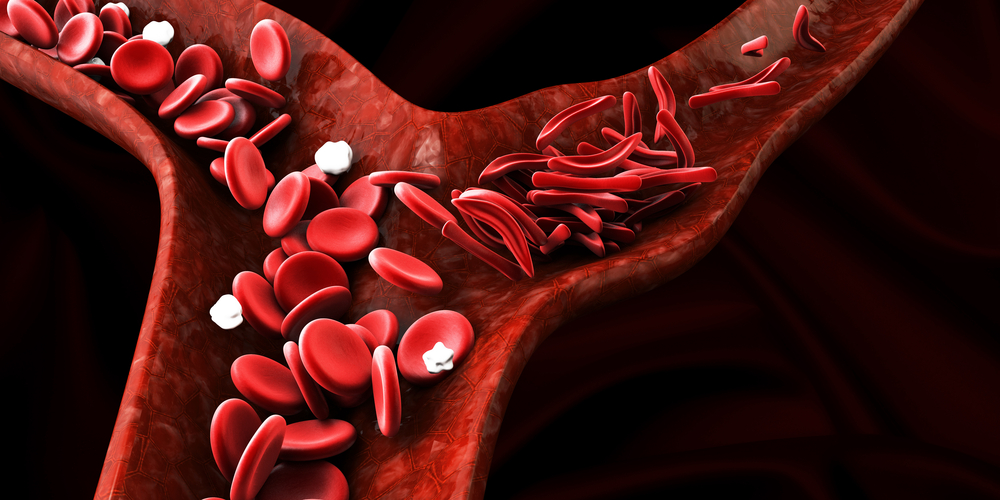
Phillip’s experience with sickle cell disease brought repeated medical emergencies throughout his childhood. The inherited condition affects hemoglobin, the protein in red blood cells responsible for carrying oxygen around the body. When the condition causes red blood cells to become rigid and sickle-shaped, they can obstruct blood flow and trigger severe pain.
According to the reports surrounding his treatment, Phillip had been hospitalized more than 100 times and undergone 15 surgeries before receiving gene therapy. Each medical crisis added another challenge to a childhood already shaped by the demands of managing a serious chronic condition.
For families living with sickle cell disease, the uncertainty can be exhausting. Painful episodes may require emergency treatment, while complications can affect multiple organs and lead to prolonged hospital stays. Even between emergencies, the possibility of another crisis can influence everyday plans.
Phillip’s mother, Shataka Figgins, described the emotional weight of watching her son endure years of treatment during his celebration at Manning Family Children’s.
“I remember every sleepless night, and every moment I wondered how much more his body could take, but I will also see the young man who made it through,” Figgins said.
Her words reflected the experience of a parent who had watched her child face repeated medical challenges while hoping that treatment would eventually offer a better outcome. Phillip’s milestone represented a significant moment for the family after years of uncertainty.
How Gene Therapy Offered Phillip a New Possibility

Phillip received LYFGENIA, a gene therapy approved in the United States for eligible patients aged 12 and older with sickle cell disease and a history of painful complications. The treatment uses a patient’s own blood stem cells, which are collected and genetically modified before being returned to the body.
The modified cells are designed to help the body produce anti-sickling hemoglobin. This can reduce the tendency of red blood cells to develop the abnormal shape associated with sickle cell disease, potentially preventing painful episodes and other serious complications.
Manning Family Children’s reported that Phillip was the first person in Louisiana to receive LYFGENIA. He was also the first child in the state to be described as functionally cured of sickle cell disease.
His treatment followed years of medical care and a decision-making process that involved learning about available options. Phillip took an active role in understanding his treatment, asking questions and researching what gene therapy could mean for his future.
Before receiving the treatment, he visited the Genetix facility in New Jersey where his stem cells were modified. Seeing the process gave him a closer look at the science behind the procedure and helped fuel his interest in medicine.
Why the Treatment Uses a Patient’s Own Stem Cells

Sickle cell disease is an inherited blood disorder that changes the way hemoglobin functions. The abnormal hemoglobin can cause red blood cells to become stiff and curved, making it harder for them to move smoothly through small blood vessels.
When these cells block blood flow, patients can experience severe pain and complications involving organs throughout the body. The condition can also increase the risk of infections and strokes, making long-term medical care important.
LYFGENIA uses a patient’s own stem cells to help address the problem at the cellular level. After collection, the cells are genetically modified in a specialized facility and returned to the patient following preparatory treatment.
Because the procedure uses the patient’s own cells, a separate donor is not required to provide the stem cells. However, the process remains medically intensive and requires careful assessment, preparation, and follow-up.
Phillip Faced a Difficult Recovery After Treatment

Although LYFGENIA is described as a one-time gene therapy, the treatment process involves more than a single infusion. Patients require preparation before receiving their modified cells, followed by a recovery period that can involve significant medical support.
Phillip received his infusion on July 13, 2026, which coincided with his younger sister Paige’s tenth birthday. His recovery proved difficult when he developed severe mucositis, a condition involving inflammation of the mucous membranes in areas such as the mouth and gastrointestinal tract.
The complication made his recovery particularly challenging. Phillip needed a feeding tube and intravenous pain medication while receiving care for the condition.
His experience illustrates why gene therapy requires careful consideration, even when the intended benefits are substantial. Treatment can involve intensive preparation, hospital care, side effects, and a period of recovery that demands support from medical professionals and family members.
What Patients Should Know About Gene Therapy
LYFGENIA requires chemotherapy before the modified stem cells are returned to the body. This preparation helps create space for the treated cells, but chemotherapy can also cause serious side effects and requires close medical supervision.
Anyone considering the treatment needs to understand the practical demands involved, including the possibility of complications and the need for long-term follow-up. A medical team can help patients and families evaluate whether the potential benefits justify the risks in their individual circumstances.
Several considerations are particularly important when discussing gene therapy with a healthcare professional:
- Eligibility: Age, medical history, and the severity of previous complications help determine whether a patient qualifies for treatment.
- Preparation: Chemotherapy and stem cell collection make the process more involved than a routine infusion.
- Recovery: Side effects can require additional treatment, pain management, nutritional support, or an extended hospital stay.
- Follow-up care: Patients need continued medical monitoring after treatment, even when their response is encouraging.
Phillip’s difficult recovery does not diminish his achievement. It provides important context for families who may hear about gene therapy and assume the process is straightforward simply because the treatment itself is administered once.
What Being Functionally Cured Means for Phillip
Phillip’s milestone has been described as a functional cure, an important distinction when discussing sickle cell disease. The term indicates that treatment has substantially changed the disease’s effects, with the aim of preventing or reducing the painful complications that can dominate a patient’s life.
However, a functional cure does not necessarily mean that the inherited condition has been permanently eliminated or that every future health risk has disappeared. Patients still require ongoing medical care and monitoring after treatment.
For eligible patients who respond well, gene therapy can offer the possibility of a significant reduction in sickle cell complications. That change may improve daily life by reducing the burden of painful episodes and the need for repeated emergency treatment.
Phillip’s progress gives his family reason to look forward to a future with different possibilities, although his medical journey will continue through follow-up appointments and monitoring.
Louisiana’s Progress in Gene Therapy
Phillip’s treatment also marks a significant development for medical care in Louisiana, where Manning Family Children’s reports a particularly high rate of sickle cell disease per capita.
He became the first child in the state to be described as functionally cured through gene therapy and the first person in Louisiana to receive LYFGENIA. His case followed another milestone earlier in 2026 involving Daniel Cressy, a 23-year-old who received a different treatment called Casgevy.
Cressy was the first person in Louisiana to be described as functionally cured of sickle cell disease through gene therapy, according to reports from the hospital. His treatment demonstrated that LYFGENIA is not the only gene therapy option available to eligible patients.
Both LYFGENIA and Casgevy received approval from the U.S. Food and Drug Administration in December 2023 for patients aged 12 and older with sickle cell disease and a history of painful complications. The therapies use different approaches to modify a patient’s cells, but both aim to reduce the serious effects of the disease.
Manning Family Children’s is among a relatively small number of programs nationwide offering both treatments. The availability of these options represents an expansion in care for eligible patients, although access and individual suitability remain important considerations.
Why Sickle Cell Disease Deserves Greater Awareness
Sickle cell disease affects people worldwide and disproportionately affects Black Americans. The condition can begin affecting children early in life and continue into adulthood, influencing education, employment, physical activity, and family responsibilities.
Repeated hospitalizations can interrupt school attendance and limit participation in everyday activities. Families may also face emotional and practical pressures while managing appointments, emergency visits, and uncertainty about future complications.
Phillip’s story illustrates the human cost behind the medical statistics. More than 100 hospitalizations represent repeated disruptions to childhood, while 15 surgeries reflect the extensive medical care he required before reaching this milestone.
His experience also shows why awareness of treatment options matters. Gene therapy has created additional possibilities for some eligible patients, but it is not suitable for everyone and does not remove the need for careful medical assessment.
Families affected by sickle cell disease can speak with a hematologist about available treatments, eligibility requirements, potential complications, and long-term monitoring. Understanding the options can help patients make informed decisions with their healthcare teams rather than relying on headlines alone.
Family Support Remained Central to Phillip’s Journey

At the October 23 celebration, Phillip turned his attention toward the family members who had supported him through years of treatment. He spoke about his younger sister Paige, whom he called his superhero and “the greatest gift God ever gave me.”
The event also included Archie Manning, the former New Orleans Saints quarterback and hospital namesake, alongside Tevin Coleman, an NFL player and sickle cell awareness ambassador associated with Genetix. The hospital unveiled a custom LEGO display celebrating Phillip’s love of building.
The ceremony gave Phillip an opportunity to mark his progress after a demanding period of treatment and recovery. It also recognized the role of his family and healthcare team in helping him reach this point.
For Figgins, the celebration followed years of watching her son endure painful complications and repeated hospital visits. Her remarks reflected the relief and emotion surrounding a milestone that offered the possibility of a different future.
Phillip’s story also highlights the importance of supporting families through intensive medical treatment. Recovery involves more than the procedure itself, and practical help, emotional support, and continued medical care can all play a role in a patient’s experience.
Phillip Hopes to Help Other Children as a Doctor
Phillip is already thinking about how he could use his experience to help others. He hopes to become a hematologist-oncologist, a physician who treats blood disorders and cancers, according to the reports surrounding his treatment.
His interest in medicine developed partly through his own experiences as a patient. Visiting the facility where his stem cells were modified also gave him a closer look at the work involved in developing gene therapy.
Speaking to WVUE FOX 8, Phillip explained why he wants to pursue a career helping people with similar medical challenges.
“I want to be a doctor that can relate to somebody, relate to a sickle cell patient and actually know what they’re going through,” he said.
His goal reflects a desire to bring personal understanding to a profession that often requires patients to share difficult experiences with medical teams. Phillip has experienced the uncertainty of serious illness himself, and he hopes that knowledge will help him support other children facing treatment.
During the celebration, he also reflected on what the experience had taught him about endurance and sacrifice.
“Sacrifices are necessary,” Phillip said. “You can’t gain anything without first giving something in return. Although if you can endure that pain and walk away from it, you find that you now have a heart strong enough to overcome any obstacle.”
His words offered a glimpse into how he views the challenges he has faced, while his ambition points toward a future in which his experience could help other families.
For now, Phillip’s functional cure marks a major milestone after years of difficult medical care. His progress does not guarantee the same outcome for every patient, but it demonstrates how gene therapy is expanding possibilities for some people living with sickle cell disease.
Phillip now has an opportunity to pursue the interests and ambitions that have stayed with him throughout treatment. As he continues receiving medical monitoring, his hope of becoming a doctor offers a meaningful next chapter in a life that has already involved more hospital visits than most teenagers could imagine.