
You can feel perfectly healthy and still have changes happening inside your arteries that you cannot see or feel. A major international study has now found signs of silent atherosclerosis in surprisingly young adults, including people who had no known cardiovascular disease and no obvious symptoms.
Researchers examined 16,808 adults between the ages of 18 and 70 and found atherosclerotic plaque in 57.1% of participants. Even among adults ages 18 to 29, about 1 in 13 already had plaque in at least one artery, raising new questions about how early cardiovascular prevention should begin.
The Study Found Hidden Plaque In Healthy Adults
The findings come from the first phase of REACT, an international research project designed to map how atherosclerosis develops across adult life. Researchers from Denmark and Spain used advanced imaging to examine the carotid arteries in the neck, femoral arteries in the legs and coronary arteries supplying the heart.
None of the 16,808 participants had a known history of atherosclerotic cardiovascular disease when they entered the study. Along with vascular imaging, researchers collected information about cardiovascular risk factors, blood biomarkers, omics samples and retinal images, creating a large database of silent atherosclerosis across different ages.

The results showed that plaque was much more common than researchers might expect among people who had no diagnosed cardiovascular disease. Overall, 57.1% of participants had evidence of atherosclerosis in at least one of the arteries examined.
The youngest group was where the finding became particularly striking. Approximately 1 in 13 adults ages 18 to 29 had detectable atherosclerosis, even though they were young and had no previous diagnosis of cardiovascular disease.
The prevalence continued to rise with age. Among adults ages 60 to 70, about 9 in 10 participants had evidence of atherosclerosis.
That does not mean 9 in 10 older adults will experience a heart attack or stroke. Having plaque is not the same as having a cardiovascular event, and the study was designed to map the presence of disease rather than prove that every detected plaque will become dangerous.
Why Atherosclerosis Can Stay Hidden For Years

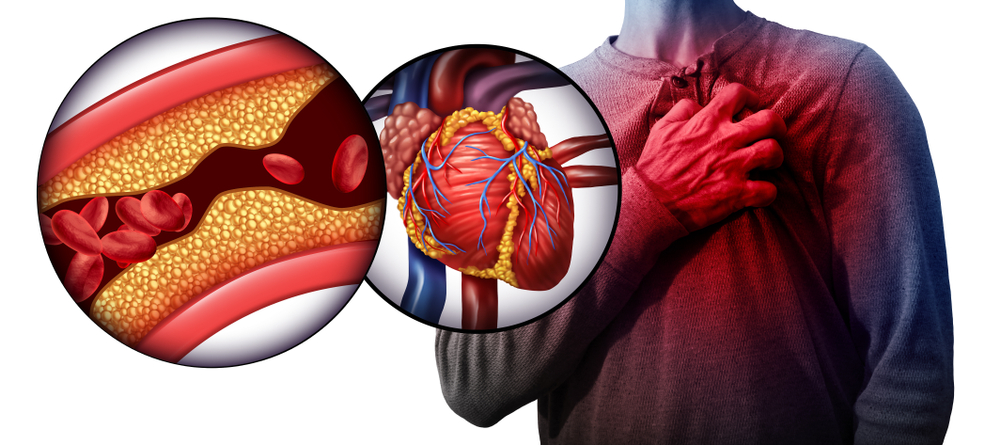
Atherosclerosis develops when substances including fatty deposits and cholesterol accumulate inside artery walls. The process can progress gradually, sometimes for decades, without producing symptoms that would tell a person something is happening.
That silent progression is one reason cardiovascular disease can appear to come out of nowhere. Someone may feel energetic, exercise regularly or simply assume they are too young to worry about their arteries while underlying plaque has already begun developing.
The REACT researchers are interested in changing how that hidden process is detected. Instead of relying entirely on estimates based on conventional risk factors, they want to investigate whether doctors can identify actual plaque before it contributes to a major cardiovascular event.
Professor Henning Bundgaard of Rigshospitalet in Copenhagen described the goal of REACT as a move toward earlier and more precise prevention. He said, “Until now, preventive decisions have been based on an estimate of risk, but we did not know whether the disease was already present.”
That distinction is important because a risk estimate and an actual finding inside an artery are different pieces of information. The researchers are investigating whether combining those approaches could help doctors identify people who need more focused prevention.
Traditional Risk Scores May Miss Existing Plaque
One of the study’s most important findings involved conventional cardiovascular risk assessments. Doctors commonly consider factors such as age, blood pressure, cholesterol and smoking when estimating a person’s future cardiovascular risk.
Those measures remain important, but the REACT researchers found that commonly used risk scores, including SCORE2, identified only a small proportion of participants who already had silent atherosclerosis. In other words, some people could appear relatively low-risk according to traditional calculations while plaque was already present.
Dr. Borja Ibáñez, scientific director of Spain’s National Center for Cardiovascular Research, explained the shift researchers are investigating. “For decades, we have estimated cardiovascular risk using factors such as age, blood pressure and cholesterol. This study shows that we can now go one step further and detect the disease directly before it causes a heart attack or stroke.”
The researchers are not saying that everyone should immediately receive advanced artery imaging. The findings instead provide a basis for studying whether direct detection could eventually become another tool in cardiovascular prevention.
That question will require additional research because detecting plaque is only one part of the equation. Researchers still need to determine whether finding it earlier and changing treatment or lifestyle decisions based on the result actually reduces heart attacks, strokes and other cardiovascular events.
Men And Women Showed Different Patterns

The study also found notable differences in how atherosclerosis appeared across the adult lifespan. Among men, the prevalence of plaque began increasing at younger ages, with the overall pattern appearing about five to 10 years ahead of the pattern observed in women.
Women showed their sharpest increase between ages 40 and 60, a period that broadly overlaps with the menopausal transition. The researchers say these differences highlight the need to study prevention strategies that account for both sex and stage of life.
These findings may eventually help researchers understand why cardiovascular risk can change at different points in adulthood. They also reinforce the value of paying attention to heart health throughout life rather than treating it as an issue that only becomes relevant later.
Professor Bundgaard said the REACT findings provide a detailed picture of how silent atherosclerosis changes across adulthood. “REACT shows that atherosclerosis can be detected decades before clinical manifestations appear and provides the most comprehensive atlas of the evolution of the disease across adult life.”
The study therefore offers more than a single percentage. It gives researchers a way to examine when plaque begins appearing, where it is found and how its prevalence changes as people move through different stages of adulthood.
Why The Arteries In Your Neck And Legs Matter
The researchers found another pattern that could eventually influence how silent atherosclerosis is screened. Most participants who had plaque in their coronary arteries also had evidence of atherosclerosis in either their carotid or femoral arteries.
The carotid arteries run through the neck and supply blood to the brain, while the femoral arteries are located in the legs. These arteries can be examined using ultrasound, which is easier and less invasive than CT imaging of the coronary arteries.
That finding is significant because coronary imaging can be more complicated, while ultrasound can be performed without exposing a patient to radiation. The researchers believe portable ultrasound could potentially make vascular imaging more accessible if future studies show that imaging-guided prevention improves outcomes.
Dr. Ibáñez described the researchers’ proposed direction for future prevention by saying, “In the paradigm we propose, portable ultrasound devices usable by any healthcare professional will become the standard tool for atherosclerosis screening from the early stages of adult life.”
For now, that remains a proposed future approach rather than a recommendation for routine screening. The study itself does not establish that every healthy person under 30 should have their arteries scanned.
What The Findings Mean For Your Heart Health
The most useful takeaway for everyday life is less complicated than the technology used in the study. You do not need advanced imaging to start paying attention to the factors that influence cardiovascular health.
The researchers and cardiologists cited in the source material emphasize familiar habits that can support heart health over time. Those habits can be incorporated gradually rather than approached as an all-or-nothing lifestyle overhaul.
Here are several practical areas worth focusing on:
- Avoid tobacco: Smoking is one of the established cardiovascular risk factors considered in traditional heart disease assessments. If you smoke, reducing exposure and working toward quitting can be an important part of protecting cardiovascular health.
- Keep moving: Regular physical activity supports cardiovascular health and can be adapted to your current fitness level. Walking, cycling, swimming, strength training and other activities can all provide ways to build more movement into your routine.
- Eat more whole foods: Dr. Sirisha Vadali recommended a diet rich in vegetables, fruits, beans, whole grains, nuts and fish. Building meals around these foods can make heart-conscious eating practical without requiring an extreme diet.
- Watch saturated fat and excess sodium: Limiting excessive amounts of saturated fat and sodium can fit naturally into a balanced eating pattern. Reading food labels and cooking more meals at home can make those changes easier.
- Know your numbers: Blood pressure and cholesterol remain important indicators of cardiovascular risk. Keeping track of them gives you useful information to discuss with a healthcare professional when needed.
These habits are useful regardless of whether someone ever receives vascular imaging. They also fit the broader principle of prevention because cardiovascular health is influenced by patterns that accumulate over years.
The goal does not have to be perfection. A person who spends most of the day sitting can begin with short walks, while someone already exercising can focus on maintaining consistency and adding healthy food choices.
Finding Plaque Does Not Mean A Heart Attack Is Coming
The word “plaque” can understandably sound frightening, particularly when it appears in a study involving people in their 20s. However, the researchers and outside cardiologists emphasize that detecting plaque does not mean a person is destined to have a heart attack or stroke.
Dr. Vadali, who was not involved in the REACT research, stressed this point when discussing the findings. “Finding plaque doesn’t mean someone is about to have a heart attack, but finding it gives us an opportunity to address a patient’s risk factors.”
She also warned against interpreting the findings as a reason for everyone under 30 to undergo artery screening. Decisions about additional testing should be based on individual risk factors rather than the study being treated as a blanket recommendation for young adults.
That distinction matters because screening can only be useful when researchers know what to do with the information it produces. REACT’s next phase is intended to investigate whether identifying silent atherosclerosis and responding to it earlier can actually improve outcomes.
For people without symptoms, the study therefore offers a reason to become more informed rather than frightened. Knowing your blood pressure, understanding your cholesterol results, avoiding tobacco and maintaining regular physical activity are practical steps that can begin long before any advanced screening becomes relevant.

Researchers Are Planning A Bigger Test
REACT is expected to continue for eight years across two phases. The first phase, REACT-DETECT, began in 2024 and produced the current findings by mapping silent atherosclerosis across adult life.
If funding is granted, the second phase, REACT-PROTECT, is planned to run from 2027 through 2032. Researchers intend to conduct a large randomized clinical trial to determine whether an imaging-guided prevention strategy can slow or reduce the progression of atherosclerosis.
That trial could help answer the question the current study cannot answer. Researchers know that silent plaque exists in a surprisingly large number of apparently healthy adults, but they still need evidence showing whether detecting and treating it earlier produces better long-term health outcomes.
Professor Bundgaard said the current findings provide a foundation for that next stage of research. He said, “Our results support prospective studies evaluating whether a preventive strategy guided by imaging, including the use of portable ultrasound, can improve current standards.”
The researchers are also expanding collaborations beyond Europe. According to Dr. Ibáñez, REACT has established collaborations with India, Singapore, Tanzania and Mexico to help validate the findings in different populations.
That broader research will be important because the current study involved participants recruited in Denmark and Spain. Studying other populations can help researchers determine how consistently these patterns appear around the world.
Heart Health Can Start Before There Is A Warning
The REACT findings put an uncomfortable fact in front of younger adults: cardiovascular disease can begin developing long before the age when many people expect to think about it. At the same time, the study does not suggest that young adults should panic or assume that plaque means an inevitable cardiovascular event.
What people can do now is much more practical. Building consistent habits around movement, nutritious food, tobacco avoidance and routine health checks gives you a way to take cardiovascular health seriously without waiting for symptoms to appear.
Your 20s and 30s can be a useful time to build those habits because prevention becomes part of everyday life rather than a response to a medical crisis. The researchers are still working to determine whether earlier imaging will change the future of cardiovascular care, but taking care of the basics does not require waiting for that answer.