A three-year-old boy with metastatic liver cancer had already endured chemotherapy, major surgery and multiple attempts to remove tumors when doctors turned to an experimental immune-cell therapy. His cancer had returned despite aggressive treatment, leaving researchers with a difficult case and few conventional options.
Then came an extraordinary result. After two outpatient infusions of genetically engineered T cells, scans showed no detectable cancer, and the child remained in complete remission 12 months later.
The case has attracted attention because CAR T-cell therapy has produced major advances in several blood cancers, while solid tumors have remained much harder to treat. Researchers now have a documented example of the approach producing a durable complete response in a child with chemotherapy-resistant metastatic hepatoblastoma.
The Child’s Cancer Returned Despite Intensive Treatment
The boy had hepatoblastoma, the most common malignant liver cancer in children. By the time he eventually entered the experimental trial, the disease had already spread beyond the liver, making his treatment considerably more complicated than it would have been for a localized tumor.
At diagnosis, doctors found a large mass in the left lobe of his liver measuring 11.2 by 9.6 by 7.1 centimeters. Imaging also indicated that the cancer had spread to his lungs, while there were indications of possible involvement of his bones.
Doctors initially pursued conventional treatment with chemotherapy and surgery. The child went through three courses of chemotherapy before surgeons removed the primary tumor from his liver.
The cancer had also spread to his lungs, requiring two additional operations to remove metastatic tumors. Those procedures were followed by further monitoring because the disease had already demonstrated an ability to return.
Unfortunately, the treatment did not keep the cancer away. After the initial interventions, another tumor appeared in the child’s lung, showing that the disease was continuing to progress despite chemotherapy and surgery.
That recurrence led doctors to consider an experimental option. The child was enrolled in the CARE study, a first-in-human Phase 1 trial investigating an engineered form of CAR T-cell therapy designed specifically to recognize GPC3-positive cancer cells.
Doctors Gave His Own Immune Cells New Instructions
CAR T-cell therapy begins with a patient’s own T cells, which are collected and genetically modified outside the body. The goal is to give those immune cells a new ability to recognize a particular feature found on cancer cells.
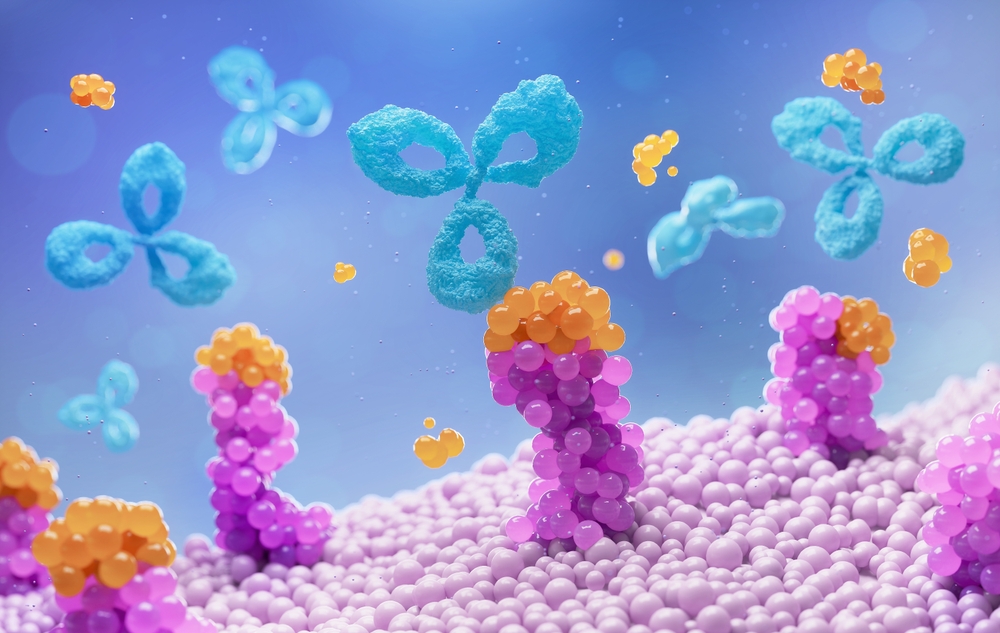
For this trial, researchers engineered the child’s T cells to recognize glypican-3, commonly known as GPC3. The protein is highly expressed in pediatric liver cancers, making it a target that researchers believed could help direct the engineered immune cells toward the tumor.
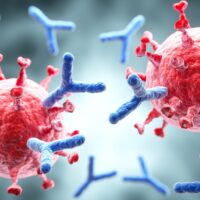
The experimental product was known as GPC3-CAR T cells. The cells contained a chimeric antigen receptor, or CAR, that was designed to recognize GPC3 on cancer cells and trigger an immune attack.
Researchers added further genetic features to the treatment. The engineered cells were designed to produce interleukin-15 and interleukin-21, two immune proteins intended to help the modified T cells survive, expand and maintain their ability to attack tumor cells.
The therapy also contained a safety switch. According to the supplied research material, the mechanism was designed to allow clinicians to eliminate the engineered CAR T cells with an intravenous drug if serious toxicity developed.
That combination was intended to address some of the problems that have limited CAR T-cell therapy against solid tumors. Researchers were attempting to create cells that could recognize the cancer while remaining active long enough to produce a meaningful response.
The First Infusion Showed the Cancer Was Responding

The child received the experimental treatment in an outpatient setting. The first infusion did not immediately eliminate every detectable tumor, but doctors observed evidence that the therapy was affecting the cancer.
CT scans showed the tumors shrinking after the initial dose. Blood tests also showed a decline in alpha-fetoprotein, or AFP, a protein commonly used as a marker of tumor activity in hepatoblastoma.
Those findings indicated a partial response. The result was encouraging enough for the researchers to proceed with a second infusion rather than stopping after the initial treatment.
Eight weeks after the first dose, the child received the second infusion of the experimental CAR T-cell therapy. The researchers then monitored the cancer through follow-up imaging and other clinical assessments.
The next scans produced a dramatically different picture. The previously detectable cancer had disappeared, with only residual scarring remaining in areas where tumors had been located.
The researchers continued to follow the child after the second infusion. At 12 months, the complete regression was still present, with no detectable disease reported.
The Treatment Produced a Complete Response Without Reported Systemic Toxicity
The response itself was notable, but researchers also highlighted how the treatment was delivered. Both infusions took place in an outpatient setting rather than requiring prolonged inpatient treatment.
The case report stated that no dose-limiting toxicity occurred during treatment. Researchers also reported that the child did not develop cytokine release syndrome, a potentially serious immune reaction associated with some CAR T-cell therapies.
Dr. David Steffin, the first author of the case report, described the result in the New England Journal of Medicine report. “This case demonstrates that a durable complete response in a chemotherapy-resistant solid tumor can be achieved entirely in the outpatient setting without systemic toxicity,” Steffin said.
The wording is important because the researchers were describing what happened in this individual case. They were not claiming that the same response will occur in every patient receiving the experimental treatment.
The study was conducted as an early-phase clinical trial, and its findings still need to be tested in additional patients. The absence of serious toxicity in this child is encouraging within the context of the case, but larger studies are required to determine how frequently similar outcomes occur.
Why Solid Tumors Have Been Such a Difficult Target
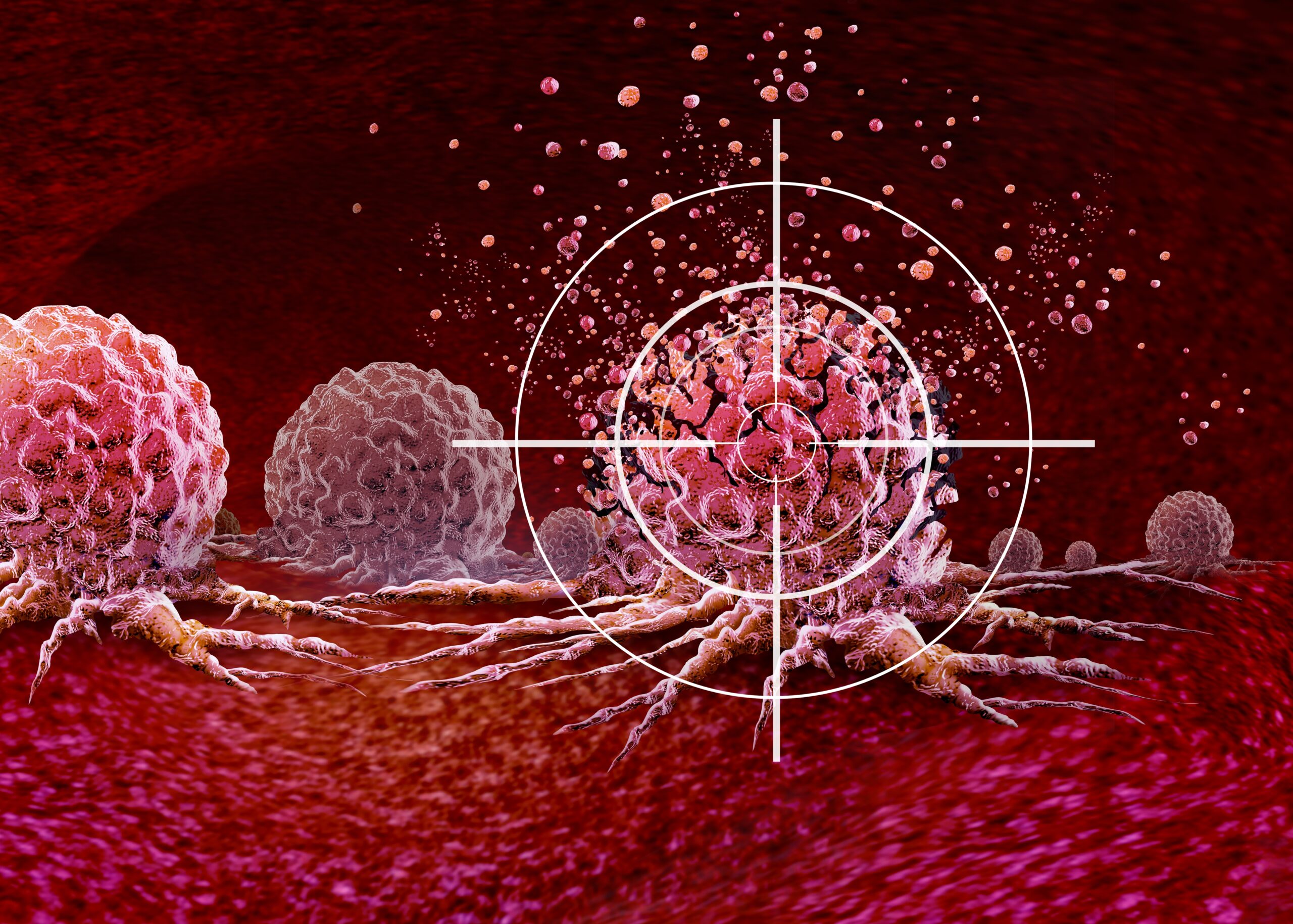
CAR T-cell therapy has become an important treatment approach for certain blood cancers because engineered immune cells can recognize and attack malignant cells throughout the bloodstream and lymphatic system. Solid tumors create a different set of biological and physical obstacles.
One problem is finding a target that clearly separates cancer cells from healthy tissue. CAR T cells are designed to recognize specific molecules, so researchers need targets that are sufficiently present on tumor cells while being limited on important healthy cells.
Another challenge is getting the engineered immune cells into a solid tumor. A blood cancer can be exposed to circulating immune cells, while a tumor embedded in an organ can create barriers that restrict access.
Even after CAR T cells reach a solid tumor, the local environment can interfere with their activity. Tumors can contain signals and cellular conditions that suppress immune responses, potentially reducing the ability of engineered T cells to remain active.
Cancer cells can also vary within the same tumor. If some malignant cells have little or none of the targeted protein, CAR T cells may not recognize those cells effectively.
Researchers therefore have been testing different strategies to improve the performance of CAR T cells against solid tumors. The CARE treatment combined GPC3 targeting with IL-15 and IL-21 in an attempt to improve the persistence and tumor-killing ability of the engineered cells.
GPC3 Gave Researchers a Specific Target

Glypican-3 is a cell-surface protein that is highly expressed in pediatric liver cancers, including hepatoblastoma. Its presence on these cancers has made it a target of interest for researchers developing immune-based treatments.
The basic strategy behind the experimental therapy was to teach the patient’s T cells to recognize this protein. Once engineered with the CAR, the cells could identify GPC3-positive cells and initiate an immune response against them.
The researchers then added IL-15 and IL-21 to the cellular design. These immune proteins were included to support the engineered cells after they were returned to the patient’s body.
The supplied study material describes the approach as an attempt to improve T-cell survival, proliferation and tumor-killing capacity. That additional engineering distinguishes the treatment from simply modifying T cells with a receptor that recognizes GPC3.
The treatment therefore combined several components in one experimental product. The target helped direct the immune cells, while the added immune proteins were intended to help them remain active, and the safety switch provided a mechanism for controlling the engineered cells if necessary.
The child’s response offers evidence that this design can produce a complete response in at least one patient with metastatic hepatoblastoma. Researchers now need to determine whether the same strategy can produce similar results consistently.
The Case Is Encouraging, But It Was One Patient
The most important limitation is also the easiest detail to overlook. The result came from a single child participating in an early-stage Phase 1 clinical trial.
A single case can show researchers that a treatment strategy is capable of producing a particular outcome. It cannot establish how effective the treatment will be across a larger population or identify every possible risk associated with it.
The CARE trial is still an experimental investigation. The treatment is not described in the supplied material as an FDA-approved therapy, and its use remains within clinical research.
There are also questions about durability. The child remained disease-free at the 12-month mark, which is an important follow-up point, but researchers need longer observation to determine whether the remission continues.
Previous GPC3-targeting CAR T-cell research has produced partial responses and disease control, according to the supplied reference material. Consistent complete remissions have been much harder to achieve.
That history makes the child’s response particularly notable while also making caution necessary. Researchers need to establish whether the outcome represents a repeatable effect of the treatment or an unusually strong response in one patient.
Dr. Andras Heczey, a co-author of the report, emphasized the need for further investigation. “This study provides evidence that these novel CAR T cells may be a safe and effective modality for hepatoblastoma and highlights the need for further assessment in patients with GPC3+ solid tumors,” Heczey said.
The researchers’ wording leaves room for both the promise and uncertainty surrounding the result. The treatment may prove useful, but additional patients and longer follow-up are needed before broader conclusions can be drawn.
What Researchers Still Need to Learn
The next stage of research will focus on whether the therapy can reproduce the response seen in this child. Researchers will need to treat additional patients and carefully monitor both tumor responses and potential side effects.
Several questions remain open as the trials continue. Among them are how long the engineered T cells remain active, whether they can consistently reach solid tumors, and whether cancer cells can eventually escape by changing their expression of the targeted protein.
Researchers also need to establish which patients are most likely to benefit from GPC3-targeted therapy. The approach is specifically designed around cancers that express GPC3, so tumor biology will be an important consideration in future studies.
The safety profile will receive close attention as well. Although the child in this case did not experience dose-limiting toxicity or cytokine release syndrome, a larger group of patients could reveal complications that were not apparent in a single case.
The answers will come from continued clinical testing rather than from this case alone. Phase 1 research provides an early look at a treatment, while later studies are needed to determine how well it works and how its risks compare with existing options.

Two Clinical Trials Are Continuing the Research
The CARE study continues to investigate GPC3-targeted CAR T cells for pediatric solid tumors. The trial is associated with Baylor College of Medicine and Texas Children’s Hospital, where researchers developed and tested the experimental approach.
A related clinical trial called IMPACT is also being conducted through Seattle Children’s Hospital. The study is testing a similar strategy in pediatric solid tumors.
These trials could provide the larger patient data needed to understand whether the response observed in the three-year-old can be repeated.
For researchers working on solid tumors, that question is especially important. CAR T-cell therapy has already demonstrated that a patient’s immune system can be genetically redirected to attack cancer, but extending that success to solid tumors has remained a major challenge.
The child’s case gives the field a concrete result to investigate further. It shows that an experimental GPC3-targeted CAR T-cell treatment was followed by complete regression of chemotherapy-resistant metastatic hepatoblastoma after two infusions.
The Result Could Push Solid-Tumor Research Into New Territory
The child’s cancer had returned after chemotherapy and surgery, and another lung metastasis appeared before he entered the experimental trial. After two engineered immune-cell infusions, follow-up imaging showed no detectable disease, and the remission continued for at least 12 months.
That outcome does not establish a new standard treatment. It does, however, give researchers evidence that an engineered immune-cell strategy can produce a durable complete response against a pediatric solid tumor in at least one documented case.
The distinction matters because medical breakthroughs are built through replication. One patient’s extraordinary response can open a door, but larger clinical trials determine whether other patients can walk through it.
For now, researchers have a rare result worth following closely: a treatment designed from a child’s own immune cells, delivered twice in an outpatient setting, followed by complete regression of a cancer that had resisted previous therapy.
The next challenge is no longer simply showing that the approach can work. Researchers now have to find out how often it can work, which patients can benefit, and how long those responses can last.