
For years, scientists have struggled to explain exactly what happens inside the brain during a psychedelic experience. New research combining hundreds of brain scans now suggests the answer may be more complicated than simply saying psychedelics disrupt normal brain activity.
Researchers analyzed more than 500 brain scans from 267 people across 11 independent datasets and five countries. Their findings revealed a pattern shared across several psychedelic drugs, offering researchers a clearer picture of how these substances alter communication throughout the brain.
A New Study Finds A Shared Psychedelic Brain Pattern
The study, published in Nature Medicine, examined the effects of five psychedelic substances: LSD, psilocybin, DMT, mescaline and ayahuasca. Although these drugs have different chemical properties, they all produce psychedelic effects that are strongly associated with activity at the serotonin 5-HT2A receptor.
Rather than studying each drug separately, researchers combined data from multiple investigations and applied a common analytical approach. This allowed them to look for brain changes that repeatedly appeared across different substances, participants and research teams.
The results pointed toward increased communication between higher-order brain networks and sensory networks. Those higher-order systems are involved in functions such as cognition and self-related processing, while sensory networks handle information connected to perception and movement.
The researchers described the overall pattern as a possible “flattening” of the brain’s normal hierarchy. In other words, systems that usually operate with greater separation appeared to communicate differently during psychedelic states.
Why Scientists Previously Got Conflicting Results

Psychedelic neuroscience has produced some seemingly contradictory findings over the years. Several studies have reported reduced connectivity within particular brain networks, while others have found increased communication between networks that normally remain more distinct.
Those findings do not necessarily contradict one another. Brain connectivity can change in several directions at the same time, depending on which networks are being examined and how researchers analyze the data.
The new study attempted to separate the effects that appear consistently across psychedelic drugs from findings that may be specific to individual experiments. Its large combined dataset gave researchers a broader sample from which to identify common patterns.
That approach matters because psychedelic studies can be difficult to design. Participants can often tell that they have taken an active psychedelic, which makes traditional blinding challenging and introduces another limitation researchers must account for.
The Brain May Be Reorganizing Rather Than Simply Shutting Down
One of the simplest assumptions about psychedelics is that unusual perceptions must result from the brain becoming less organized. The growing body of research suggests something more complicated may be happening.
The new analysis found increased communication between higher-order networks and sensory systems, alongside selective changes involving structures such as the thalamus, caudate, putamen and cerebellum. This points toward a broad reorganization of communication rather than a simple decrease in brain activity.
The distinction helps explain why psychedelic experiences can involve dramatic changes in perception and thought. Brain systems that usually process information within relatively defined boundaries may temporarily interact in unfamiliar ways.
Researchers are still cautious about what these connectivity measurements can prove. Functional brain imaging can reveal associations between systems, but it cannot by itself establish exactly which neurological process produces a person’s subjective experience.
Earlier Psilocybin Research Had Already Offered A Clue

The latest findings build on earlier work involving psilocybin, the psychedelic compound found in certain mushrooms. A 2024 Nature study used repeated precision brain scans to examine what happened before, during and after a high dose of psilocybin.
That research found widespread changes in functional connectivity, particularly involving the default mode network. This collection of brain regions has been associated with processes including self-related thinking and internally directed mental activity.
Researchers also found that psilocybin temporarily reduced the usual separation between several brain networks. Some changes involving communication between the default mode network and the hippocampus remained detectable for weeks afterward.
The newer research adds another layer to those findings because it examined several psychedelic substances rather than focusing on psilocybin alone. The similarities across drugs suggest that some large-scale changes could represent a broader feature of the psychedelic state.
Five Psychedelics Helped Researchers See The Common Ground
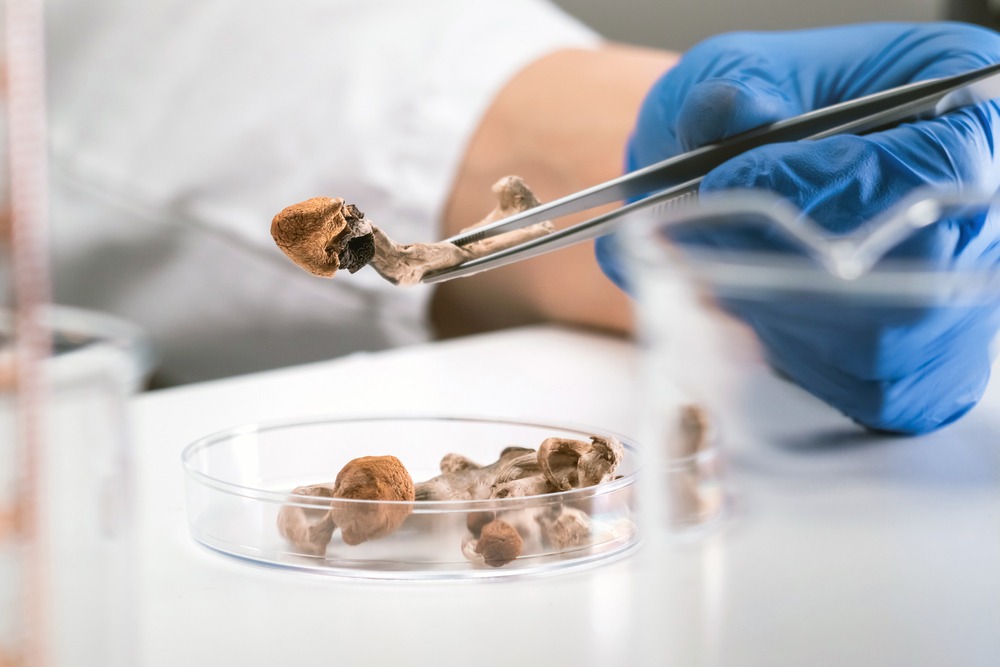
The substances included in the analysis produce psychedelic experiences through different pharmacological pathways, even though they share important biological characteristics. Looking at them together allowed researchers to ask whether a common pattern exists beneath those differences.
The five substances were:
- Psilocybin: The psychedelic compound responsible for the effects of psychedelic mushrooms, producing changes in perception, mood and cognition.
- LSD: A synthetic psychedelic that can produce substantial changes in sensory perception and thought.
- DMT: A naturally occurring psychedelic compound found in various plants and used as part of some traditional preparations.
- Mescaline: A psychedelic compound naturally present in certain species of cactus.
- Ayahuasca: A psychoactive traditional brew that commonly contains DMT alongside compounds that affect how DMT is metabolized.
Finding similarities across these substances does not mean they produce identical experiences or effects. Instead, the research suggests that different psychedelics may share some underlying changes in how large-scale brain networks communicate.
What The Findings Could Mean For Mental Health
The neuroscience is particularly relevant because psychedelic drugs are now being studied for several mental health conditions. Clinical research has investigated substances such as psilocybin for conditions including depression, anxiety and substance-use disorders, although research results vary by condition and study design.
The new brain-imaging findings do not establish that psychedelics are effective treatments for any particular disorder. They may, however, help researchers investigate why some psychedelic-assisted interventions produce psychological changes that can persist beyond the period when the drug is active.
Understanding the brain mechanisms could eventually help researchers distinguish between different parts of the psychedelic experience. That could include identifying which changes are associated with therapeutic effects and which may contribute to unwanted psychological or physiological effects.
There is still considerable uncertainty around those questions. Researchers need controlled clinical studies alongside neuroscience research before conclusions about treatment mechanisms can be established.
There Are Still Major Questions About Psychedelic Effects
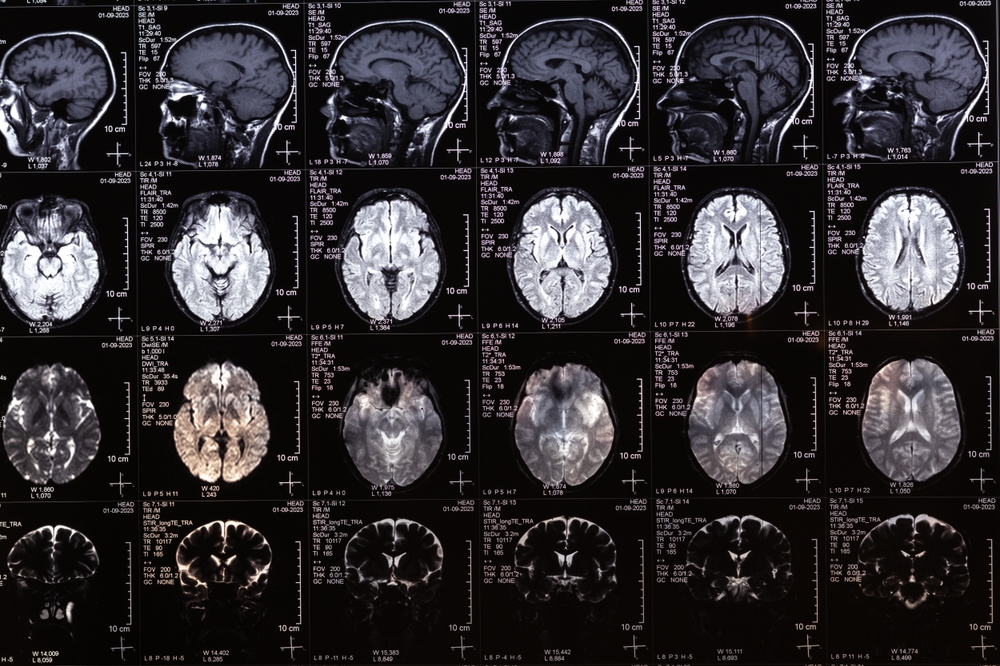
The study offers a stronger picture of psychedelic brain activity, but it does not provide a complete explanation. Brain scans measure particular signals associated with neural activity, and those measurements cannot capture every process occurring at the level of individual neurons.
The researchers also found differences between drugs and brain networks. Some connectivity changes were selective, meaning the effects cannot be reduced to one universal process that affects every part of the brain in exactly the same way.
Another question concerns what happens after the acute psychedelic state ends. Earlier psilocybin research has found that some connectivity changes can persist beyond the immediate experience, but the new analysis primarily examined the acute effects of psychedelic substances.
That leaves researchers with another important challenge: determining which temporary brain changes are simply part of the altered state and which could contribute to longer-lasting psychological changes.
The Psychedelic Brain Looks More Complicated Than Expected
The emerging research is moving away from the idea that psychedelics simply switch normal brain organization off. Instead, scientists are finding evidence that these substances can change how different systems communicate, including systems involved in perception, cognition and self-related processing.
The 2026 analysis found a consistent cross-drug pattern despite differences among the substances and datasets. That gives researchers a more reliable foundation for investigating why psychedelic experiences can feel so different from ordinary waking consciousness.
The biggest unanswered question is no longer whether psychedelics change the brain. Researchers are now trying to determine exactly how those altered connections relate to perception, consciousness and the psychological effects that can remain after the drug has left the body.
That distinction could shape the next phase of psychedelic research, particularly as scientists try to separate fascinating changes in brain connectivity from effects that could have genuine clinical value.