In Ladera Ranch, California, the parks and landscaped spaces that once represented an idyllic childhood have become the focus of unsettling questions. Six local children have reportedly been diagnosed with Ewing sarcoma, a cancer so rare that only a few hundred young people develop it nationwide each year, and one teenager has died. As families press officials to examine a possible cancer cluster and scrutinize pesticide use across the community, a difficult question remains: Is this a devastating coincidence, or a warning hidden in plain sight?
Six Diagnoses Raise an Urgent Question
In Ladera Ranch, a close-knit community in Orange County, families are seeking answers after six local children were diagnosed with Ewing sarcoma, a rare cancer that develops in bone or nearby soft tissue.
One of them was Brody Matteson. Shortly before his 15th birthday, persistent back pain led doctors to find a tumor on his L4 vertebra. Brody later developed acute myeloid leukemia during treatment and died on March 22 at age 17. After his death, his parents learned that five other children in Ladera Ranch had also been diagnosed with Ewing sarcoma.
The number alarmed families because only about 200 to 240 children and teenagers are diagnosed with the disease across the United States each year, according to the American Cancer Society. “Seems very, very out of the ordinary for our community to have that many cases here,” Brody’s father, Dustin Matteson, told NBC Los Angeles.
However, several diagnoses in one area do not automatically establish a cancer cluster. Investigators must confirm the cases and compare them with the number expected for the community’s population, age groups and time period. Orange County health officials said an initial review did not identify a clear pattern, but they plan to examine the data again as concerns continue.
A Rare Cancer With No Clear Cause
Ewing sarcoma is an aggressive cancer that most often begins in bone, although it can also develop in nearby soft tissue. It commonly affects the pelvis, legs, chest, arms or spine and occurs most often among adolescents and young adults.
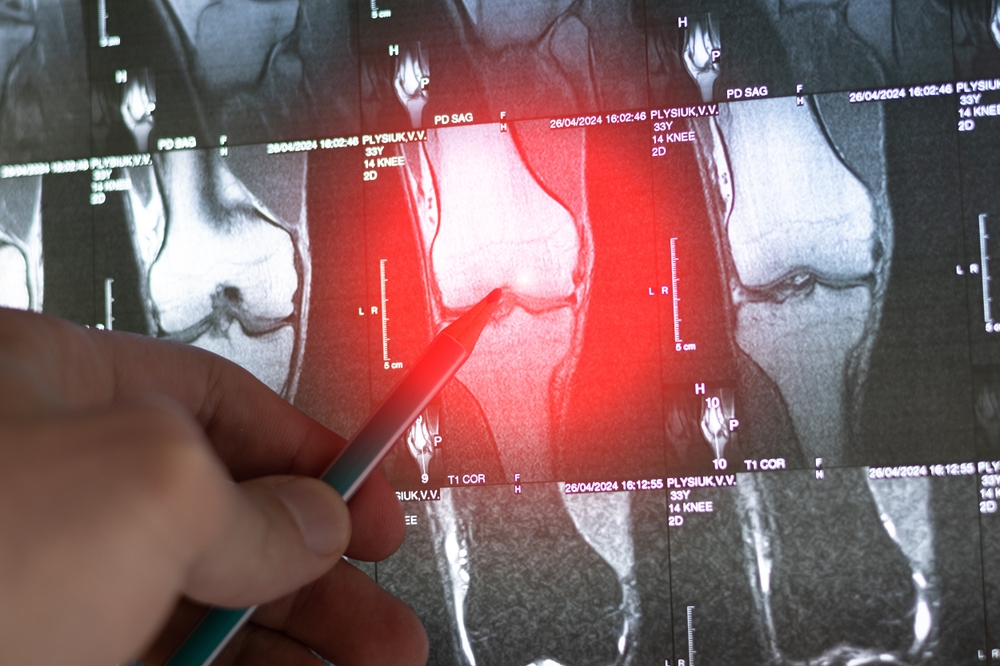
Early symptoms can resemble ordinary injuries or growing pains. Persistent pain, swelling, a noticeable lump, an unexplained fracture or difficulty walking may be the first warning signs. When the tumor develops near the spine, it can also cause back pain, weakness or numbness. Because these symptoms have many more common causes, diagnosis may require imaging scans followed by a biopsy.
Scientists understand some of the cellular changes behind the disease but not what initiates them. According to the American Cancer Society, nearly all Ewing sarcoma cells contain changes involving the EWSR1 gene. These changes develop within individual cells after birth and are not usually inherited. They disrupt normal controls on cell growth, allowing cancerous cells to multiply.
What researchers have not identified is a confirmed lifestyle or environmental trigger. There are currently no established preventable risk factors, making it difficult to explain why one child develops the disease while another does not.
Treatment usually combines chemotherapy with surgery, radiation therapy or both. The approach depends on the tumor’s location, whether it can be removed safely and whether the cancer has spread. The National Cancer Institute recommends that care be planned by specialists experienced in pediatric cancers. This medical uncertainty also explains why the cases in Ladera Ranch require careful investigation rather than an immediate conclusion about their cause.
Concern Extends Beyond the Six Diagnoses

The six reported Ewing sarcoma cases are at the center of the community’s concern, but they are not the only rare childhood cancers that Ladera Ranch families have questioned.
Reese Imhoff was 15 when he died in 2019 after a three-year struggle with osteosarcoma, a different form of bone cancer. His father, Paul Imhoff, told People that he had been raising questions about childhood cancer in the community for years. Reese’s family later created the RISE Foundation in his memory to support other young people facing serious illnesses.
Although cases involving different cancers can deepen public concern, they cannot automatically be combined into one cluster. Ewing sarcoma and osteosarcoma arise from different cells and have distinct biological features. Investigators must examine each diagnosis, the patient’s age, residential history and timing before determining whether the number of related cancers is greater than expected.
Orange County health officials said an initial examination of cancer data did not reveal a specific pattern. However, continued concerns prompted plans for another review.
Families Deserve Answers Grounded in Evidence
Ladera Ranch families should not have to choose between being taken seriously and waiting for careful science. Six diagnoses of an exceptionally rare cancer warrant a transparent review, but the suffering behind those cases must not be used to promote a cause that has not been proven.
The Centers for Disease Control and Prevention defines a cancer cluster as a greater-than-expected number of the same or related cancers occurring within a defined population, location and period. Determining whether Ladera Ranch meets that definition requires more than counting publicly reported cases.
Health officials must verify each diagnosis through cancer registry data, establish where and when patients lived in the community, and compare the number of cases with what would normally be expected among a similar population. If pesticide exposure remains a concern, investigators also need access to product names, application dates, treatment locations and other landscaping records. Individual exposure histories would then have to be evaluated against those records.
The community also deserves regular explanations of what information has been reviewed, what remains missing and why investigators reach their conclusions. The homeowners association’s proposed advisory committee can support that process, but it cannot replace an independent public health assessment.
A Community Waiting for Clarity
The children diagnosed with Ewing sarcoma in Ladera Ranch are more than entries in a public health review. They are young people whose illnesses have altered families, friendships and an entire community. The rarity of the disease makes the six reported diagnoses difficult to ignore, even as the available evidence remains insufficient to confirm a cancer cluster or identify an environmental cause.
What happens next will depend on the quality and transparency of the investigation. Families need verified data, accessible records and clear communication from health officials and community leaders. Answers may not come quickly, and investigators may never identify a single explanation. Still, every credible question deserves careful examination, especially when children’s health and a community’s trust are at stake.