
A woman’s simple yet powerful statement, “I am 55 and I look exactly 55,” has resonated with thousands across the internet. At a time when social media often rewards filtered perfection and unrealistic youth standards, her words feel both refreshing and grounding. Rather than apologizing for aging or trying to justify it, she embraces it with clarity and confidence. That shift in perspective has sparked meaningful conversations about what it really means to grow older in a healthy, balanced, and confident way.
The message goes beyond appearance alone. It invites you to reconsider how you define beauty, vitality, and well-being in your own life. Aging is often framed as something to resist or reverse, yet biologically and emotionally, it is a natural progression that reflects your life experiences, resilience, and personal growth. When you stop fighting that process, you may find that your focus shifts from chasing youth to supporting long-term health and inner balance.
This viral moment also reveals a deeper truth about modern culture. The pressure to appear younger can influence your mental health, your daily habits, and even your physical well-being over time. When your sense of self becomes tied to unrealistic expectations, it can create chronic stress that affects your body from the inside out, often without you realizing it.
By reframing aging as something to respect rather than hide, you open the door to healthier habits, improved self-esteem, and a more grounded approach to wellness. This perspective is not about giving up on self-care or appearance. It is about redefining self-care in a way that aligns with your body’s natural needs and supports you at every stage of life.
Why Society Struggles With Natural Aging
For decades, beauty standards have leaned heavily toward youth, shaping how people perceive themselves and others. From magazine covers to social media feeds, the message has been repeated in subtle and direct ways. Youth is often equated with beauty, and aging is portrayed as something that needs to be corrected, hidden, or slowed down at all costs.
The rise of digital filters, cosmetic procedures, and photo editing tools has intensified this pressure in recent years. When you are constantly exposed to curated and altered images, it becomes difficult to accept natural changes like wrinkles, gray hair, or shifts in body composition. Over time, this exposure can distort your perception of what is normal and what is healthy.
This cultural mindset does not just affect how you look at yourself in the mirror. It can deeply influence your mental well-being and self-worth. Feeling like you must hide signs of aging may lead to anxiety, dissatisfaction, or even withdrawal from social interactions. These emotional effects can gradually build, creating patterns that impact your overall quality of life.
From a health perspective, this becomes even more concerning. Chronic stress linked to body image concerns can contribute to inflammation, disrupted sleep, and hormonal imbalances. When your body remains in a prolonged state of stress, it becomes harder to maintain optimal physical and mental health.
What Happens To Your Body As You Age
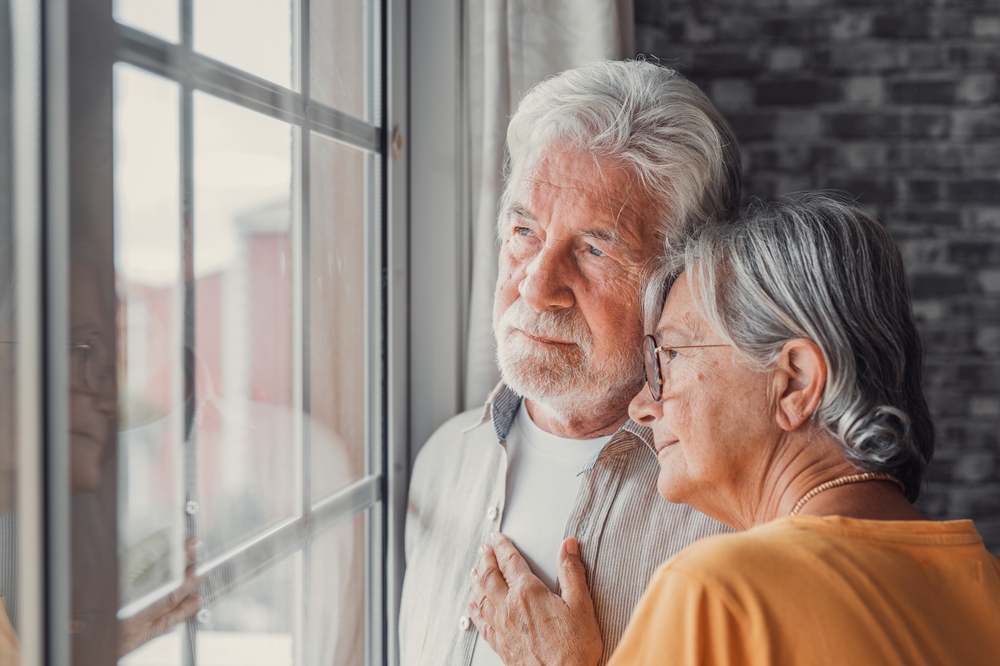
Aging brings a wide range of natural changes to your body, and understanding them can help you respond with awareness instead of resistance. Your metabolism gradually slows, which can affect how your body processes food and stores energy. Muscle mass may decrease over time, and your skin naturally loses some elasticity due to changes in collagen production.
Hormonal shifts also become more noticeable as you age. For women, menopause can influence mood, energy levels, sleep patterns, and bone density. For men, gradual changes in testosterone can affect strength, stamina, and emotional balance. These shifts are part of your body’s internal adjustments and require thoughtful care and attention.
Your digestive system and gut microbiome also change over time. These changes can affect how efficiently your body absorbs nutrients and how well your immune system functions. A balanced gut is closely linked to mental clarity, emotional stability, and overall vitality, making it an important focus for long-term wellness.
Instead of resisting these natural processes, the goal is to adapt to them in a supportive way. When you understand what your body needs at different stages of life, you can make choices that promote strength, stability, and sustained well-being over the years.
The Mental Health Side Of Embracing Your Age
Accepting your age can have a meaningful impact on your mental well-being and emotional balance. When you let go of unrealistic expectations, you reduce the constant pressure to meet them. This creates space for a more peaceful and confident relationship with yourself and your body.
Self-acceptance is closely linked to reduced stress levels and improved emotional regulation. When you feel comfortable in your own skin, your body is less likely to remain in a heightened state of tension. This can positively affect your nervous system, helping you feel calmer and more grounded in daily life.
There is also a deeper sense of identity that develops with age. Your experiences, relationships, challenges, and achievements all contribute to who you are. Embracing your age allows you to value these aspects of your life rather than focusing only on physical changes.
From a holistic health standpoint, mental well-being is just as important as physical health. When you nurture both equally, you build a stronger foundation for long-term wellness, resilience, and overall life satisfaction.
Healthy Aging Starts With Daily Habits
While aging is inevitable, the way you experience it is strongly influenced by your daily habits and lifestyle choices. Small, consistent actions can support your body and mind over time, creating a noticeable difference in how you feel as you grow older.
Nutrition is one of the most important areas to focus on. A diet rich in whole foods, including fruits, vegetables, healthy fats, and fiber, supports cellular health and reduces inflammation. These nutrients help your body function more efficiently and maintain energy levels throughout the day.
Physical activity also contributes significantly to healthy aging. Regular movement helps maintain muscle strength, supports joint flexibility, and improves circulation. It does not have to be intense or time-consuming. Even gentle activities like walking, stretching, or yoga can offer lasting benefits.
Sleep and stress management complete the foundation of healthy habits. Quality sleep supports recovery, cognitive function, and hormonal balance, while stress reduction practices help regulate your nervous system. Together, these habits create a more balanced and sustainable approach to aging.
Aging Well Is About Alignment, Not Perfection
The idea of looking your age is not about neglecting self-care or lowering your standards. It is about aligning your habits with your body’s natural needs rather than chasing an unrealistic image. This perspective encourages a more thoughtful and sustainable approach to health.
When your goals shift from appearance to well-being, your daily choices often become more intentional. You may begin to prioritize nourishing foods, regular movement, meaningful connections, and mental clarity over quick fixes or temporary solutions.
This approach supports long-term health in a practical way. By reducing unnecessary stress and focusing on consistency, you create conditions that allow your body to function more effectively. Over time, this can improve both physical strength and emotional stability.
Aging, when approached with awareness and care, can be a period of growth, reflection, and balance. It offers an opportunity to reconnect with your body and support it in a way that feels realistic, supportive, and sustainable.
The Real Glow Comes From Within
The woman behind the viral statement did more than comment on aging. She challenged a narrative that many people have accepted without questioning it. Her words serve as a reminder that authenticity often carries more impact than perfection.
When you embrace your age, you shift your focus away from comparison and toward self-awareness. This change can influence your habits, your mindset, and your overall health in meaningful ways. Over time, these internal changes often reflect outwardly.
True wellness is not about looking younger or meeting a specific standard. It is about feeling balanced, energized, and confident in your own body. That sense of well-being cannot be recreated through filters or external validation.
By choosing to support your health and accept your natural progression, you create a version of beauty that feels genuine and sustainable. This is where confidence becomes lasting and deeply rooted.
Sources
- Harvard Health Publishing. (2023). The gut-brain connection. https://www.health.harvard.edu
- Cryan, J. F., et al. (2019). The microbiota-gut-brain axis. Physiological Reviews, 99(4). https://doi.org/10.1152/physrev.00018.2018
- Mayo Clinic. (2022). Healthy aging. https://www.mayoclinic.org
- National Institute on Aging. (2021). What do we know about healthy aging? https://www.nia.nih.gov
- American Psychological Association. (2020). Stress effects on the body. https://www.apa.org