
Long COVID has lingered like a mystery that refuses to be solved. For millions of people across the world, the end of their initial COVID-19 infection did not mark the end of their symptoms. Instead, new challenges emerged, ranging from fatigue and brain fog to shortness of breath, nerve pain, gastrointestinal problems and a frustrating sense that their bodies were working against them. While doctors searched for answers, patients often felt caught between disbelief, uncertainty and a lack of measurable medical explanations.
Today, science is shifting. A growing wave of research from institutions such as Harvard Medical School, Brigham and Women’s Hospital, Karolinska Institutet, Stanford University and several international collaborations is painting a far clearer picture. The most striking finding is the consistent presence of viral proteins in the blood of many people who experience long COVID symptoms. These proteins remain detectable months after the original infection and provide new clues into what may be driving the persistence of illness.
This article weaves together insights from several major studies and explores how viral reservoirs, inflammatory pathways, biomarkers and immune responses may be converging into a unifying explanation. It also discusses why these discoveries matter for diagnosis, treatment and for the personal experiences of those still seeking recovery.
A Closer Look at Viral Reservoirs
One of the most groundbreaking developments in long COVID research is the evidence that parts of the SARS-CoV-2 virus may persist in the body long after the initial infection has cleared. This persistence does not necessarily mean active viral replication in the traditional sense. Instead, viral proteins or fragments appear to linger in specific tissues where they continue to provoke immune responses.
Researchers from Harvard Medical School and the Ragon Institute examined blood plasma from individuals with long COVID and compared it with samples from people who recovered fully after their infection. The investigation focused on three antigens: the full spike protein, the S1 subunit of the spike protein and the nucleocapsid.
Their discovery was striking. Spike protein was present in approximately 60 percent of long COVID patients up to a year after diagnosis. In contrast, it was completely absent in patients who had recovered normally. While the S1 subunit and nucleocapsid appeared transiently during acute infection, their levels dropped rapidly and were not found months later in typical recovery cases.
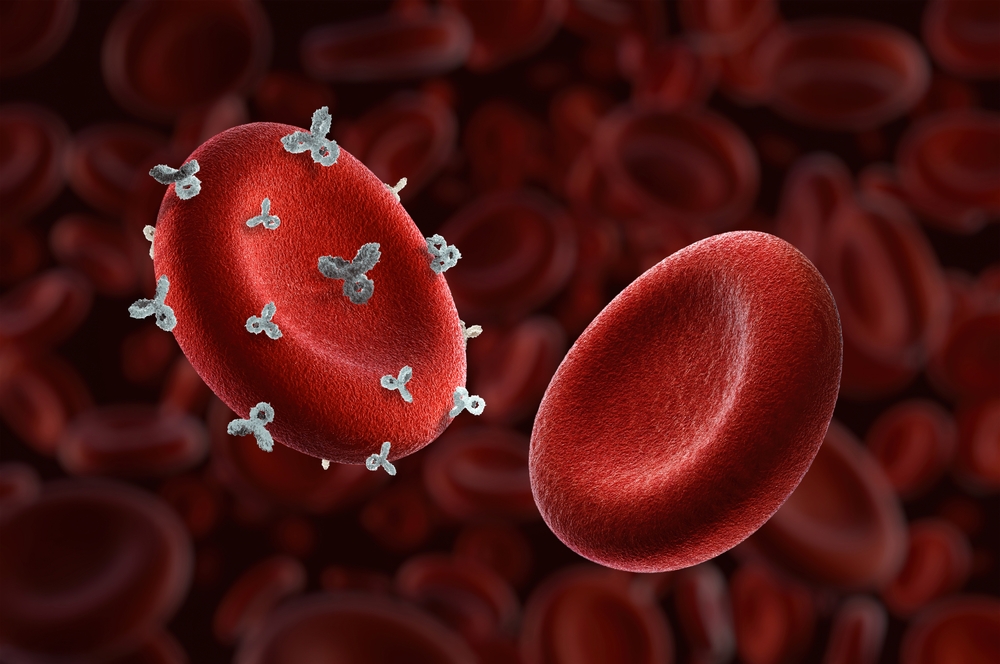
The presence of spike protein months after infection supports the hypothesis of a viral reservoir. Experts such as Dr. John P. Moore of Weill Cornell Medicine noted that spike protein in the bloodstream likely signals persistent viral activity somewhere in the body. Since the half life of spike protein is short, its appearance long after infection suggests ongoing release from infected or previously infected cells.
Several studies have pointed to the gastrointestinal tract as a likely location for these viral reservoirs. Research from Stanford University found that roughly 4 percent of individuals with mild or moderate COVID-19 continued shedding viral RNA in their stools seven months after their infection. Many of these individuals also reported ongoing gastrointestinal symptoms, strengthening the link between viral persistence and symptomatic long COVID.
Taken together, these findings suggest that the gut, with its expansive surface area and complex immune interactions, may provide a hiding place for remnants of the virus. This could explain why symptoms can affect multiple organ systems. A low-grade, ongoing immune response may be triggered each time viral fragments leak into the bloodstream.
Cutting Edge Biomarker Research
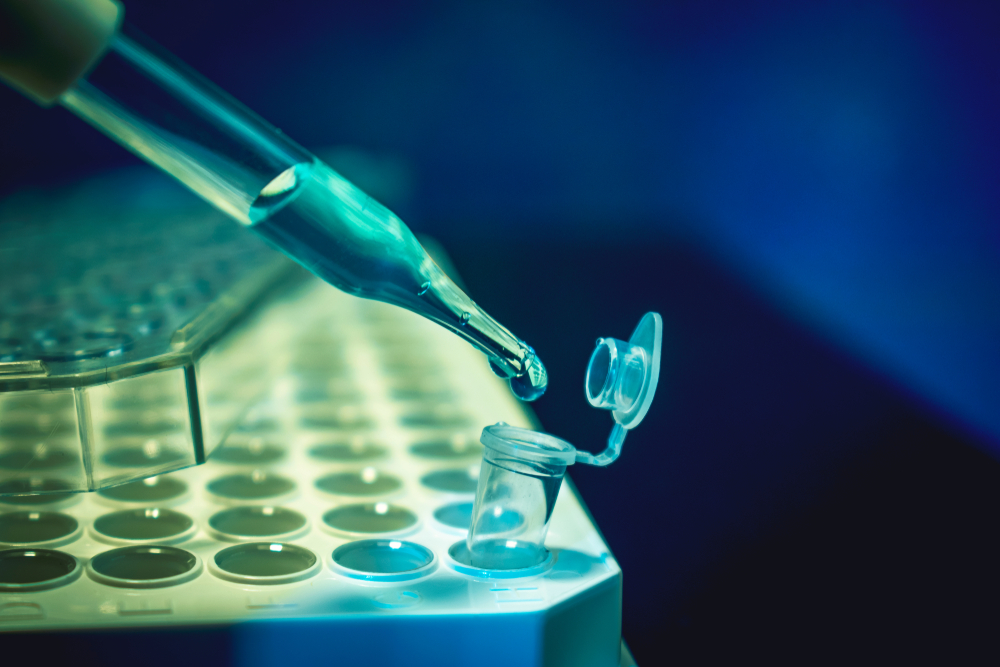
Identifying measurable biological markers is crucial for diagnosing any medical condition. Long COVID has been notoriously difficult to diagnose because symptoms vary widely, and conventional tests often show little. But new biomarker studies are beginning to change that.
Researchers from Karolinska Institutet and Cardiff University conducted an in-depth analysis of blood samples from people with long COVID, particularly those suffering from severe respiratory issues. Their work uncovered a distinct pattern of proteins linked to inflammation, cell death pathways and lung damage. These proteins were absent in people who fully recovered from COVID-19.
This discovery is important for two reasons. First, it helps confirm that long COVID is associated with real, measurable biological changes rather than subjective symptoms alone. Second, it forms the basis for future diagnostic tools. If clinicians can test for these specific molecules, they may eventually distinguish long COVID from other conditions that share similar symptoms.
Another major study from Brigham and Women’s Hospital found that individuals with long COVID symptoms spanning multiple organ systems were roughly twice as likely to have SARS-CoV-2 proteins circulating in their blood. Researchers analyzed more than fifteen hundred blood samples using ultrasensitive tests capable of detecting single molecules.
How Viral Proteins May Trigger Symptoms

The question many patients and clinicians ask is simple: how do tiny pieces of virus cause such widespread symptoms months or even years after infection? Scientific findings suggest several interconnected mechanisms.
Immune Activation and Chronic Inflammation
Viral fragments, especially the spike protein, appear to act as ongoing triggers for the immune system. Experts such as Dr. Andrew Pekosz from Johns Hopkins University explain that even low level persistence of infected cells or viral proteins can repeatedly activate the immune system. This activation may not be strong enough to cause acute illness but can maintain a chronic inflammatory state.
Chronic inflammation affects many body systems. It can disrupt sleep, cognition, gut function, breathing and circulation. Persistent immune signaling may explain why symptoms drift from one organ system to another without clear patterns.
Neurological Effects of Spike Protein
Long COVID is often marked by cognitive issues such as brain fog, memory problems and difficulty concentrating. Research has shown that the spike protein can interact with brain endothelial cells and may cross or weaken the blood brain barrier. It can activate microglia, the brain’s immune cells, and trigger inflammatory pathways.
Even without live virus present, these interactions can disturb normal neurological function. In essence, the presence of spike protein alone can be enough to alter signaling and energy metabolism within brain tissues.
Microvascular Stress and Blood Vessel Changes
Another line of research has highlighted vascular biomarkers such as ANG 1 and P SEL. Elevated levels of these molecules indicate persistent stress and remodeling in the body’s smallest blood vessels. Since microvessels supply oxygen and nutrients to every organ, disruptions at this level can lead to fatigue, headaches, dizziness and exercise intolerance.
These findings complement the viral reservoir hypothesis. If viral fragments continue activating immune pathways, the body’s microvascular network may remain in a state of ongoing repair. This could be one of the reasons long COVID symptoms fluctuate or worsen with physical exertion.
A Multifaceted Condition with More Than One Cause
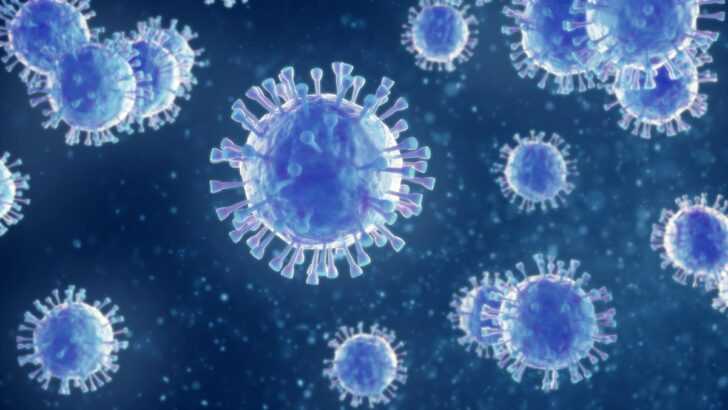
One of the challenges in long COVID research is the diversity of symptoms and experiences among patients. Some people experience only one or two lingering issues while others struggle with dozens of symptoms spanning months or years. Research teams across studies have noted that viral persistence may not be the only mechanism at play.
For some individuals, the initial infection may disrupt immune balance even after the virus has cleared. This dysfunction can resemble conditions like myalgic encephalomyelitis or mast cell activation syndrome. These conditions involve hypersensitivity, poor energy regulation and difficulty returning the body to a state of homeostasis.
Some long COVID symptoms may arise from tissue damage inflicted during the initial infection. For example, lung tissues may require extended healing time. Similarly, cardiovascular inflammation could leave lasting effects even after the virus disappears.
Living through illness also brings psychological stress, which can amplify physical symptoms. This does not mean long COVID is psychosomatic but rather that mind and body interact in complex ways. A chronic illness can deepen fatigue, reduce resilience and make recovery more challenging.
Toward Better Diagnosis and Treatment
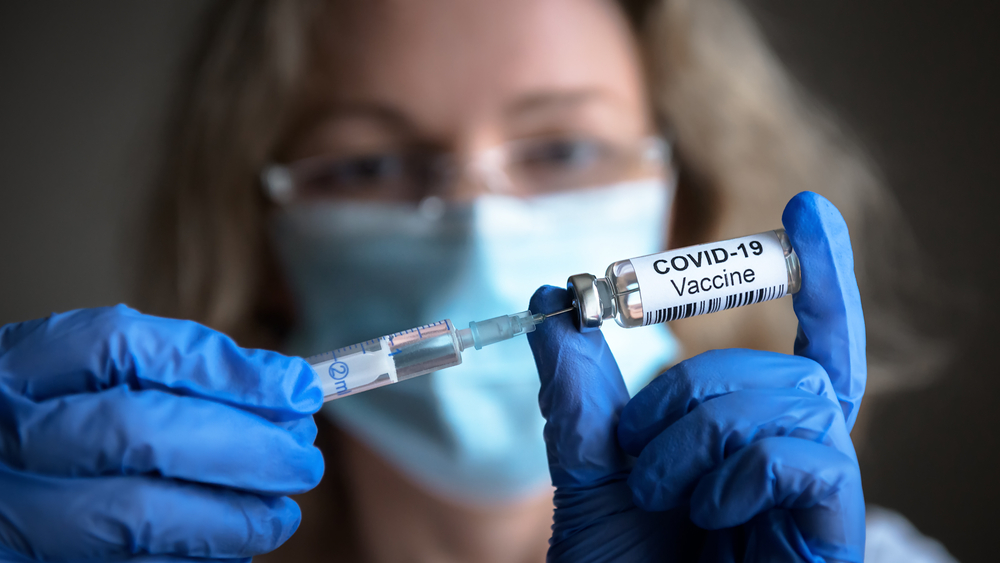
As research evolves, the goal is not only to understand the biology of long COVID but also to translate discoveries into practical pathways for healing.
Developing Diagnostic Tools
The identification of spike protein and other viral antigens in the blood of long COVID patients points toward the possibility of a simple blood test. Such a test could help clinicians confirm long COVID, rule out other conditions and tailor treatments.
Biomarker profiles from Karolinska Institutet, Brigham and Women’s Hospital and Harvard provide multiple candidates for diagnostic development. Future testing may combine several biomarkers to increase accuracy.
Antiviral Treatments
If persistent viral reservoirs are responsible for a significant portion of long COVID cases, antiviral medications may offer relief. Trials such as RECOVER VITAL are exploring whether antiviral therapies can reduce viral proteins in the blood and improve symptoms.
This approach is promising because it targets one of the potential root causes rather than only managing symptoms.
Calming Immune Responses and Supporting Recovery
Other treatment pathways focus on reducing inflammation, stabilizing blood vessels and restoring immune balance. Therapies under investigation include anti-inflammatory medications, mast cell stabilizers and low-dose naltrexone.
Lifestyle interventions may also play a role. Practices such as gentle movement, breathwork and nervous system retraining can support autonomic regulation and complement medical treatments.
What These Findings Mean for Patients
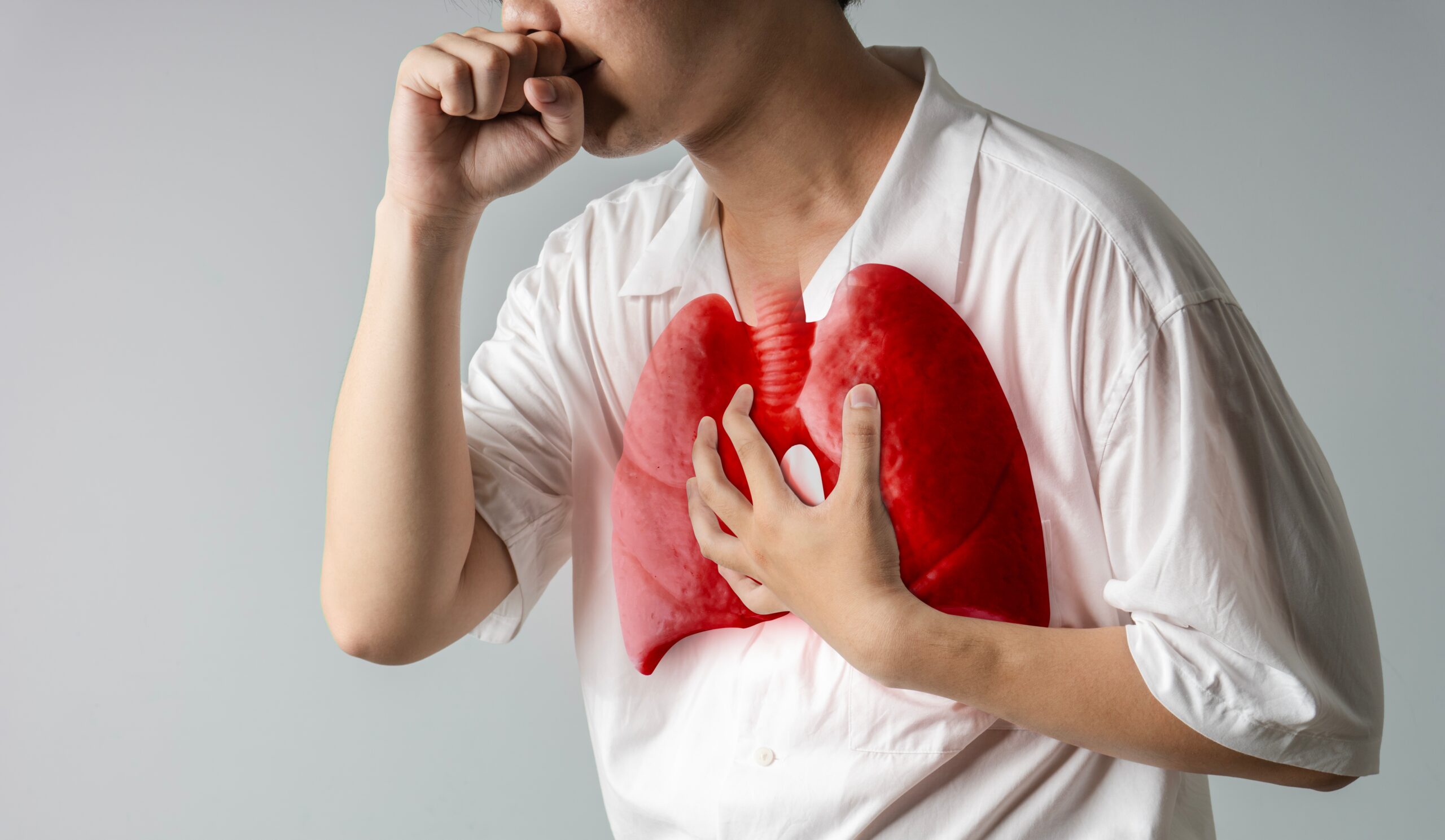
For many people who have experienced long COVID, scientific validation carries emotional significance. Years of vague tests, inconsistent medical opinions and public misunderstanding have left many feeling unheard. The discovery of viral proteins and measurable biomarkers confirms something they have known all along. Their symptoms are real, physiological and deserving of focused care.
Understanding the biological mechanisms also helps patients make sense of complex symptom patterns. It offers a narrative anchored in science rather than uncertainty. This clarity can provide hope and direction for people navigating diagnosis, treatment and recovery.
The Bigger Picture and Future Directions
Long COVID is shaping medical understanding in ways that extend beyond a single disease. It challenges traditional assumptions about how viruses behave and how the immune system works. It highlights the importance of long-term monitoring and the need for integrated approaches to chronic illness.
Future research will likely explore several key questions.
- Where exactly are the viral reservoirs located in long COVID patients.
- Why do some individuals develop persistent symptoms while others recover quickly.
- Can antiviral therapies eliminate viral fragments and resolve symptoms.
- How do immune dysfunction, tissue damage and psychological factors interact.
- What role do genetics, pre existing conditions and lifestyle factors play.
Answering these questions will require collaboration across virology, immunology, neurology, cardiology and public health. The scale of long COVID makes it one of the most important medical challenges of our time.
Why These Discoveries Matter
The discovery of viral proteins in the blood of long COVID patients marks a turning point in understanding this complex condition. Evidence from multiple studies indicates that viral reservoirs, persistent fragments, immune activation and vascular changes may all contribute to the long-lasting symptoms experienced by millions.
While much remains to be learned, these findings provide a foundation for new diagnostic tools and targeted treatments. They also offer validation and hope for those who have endured months or years of unexplained illness.
Long COVID is real, measurable and rooted in physiological processes that science is finally beginning to unravel. As research continues to illuminate the pathways behind this condition, patients and clinicians can move toward recovery with greater clarity and confidence.


zaltixsoftsolutions
Monday 15th of December 2025
This critical article dives into the emerging scientific theory that persistent viral proteins, rather than the live virus, may be the root cause of Long COVID symptoms, offering a vital new direction for diagnosis and treatment research