Osteoporosis has long been seen as a condition that can be managed but not cured. It causes bones to become thin, weak, and fragile, making them more likely to break even from minor falls or pressure. The disease affects over 200 million people worldwide, especially women after menopause, and can have a major impact on mobility, independence, and quality of life. But new research may change how we understand bone health. Scientists have discovered a molecular pathway that could not only stop bone loss but also help rebuild bone that has already been lost.
Why Osteoporosis Has Been So Hard to Treat

Our bones are not fixed or solid structures. They are living, active tissues that constantly rebuild themselves. Two kinds of cells make this happen: osteoclasts, which remove old or damaged bone, and osteoblasts, which create new bone tissue. In a healthy body, these two processes are balanced so that old bone is replaced at the same rate it is removed.
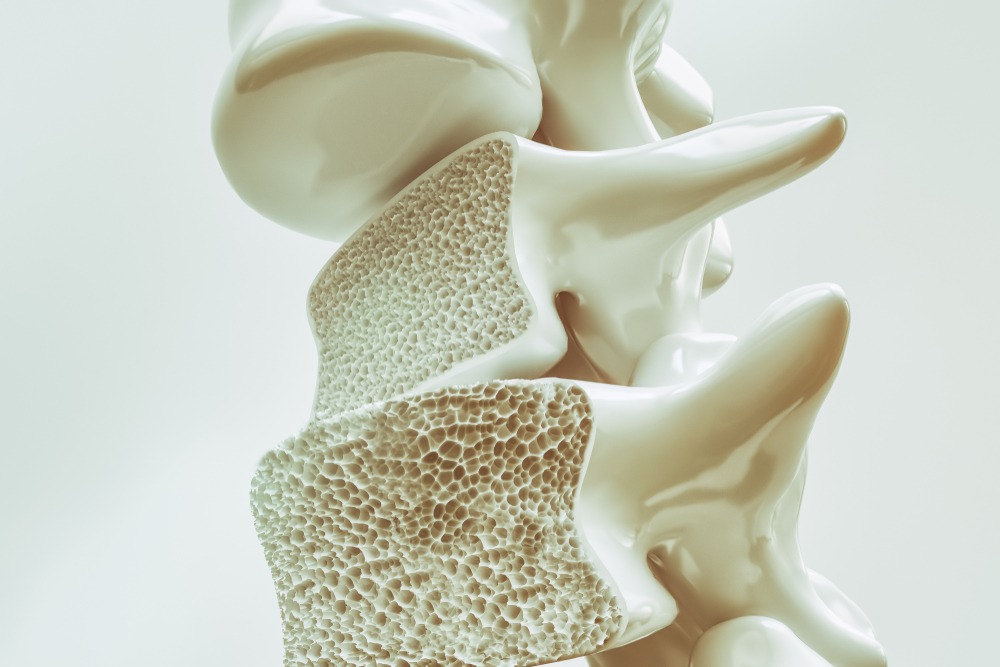
As people age, this balance starts to shift. Hormonal changes, reduced movement, and poor diet lead to slower bone formation and faster breakdown. Over time, bones lose density and become more porous. The result is osteoporosis.
Current treatments focus on slowing down bone loss or encouraging short bursts of bone formation. For example:
Anti-resorptive drugs, such as bisphosphonates and denosumab, slow down the cells that break down bone.
Anabolic drugs, like teriparatide and romosozumab, help the body make new bone for a limited time.
While these drugs reduce fracture risk, they don’t rebuild the bone structure that has already been lost. They work more like short-term patches rather than long-term repairs. This is why scientists have been searching for therapies that can help the body regenerate bone naturally and restore its original strength.
To understand why this has been so challenging, it helps to look at what drives bone remodeling in the first place. The process depends heavily on hormones such as estrogen, which protects bone density, and on mechanical stress, the physical pressure your body puts on bones during movement. When estrogen levels drop after menopause, and when movement decreases with age or illness, the bone-building process slows down. Over time, bone resorption outpaces bone formation, and the skeleton weakens.
The Discovery That Could Redefine Bone Health

A new discovery in bone biology may finally change the game. Researchers have identified a receptor called GPR133, a kind of molecular switch located in bone-forming cells. This receptor acts like a sensor that reacts to physical movement and pressure. When you walk, lift weights, or even stand up, the stress placed on your bones activates this receptor. In response, it sends a signal to your cells to build stronger bone tissue.
In lab experiments, scientists developed a compound called AP503 that can switch on this receptor even without physical pressure. In animal studies where the subjects had severe osteoporosis, AP503 restored bone strength and density to near-normal levels. This marked a major milestone because the compound both halted bone loss and triggered new bone formation.
This approach differs from older drugs that only work on one part of the bone cycle. Instead, GPR133 activation seems to bring the entire bone remodeling system back into balance, helping bone-building cells function more efficiently while also calming down the overactive bone-resorbing cells. This dual action makes the treatment both regenerative and protective.
What’s even more exciting is that when AP503 was combined with physical activity, the effects were stronger. The treatment worked with the body’s natural bone-building signals instead of overriding them. This suggests that in the future, osteoporosis therapy could be paired with lifestyle interventions such as gentle exercise for even better outcomes.
How This New Discovery Helps Bones Grow Back Stronger
To understand how this works, think of the GPR133 receptor as a communication device inside your bones. It senses both movement and molecular signals. When triggered, either through exercise or with AP503, it activates a series of reactions inside bone-building cells that increase a chemical messenger called cAMP. This messenger tells the cell to start producing proteins that help form new bone tissue.
The process also activates another important system in the body called the beta-catenin pathway, which controls how bone and connective tissues grow. By turning on these signals, GPR133 helps the body strengthen bones from within, just as it would during regular weight-bearing activity.
What makes this pathway stand out is its precision. Unlike traditional anabolic therapies that broadly stimulate bone formation, GPR133 activation occurs only when the body’s cells detect the right physical and biochemical context. In simple terms, the therapy works by supporting the body’s own bone-building process rather than pushing uncontrolled growth.
This discovery means that even people who are unable to do strenuous exercise, such as older adults, people with mobility issues, or those recovering from injuries, could potentially benefit from treatments that mimic the effects of physical movement. Scientists are calling this concept “exercise mimetic therapy.”
Stronger Bones, Longer Life

Osteoporosis doesn’t exist in isolation. It often occurs alongside sarcopenia, a condition that causes muscle loss and weakness with age. Together, these two conditions increase the risk of falls and fractures, making recovery much more difficult. Early research shows that activating the GPR133 pathway might not only strengthen bones but also improve muscle function. This could mean a single treatment that helps protect both muscle and bone health.
This kind of therapy could transform how we think about aging. Instead of simply slowing decline, it could help restore strength, coordination, and balance. It might allow older adults to remain independent for longer, reduce hospitalizations from fractures, and improve overall quality of life.
Scientists believe this dual effect happens because muscles and bones communicate constantly. When bones become stronger and more responsive, muscles tend to function better as well. This connection could lead to a new type of therapy that treats both muscle and bone degeneration together, a major step forward for aging populations.
While this research is still in early stages and human trials have not yet begun, it represents a hopeful direction for medicine. For the first time, scientists are exploring how to trigger the body’s own regenerative systems to rebuild what was once thought to be permanently lost.
Everyday Habits That Support Stronger Bones
While scientists continue to explore new therapies, daily habits still play a powerful role in bone strength. Lifestyle choices act as the first line of defense and the foundation for any future treatment.
Regular physical activity, nutrient-rich foods, and mindful daily routines all help preserve bone density and flexibility. Movement keeps bone-building cells active, while the right nutrients provide the raw materials they need.
- Move Daily: Weight-bearing activities such as walking, yoga, or light resistance exercises keep bones strong and joints flexible.
- Eat for Bone Health: Include foods high in calcium, magnesium, and vitamin D, like leafy greens, tofu, nuts, seeds, and dairy.
- Get Enough Sunlight: Natural sunlight helps your body make vitamin D, which allows you to absorb calcium effectively.
- Limit Alcohol and Quit Smoking: Both habits interfere with nutrient absorption and weaken bone tissue over time.
- Even simple actions, like taking the stairs, stretching, or spending a few minutes outdoors, add up. Consistency matters more than intensity. Over time, these small choices combine to protect and strengthen your bones naturally.
A New Era in Bone Health

The discovery of the GPR133 pathway signals a hopeful new chapter for people living with osteoporosis. For the first time, scientists are not just aiming to slow the disease, but to reverse it. That possibility reshapes what aging and bone health could mean in the coming years.
If future trials confirm what early studies suggest, this approach may help millions rebuild lost bone and regain strength that once seemed gone for good. It’s a reminder that science and the human body share a powerful truth: both are capable of renewal.
Until this therapy becomes a reality, every person can still take small steps to protect their bones and mobility. Move daily, eat well, and stay active in whatever way you can. Each action sends a signal to your body that strength is still being built. The future of bone health is shifting toward regeneration and the idea that the body can repair itself from within.