Plant-based meat alternatives have become increasingly familiar to grocery shoppers, offering substitutes for everything from burgers to chicken nuggets. Now, a new food technology is bringing plant-based steak, chicken breast, and salmon alternatives to selected U.S. stores, using 3D printing to recreate the appearance and texture of conventional meat.
Israeli food technology company Steakholder Foods has launched its Perfecta brand in the northeastern United States, introducing five products designed to resemble traditional meat and seafood. While the technology could expand food choices, nutrition experts say consumers should pay attention to ingredients, nutritional value, and processing before making these products a regular part of their diets.
What Is 3D-Printed Meat and How Is It Made?
Steakholder Foods uses specialized 3D-printing technology to shape food ingredients into meat alternatives that resemble conventional cuts. Instead of producing a uniform mixture, the process can arrange proteins and fats into more complex structures, potentially creating textures that are difficult to achieve through traditional manufacturing methods.
According to the company, Perfecta products use plant proteins such as soy and pea, natural fats, and flavor enhancers intended to reproduce the taste and texture of meat. The company also describes a combination of plant-based and cultivated ingredients in its product information, although the composition can vary by product.
The initial Perfecta range includes five products: plant-based chicken breast, filet mignon, marbled steak, salmon patties, and white fish patties. Each is designed to offer an alternative to a familiar animal-based food, giving shoppers more options beyond the burgers, sausages, and nuggets that have dominated much of the plant-based meat market.
Food scientist Bryan Quoc Le told The Independent that companies are interested in using 3D printing to create shapes and textures that conventional extrusion methods cannot easily reproduce. That capability could allow manufacturers to create plant-based products with structures resembling the fibers and fat distribution of whole cuts of meat.
The distinction is important because 3D printing describes a production technique, not a nutritional category. The finished product’s health value still depends on its ingredients, nutrient content, and how it fits into an individual’s overall diet.
Which Products Are Reaching U.S. Grocery Stores?
Steakholder Foods announced the U.S. commercial rollout of Perfecta in September 2026, beginning with selected retailers in the Northeast. The company appointed KeHE Distributors to help distribute the products, with expansion dependent on consumer demand and the development of its retail network.
According to the supplied reporting, the brand has reached approximately 30 to 35 stores in the region. However, the company has not published a comprehensive list of participating retailers, so shoppers may find it difficult to confirm whether the products are available at their local grocery store.
Some Perfecta products have appeared in online grocery listings, but a listing does not necessarily mean an item is in stock or available for delivery in every area. Consumers should check local availability before making a special trip.
The company has also indicated that it intends to expand into additional markets and introduce more whole-cut products. Its broader commercial challenge will be persuading consumers that the new technology offers enough value to justify trying a product that may cost more than familiar alternatives.
Industry experts have identified production speed, specialized equipment, and manufacturing costs as obstacles to bringing 3D-printed meat to a larger market. Higher production volumes could eventually reduce costs, but widespread affordability remains uncertain.
For shoppers, price will be one factor to consider alongside taste, nutrition, and convenience. A product that looks like steak may attract curiosity, but its long-term place in the grocery aisle will depend on whether consumers find it worth buying again.
Does 3D-Printed Meat Have Better Nutritional Value?
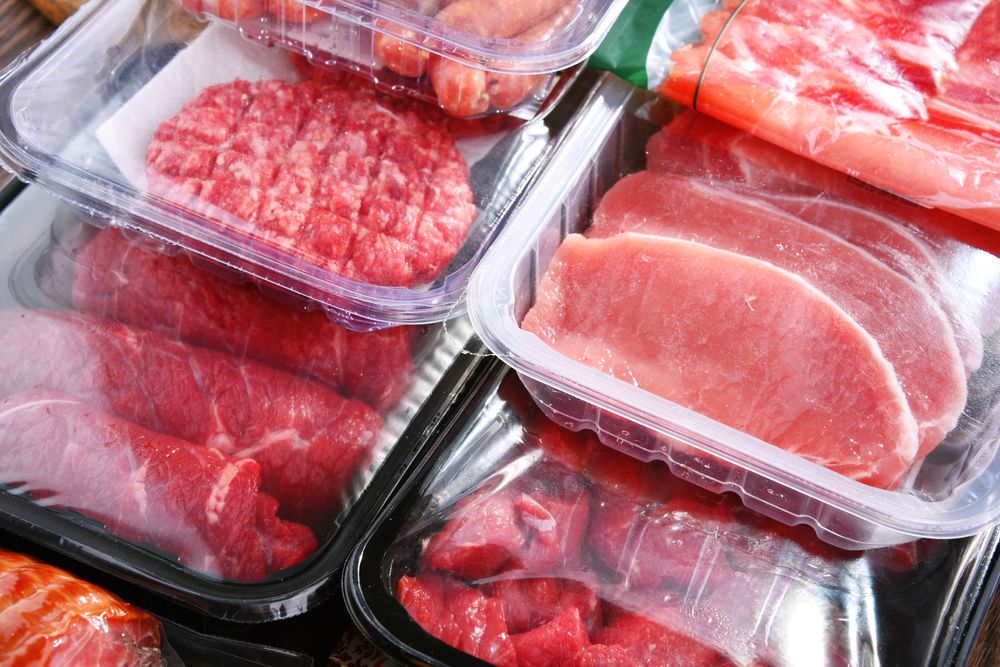
The nutritional value of 3D-printed meat depends on its formulation rather than the printing process itself. Although manufacturers can control the amounts of protein, fat, and fiber in a product, the presence of those nutrients does not tell the whole story.
Registered dietitian Megan Wroe of Providence St. Jude Medical Center told The Independent that research into the health effects of 3D-printed foods remains limited. She explained that macronutrients can be controlled during production, while evidence concerning vitamins and minerals is less established.
Macronutrients include protein, carbohydrates, and fat, which provide energy and support essential bodily functions. Micronutrients, including vitamins and minerals, are needed in smaller amounts but remain important for processes such as bone health, immune function, and the production of red blood cells.
A plant-based steak could provide a useful amount of protein while containing relatively little fiber or limited amounts of certain micronutrients. Another product might be fortified to provide additional nutrients. The name and appearance of a food cannot establish which nutritional profile it offers.
Research into established plant-based meat alternatives has explored how their nutritional composition compares with conventional meat. However, those findings cannot automatically be applied to newer 3D-printed products, particularly when their formulations and manufacturing processes differ.
Consumers should therefore avoid assuming that 3D-printed meat is healthier simply because it is plant-based. They should also avoid assuming that the technology makes the food harmful. More product-specific nutritional information and research are needed to make reliable comparisons.
What to Check on the Nutrition Facts Label

Reading the nutrition label is one of the most practical ways to determine whether a new meat alternative suits your dietary needs. Comparing products on a serving-by-serving basis can reveal differences that packaging and marketing descriptions may not make obvious.
Protein is a useful starting point, particularly for people using meat alternatives to replace chicken, fish, or beef. Check the amount per serving and compare it with other foods you regularly eat. The source of the protein also matters if you have allergies or follow particular dietary restrictions.
Sodium deserves attention as well, because some processed meat substitutes contain substantial amounts of salt. People monitoring their sodium intake should compare labels rather than assuming all plant-based products are similar.
Saturated fat, fiber, and added nutrients are also worth checking. Depending on the ingredients, a product may provide fiber while containing relatively little saturated fat, or it may have a different nutritional profile from what shoppers expect.
Before buying a 3D-printed product, review these details:
- Protein content: Check the amount per serving and compare it with other protein sources in your diet.
- Sodium levels: Compare products if you are trying to limit sodium intake.
- Saturated fat: Review the amount and consider the type of fat used in the formulation.
- Fiber content: Check whether the product contributes meaningful fiber to your meals.
- Vitamins and minerals: Look for nutrients such as iron, vitamin B12, and calcium when they are relevant to your dietary needs.
- Ingredients and allergens: Review the protein sources, oils, binders, flavorings, and allergen declarations before purchasing.
These checks are especially useful for people who rely on meat substitutes regularly. A product can resemble an animal-based food while offering a substantially different combination of nutrients.
Why Experts Are Questioning the Ingredients
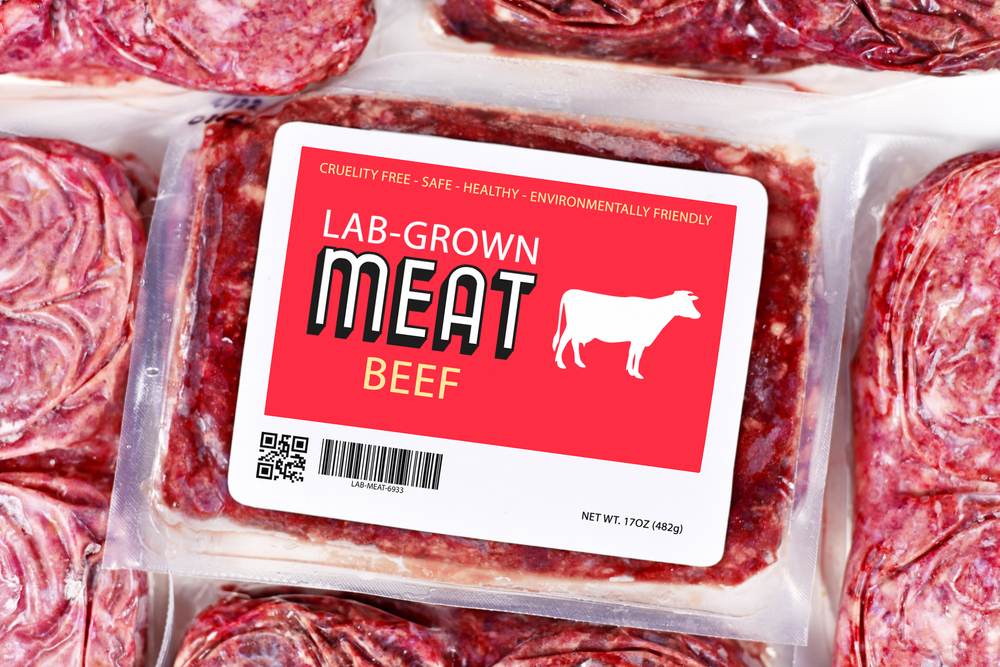
One concern raised by nutrition experts is the possibility that some 3D-printed meat alternatives may rely on highly processed formulations. Creating a product that holds its shape during printing and cooking can require a combination of proteins, oils, starches, binders, and flavorings.
Wroe told The Independent that she was concerned about ingredient lists containing soy flour, oils, binding agents, and flavorings. Although the macronutrient figures might appear reasonable, she questioned whether such products would provide the micronutrient quality she wants to see in foods recommended to her clients.
Food scientist Bryan Quoc Le also explained that some plant-based materials may require additives to maintain their structure during the printing process. Ingredients that work well in a conventional mixture may not necessarily produce the consistency required by specialized printing equipment.
Processing alone, however, does not establish whether a food is healthy or unhealthy. Different manufacturing techniques can serve practical purposes, and the finished product must be evaluated according to its nutritional composition and intended use.
For consumers, the more useful question is whether the ingredient list supports their dietary goals. A product providing adequate protein may still be relatively low in fiber or certain micronutrients, while another product with a similar appearance could have a different nutritional profile.
People looking for straightforward protein options can also consider beans, lentils, chickpeas, tofu, eggs, fish, or plain poultry, depending on their preferences. These foods can contribute important nutrients without requiring the specialized structure of a meat alternative.
Could 3D-Printed Food Benefit People With Swallowing Difficulties?
Although questions remain about some products’ nutritional profiles, 3D-printing technology may have applications beyond creating meat substitutes for the general grocery market. One potential area is the preparation of meals for people who have difficulty swallowing.
Dysphagia is the medical term for swallowing difficulties. People with this condition may need foods with carefully controlled textures, depending on their individual needs and the recommendations of their healthcare team.
Modified-texture diets can sometimes restrict the variety and appearance of meals. Wroe told The Independent that 3D-printed foods could allow people with dysphagia to enjoy meals that look more like recognizable foods instead of relying entirely on soups or purees.
The technology could potentially help manufacturers produce foods with specific shapes and textures while preserving a more familiar appearance. This may improve the eating experience for some people, although the suitability of any product depends on its formulation and whether it meets the individual’s swallowing requirements.
Wroe also suggested that people experiencing significant barriers to food access might benefit if 3D-printed products help provide nutrients that are otherwise difficult to obtain. That possibility would depend on affordability, availability, and the actual nutritional content of the food.
These applications highlight why 3D printing should be assessed product by product. A technology that offers useful possibilities in specialized nutrition does not automatically make every commercially available product a good choice for everyday meals.
Why Clear Labels Matter for Shoppers
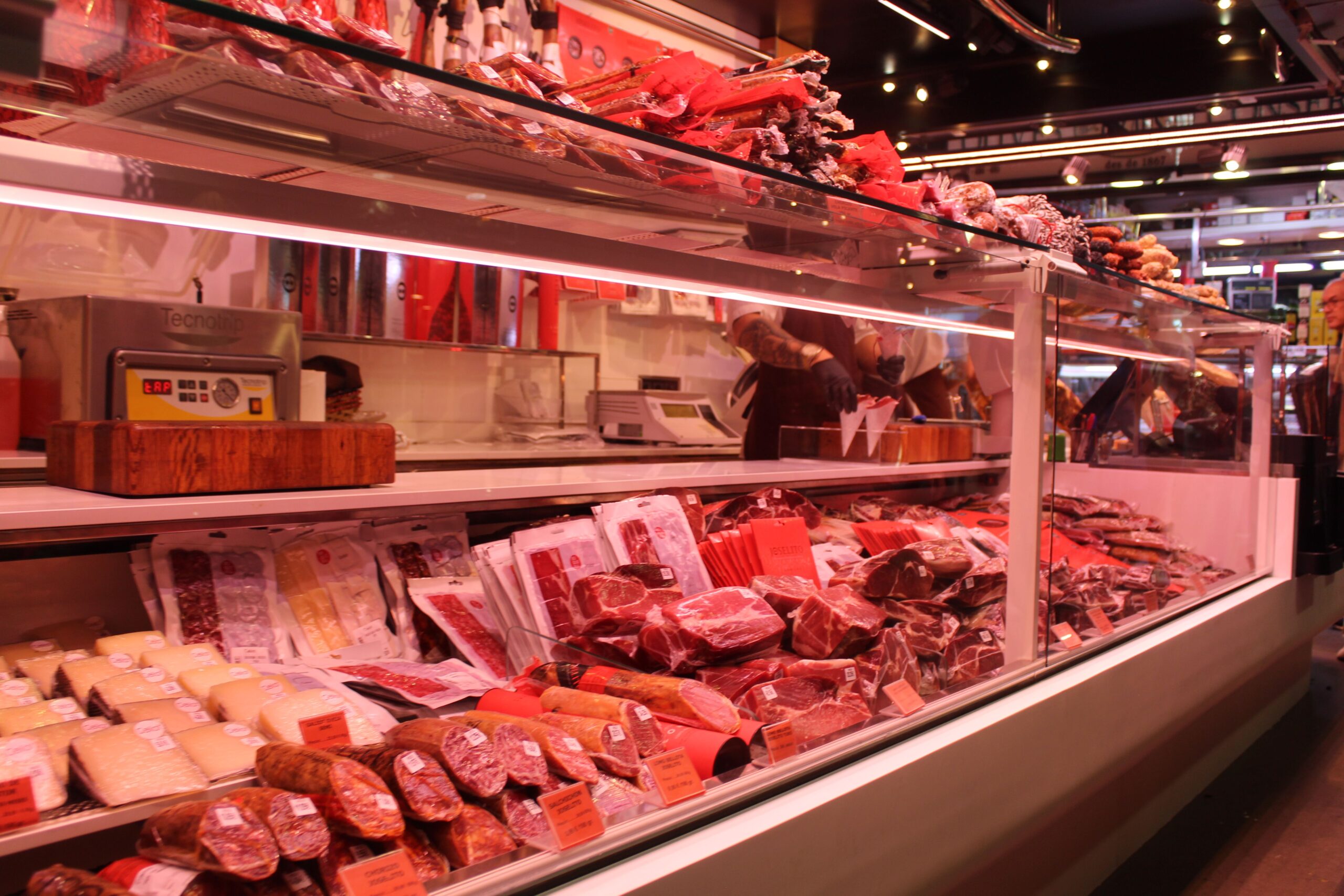
The manufacturing method behind a food product can influence consumer expectations, making clear labeling particularly useful as new technologies enter grocery stores. The supplied reporting notes that Perfecta’s packaging does not explicitly identify the products as 3D-printed.
Without that information, shoppers may not realize how a product was manufactured unless they have already encountered the brand’s marketing. Transparent labeling can help consumers understand what they are buying and make comparisons with conventional foods and other meat substitutes.
It is also important to distinguish plant-based alternatives from cultivated meat. Plant-based products are formulated using ingredients derived from plants, while cultivated meat involves growing animal cells under controlled conditions. A product described using both plant-based and cultivated ingredients requires closer examination of its specific composition.
The supplied reporting identifies Perfecta’s salmon patty as a plant-protein alternative rather than conventional salmon. This distinction matters for consumers who want to know whether a product contains fish, how much protein it provides, and which allergens it may contain.
The same reporting identifies soy and gluten warnings for the salmon product. Anyone who needs to avoid these ingredients should check the package carefully, including the allergen declaration and full ingredient list, before purchasing.
Clear information about ingredients and manufacturing methods helps people make decisions based on their needs. The absence of a specific label statement does not, by itself, demonstrate that a food is unsafe, but consumers benefit when unfamiliar production techniques are explained openly.
Should You Make 3D-Printed Meat Part of Your Diet?
For now, 3D-printed meat is best viewed as another option in the expanding plant-based food market, rather than as a proven improvement in nutrition. The technology offers manufacturers new ways to reproduce the appearance and texture of animal-based foods, but those features do not establish the product’s health value.
If you want to try a Perfecta product, compare its nutrition facts and ingredients with familiar alternatives. Consider the price, protein content, sodium, saturated fat, and any nutrients you need to obtain regularly through your diet.
People following vegetarian or vegan diets should pay particular attention to nutrients that may require careful planning, including vitamin B12 and iron.
A plant-based meat substitute should not be assumed to provide meaningful amounts of these nutrients unless its nutritional information confirms that it does.
The available reporting does not establish that 3D-printed meat is inherently unhealthy, nor does it provide enough evidence to support broad claims that the products improve health. More research would help clarify their nutritional characteristics and potential effects when consumed regularly.
New food technologies may eventually offer useful choices for consumers with different dietary preferences and needs. Until more evidence becomes available, the strongest reason to buy any meat alternative should be its actual nutritional value, ingredient transparency, affordability, and suitability for your everyday diet.