
For millions of people, the ringing never stops. It follows them into quiet bedrooms, interrupts conversations, and makes a peaceful night feel impossible. Now, scientists have investigated an unusual approach that could help people manage persistent tinnitus by combining carefully designed sounds with gentle electrical stimulation of the tongue. The treatment targets the way the brain processes sensory signals, offering a different approach to a condition that can be frustrating to treat.
A clinical trial involving 326 adults found that many participants experienced a meaningful reduction in tinnitus symptoms after 12 weeks of treatment. Some continued to report improvements a year later, raising interest in a technique that combines two forms of sensory stimulation. Although the findings offer hope for people living with chronic ear ringing, researchers still need to establish how the treatment works, who benefits most, and how reliably its effects can be reproduced.

The Tinnitus Treatment Producing Encouraging Results
Tinnitus affects an estimated 10% to 15% of people and can cause ringing, buzzing, humming, or whistling when no corresponding external sound exists. For some individuals, the noise is occasional and manageable, while others experience persistent symptoms that interfere with sleep, concentration, and everyday activities. The condition can also contribute to stress and emotional exhaustion, particularly when the sound becomes difficult to ignore.
Researchers investigated a technique called bimodal neuromodulation, which combines two types of sensory stimulation to influence activity in the nervous system. In the clinical trial, participants listened to specially designed sounds through headphones while receiving gentle electrical stimulation through a small device placed on the tongue. The researchers hoped that stimulating the auditory system and another sensory pathway together would encourage changes in the brain’s processing of tinnitus-related signals.
The study involved 326 adults who received treatment over 12 weeks, with researchers tracking changes in symptom severity during treatment and afterward. Participants reported reductions in tinnitus severity, and many continued to experience improvements during follow-up assessments extending to 12 months. The results were encouraging, although the size of the benefit varied and the findings did not show that tinnitus had disappeared permanently.

Why Scientists Are Using the Tongue to Target Ear Ringing
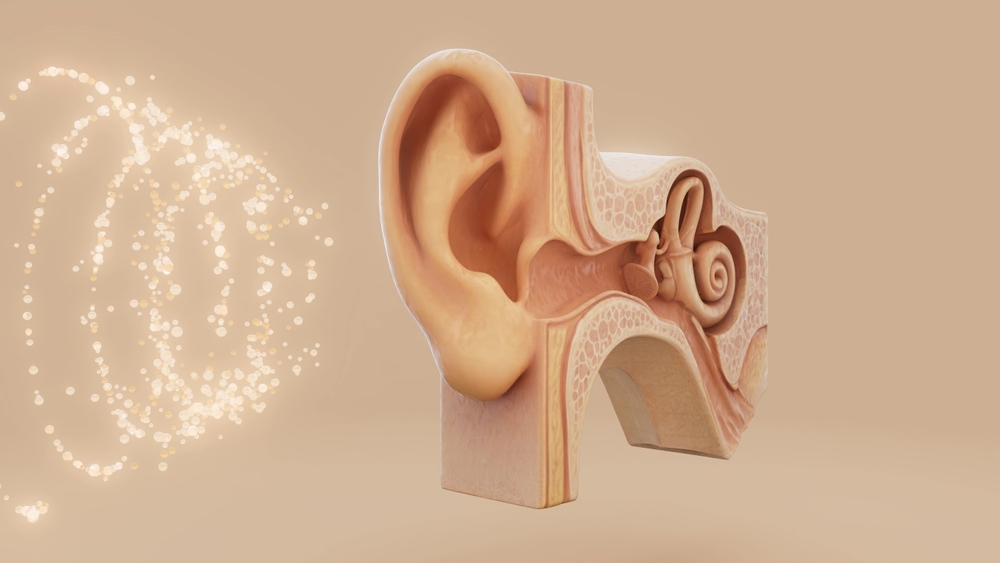
The tongue might seem like an unlikely target for a condition associated with hearing, but sensory information from different parts of the body reaches interconnected regions of the brain. Tinnitus can involve changes in how the auditory system processes signals, particularly in people who have experienced hearing loss. When the brain receives less input from certain sound frequencies, it may adapt in ways that contribute to the perception of sounds that are not present externally.
Biomedical engineer Hubert Lim became interested in this approach after an unexpected observation during earlier research involving deep brain stimulation. While testing electrodes in patients, he encountered someone whose longstanding tinnitus appeared to disappear temporarily when a stimulation device was activated. That experience helped motivate further investigation into whether electrical stimulation delivered through other parts of the body could influence the neural activity associated with tinnitus.
Animal experiments subsequently helped researchers identify the tongue as a useful target for further testing. In the human trial, a small paddle containing electrodes delivered mild electrical pulses while headphones played a changing sequence of tones and background sounds. The electrical sensation was designed to be gentle, while the sound program targeted the auditory system. Researchers proposed that combining these signals could encourage the brain to change how it processes tinnitus-related activity, although the precise mechanism remains under investigation.
How Sound and Electrical Stimulation Work Together
The technique is based partly on neuroplasticity, the brain’s ability to modify its activity and connections in response to experience. By delivering sound and electrical stimulation together, researchers aim to influence interconnected sensory networks rather than relying solely on external sounds to mask the ringing. The treatment is designed to encourage changes that may continue beyond individual sessions.
However, the proposed mechanism should be distinguished from what the clinical results actually demonstrate. The study found improvements in reported symptoms, but it did not establish exactly why every participant responded or prove that the treatment permanently rewired the brain. Further controlled research is needed to clarify how the different stimulation settings affect outcomes and which patients are most likely to benefit.
What Happened During the 12-Week Treatment Program
Participants used a noninvasive device that paired auditory stimulation with gentle electrical pulses delivered through the tongue. Treatment sessions could last up to an hour, and participants followed a prescribed regimen over 12 weeks. Researchers then assessed their symptoms to determine whether the reported improvements continued after the treatment period ended.
The findings showed reductions in tinnitus severity across the study’s treatment groups. More than 80% of participants who followed the prescribed regimen reported an improvement, while average changes were around 14 points on a 100-point tinnitus severity scale, depending on the measure used. At the 12-month follow-up, many participants still had lower symptom scores than they had before treatment, although the size of the improvement differed between groups.
Several findings attracted particular attention:
- Reduced symptom severity: Participants reported meaningful improvements in their tinnitus scores following treatment.
- Benefits among participants who followed the regimen: More than 80% of compliant participants experienced an improvement during the study.
- Longer-lasting changes: Around 80% of participants still had lower tinnitus scores at the 12-month follow-up.
- A noninvasive treatment approach: The device delivered stimulation through the tongue and headphones rather than requiring surgery.
- No treatment-related serious adverse events: The trial did not identify serious adverse events attributed to the treatment.
These findings offer a reason for further investigation, particularly for people whose tinnitus affects their quality of life. Still, participants did not all experience the same results, and a reduction in symptom severity does not necessarily mean the underlying condition has been eliminated. The study also lacked a separate control group, making it difficult to determine how much improvement resulted specifically from the treatment.
Why the One-Year Results Matter for Tinnitus Research
Tinnitus can be difficult to manage because its causes and severity vary from person to person. Some people experience it alongside hearing loss, while others develop symptoms without an obvious explanation. Treatment often focuses on reducing distress, improving sleep, addressing hearing difficulties, and helping people respond to the sound in ways that interfere less with everyday life.
The tongue-stimulation study attracted interest because the reported improvements persisted for some participants after the 12-week treatment program. Christopher Cederroth, a neurobiologist at the University of Nottingham who was not involved in the research, described the work as “really important.” He also noted that the reduction in symptoms compared favorably with some earlier studies of bimodal stimulation.
Cognitive behavioral therapy is another established option for managing the distress associated with tinnitus. It can help people change how they respond to the sound, reduce anxiety surrounding symptoms, and improve everyday functioning. Sound-based approaches and hearing aids may also help, particularly when hearing loss contributes to the problem. These treatments serve different purposes, and the best option depends on a person’s symptoms and circumstances.
Long-lasting improvement is encouraging, but it does not establish that the original cause of tinnitus has been corrected. A treatment may help reduce the burden of symptoms without removing every factor contributing to them. Researchers therefore need to determine how the benefits compare with existing options and whether they remain consistent across larger and more diverse groups of patients.
The Major Limitation Researchers Still Need to Address
Despite the encouraging findings, the original clinical trial had an important limitation: it did not include a separate control group receiving sham treatment. Without that comparison, researchers cannot confidently distinguish the treatment’s specific effects from other influences, including participants’ expectations, natural changes in symptoms, and placebo responses. These factors can be particularly relevant when outcomes depend partly on how people describe their experiences.

The study was randomized and double-blinded, with participants assigned to different treatment settings. However, comparisons between active treatment groups do not provide the same evidence as a trial that also includes a suitable sham-treatment group. The research was sponsored by Neuromod Devices, the company behind the technology, which is another factor readers should consider when evaluating the findings. Industry funding does not automatically invalidate a study, but independent replication can strengthen confidence in its results.
Later research has added further evidence. A 2024 study published in Nature Communications evaluated bimodal stimulation in 112 participants, comparing sound-only treatment with combined sound and tongue stimulation through a staged design. Among participants with moderate or more severe tinnitus, the combined approach produced a higher responder rate than sound alone. However, the findings were less conclusive across the entire participant group, reinforcing the importance of understanding how symptom severity influences treatment outcomes.
Together, the studies support continued investigation of bimodal stimulation as an option for some people with tinnitus. They do not establish a universal cure, and the results cannot guarantee that every patient will experience lasting relief. Larger controlled studies and further independent research can help clarify the treatment’s effectiveness and identify the people most likely to benefit.
What You Can Do If Tinnitus Affects Your Daily Life
Persistent ringing or buzzing can be exhausting, especially when it disrupts sleep or makes concentration difficult. Although research into tongue stimulation offers a potential new direction, people experiencing tinnitus already have options worth discussing with a qualified hearing professional. The most appropriate approach depends on the likely cause, the severity of symptoms, and whether hearing loss or another medical condition is involved.
A few practical steps can help you begin addressing the problem:
- Arrange a hearing assessment: An audiologist can evaluate your hearing and help identify possible contributors to tinnitus.
- Track your symptoms: Note when the ringing began, when it becomes more noticeable, and whether it affects your sleep or concentration.
- Ask about established treatments: Hearing aids, sound-based strategies, and cognitive behavioral therapy may help depending on your individual needs.
- Discuss specialized devices: Ask a qualified clinician whether bimodal neuromodulation is appropriate for you and what evidence supports its use.
- Be cautious about cure claims: Avoid products or programs that promise to eliminate tinnitus permanently without reliable clinical evidence.
Sudden tinnitus accompanied by sudden hearing loss requires urgent medical assessment. Pulsatile tinnitus, which follows the rhythm of your heartbeat, should also be evaluated because it can have causes that need specific medical attention. Getting the right assessment can help rule out treatable problems and guide decisions about symptom management.
A Different Approach to Living With Persistent Ringing
Bimodal neuromodulation offers a different way to approach tinnitus by targeting the nervous system involved in processing sound. The technology has moved beyond early experiments, and the Lenire device received FDA De Novo authorization in the United States in 2023 for adults with tinnitus. That authorization provides a regulated treatment option for eligible patients, but it does not guarantee that the device will work for everyone or settle every question about long-term effectiveness.
For people whose symptoms interfere with daily life, even a meaningful reduction in ringing can make sleep, concentration, and ordinary activities easier. The next challenge is identifying who benefits most, refining treatment settings, and establishing how consistently the improvements can be achieved. Until stronger evidence answers those questions, tinnitus care should remain individualized, with treatment decisions based on reliable evidence and a person’s specific needs.