
The warning about rusty nails is something many people carry with them from childhood, often repeated so frequently that it becomes almost instinctive. You may remember being told to stay away from anything old, sharp, or corroded, with the implication that rust itself was dangerous and could lead to serious illness. These warnings were usually well-intentioned, rooted in a desire to keep you safe, but over time, they created a simplified explanation that does not fully reflect how tetanus actually works. The idea became so familiar that it stopped being questioned, turning into a widely accepted belief rather than something examined more closely.
What makes this misconception more concerning is that it can distract from the real source of risk. Tetanus is not tied to rust in the way most people think. Instead, it is connected to bacteria that are present in everyday environments, including places that appear clean or harmless. This means that the danger is not limited to stepping on a rusty nail but can arise from a variety of situations that might seem insignificant at first glance. When you begin to understand how tetanus actually develops, it becomes clear that prevention is less about avoiding certain objects and more about recognizing how easily exposure can happen in daily life.

The Real Cause of Tetanus Has Nothing to Do With Rust
Tetanus is caused by a bacterium called Clostridium tetani, which exists naturally in the environment and can be found in soil, dust, and animal waste. This means that exposure is not limited to rare or unusual situations but can occur during routine activities such as gardening, walking outdoors, or even handling objects that have come into contact with the ground. It is accurately described as “a product of the bacteria Clostridium tetani, which is in dirt, dust, and feces—in other words, everywhere,” which highlights just how widespread and unavoidable this organism can be in everyday life.
What makes this bacterium particularly concerning is the ease with which it can enter the body. It does not require a dramatic injury or a deep puncture to create a problem. Even small breaks in the skin can serve as entry points, allowing the bacteria to begin multiplying. It “can enter your body through puncture wounds, yes, but also through superficial cuts, bug bites, surgical procedures, and any other rupture to your skin,” which significantly broadens the range of situations where infection could occur. This means that something as minor as a small scratch or an unnoticed cut could potentially expose you to risk if proper care is not taken.
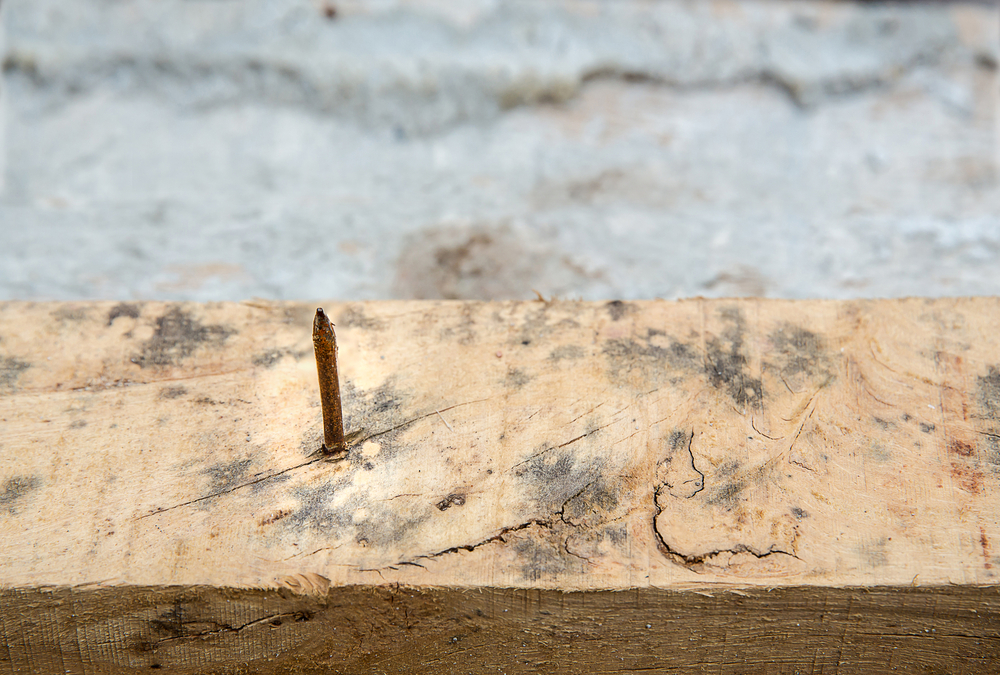
The reason rusty objects are so often associated with tetanus is largely due to their environment rather than their composition. A rusty nail, for example, is likely to have been exposed to soil, where the bacteria may be present. The rust itself does not cause the infection, but the conditions surrounding the object can increase the likelihood that it carries harmful bacteria. Understanding this distinction helps shift your focus away from visual cues like rust and toward the more important factors of cleanliness, environment, and wound care.

What Happens Inside the Body After Infection
After Clostridium tetani enters the body, the infection does not immediately make itself known. There is often a delay between the initial exposure and the appearance of symptoms, which can make it difficult to recognize what has happened. This incubation period “lasts between three and 21 days” and is typically symptom-free, allowing the bacteria to grow and spread without drawing attention. During this time, the bacteria thrive in areas where oxygen levels are low, such as deep or poorly cleaned wounds, creating the ideal conditions for them to multiply.
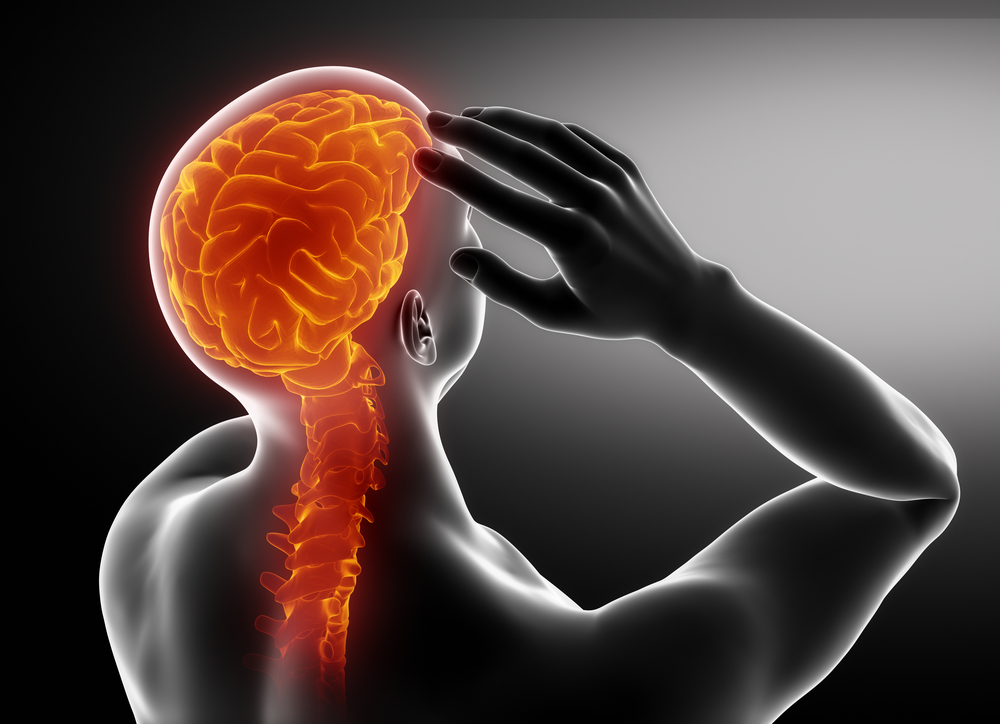
As the bacteria begin to break down, they release a toxin that interferes with the normal functioning of the nervous system. This toxin disrupts communication between nerves and muscles, preventing the body from regulating muscle activity effectively. More specifically, it “inhibits the chemical GABA, which regulates muscle contractions,” removing the signals that allow muscles to relax after they contract. This creates a situation where muscles remain tense and rigid, unable to return to their normal state.
The physical effects of this disruption can become severe and widespread. The condition often begins with stiffness in the jaw, which can make it difficult to open the mouth, and gradually spreads to other parts of the body. Painful muscle spasms can occur, sometimes affecting the back, neck, and limbs, and in more serious cases, the muscles involved in breathing. These symptoms can escalate quickly, turning what initially seemed like a minor injury into a serious medical condition that requires immediate attention.
Why Tetanus Can Be So Severe
Tetanus is not just an uncomfortable condition that resolves on its own. It can be extremely serious and, in some cases, life-threatening. Even with access to advanced medical care, it is estimated that “10 percent of cases are fatal,” which highlights the potential severity of the infection. In regions where healthcare resources are limited or difficult to access, the risk can be significantly higher, making prevention even more critical.
Survival does not necessarily mean a quick or easy recovery. Severe cases often require prolonged medical care, including intensive monitoring and support to manage symptoms. There are instances where individuals have needed weeks of hospitalization to recover from the effects of the toxin on the nervous system. One such case involved a child who developed tetanus after a seemingly minor injury and required extensive treatment. The child survived, but only after “57 days in the hospital and more than $800,000 in medical bills,” illustrating the physical and financial burden that can accompany this illness.
The reason tetanus can become so severe lies in the way it affects the entire body rather than a single area. The toxin disrupts muscle control on a broad scale, leading to stiffness and spasms that can interfere with essential functions such as breathing and circulation. This widespread impact makes the condition difficult to manage once it has progressed, reinforcing the importance of early prevention and awareness.

How the Rust Myth Became So Common
The connection between tetanus and rust has likely developed over time through repeated associations rather than scientific accuracy. Rusty objects are often found in outdoor environments where bacteria are present, and they can cause injuries that break the skin. These observations may have led people to assume that rust itself was responsible, even though the actual cause lies elsewhere. Despite how common this belief is, “the disease has nothing to do with iron oxide, the chemical compound more commonly known as rust.”
There are also theories that attempt to explain why rust and tetanus are so often linked. One idea is that rusting metal may create conditions with lower oxygen levels, which could allow the bacteria to survive more easily. While this may contribute to the environment in which the bacteria exist, it still does not mean that rust is the cause of the infection. The bacteria themselves remain the central factor in the development of tetanus.
This misunderstanding can lead to a narrow view of risk, where people focus only on avoiding rusty objects while overlooking other potential sources of exposure. By recognizing that the bacteria are widespread and not tied to a specific type of object, you can take a more comprehensive approach to prevention that reflects how tetanus actually occurs.
The Most Effective Way to Protect Yourself
The most effective way to protect yourself from tetanus is through vaccination, which has been shown to provide strong and reliable protection against the infection. A complete series of shots followed by booster doses every ten years is “basically 100 percent effective at preventing tetanus,” making it one of the most dependable preventive measures available. Keeping your vaccinations up to date is essential, as immunity can decrease over time, leaving you more vulnerable if boosters are missed.
In addition to vaccination, proper wound care plays a critical role in reducing the risk of infection. Cleaning any cut or injury thoroughly helps remove dirt and bacteria that may have entered the body. This applies not only to deep wounds but also to small cuts and scrapes that might otherwise be ignored. Taking the time to care for even minor injuries can significantly reduce the likelihood of complications.
Awareness of your surroundings and daily habits also contributes to prevention. Understanding that tetanus can arise from common environments encourages you to be more mindful when handling objects, working outdoors, or caring for wounds. By combining vaccination, hygiene, and awareness, you create a strong and effective defense against a condition that is serious but largely preventable.

Rethinking What You’ve Been Told
Many health beliefs are passed down with good intentions, but they are not always accurate reflections of how the body works. The idea that tetanus is caused by rust is one of those beliefs that has persisted despite clear evidence to the contrary. While it may have encouraged caution in certain situations, it also created a limited understanding of the real risks involved.
Recognizing that tetanus is caused by bacteria found in common environments allows you to take more practical and effective steps to protect yourself. This means focusing on proper wound care, maintaining good hygiene, and staying current with vaccinations rather than relying on outdated ideas about specific objects.
Updating your understanding of tetanus is not just about correcting a misconception. It is about making informed decisions that support your health in a meaningful way. When you shift your focus to what truly matters, you are better equipped to prevent infection and respond appropriately if a risk does arise.
Sources:
- Tetanus. (2024, March 4). Tetanus. https://www.cdc.gov/tetanus/index.html
- Yen, L. M., & Thwaites, C. L. (2019). Tetanus. The Lancet, 393(10181), 1657–1668. https://doi.org/10.1016/s0140-6736(18)33131-3
- Checking your browser – reCAPTCHA. (n.d.). https://www.ncbi.nlm.nih.gov/pmc/articles/PMC4073018/



Miracle Brown
Tuesday 5th of May 2026
I do not even know how I ended up here but I thought this post was great I dont know who you are but definitely youre going to a famous blogger if you arent already Cheers
Thrive crafter
Monday 27th of April 2026
Excellent explanation, thanks!