
Have you ever walked into a room and sensed tension before anyone said a word? Perhaps you notice a subtle change in someone’s voice, replay conversations long after they end, or feel emotionally drained after spending time in a crowded place. If these experiences sound familiar, there is a psychological trait that may help explain why certain situations affect you so deeply. Researchers call it sensory processing sensitivity, and studies suggest it may influence how some people respond to the world around them.
Research estimates that approximately 15% to 20% of people may have high levels of this trait. Scientists have also investigated whether sensitivity is associated with measurable differences in brain activity. The findings suggest that some people process emotional and environmental information differently, although the science is still developing. Understanding this trait could help you recognize your needs, manage overwhelming situations, and build healthier habits without automatically viewing your sensitivity as a weakness.

What Scientists Have Discovered About Highly Sensitive People
Some people appear especially responsive to details in their surroundings. A slight change in facial expression, an unexpected noise, or an emotionally charged conversation may capture their attention and require considerable mental energy to process. Psychologists have studied these differences for decades, exploring why certain individuals report stronger reactions to sensory information and more detailed processing of experiences. Their work suggests that sensitivity can be understood as an individual difference rather than automatically treated as a sign of emotional instability.
The concept of sensory processing sensitivity was developed through research by psychologists Elaine Aron and Arthur Aron during the 1990s. Their work helped establish a framework for studying people who report heightened awareness of their surroundings and deeper responses to experiences. People who score highly on measures of this trait may describe themselves as easily overwhelmed by busy environments, strongly affected by emotional situations, or particularly appreciative of music, art, and nature. These experiences vary considerably between individuals, and no single characteristic defines everyone who identifies as highly sensitive.
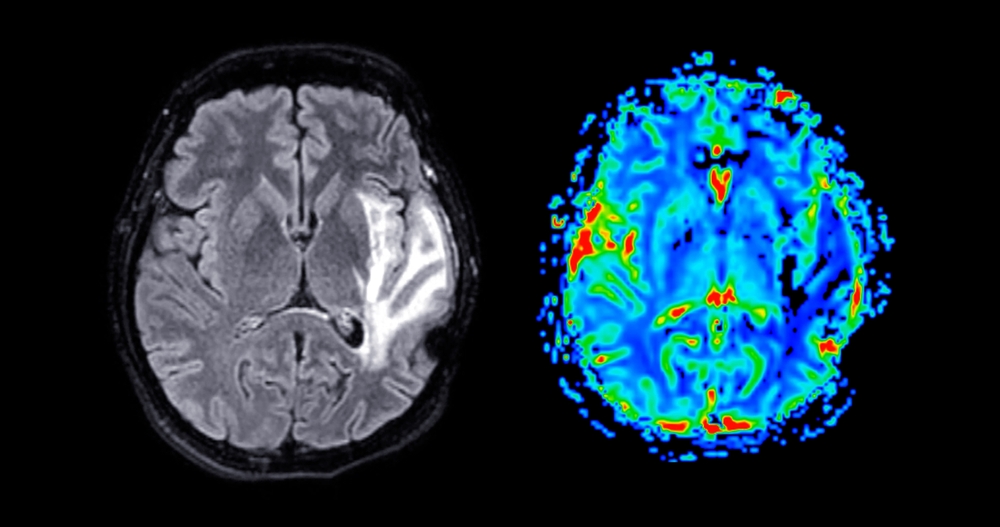
A 2014 study published in Brain and Behavior examined the brain activity of people with different levels of sensory processing sensitivity. Using functional magnetic resonance imaging, researchers investigated responses to photographs showing emotional expressions. Higher sensitivity scores were associated with activity in brain regions involved in awareness, empathy, and processing information about other people. The findings offer evidence that sensitivity has measurable neural associations, although the study included only 18 participants and cannot establish that every highly sensitive person has the same neurological characteristics.
What Sensory Processing Sensitivity Actually Means
Sensory processing sensitivity describes differences in how people respond to and process information from their environment. Someone with high sensitivity may pay close attention to subtle details, spend more time thinking through experiences, or feel overwhelmed when several demands compete for their attention. These responses can involve emotional information, physical sensations, and the general conditions of a person’s surroundings. Sensitivity also exists along a spectrum, meaning people can experience these characteristics to different degrees rather than fitting neatly into two separate categories.
Why Sensitivity Goes Beyond Being Emotional
The word sensitive is often used to describe someone who cries easily or becomes upset during difficult conversations. However, sensory processing sensitivity covers a broader range of experiences. A person may be deeply affected by a piece of music, notice small changes in their environment, or need additional time to process an unexpected situation. Emotional responsiveness can be part of the picture, but it does not explain every aspect of the trait.
Where The 15% To 20% Estimate Comes From
Research reviews commonly cite an estimate of approximately 15% to 20% of people with high levels of sensory processing sensitivity. This figure is an approximate research estimate rather than a precise count of everyone who experiences the trait. Scientists frequently use questionnaires to measure sensitivity, and results depend on the populations studied and the methods researchers employ. There is also no single brain scan or clinical test that can definitively establish whether someone is a highly sensitive person.

How Brain Imaging Is Changing The Conversation
Brain imaging has given researchers another way to investigate individual differences in sensitivity. In the 2014 study published in Brain and Behavior, participants viewed photographs of their romantic partners and strangers displaying different facial expressions while researchers measured brain activity. Higher sensitivity scores were associated with activity in several regions involved in awareness, empathy, and processing social information. These results suggest that sensory processing sensitivity may be associated with differences in how people respond to emotional cues.
Other research has examined how sensitive individuals respond to visual information. A study published in Social Cognitive and Affective Neuroscience investigated sensitivity and the detection of subtle changes in visual scenes. The small exploratory study included 16 participants and found associations between higher sensitivity scores and activation in brain areas involved in higher-level visual processing when participants detected minor changes. Although these findings offer interesting avenues for further research, the small sample size limits the conclusions that can be drawn.
It is important to understand what these studies can and cannot establish. Brain activity associated with sensitivity does not prove that someone can always detect hidden emotions, accurately interpret every change in another person’s behavior, or predict what will happen next. A person might notice a change in someone’s tone without correctly understanding its cause. Researchers are investigating measurable patterns of processing, not confirming that every intuition or emotional impression is accurate.
The Potential Benefits And Challenges Of Being Highly Sensitive
Sensitivity can influence daily life in ways that feel helpful in some situations and exhausting in others. People with higher sensory processing sensitivity may report stronger responses to emotional experiences, greater awareness of environmental details, or a tendency to think carefully before making decisions. These characteristics can be useful in relationships, creative activities, and situations that reward careful observation. However, sensitivity does not automatically make someone more intelligent, empathetic, creative, or perceptive than another person.
Potential strengths associated with sensitivity may include:
- Attention to detail: Subtle changes in expressions or surroundings may attract your attention.
- Emotional awareness: You may be particularly responsive to the feelings expressed by people around you.
- Thoughtful decision-making: Taking extra time to process information can help you consider different possibilities.
- Appreciation of positive experiences: Music, nature, art, and meaningful conversations may produce strong emotional responses.
- Awareness of environmental demands: Noise, lighting, interruptions, and crowded spaces may be especially noticeable to you.
The challenges can be just as significant. A busy workplace, an intense social gathering, or a schedule filled with interruptions may leave someone feeling mentally exhausted. Difficult conversations can also occupy a person’s thoughts long after they end. These experiences do not necessarily indicate a disorder, but persistent distress can affect sleep, relationships, and everyday functioning. Learning which environments help you feel comfortable and which leave you depleted can make it easier to establish routines that support your well-being.

Why High Sensitivity Is Not A Mental Health Diagnosis
Sensory processing sensitivity is generally studied as a personality or temperament trait. It is not, by itself, a mental health diagnosis. Recognizing this distinction can help people describe their experiences without assuming that every difference in their emotional responses requires a clinical label. At the same time, identifying with the trait should not become a reason to dismiss persistent difficulties or avoid seeking help when daily life becomes challenging.
Some experiences associated with sensitivity can overlap with symptoms seen in anxiety, depression, trauma-related conditions, autism, and certain sensory difficulties. These conditions have different characteristics and diagnostic criteria, even when some everyday experiences appear similar. Feeling overwhelmed in a crowded environment, for example, does not by itself establish why that reaction occurs. A qualified health professional can help someone understand persistent symptoms and determine whether additional assessment or support would be useful.
If sensitivity-related experiences regularly interfere with your work, relationships, sleep, or ability to complete everyday tasks, consider discussing them with a healthcare professional. You can explain which situations trigger distress, how often the difficulties occur, and what helps you recover. This approach allows you to explore your experiences without assuming that a personality trait explains everything. Understanding your individual needs is more useful than trying to fit every experience into a single label.

How To Make Everyday Life Easier If You Are Highly Sensitive
Understanding your responses to the environment can help you make practical adjustments to your daily routine. Start by noticing which situations leave you feeling overwhelmed and which allow you to feel comfortable and focused. You might discover that constant background noise drains your energy, that several social commitments in a row leave you exhausted, or that a short period of quiet helps you recover. Keeping brief notes for a week can reveal patterns that are difficult to recognize when you are caught up in everyday demands.
Once you identify those patterns, look for manageable changes rather than trying to avoid every uncomfortable situation. You could schedule breaks between demanding activities, reduce unnecessary noise while working, or leave some unscheduled time after a busy day. Regular sleep, balanced meals, and physical activity can also support overall well-being. These habits do not eliminate sensory processing sensitivity, but they may make everyday stress easier to manage.
It can also help to reconsider how you interpret social situations. Noticing that someone seems distant does not necessarily mean they are upset with you. They may be tired, distracted, or dealing with something unrelated to the conversation. Give yourself time to acknowledge your reaction before deciding what caused it. When appropriate, asking a calm and direct question can provide clearer information than repeatedly analyzing every detail of an interaction.
Setting boundaries is another useful way to protect your energy. You can decline an invitation when you need rest, step away briefly from an overwhelming environment, or explain that you need time to think before responding to a difficult question. These choices allow you to participate in relationships and responsibilities while respecting your limits. The aim is to create a routine that supports your health, not to organize your entire life around avoiding discomfort.
Understanding Your Sensitivity Can Help You Care For Yourself
If you have often wondered why certain environments exhaust you or why emotional experiences linger, learning about sensory processing sensitivity may provide a useful starting point. Research suggests that sensitivity is associated with measurable differences in how some people process information, although scientists continue to investigate the trait and its relationship with personality, mental health, and environmental experiences. The evidence supports taking individual differences seriously without assuming that every highly sensitive person shares the same strengths or challenges.
You do not need to prove that you experience the world differently to take your own needs seriously. Pay attention to the situations that affect you, make room for recovery when necessary, and seek support if distress begins interfering with daily life. A better understanding of your responses can help you make choices that protect your well-being while allowing you to enjoy the experiences and relationships that matter to you.
Sources:
Acevedo, B. P., Aron, E. N., Aron, A., Sangster, M., Collins, N., & Brown, L. L. (2014). The highly sensitive brain: an fMRI study of sensory processing sensitivity and response to others’ emotions. Brain and Behavior, 4(4), 580–594. https://doi.org/10.1002/brb3.242