Imagine being able to repair damaged tooth enamel instead of relying entirely on fillings to restore your teeth. Scientists are developing a new protein-based gel that could bring that possibility closer to reality, offering a different approach to one of the biggest challenges in dental care. Tooth enamel is the hardest substance in the human body, yet once significant structural damage occurs, it cannot naturally grow back. The new material aims to rebuild the protective surface by recreating the biological process responsible for forming enamel during early development.
The research has attracted attention because the treatment could eventually help people experiencing enamel erosion, weakened teeth, and sensitivity to hot or cold foods. Developed by researchers at the University of Nottingham, the gel uses specially designed proteins to encourage minerals to grow in an organized structure resembling natural enamel. The team hopes to bring the technology toward commercial use, potentially as early as 2027. However, further development and testing will determine when patients can access it and which dental problems it can effectively treat.
Why Tooth Enamel Cannot Repair Itself
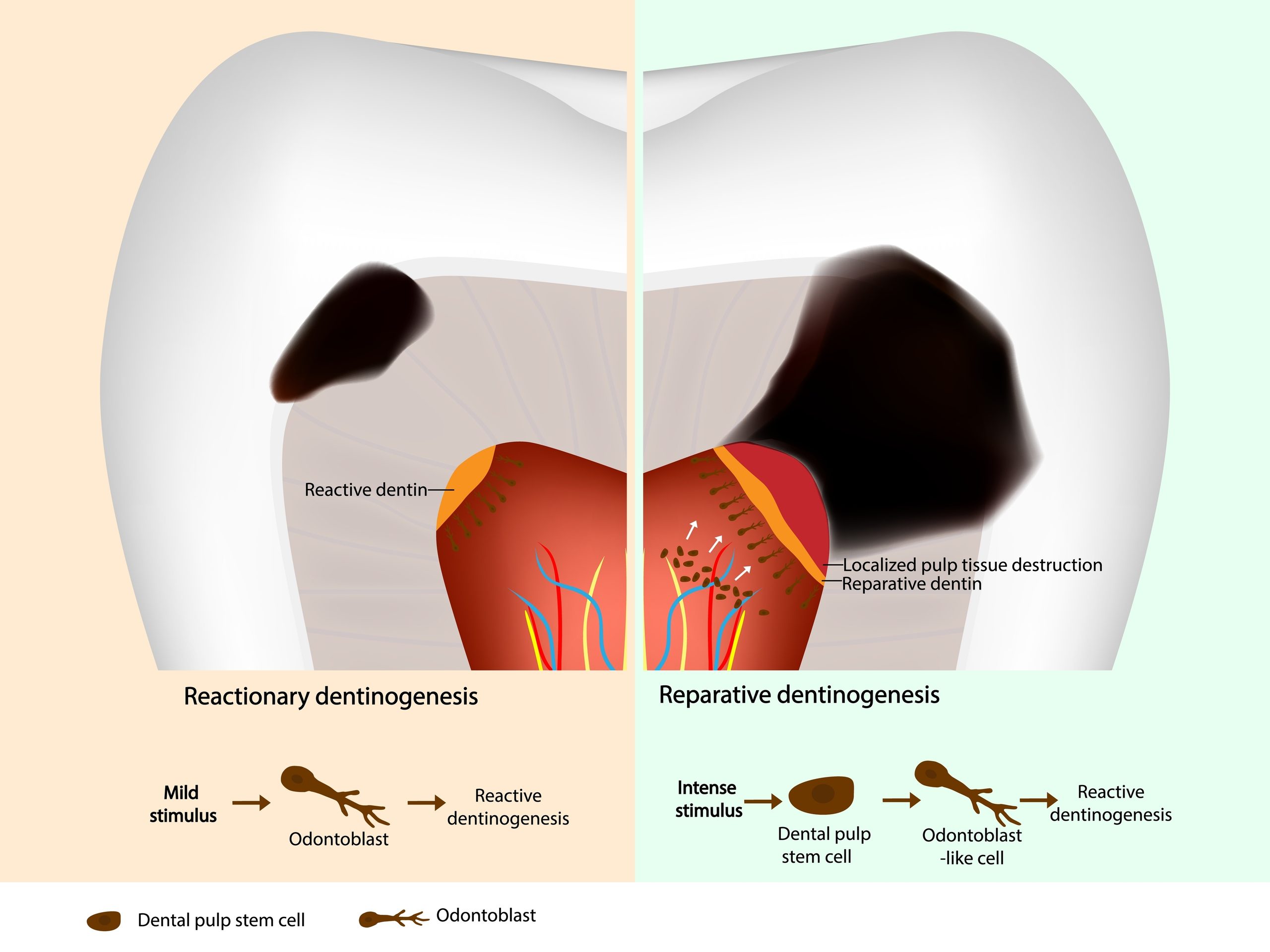
Enamel protects your teeth from the daily pressure of chewing, biting, and grinding. Its tightly organized mineral crystals create a remarkably hard surface that helps teeth withstand years of use. However, enamel contains no living cells capable of rebuilding its original structure once significant damage has occurred. Saliva and fluoride can support remineralization when minerals are lost during the early stages of enamel weakening, but these natural processes cannot fully replace enamel that has already worn away.
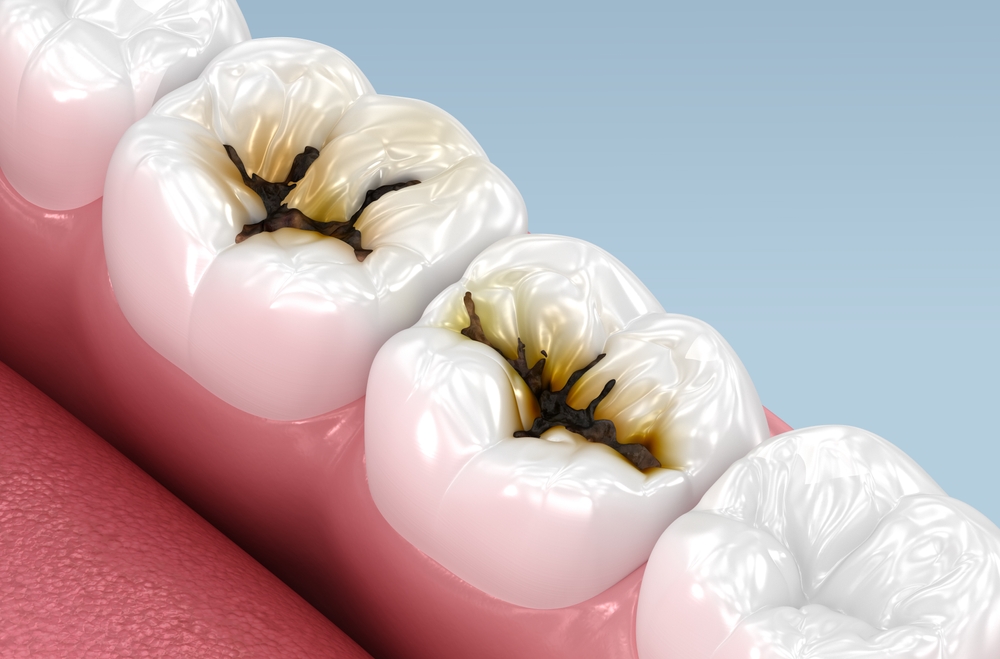
Acids are among the main threats to this protective layer. They can come directly from acidic foods and drinks, while bacteria in dental plaque produce acids when they break down sugars. Repeated exposure gradually removes minerals from the enamel, potentially making teeth more vulnerable to further damage. Over time, erosion and tooth decay can create problems that require professional dental treatment.
When damage progresses, dentists may use fillings, crowns, or other restorative procedures depending on the affected tooth and the extent of the problem. These treatments can restore function and protect weakened areas, but they do not recreate the original enamel through the body’s natural developmental process. A material that could rebuild enamel’s organized mineral structure would therefore offer a different approach to treating certain forms of dental damage.
How the New Protein Gel Could Rebuild Enamel
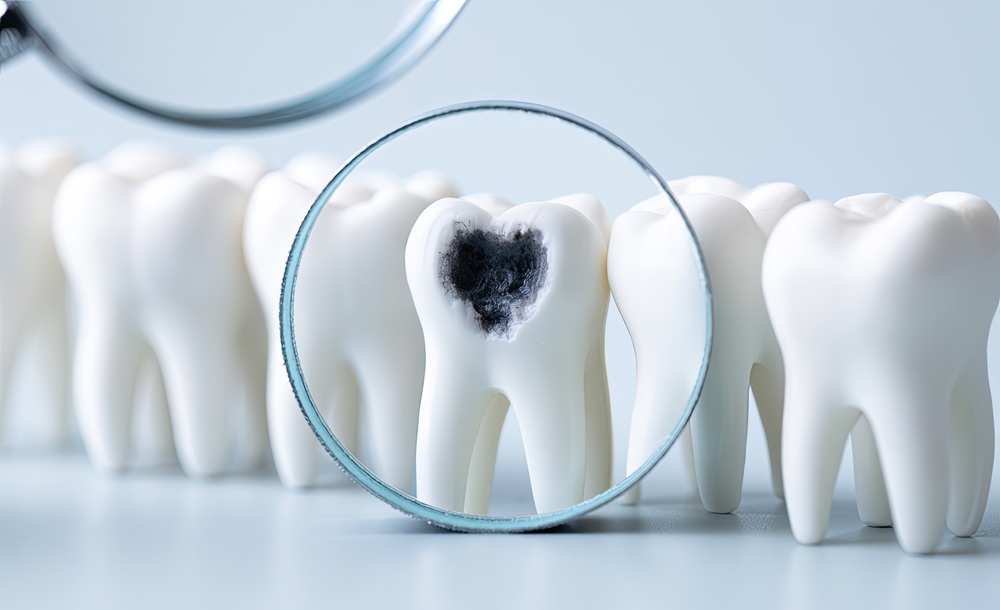
The research, published in Nature Communications, describes a biomimetic protein matrix designed to imitate aspects of natural enamel formation. During early tooth development, proteins help organize the mineral crystals that eventually create enamel’s strong, protective structure. Researchers used that biological process as inspiration for a material that could provide a framework for new crystals to grow in damaged areas of teeth.
Once applied, the gel creates a protein-based scaffold across the affected surface. Calcium and phosphate ions, which are naturally present in saliva, can then contribute to the growth of mineral crystals within this framework. The process, known as epitaxial mineralization, allows new crystals to grow in alignment with the existing mineral structure. Rather than simply covering an area of damage, the material is designed to encourage the formation of an organized mineral layer that resembles healthy enamel.
Lead researcher Abshar Hasan explained the intended effect in a University of Nottingham press statement: “When our material is applied to demineralized or eroded enamel, or exposed dentine, the material promotes the growth of crystals in an integrated and organized manner, recovering the architecture of our natural healthy enamel.” The approach could eventually give dentists another option for addressing weakened tooth surfaces, although its usefulness will depend on further testing and the specific condition being treated.
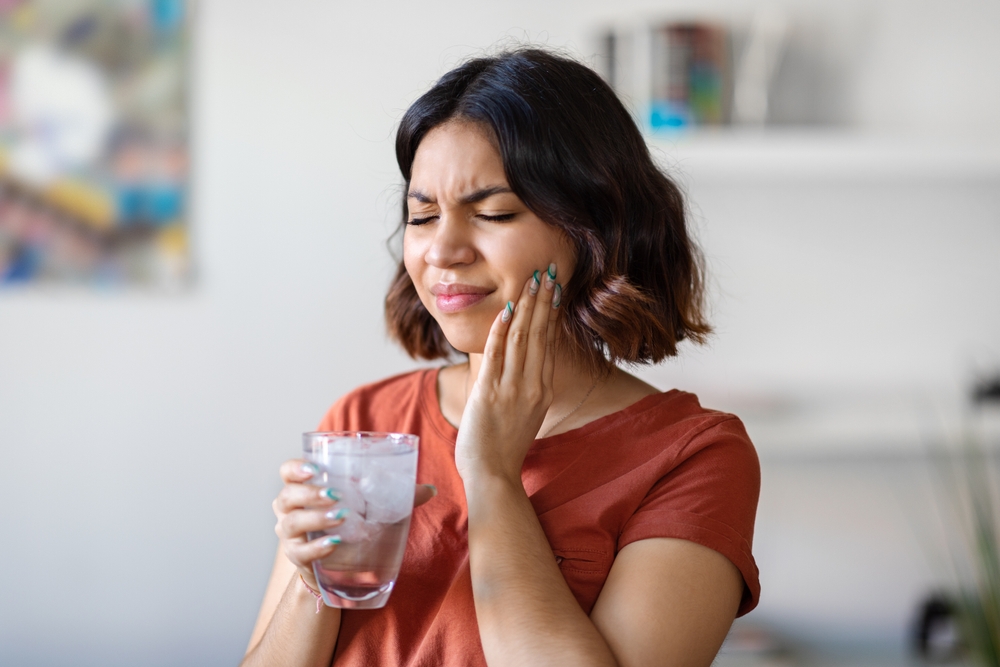
Could the Gel Help People With Sensitive Teeth?
Tooth sensitivity can develop when protective enamel wears away or gums recede, leaving the underlying dentine exposed. Dentine contains microscopic channels that connect with the tissues surrounding the nerves inside a tooth. When exposed dentine encounters hot foods, cold drinks, or pressure, these channels can contribute to the sharp discomfort commonly associated with sensitive teeth.
The researchers investigated whether their material could also help restore the surface of exposed dentine. By encouraging mineral growth and creating a protective layer, the gel could potentially reduce some of the problems associated with weakened tooth surfaces. This application could be particularly relevant to people whose teeth have become sensitive because of erosion or mineral loss.
However, tooth sensitivity can have several causes, including cavities, cracked teeth, gum disease, and dental infections. A regenerative coating would not automatically address every one of these problems, and persistent pain still requires a proper dental examination. The research offers a possible new treatment approach, but more evidence will be needed to establish which patients are most likely to benefit and how well the material performs in routine dental practice.

What Researchers Have Discovered So Far
The published study examined how the protein matrix interacts with damaged enamel and encourages the formation of new mineral structures. Researchers investigated whether the resulting material could recover mechanical properties associated with healthy enamel and create an organized surface layer. Their findings support the possibility of rebuilding aspects of enamel’s natural architecture through a process inspired by biological development.
The team also examined the material under conditions designed to simulate everyday tooth use, including brushing, chewing, and exposure to acidic foods. These tests are important because any treatment intended for the mouth must withstand repeated physical pressure and chemical exposure. A material that works under controlled laboratory conditions must also prove durable enough for the demands of daily life.
The findings provide a scientific basis for further development, but they should not be interpreted as proof that the gel can already replace conventional dental treatments. Laboratory performance cannot establish how well a material will work for every patient or how long the results will last over many years. Additional testing and clinical evidence will help determine its safety, durability, and suitability for different types of enamel damage.
When Could the New Dental Treatment Become Available?
The researchers have indicated that they hope to move the technology toward commercial use through their start-up company, Mintech-Bio. A potential launch in 2027 has been discussed, raising the possibility that the material could eventually become part of professional dental care. However, this remains a development target rather than a confirmed date when patients will be able to receive the treatment.
Before the gel reaches widespread use, its developers will need to address several practical questions. These include how consistently it performs on real teeth, how long the regenerated mineral layer lasts, and which types of damage respond best. The final formulation and its intended use will also influence the testing and regulatory requirements that apply before it can be marketed.
Cost and accessibility will be important considerations as well. A treatment that performs effectively in research settings must also fit into practical dental care and provide benefits that justify its price. Patients will need clear guidance from dental professionals about whether the material is appropriate for their condition and how it compares with established treatments.
Five Ways to Protect Your Tooth Enamel Today
While researchers continue developing new ways to restore enamel, everyday habits remain one of the most effective ways to reduce avoidable damage. Good oral hygiene cannot regrow enamel that has already been lost, but it can help preserve the protective surface you still have and reduce the risk of cavities. Consistent care also makes it easier to identify potential problems before they become more serious.
- Brush gently twice a day. Use a soft-bristled toothbrush and fluoride toothpaste to help protect your teeth without applying unnecessary pressure to the enamel.
- Reduce frequent sugar exposure. Limit sugary snacks and drinks throughout the day because plaque bacteria can turn sugars into acids that damage tooth surfaces.
- Be mindful of acidic drinks. Sodas, energy drinks, and fruit juices can contribute to enamel erosion, particularly when consumed frequently or sipped over long periods.
- Wait before brushing after acidic foods. Rinse your mouth with water first and allow saliva time to help neutralize acids before brushing your teeth.
- Seek advice for persistent sensitivity. Pain triggered by temperature or pressure can have several causes, so a dental examination can help identify the problem and determine appropriate treatment.
These habits remain useful even if enamel-regeneration technology becomes widely available. Preventing further damage can help protect natural tooth structure while giving dentists a better chance of managing existing problems before they progress.
A Different Future for Restorative Dentistry
The University of Nottingham research presents an approach that could eventually change how certain forms of enamel damage are treated. By using a protein framework to guide mineral growth, scientists are working toward a material that restores aspects of enamel’s natural structure rather than simply covering a damaged area. If further testing confirms its durability and effectiveness, the technology could expand the options available for people dealing with erosion and sensitive teeth.
For now, established dental care remains essential, and anyone experiencing persistent tooth pain or visible damage should seek professional advice rather than wait for a new product. A potential launch in 2027 gives researchers a target to work toward, but the treatment’s eventual role will depend on the evidence gathered during development. The most important distinction is that scientists are working toward enamel regeneration, while the ability to reliably restore damaged teeth in everyday clinical practice still needs to be established.
Sources:
- Hasan, A., Chuvilin, A., Van Teijlingen, A., Rouco, H., Parmenter, C., Venturi, F., Fay, M., Greco, G., Pugno, N. M., Ruben, J., Edwards-Gayle, C. J. C., Myers, B., Dreveny, I., Cowieson, N., Winter, A., Gamea, S., Walboomers, X. F., Hussain, T., Rodríguez-Cabello, J. C., . . . Mata, A. (2025). Biomimetic supramolecular protein matrix restores structure and properties of human dental enamel. Nature Communications, 16(1), 9434. https://doi.org/10.1038/s41467-025-64982-y
- Hasan, A., Chuvilin, A., Van Teijlingen, A., Rouco, H., Parmenter, C., Venturi, F., Fay, M., Greco, G., Pugno, N. M., Ruben, J., Edwards-Gayle, C. J. C., Myers, B., Dreveny, I., Cowieson, N., Winter, A., Gamea, S., Walboomers, X. F., Hussain, T., Rodríguez-Cabello, J. C., . . . Mata, A. (2025b). Biomimetic supramolecular protein matrix restores structure and properties of human dental enamel. Nature Communications, 16(1), 9434. https://doi.org/10.1038/s41467-025-64982-y