Two people with glaucoma have shown early signs of improved vision after receiving an experimental treatment designed to rejuvenate damaged cells in the eye. Just eight weeks after the procedure, researchers observed improvements in the participants’ ability to detect lights in parts of their visual fields where they had previously struggled. The findings have raised interest in a new approach to vision loss that attempts to restore the function of aging cells rather than simply slow further damage.
The treatment was tested in an ongoing Phase 1 clinical trial involving three people with glaucoma. Researchers are investigating whether carefully reprogramming retinal ganglion cells, which carry visual signals from the eye to the brain, could help them function more effectively again. Although the initial findings are encouraging, the study remains at an early stage, and its main objective is to assess safety. The results do not establish a cure for glaucoma, but they offer an early look at a potential direction for regenerative medicine.
Two Patients Show Early Signs of Better Vision
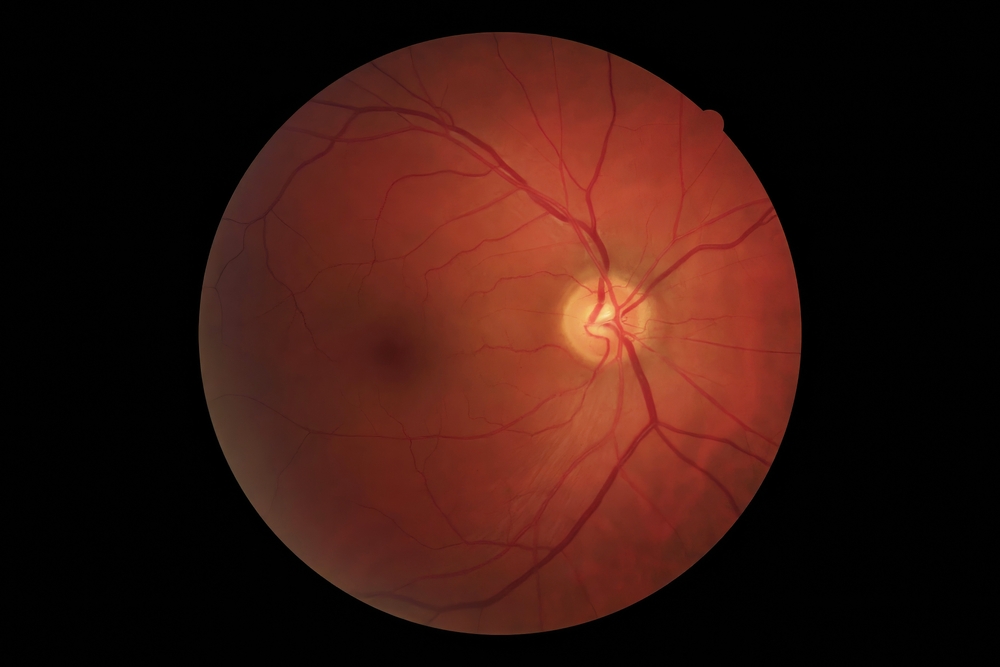
The experimental treatment developed by Life Biosciences targets retinal ganglion cells, which play a crucial role in allowing people to see. These cells connect the retina to the optic nerve, which transmits visual information to the brain. In glaucoma, damage to these cells and their delicate connections can interfere with that process, gradually affecting a person’s ability to see. Researchers are now testing whether changing the cells’ biological programming could help restore some of their lost function.
All three participants completed visual field assessments before receiving the treatment. During these tests, they looked straight ahead while researchers presented small lights at different positions, including above, below, and to either side. Eight weeks after treatment, two participants showed improvements in their ability to detect lights in areas where their vision had previously been impaired. Sharon Rosenzweig-Lipson, chief scientific officer at Life Biosciences, explained that researchers were seeing better evidence that participants could identify lights they had previously missed.
The findings are particularly interesting because glaucoma-related vision loss can be permanent. Current treatments generally focus on lowering pressure inside the eye and preventing further damage, rather than restoring the function of impaired retinal ganglion cells. However, the researchers have only treated three people, and the improvements observed so far are preliminary. Larger studies will be needed to establish whether the changes are clinically meaningful, how long they last, and which patients might benefit most.

How Scientists Are Attempting to Rejuvenate Aging Cells
The treatment builds on research into cellular reprogramming, a scientific approach that explores whether mature cells can be returned to a more youthful biological state. In 2006, Japanese scientist Shinya Yamanaka demonstrated that four specific factors could turn mature cells into stem-cell-like cells with the potential to develop into different cell types. His discovery transformed research into cell biology and earned him the Nobel Prize in Physiology or Medicine in 2012, shared with John Gurdon.
Life Biosciences is testing a modified version of this approach. Instead of using all four reprogramming factors, the researchers selected three to influence the biological instructions inside damaged retinal ganglion cells. Their aim is to help the cells regain some of their former function without completely resetting their identity. Full reprogramming can create serious risks because cells may lose their specialized roles and begin growing uncontrollably, potentially forming tumors known as teratomas.
The treatment is based on research involving David Sinclair, a professor of genetics at Harvard Medical School and co-founder of Life Biosciences, alongside researchers including Yuancheng Lu. Sinclair believes that aging cells can accumulate changes in the instructions controlling which genes are switched on or off. Scientists call this disruption epigenetic noise, and the theory is that reducing it could help cells operate more like they did when they were healthier. Sinclair described the team’s objective by saying, “We are scientifically reversing epigenetic age to restore youthful function.”

Why Glaucoma Is a Focus for This Research
Glaucoma affects the optic nerve and can progressively damage the cells responsible for transmitting visual information. In some people, fluid inside the eye does not drain properly, contributing to increased pressure that damages retinal ganglion cells and their connections. As the damage progresses, people may lose portions of their visual field, sometimes without noticing obvious symptoms during the early stages. Without appropriate treatment, the condition can lead to severe and permanent vision loss.
The researchers are investigating whether some damaged retinal ganglion cells remain capable of functioning if their biological programming can be restored. This differs from approaches that primarily aim to lower eye pressure and protect the cells that are still working. If the treatment proves effective, it could eventually offer an additional strategy for people whose vision has been affected by impaired cell function. However, reprogramming surviving cells would not automatically replace cells that have already died or repair every connection damaged by advanced glaucoma.
The distinction matters when considering what the early results could mean for patients. The current findings do not show that people with advanced glaucoma can regain all their lost vision, and the treatment is not yet an established medical option. Researchers must determine which cells respond to the therapy, whether the improvements are sustained, and how the procedure performs in a larger group. Until those questions are answered, established glaucoma care remains essential for protecting existing vision.
What Researchers Know About Safety So Far
The Phase 1 trial is primarily designed to evaluate whether the experimental treatment can be administered safely. So far, researchers have not reported adverse effects attributed to the reprogramming process itself. The side effects observed have been related to the injections, according to the study team. Although this early information is encouraging, a trial involving only three people cannot identify every possible complication or establish the treatment’s safety profile with confidence.
One feature of the experimental approach is a mechanism that allows researchers to control when the reprogramming factors become active. After receiving the injection, participants took the antibiotic doxycycline for eight weeks. In this system, the antibiotic acts as an on-off switch that enables production of the proteins needed for cellular reprogramming. When participants stopped taking it, production of those proteins stopped as well.
This control mechanism is intended to limit the period during which the reprogramming factors remain active. Researchers could potentially reactivate the process in future studies if additional treatment proves necessary, but repeated activation would require careful evaluation. Scientists need to determine how long the treatment should remain active, whether a longer period produces better results, and whether repeated exposure increases risks. These questions will become increasingly important as the research moves into larger trials.
What Happens Next in the Clinical Trial
The early visual improvements have encouraged the research team to investigate a higher dose. Rosenzweig-Lipson said researchers plan to test a dose three times higher than the initial one to determine whether it remains safe and whether it produces greater benefits. The next stage will need to establish the relationship between dosage, safety, and improvements in vision rather than assuming that a stronger treatment will necessarily work better.
Researchers are also considering whether cellular reprogramming could be studied in people with non-arteritic anterior ischemic optic neuropathy, known as NAION. This condition can cause sudden vision loss when blood flow to the optic nerve is disrupted, and it is more common in people over 50. The researchers hope that restoring some function in retinal ganglion cells could eventually help certain patients affected by this condition, although that possibility has not yet been established through the current trial.
Further research will need to involve more participants and longer periods of follow-up. Scientists must assess whether the improvements seen after eight weeks continue over time and whether the treatment can reliably produce similar results in other patients. They will also need to monitor for complications that might not appear during the earliest stages of treatment. Only after these questions have been investigated can researchers determine whether the therapy has a place in routine eye care.
Could Cellular Reprogramming Help Other Conditions?
The research could eventually have implications beyond glaucoma because aging affects the function of cells throughout the body. Sinclair’s laboratory has reported findings involving brain, knee, back, and liver cells in animal studies. These investigations suggest that researchers are exploring whether similar methods could influence different tissues, although results from animals cannot establish that the approach will be effective or safe in humans.
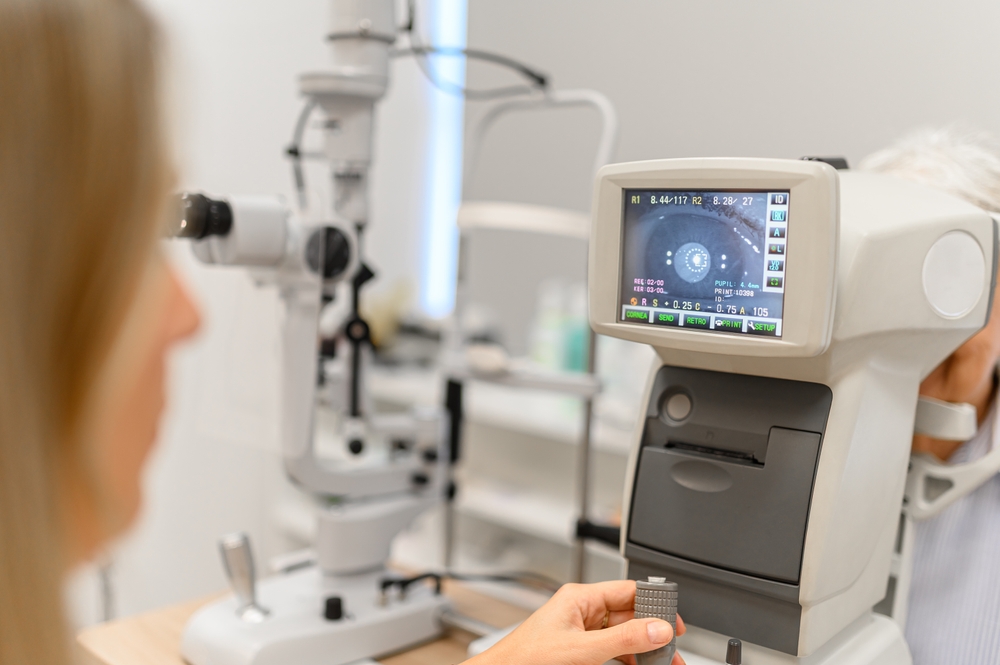
The eye provides a useful setting for early investigation because treatment can be delivered directly into the eye, and visual function can be assessed through established tests. Researchers can monitor changes in participants’ ability to detect light and compare their performance with measurements taken before treatment. Even in this setting, however, the biology is complex, and improvements in one type of cell do not guarantee similar outcomes elsewhere in the body.
If subsequent trials demonstrate lasting benefits without unacceptable risks, partial cellular reprogramming could become an important area of regenerative medicine research. Scientists would still need to develop appropriate methods for different organs and conditions, each with its own safety concerns. For now, the glaucoma trial offers an early opportunity to study whether changing the biological instructions inside damaged cells can help restore a function that aging and disease have disrupted.
What People With Glaucoma Should Know
The possibility of restoring impaired eye cells may offer hope to people affected by glaucoma, but the treatment remains experimental. Patients should continue following their prescribed care plans and attending regular eye examinations, since managing eye pressure and monitoring disease progression remain central to protecting vision. Anyone experiencing sudden changes in eyesight should seek urgent medical assessment rather than waiting for a new treatment to become available.
People considering experimental treatments should also look for evidence from larger clinical trials before drawing conclusions about effectiveness. Early results can help researchers decide whether to continue investigating a therapy, but they cannot establish that it will work for everyone or reverse established damage. The next stages of this research will need to show whether the initial improvements persist and whether the treatment can deliver meaningful benefits without introducing new risks.
The most significant question now is whether these early changes can be reproduced safely in more patients. If larger trials confirm that the therapy restores meaningful visual function, researchers could gain a new way to approach some forms of vision loss. Until then, protecting existing vision remains the priority while scientists work to determine whether cellular rejuvenation can become a practical treatment.