
Pancreatic cancer is often described quietly, almost cautiously, by oncologists and researchers alike. Not because it lacks urgency, but because progress has historically been slow, difficult, and fraught with disappointment. So when scientists at Spain’s National Cancer Research Centre (CNIO) reported that they had completely eliminated aggressive pancreatic tumors in mice, the reaction across the scientific community was measured, hopeful, but careful.

This was not a cure for people. No human trials have begun. But it was something equally important in research terms, a clear demonstration that one of cancer’s most stubborn defense mechanisms can be overcome, at least in animal models.
Understanding why this matters, and what it does not yet mean, requires unpacking the biology, the limitations, and the real world context behind the headlines.
Why Pancreatic Cancer Has Been So Difficult to Treat
Pancreatic ductal adenocarcinoma presents a unique convergence of biological and clinical challenges that extend beyond poor survival statistics. The disease often develops without clear or specific early symptoms, which means many patients are diagnosed only after the cancer has reached an advanced stage where surgical removal is no longer possible. Even when detected earlier, the pancreas is anatomically difficult to access, limiting both biopsy accuracy and treatment precision.

The tumor microenvironment adds another layer of complexity. Pancreatic tumors are embedded within a dense and abnormal supportive tissue structure that restricts blood flow and reduces oxygen levels. This environment not only limits the delivery of chemotherapy drugs but also alters how cancer cells respond to stress, making them less vulnerable to treatments that work in other cancers.
In addition, pancreatic cancer cells exhibit a high degree of metabolic flexibility. They are able to switch energy sources and survival strategies when nutrients are scarce or when therapies disrupt normal growth signals. This adaptability allows tumors to persist even under sustained therapeutic pressure, contributing to rapid relapse and disease progression despite aggressive treatment regimens.
The KRAS Problem Researchers Have Been Trying to Solve
KRAS plays a central role in regulating how cells respond to growth signals, functioning as a molecular switch that normally cycles between active and inactive states. In pancreatic ductal adenocarcinoma, KRAS is commonly altered in ways that keep it persistently active, driving continuous cell division and overriding normal growth controls. This makes KRAS a dominant driver of disease, but also a difficult therapeutic target because it influences multiple downstream programs at once, including proliferation, survival signaling, and cellular metabolism.
Efforts to target KRAS have long been constrained by the protein’s structure, which offers few stable sites for drug binding, and by the rapid, dynamic nature of its signaling interactions. Although newer inhibitors have shown that direct targeting is possible in some cancers, pancreatic tumors most often harbor KRAS alterations that differ from those successfully targeted elsewhere, limiting how readily existing approaches can be applied.
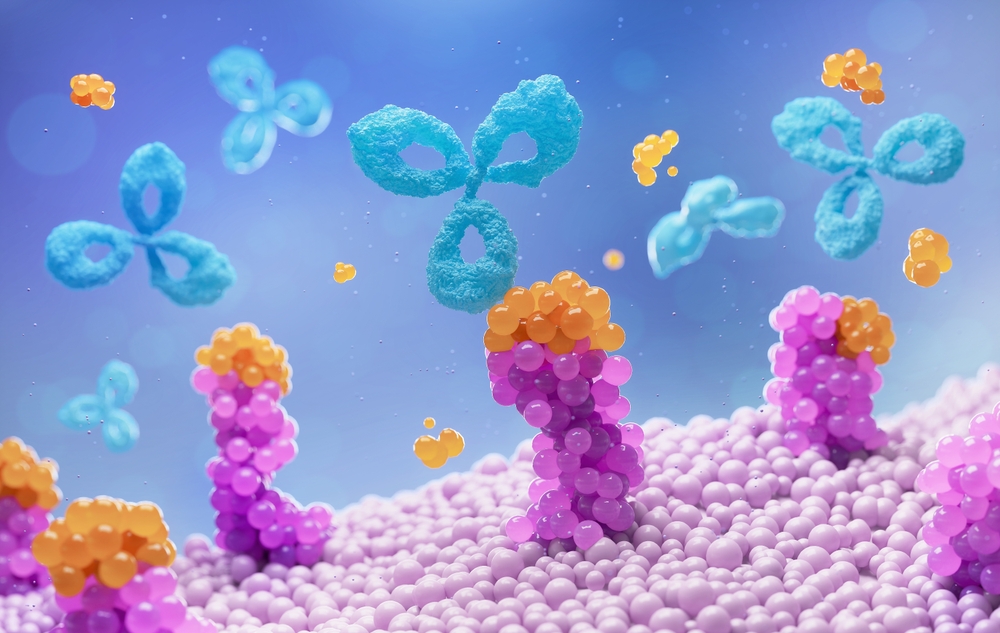
Compounding this challenge is the dense signaling network that surrounds KRAS. When one pathway is suppressed, pancreatic cancer cells can activate alternative routes to maintain growth and survival. This has shifted research thinking away from single target solutions toward broader strategies that account for the interconnected nature of KRAS driven signaling. This perspective reflects decades of work by molecular oncologist Mariano Barbacid, whose research has consistently emphasized that durable responses are more likely to emerge from disrupting entire signaling systems rather than isolated molecular faults. That long term view helps explain why the current findings are being taken seriously, even at a strictly preclinical stage.
The Triple-Target Strategy Tested in Mice
Rather than focusing on a single molecular intervention, the CNIO team designed a coordinated approach that acted at multiple points along the same signaling pathway. The strategy paired an experimental KRAS inhibitor with an already approved lung cancer drug that interferes with compensatory signaling, alongside a protein degrader intended to remove key KRAS associated proteins from the cell. Each component addressed a different functional dependency within the tumor, with the aim of limiting the cancer cells’ ability to adapt once treatment pressure was applied.

What distinguishes this approach is not the novelty of any single agent, but the way the combination was structured to function as a unified system. By constraining both the primary growth signal and the secondary pathways that typically sustain tumor survival, the researchers sought to reduce the likelihood that pancreatic cancer cells could reestablish signaling through alternative routes. This design reflects a deliberate effort to move beyond sequential or additive therapies and toward combinations that anticipate resistance before it emerges.
In a press release published by CNIO, the institute reported that the combination therapy resulted in complete tumor regression across three different mouse models, with no resistance observed during the treatment period. The researchers emphasized that overcoming resistance rather than achieving an initial response has been one of the central challenges in pancreatic cancer research.
Why Mouse Studies Still Matter and What Comes Next
Animal studies continue to play a foundational role in cancer research because they allow scientists to explore questions that cannot yet be answered safely or ethically in people. Mouse models make it possible to test complex treatment combinations, observe how tumors behave over extended periods, and identify biological signals that may help predict which approaches are worth advancing. In the context of pancreatic cancer, where resistance to therapy is common, the ability to monitor whether tumors adapt or relapse over time is especially valuable. In this study, the significance lay not only in tumor regression, but in the sustained absence of resistance across multiple models, a result that remains uncommon in this field.
At the same time, the researchers have been clear about the limits of what these findings represent. The work is not ready for clinical use, and several steps must occur before human trials could be considered. These include refining drug dosing to minimize potential toxicity, confirming the results in additional experimental systems, and navigating regulatory review for combination testing. Each of these stages takes time, and many promising preclinical approaches do not ultimately translate into effective treatments for patients. Even so, the study offers a proof of concept that may shape how future pancreatic cancer trials are designed, particularly those aimed at addressing resistance as a central problem rather than a secondary outcome.
Practical Health Considerations While Research Continues
While laboratory advances move slowly toward potential clinical relevance, there are still evidence informed steps individuals can take to support overall pancreatic and metabolic health. These actions do not prevent pancreatic cancer outright, nor do they replace medical care, but they reflect risk factors and protective behaviors identified in population level research.

- Maintaining a healthy body weight through balanced nutrition and regular physical activity is consistently associated with lower risk of several cancers, including pancreatic cancer. Diets that emphasize whole foods such as fruits, vegetables, whole grains, and lean protein sources support metabolic stability and help reduce chronic inflammation. These patterns are also linked to improved insulin regulation, which is particularly relevant given the pancreas’s role in glucose metabolism.
- Avoiding tobacco use remains one of the most impactful actions for reducing pancreatic cancer risk. Smoking is one of the strongest modifiable risk factors identified for this disease, and stopping smoking lowers risk over time while also improving cardiovascular and respiratory health. Tobacco avoidance is consistently emphasized across public health and oncology research as a core preventive measure.
- Moderating alcohol consumption can help reduce strain on the pancreas and lower the risk of chronic pancreatitis, a condition that is associated with increased pancreatic cancer risk. Long term heavy alcohol use is known to damage pancreatic tissue, and limiting intake supports both pancreatic and liver health.
- Paying attention to persistent or unusual bodily changes is another practical consideration. Symptoms such as ongoing abdominal discomfort, unexplained weight loss, digestive changes, or new onset diabetes later in life should be discussed with a healthcare professional, particularly for individuals with a family history of pancreatic disease. Early evaluation does not guarantee detection, but it can help rule out other conditions and guide appropriate monitoring when needed.
These measures cannot substitute for advances in treatment, but they represent areas where individuals retain agency while research continues to unfold.
A Measured Step Forward, Not a Cure
Progress in pancreatic cancer research rarely arrives as a single transformative moment. More often, it takes the form of careful, incremental advances that slowly reshape what researchers believe is possible. This study fits squarely into that pattern. It reflects years of accumulated knowledge, disciplined experimentation, and a willingness to confront biological obstacles that have resisted simpler solutions.

The findings do not alter current treatment pathways, nor do they offer immediate benefit to people facing the disease today. Human trials have not begun, and many questions remain unanswered. Yet the work meaningfully challenges the long held belief that KRAS driven pancreatic tumors are beyond sustained control. Demonstrating that resistance can be suppressed in animal models shifts the scientific conversation from whether this barrier can be addressed to how it might eventually be approached.
In the landscape of cancer research, such shifts matter. They expand the boundaries of credible inquiry and guide future investigation, even when clinical impact lies years away. Progress in this field is rarely fast, but it is built on moments like this, when a persistent problem yields enough to suggest a new direction forward.


porntude
Tuesday 10th of February 2026
A really good blog and me back again.