Something has been making people sick across Idaho since mid-May 2026, and health officials spent two weeks piecing together what it was before going public with the scale of it. By the time the Idaho Department of Health and Welfare announced its findings on June 3, nearly 60 people had fallen ill, and the investigation had expanded across six of the state’s seven regional public health districts.
What they found points back to raw milk, and to two separate operations hundreds of miles apart that appear to have sickened people around the same time. For Idaho, it was a familiar situation, arriving with an unfamiliar breadth.
What the State Disclosed on June 3
Since May 19, nearly 60 people in Idaho reported becoming ill after consuming unpasteurized milk. At least 45 of those tested positive for campylobacteriosis, a bacterial infection caused by Campylobacter bacteria. Health officials were careful to note that not everyone who became ill was tested, which means the case count will likely climb as the investigation continues and more patient interviews are completed.
Most of those sickened reported drinking raw milk from one of two operations, one in northern Idaho and one in southern Idaho. Idaho’s Department of Health and Welfare declined to name either producer publicly. Spokesperson AJ McWhorter explained the department’s reasoning plainly, saying the agency didn’t name the milking operations “because this is a potential risk for any raw milk producer.”
Six of the state’s seven regional public health districts are involved in the investigation, including Panhandle District Health, Southwest District Health, Central District Health, Southeastern Idaho Public Health, South Central Public Health, and Eastern Idaho Public Health. Authorities are actively working to identify specific batches from both operations and collect milk samples for laboratory testing. Both producers are cooperating with health officials.
What Campylobacteriosis Does to the Body
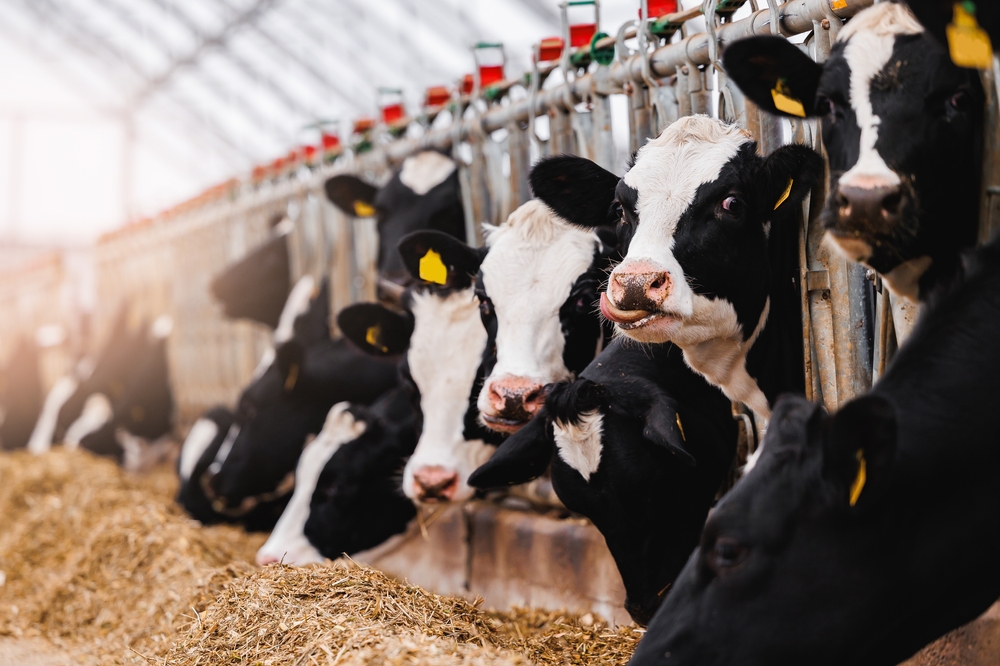
Campylobacter bacteria are carried by cattle, chickens, and other animals, and they are particularly efficient at causing illness. According to the CDC, it takes very few Campylobacter organisms to make a person sick. In this outbreak, the route of exposure was unpasteurized dairy rather than poultry, but the pathogen behaves the same way regardless of how it reaches the body.
Symptoms typically appear between two and five days after exposure. Diarrhea is the most common presentation and it can be bloody. Fever, stomach cramps, nausea, and vomiting accompany it in many cases. Most people recover within a week without needing specific treatment, though some people develop complications that persist considerably longer. For certain groups, the risk of serious outcomes rises significantly beyond the general population.
Young children, pregnant women, elderly individuals, and people with compromised immune systems face the greatest risk of severe illness. Health officials from the Idaho Department of Health and Welfare were direct on this in their public statement, noting that “raw, unpasteurized dairy products can contain bacteria that make people sick, particularly young children, pregnant women, the elderly, and those who are immunocompromised.” Anyone who has recently consumed raw milk and is experiencing symptoms is being urged to seek medical care promptly rather than wait to see whether symptoms resolve on their own.
Beyond dairy, Campylobacter infections can also develop from undercooked poultry, untreated water, and close contact with infected animals or their living environments. In the context of this outbreak, the connection to raw milk is what investigators have established through patient interviews and the geographic distribution of reported illnesses.
Why Raw Milk Carries These Risks
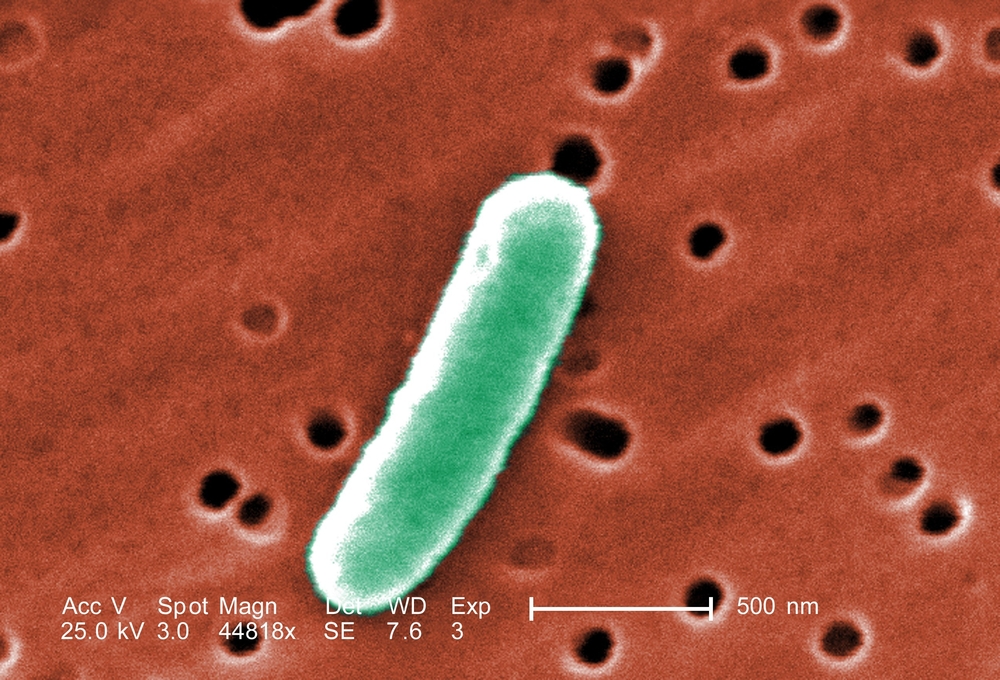
Pasteurization is a process developed by Louis Pasteur in the 1800s that involves heating milk to temperatures sufficient to kill bacteria, including Campylobacter, E. coli, Listeria, and Salmonella. Commercial dairy production adopted it as standard practice because raw milk, drawn directly from animals, can harbor pathogens that cause serious illness in humans. Cattle carry Campylobacter naturally, and contamination during milking or handling can occur without any visible signs that anything is wrong with the product.
Both the CDC and Idaho health officials are consistent in their position that pasteurization does not reduce milk’s nutritional value. Heating milk kills bacteria. It does not meaningfully alter protein, fat, calcium, or vitamin content. That scientific position has not prevented raw milk from attracting a segment of consumers who believe pasteurization removes beneficial enzymes or bacteria, or who prefer minimally processed food on philosophical grounds. Those arguments do not change what happens biologically when Campylobacter bacteria reach the human digestive system.
Under Idaho state law, raw milk can be sold legally through multiple retail outlets. No requirement exists for testing raw milk for Campylobacter, E. coli, or other bacterial contaminants before it reaches consumers. That combination, legal sale without mandatory pre-sale bacterial testing, is what allows a contaminated batch to move from a milking operation into dozens of households before health authorities can detect a pattern through illness reports, which typically arrive with a delay of several days as people fall sick and seek care.
A Pattern That Has Been Building

What happened across Idaho in May and June 2026 was not an isolated event. It was the third significant raw milk outbreak in the state in roughly seven months, and by case count it is the largest of the three. In November 2025, 26 people in Idaho were sickened after drinking raw milk, with six of those cases involving children under the age of 12.
In February 2026, nine people were hospitalized in Ada County after consuming raw milk from a producer called R Bar H. Laboratory testing confirmed the presence of Shiga toxin-producing Escherichia coli, known as STEC, which the National Library of Medicine describes as one of the most potent bacterial toxins known. Among the nine hospitalized, two children developed hemolytic uremic syndrome, a rare but serious E. coli complication that can lead to kidney failure and long-term health consequences. R Bar H pulled its products from shelves and suspended production while that investigation proceeded.
June’s outbreak involves a different bacterial pathogen than February’s and a larger number of confirmed cases than November’s, but the underlying situation is identical. “Both milking operations are working in collaboration with DHW and local public health agencies to identify and fix any potential sources of contamination,” the department stated on June 3, language that described the current investigation but could have applied to either of the preceding two events just as accurately.
Three outbreaks in seven months in a single state, involving different products, different pathogens, and different producers, each connected to the same category of food, is a pattern that health officials are clearly tracking.
The Political Context Surrounding Raw Milk
Raw milk has become an unusual flashpoint in American public life over the past several years, sitting at the intersection of food freedom advocacy, skepticism of regulatory agencies, and the Make America Healthy Again movement associated with the Trump administration. Before taking office, Health and Human Services Secretary Robert F. Kennedy Jr. was a visible champion of raw milk, criticizing the FDA’s stance on the product and suggesting he intended to shift federal policy once confirmed.
Since joining the administration, Kennedy has said very little about raw milk publicly. Producers who anticipated a supportive ally at HHS told the Wall Street Journal in April 2026 that Kennedy had been unresponsive to their requests for meetings. Whatever shift in federal posture they had anticipated has not materialized in any documented form.
None of that political background changes what Campylobacter bacteria do when consumed. Idaho health officials have maintained a consistent public health position through each of the state’s three outbreaks, and that position has not changed based on the political environment surrounding the product.
What People Should Do Now
Anyone who has consumed raw milk from a northern or southern Idaho source since mid-May and is experiencing symptoms consistent with campylobacteriosis should seek medical care without waiting for symptoms to resolve on their own. Most people recover within a week, but complications can develop, and people in higher-risk categories benefit from early medical attention.
Illness can be reported, or additional information can be requested through any of Idaho’s local public health districts. The multi-district investigation is ongoing; additional cases may be identified through continued interviews and testing, and the batches officially identified as concerning have not yet been publicly disclosed. Whether either operation has voluntarily halted production during the investigation, as R Bar H did in February, has not been confirmed.
Raw milk remains legal to sell in Idaho without mandatory pre-sale bacterial testing. Campylobacter has no smell, no taste, and no visible presence in a contaminated batch. Whatever else is true of the ongoing national conversation about raw milk, Idaho’s experience over the past seven months makes the practical stakes of that regulatory gap fairly concrete.