
A single photograph has the power to tell a story that words often cannot. One image shared online captured a quiet moment inside a hospital room: a young man lying in bed, gently embracing the dog that had been by his side since childhood. There were no dramatic speeches or grand gestures. Instead, there was a final goodbye between lifelong companions, a moment filled with love, gratitude, and heartbreaking acceptance. As the image spread across social media, it touched millions of people who saw not just a patient and his pet, but the extraordinary bond that can exist between humans and animals.
Behind that photograph was 21-year-old Mike Petrosino, whose life had been shaped by an eight-year battle with a rare and aggressive form of cancer. Throughout years of surgeries, chemotherapy, and repeated setbacks, Mike became known to friends and family for his remarkable courage and his ability to put others before himself. When doctors eventually told his family that no further treatment could stop the disease, Mike had one final request. Before saying goodbye to the people he loved, he wanted to see Rusty, the childhood dog who had faithfully shared his life’s happiest and hardest moments. Their reunion became more than a touching farewell; it offered a glimpse into the comfort that loyal companions can provide when everything else begins to fade.
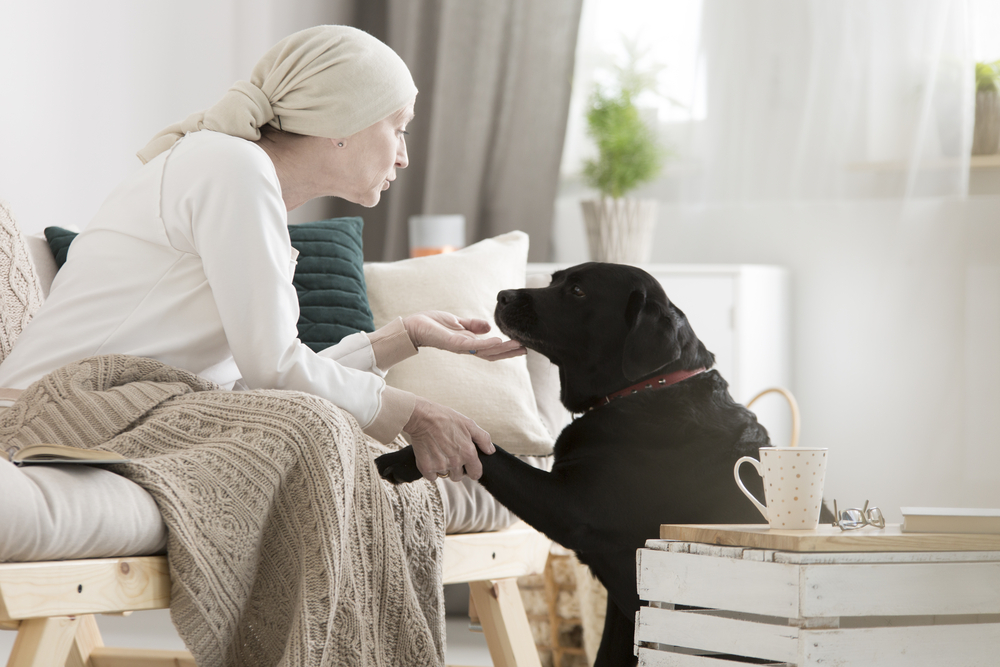
A Childhood Changed by a Rare Cancer Diagnosis
Mike Petrosino was just 13 years old when his life changed forever. In April 2006, only weeks before his fourteenth birthday, doctors diagnosed him with metastatic Ewing sarcoma, a rare cancer that develops in the bones or the soft tissue surrounding them. Although it accounts for only a small percentage of childhood cancers, Ewing sarcoma is known for being particularly aggressive, especially when it has already spread beyond its original location.
By the time Mike received his diagnosis, the disease had already reached several parts of his body, including his collarbone, ribs, shin bones, and lungs. Friends later shared that doctors estimated he had only a three percent chance of surviving his first year. For most families, hearing such statistics would be devastating. Yet Mike approached the challenge with a determination that surprised even those closest to him. Rather than allowing fear to define his future, he committed himself to enduring every treatment that offered even the smallest chance of recovery.
Against overwhelming odds, Mike responded remarkably well to treatment. After months of intensive therapy, he was declared cancer-free, an outcome many physicians had not expected. For a while, life seemed to return to normal. He was able to spend time with family and friends, continue his education, and enjoy the ordinary experiences that every teenager deserves. Unfortunately, the victory did not last. During his senior year of high school, the cancer returned, beginning another chapter in a battle that would continue for years.
The disease came back repeatedly, forcing Mike to undergo multiple rounds of treatment and eventually the amputation of one of his legs. Each recurrence demanded new physical and emotional strength, yet those around him remembered that he rarely focused on his own suffering. Friends recalled that even during hospital visits, Mike was more concerned about comforting the people who came to see him than talking about his own pain. His optimism became one of the qualities that inspired everyone fortunate enough to know him.

The Final Wish That Touched Millions
After eight years of fighting cancer, Mike and his family received the heartbreaking news they had feared for so long. Despite every available treatment, doctors concluded that nothing more could be done to stop the disease. Knowing that his time was limited, friends and relatives gathered at Massachusetts General Hospital to spend precious moments with him. Even then, those who visited noticed that Mike continued to greet everyone with kindness and reassurance, making sure they were coping despite the difficult circumstances.
Among all the farewells that remained, there was one reunion Mike wanted above everything else. He asked to see Rusty, the dog that had been part of his family since childhood. Hospital staff allowed the emotional visit, bringing Rusty into Mike’s room so the two lifelong companions could spend one final moment together. A photograph captured the quiet exchange as Mike gently embraced his beloved dog, creating an image that would later resonate with people around the world.
The story reached an even wider audience after one of Mike’s friends shared the photograph on Reddit alongside a heartfelt explanation of his extraordinary journey. The post described how Mike had battled cancer since the eighth grade, survived far beyond the odds doctors had originally given him, and remained focused on making everyone else feel comfortable despite knowing his own life was coming to an end. Readers responded with an outpouring of compassion, sharing thousands of messages honoring Mike’s courage and expressing sympathy for his family.
Mike’s brother, John Petrosino, later described witnessing the farewell as one of the most emotional experiences of his life. He recalled that Rusty appeared deeply affected during the visit and behaved differently after returning home. According to John, the dog began sitting beside Mike’s favorite couch and whining softly, something the family rarely saw him do before. Whether or not dogs fully understand death remains a subject of scientific study, but for Mike’s family, Rusty’s quiet grief reflected the powerful connection they had shared for years.
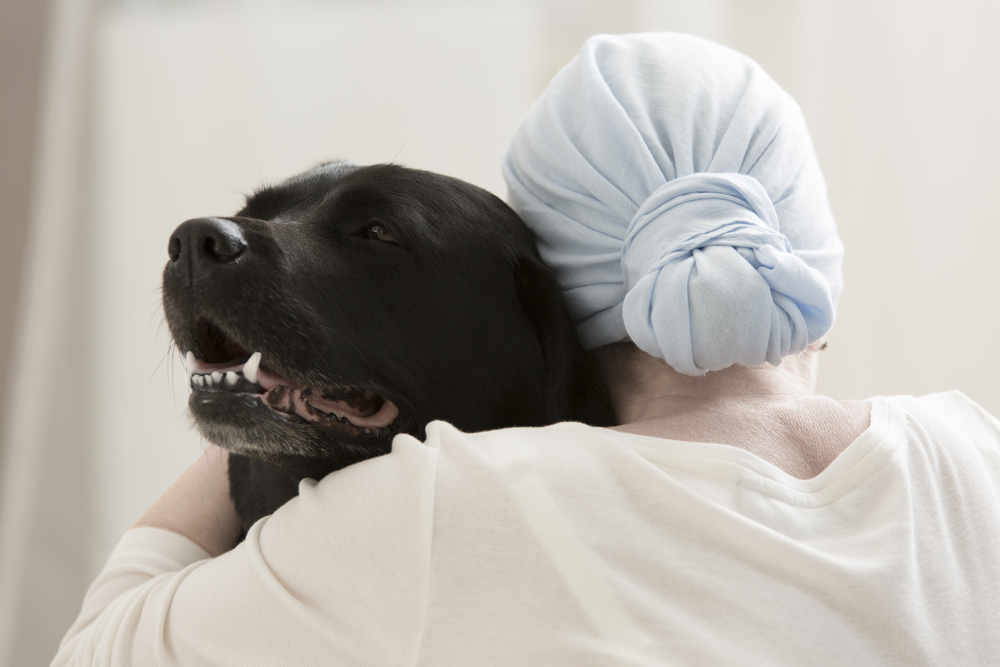
Why the Bond Between Pets and People Runs So Deep
Although Mike’s story is unique, the comfort he found in Rusty’s presence reflects something many pet owners understand instinctively. Animals become woven into the fabric of everyday life. They greet us after long days, celebrate quiet moments without asking for anything in return, and remain loyal through life’s biggest changes. Over time, they become more than companions; they become family members whose presence brings familiarity and emotional security.
Researchers have spent years studying the relationship between people and their pets, and the findings continue to support what many families experience firsthand. Spending time with a trusted dog has been associated with lower levels of stress hormones, improved mood, and a greater sense of emotional well-being. Physical contact, whether through petting, cuddling, or simply sitting beside a beloved animal, may encourage the release of oxytocin, a hormone linked with trust and bonding. While these effects cannot cure disease, they can offer moments of calm during periods of overwhelming uncertainty.
For people facing life-threatening illnesses, those moments often become incredibly valuable. Hospital stays, painful treatments, and the emotional weight of an uncertain future can leave patients feeling isolated. A familiar pet can provide comfort that no medication or conversation can fully replace. Unlike many human interactions, the relationship between a dog and its owner carries no expectations or judgments. The simple act of being together can create a sense of peace when everything else feels uncertain.
This growing understanding has encouraged many healthcare facilities around the world to introduce therapy animal programs. Carefully trained dogs now visit hospitals, rehabilitation centers, and hospices to help reduce anxiety among patients and their families. These visits are not intended to replace medical care, but they recognize that emotional healing deserves attention alongside physical treatment. Mike’s reunion with Rusty serves as a deeply personal example of why these moments matter so much.
Do Dogs Grieve the People They Love?
Following Mike’s final goodbye, his brother shared something that resonated with countless pet owners. Rusty reportedly spent days sitting near Mike’s favorite place in the house, quietly whining as though waiting for his friend to return. Stories like this often raise an emotional question: can dogs truly grieve when they lose someone they love?
Scientists continue to explore this topic, and while researchers avoid assigning human emotions directly to animals, growing evidence suggests that dogs experience noticeable behavioral changes after the loss of a close companion. They are exceptionally observant animals, relying on familiar routines, scents, voices, and body language to understand the world around them. When those patterns suddenly disappear, many dogs respond with confusion, sadness, reduced appetite, changes in sleep, or increased clinginess toward remaining family members.
Veterinarians frequently advise grieving families to be patient with their pets during these transitions. Maintaining regular walks, feeding schedules, and playtime can help provide stability while the animal adjusts to a significant loss. Extra affection, gentle encouragement, and opportunities for exercise may also help dogs gradually adapt to their new routine. Although every animal responds differently, many eventually settle into a new normal while continuing to display affection toward the people still around them.
Rusty’s behavior may never be fully explained by science, but for Mike’s family, it reflected years of unwavering companionship. The dog had shared childhood adventures, difficult recoveries, and countless ordinary days with his owner. It is hardly surprising that such a profound absence would leave a lasting impression on the faithful companion who had never known life without him.
Love Leaves a Lasting Legacy
The photograph of Mike and Rusty continues to circulate years after it was first shared because it reminds us of something easy to overlook in our busy lives. When people reflect on what matters most, they rarely speak about possessions or accomplishments. Instead, they remember the relationships that brought comfort, strength, and unconditional love. Mike’s final wish was not extravagant or complicated. He simply wanted one more moment with the companion who had stood beside him through every chapter of his journey.
His story also offers a gentle reminder not to take those relationships for granted. Whether your companion has four legs or two, spending meaningful time together creates memories that remain long after circumstances change. The routines that seem ordinary today, such as daily walks, quiet evenings on the couch, or excited greetings at the front door, often become the moments we treasure most in hindsight.

ssc mts banking awareness syllabus
Saturday 15th of August 2026
Well worth reading properly rather than skimming. Marks lost to silly mistakes are the cheapest marks to recover. Exam-day logistics cost more candidates marks than anyone likes to admit. This helped, genuinely.
genai program apply online in vijayawada
Wednesday 12th of August 2026
A lot of posts on this topic stay theoretical -- this one does not. Advisory support pays off mostly by preventing avoidable rejections. Collateral-free options exist for far more businesses than actually use them. Subscribed.