A woman in her 80s who had spent years struggling with advanced Alzheimer’s disease reportedly began speaking in full sentences, recognizing family members, and walking more independently after receiving a supervised dose of psilocybin, the psychedelic compound found in magic mushrooms. Her experience has caught the attention of researchers studying brain health and neurodegenerative diseases.
For families watching loved ones gradually lose their memories and independence, the reported changes offer an unexpected reason for hope. Scientists are now interested in whether some abilities that appear lost during advanced dementia could remain temporarily accessible within the damaged brain.
What Happened After the Woman Received Psilocybin?
The case report, published in Frontiers in Neuroscience on May 27, describes a Japanese-American woman in her 80s with a decade-long history of progressive cognitive decline. Her condition had become particularly severe during the previous five years, leaving her increasingly dependent on caregivers for everyday activities.
Before the experimental intervention, she experienced severe cognitive impairment, chronic urinary incontinence, reduced mobility, and significant communication difficulties. She had largely been speaking in single words and required substantial assistance with basic activities, including dressing and moving around.
With permission from her legal guardians, the woman participated in a supervised psilocybin intervention in Brazil. She received 5 grams of psilocybin-containing mushrooms, although the precise amount of active psilocybin was not established. Mushroom potency can vary considerably between individual specimens and varieties.
The initial experience appeared physically intense. Researchers documented profuse sweating and a prolonged sleep-like state following administration. Approximately 19 hours later, however, the woman spontaneously began speaking about personal memories, initiating autobiographical conversations that reportedly continued for several hours.
Her caregivers subsequently noticed changes in several aspects of her daily functioning. She appeared more alert, communicated more freely, and demonstrated abilities that had become severely limited during her years of cognitive decline.
The Improvements Extended Beyond Her Ability to Speak

The reported changes involved several different functions, making the case particularly interesting to researchers studying advanced dementia. Her family and caregivers observed improvements in communication, movement, emotional expression, and independence during the following days and weeks.
Some of the most significant reported changes involved her ability to recognize familiar people, participate in conversations, and recall personal experiences. She also demonstrated improved walking ability and appeared more comfortable performing certain everyday activities without assistance.
One particularly notable development involved urinary continence. The woman reportedly regained bladder control, including during the night, after experiencing chronic incontinence as part of her advanced dementia.
Her ability to dress herself also improved, while caregivers noticed greater eye contact and more reciprocal emotional responses. These observations suggested that changes were occurring across several areas of her everyday functioning rather than communication alone.
For families caring for someone with advanced Alzheimer’s, improvements of this kind can have enormous emotional significance. Communication and independence often become increasingly difficult as the condition progresses, placing considerable demands on both patients and caregivers.
A Second Session Produced Further Reported Changes
Approximately one month after the first administration, the woman received another supervised session involving 3 grams of mushrooms. Researchers subsequently reported additional improvements in her verbal expression and walking agility.
She also appeared more emotionally expressive and demonstrated a greater sense of humor. During the second experience, the case report described positive visions, including an imagined experience of surfing with her son.
The woman also spontaneously stated, “It is pleasant to come here.” Her ability to communicate more freely provided another unusual observation for the researchers documenting her condition.
However, the authors described the improvements as temporary. The available report does not establish precisely how long the changes lasted or whether similar outcomes would occur in other people with advanced Alzheimer’s disease.
Why Scientists Are Interested in Psilocybin and Brain Health

Psilocybin is a naturally occurring psychedelic compound found in more than 200 species of mushrooms. It changes how the brain processes information and influences perception, mood, and other neurological functions.
The compound interacts primarily with a serotonin receptor called 5-HT2A. Serotonin is a chemical messenger involved in regulating mood, perception, and several other functions throughout the nervous system. Receptors are proteins that allow cells to respond to specific chemical signals.
Researchers have become interested in how activating these receptors influences communication between different brain regions. Some studies suggest that psychedelic compounds can temporarily alter established patterns of brain activity and affect the connections between nerve cells.
This research has particular relevance to neuroplasticity, which describes the brain’s ability to reorganize its connections and adapt to experiences. Neuroplasticity supports learning, memory formation, and certain aspects of recovery following neurological injury.
Alzheimer’s disease progressively damages the brain’s communication systems. As nerve cells become damaged or die, people can experience increasing difficulty remembering information, recognizing familiar individuals, communicating, and performing everyday activities.
Scientists want to understand whether influencing surviving brain networks could help make certain abilities more accessible, even when neurological damage has already occurred. The woman’s experience has raised questions about this possibility, although researchers have not established that this mechanism explains her reported improvements.
Could Psilocybin Encourage New Brain Connections?
Preclinical studies suggest that psilocybin may encourage the formation of dendritic spines. These tiny structures extend from nerve cells and help them communicate with neighboring cells, supporting the connections involved in brain function.
Researchers have also examined the relationship between psychedelic compounds and brain-derived neurotrophic factor, commonly known as BDNF. This protein plays an important role in maintaining nerve-cell connections and supporting processes associated with neuroplasticity.
These findings have attracted interest because Alzheimer’s disease involves progressive damage to the networks responsible for thinking and memory. Researchers are investigating whether compounds that influence these processes could eventually contribute to new approaches for supporting brain health.
However, laboratory findings cannot establish that the same effects occur in people with advanced Alzheimer’s. The case report did not include brain scans demonstrating that psilocybin had repaired or rebuilt the woman’s neural connections.
The proposed biological explanations therefore remain hypotheses requiring further investigation. Scientists will need controlled human studies to determine whether these mechanisms have meaningful effects in people experiencing neurodegenerative disease.
The Oliver Sacks Comparison Raises Another Interesting Question

Some researchers have drawn comparisons between this case and the experiences documented by neurologist Oliver Sacks in his 1973 book Awakenings. Sacks described patients with severe Parkinsonian symptoms who experienced dramatic changes in movement after receiving L-dopa, a medication that increases dopamine availability in the brain.
Some patients who had struggled with movement for years suddenly regained abilities that appeared to have disappeared. These changes offered neurologists valuable insights into the relationship between brain chemistry and physical functioning.
The comparison with the Alzheimer’s case is interesting because both situations involve people experiencing temporary improvements in abilities that had been severely impaired. However, the underlying diseases and treatments are entirely different, and the comparison should not be interpreted as evidence of a shared mechanism.
The case raises an important question about neurological function. Can some abilities remain present within damaged brain systems even when a person can no longer access them consistently?
Researchers cannot yet answer that question. Nevertheless, studying how surviving brain networks respond to different chemical signals could help scientists better understand the relationship between neurodegeneration and remaining cognitive abilities.
What the Case Does Not Prove About Alzheimer’s Disease
Despite the encouraging observations, there are several reasons to approach the findings cautiously. The report involved one patient, meaning researchers cannot determine whether the same experience would occur in other people with advanced dementia.
There was no control group, which would have allowed investigators to compare the woman’s experience with patients receiving a different intervention or no intervention. Her diagnosis was based on clinical history rather than confirmation through Alzheimer’s biomarkers, such as specific biological indicators detectable through brain imaging or spinal fluid testing.
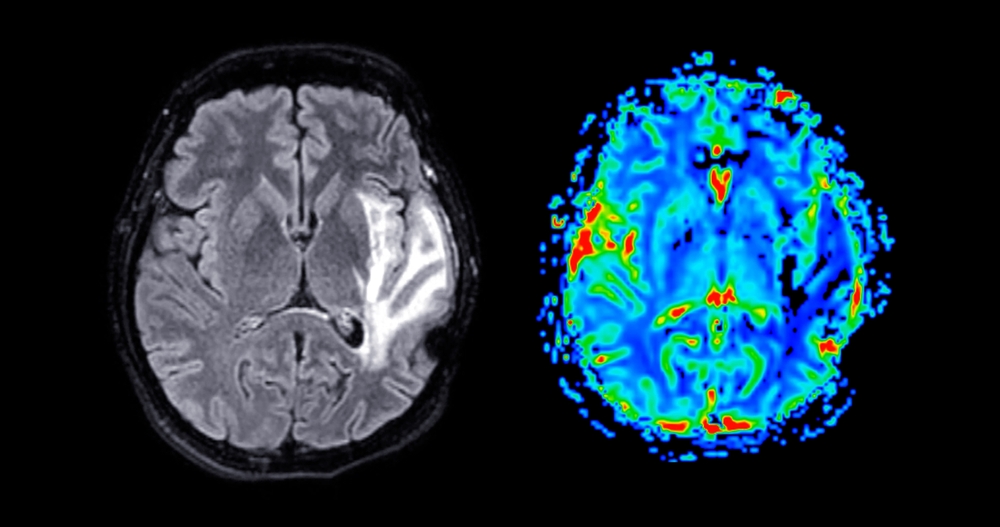
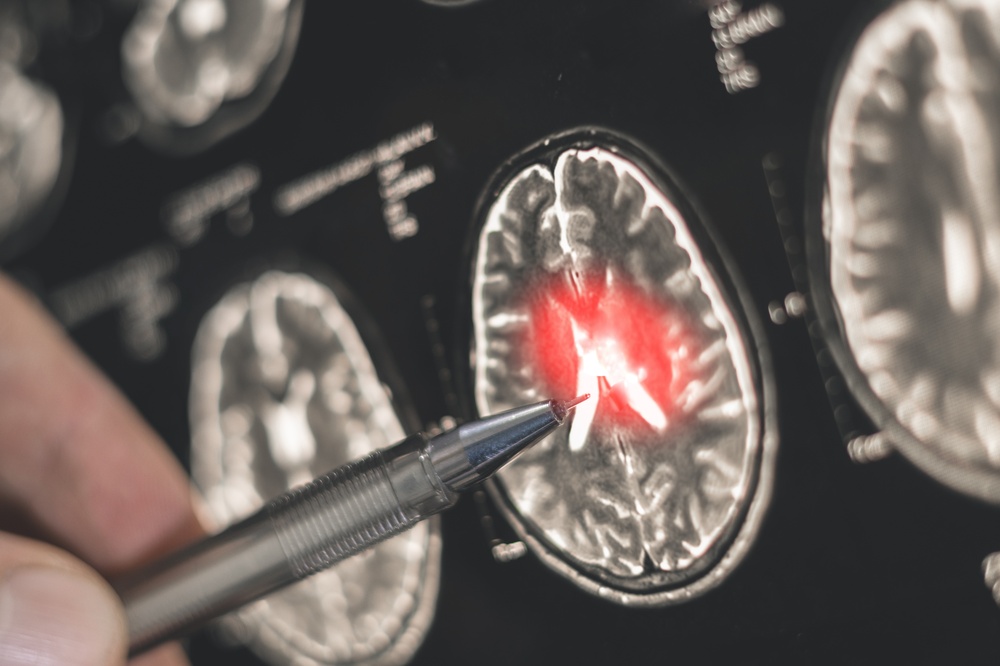
Researchers also did not conduct advanced neuroimaging to identify changes in neurological activity. Furthermore, there was no standardized cognitive testing that could objectively measure her abilities before and after treatment.
Many of the reported improvements were based on observations from caregivers and family members. These observations provide valuable information about everyday functioning, but they cannot independently establish that psilocybin caused the changes.
Alzheimer’s disease involves complex biological processes, including abnormal protein accumulation, inflammation, damage to neural connections, and the eventual loss of nerve cells. There is currently no evidence from this case that psilocybin reversed these underlying disease processes.
Neuroscientist Dustin Hines, an associate professor of psychology at the University of Nevada, Las Vegas, discussed the findings with Medical News Today. He described the reported improvements as extraordinary, particularly given the woman’s history of severe impairment.
“The story is remarkable because the patient reportedly had advanced Alzheimer’s with years of severe impairment, then showed transient gains. That is extraordinary,” Hines said.
He also emphasized that the temporary nature of the changes must remain central to how the findings are interpreted. According to Hines, the observations do not demonstrate that Alzheimer’s disease has been reversed.
This distinction is essential when evaluating experimental treatments for serious neurological conditions. A dramatic improvement in one patient can provide researchers with valuable questions to investigate, but it cannot establish an effective treatment.
Could Psilocybin Become Part of Future Dementia Research?

Interest in psilocybin has increased over the past decade, particularly in studies examining depression, anxiety, and certain mental health conditions. Researchers have investigated how carefully supervised psychedelic experiences affect mood and communication between brain networks.
Some clinical studies have reported encouraging findings in specific psychiatric conditions. However, results from depression research cannot automatically be applied to Alzheimer’s disease, which involves progressive neurological damage and presents different treatment challenges.
Scientists are also investigating how psychedelic compounds affect neuroplasticity and brain connectivity in older adults. Separate research at the University of California, Berkeley, is examining the effects of synthetic psilocybin in cognitively healthy adults aged 60 to 85.
That research is examining brain activity and cognitive function in older adults. It is important to understand that the study is not testing psilocybin as a treatment for dementia or advanced Alzheimer’s disease.
Further investigations would need to establish whether similar improvements occur in other patients and whether those changes can be measured using standardized assessments. Researchers would also need to determine how long the effects last and which individuals, if any, might benefit from this approach.
Safety would require equally careful investigation. Older adults with dementia may have other medical conditions, take multiple medications, and experience mobility difficulties that could increase the risks associated with psychedelic treatment.
Larger controlled studies would also need to establish whether psilocybin directly produces the reported changes or whether other factors contributed to the observations. Until that evidence becomes available, the treatment remains experimental.
Why Safety Must Come Before Experimentation
The woman’s experience may encourage families searching for new possibilities in dementia care. However, psychedelic substances carry significant risks, particularly for older adults with complex medical needs.
Psilocybin can cause hallucinations, altered perception, confusion, anxiety, and frightening psychological experiences. These effects can become particularly distressing for someone who already struggles with memory, orientation, and communication.
For people with advanced dementia, confusion during an intense psychedelic experience could increase the risk of falls, accidental injuries, and psychological distress. Older adults may also have additional vulnerabilities involving cardiovascular health, mobility, and interactions with existing medications.
The woman’s experience itself involved profuse sweating and a prolonged sleep-like state. Researchers also documented concerns about possible physical stress during the initial phase of treatment.
The absence of a reported lasting complication does not establish that the intervention is safe for other patients. Different individuals may respond differently depending on their health, medications, and the severity of their neurological condition.
The US Food and Drug Administration has not approved psilocybin for medical use. It should therefore not be considered an established treatment for Alzheimer’s or another form of dementia.
Hines offered a direct warning to families considering the possibility of experimenting with psychedelic mushrooms.
“Do not try this at home on yourself or a loved one with dementia,” he told Medical News Today.
That advice deserves serious attention. An unusual improvement in one patient cannot establish that an experimental intervention is safe or effective for others.
Supporting Brain Health While Researchers Continue Their Work
While scientists investigate experimental treatments, families can continue focusing on established approaches to dementia care. Everyday support can help people with Alzheimer’s maintain comfort, dignity, and as much independence as their condition allows.
Physical activity, balanced nutrition, consistent routines, and meaningful social interactions can contribute to overall well-being. These habits do not cure Alzheimer’s, but they can support general health and help families create a more comfortable environment for someone living with dementia.
A few practical approaches can make everyday care more manageable.
- Maintain familiar routines: Consistent meal times, sleep schedules, and daily activities can help reduce confusion and provide a sense of familiarity.
- Encourage gentle movement: Walking and other appropriate physical activities can support mobility, circulation, and general physical health.
- Offer balanced meals: Vegetables, fruits, whole grains, and sources of healthy fats can contribute to a nutritious eating pattern.
- Keep communication simple: Short sentences, familiar topics, and a calm environment can make conversations easier for someone experiencing memory difficulties.
- Encourage social connection: Familiar music, family photographs, and meaningful interactions can provide opportunities for engagement.
- Prioritize caregiver support: Caring for someone with dementia can be physically and emotionally demanding, making regular breaks and practical assistance important.
Families should also maintain communication with healthcare professionals as symptoms change. Medical guidance can help address mobility concerns, sleep difficulties, nutrition, medication management, and other challenges associated with dementia.
A Case That Deserves Further Scientific Investigation
The woman’s reported improvements offer researchers an unusual opportunity to investigate how the aging brain responds to psychedelic compounds. Her experience raises questions about neuroplasticity and whether some cognitive and physical abilities can remain temporarily accessible despite severe neurological damage.
However, one patient’s experience cannot establish an effective treatment or demonstrate that Alzheimer’s disease can be reversed. Researchers will need larger, carefully controlled studies to understand whether similar changes can occur safely and consistently.
For families affected by dementia, the most meaningful development would be a scientifically verified treatment that helps people preserve their independence and quality of life. Until then, this case remains an intriguing research observation rather than a reason to abandon established medical care.