A virus that has primarily been found in animals has now been detected in a human for the first time, following the death of a patient in France. The case has raised questions about how the infection occurred, whether it can affect other people, and what scientists still need to learn about the disease.
The patient was already receiving treatment for a serious illness and had a severely weakened immune system. French health authorities have stated that no health risk to the general population has been identified so far. However, investigators are working with the World Health Organization (WHO) to establish how the infection happened and whether the case reveals a previously unrecognised risk to human health.
What Happened In The First Human Case Of Shamonda Virus?
The patient died in early October 2026 after becoming infected with Shamonda virus, according to information released by French health and agriculture authorities on October 22. The infection marks the first recorded human case of a virus primarily associated with livestock, including cattle, sheep, goats, horses and alpacas. Scientists are now investigating the circumstances surrounding the infection to understand how the virus crossed from its usual animal hosts to a human.
The patient had been receiving treatment for a serious underlying illness and was immunocompromised, meaning his immune system was weakened. This can leave the body less able to fight infections and increase the risk of complications. However, the available information does not establish whether Shamonda virus directly caused his death or how much the infection contributed to his condition. Investigators will need further clinical evidence to determine the role the virus played in the case.
The discovery has prompted health authorities to examine the patient’s possible exposure to infected animals and biting insects. The patient had been in an area where Shamonda virus was circulating among animals and where Culicoides midges were present. These tiny biting insects are suspected of playing a role in transmission, although the precise route of infection has not yet been confirmed.
Should You Be Worried About Shamonda Virus?
The discovery of a previously animal-associated virus in a human can understandably raise concerns, particularly when the case involves a death. However, French authorities have stated that no health risk to the general population has been identified at this stage. The investigation is continuing, and scientists are examining whether the infection occurred under unusual circumstances because of the patient’s existing medical condition.
A single confirmed human case cannot establish how easily a virus might infect other people or how severe the illness could be in someone with a healthy immune system. Researchers also need to determine whether the infection was an isolated event or whether similar cases could have gone undetected. At present, there is insufficient evidence to conclude that Shamonda virus spreads readily between humans or presents a widespread public health threat.
The World Health Organization is working with French authorities to investigate the circumstances of the infection, possible transmission routes and any potential implications for public health. Until more information becomes available, the current assessment should be understood in context. Officials have not identified a general public health risk, but further investigation remains necessary because this is the first documented human infection.
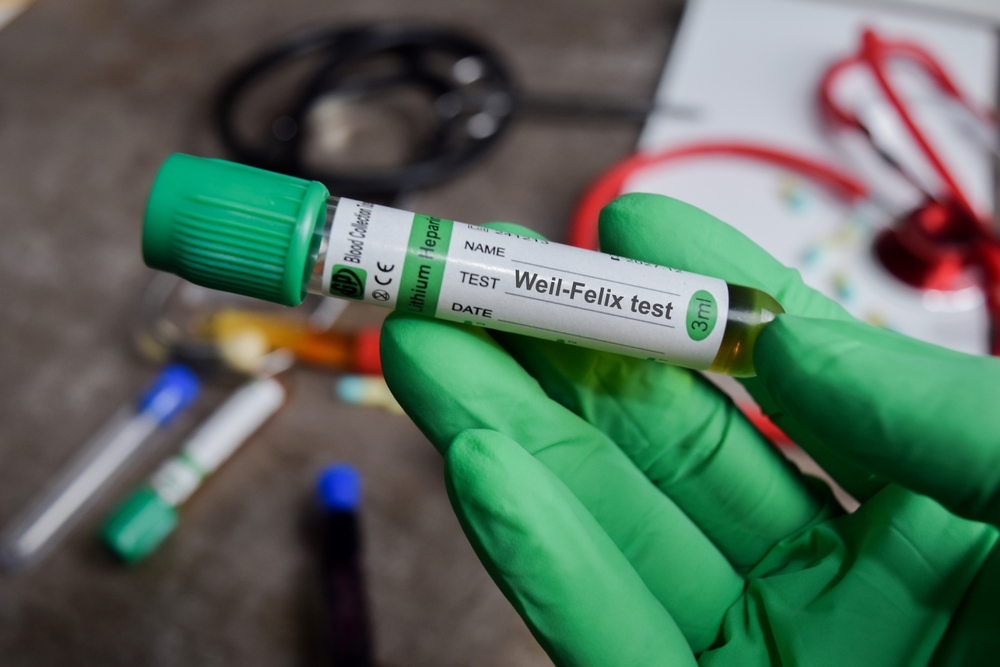
What Is Shamonda Virus And Where Is It Found?
Shamonda virus is an animal-associated virus that has primarily been identified in livestock. It belongs to the Orthobunyavirus group, which includes viruses associated with animal infections and insect transmission. The virus was first isolated from cattle in Nigeria in 1965 and has subsequently been detected in animals in other regions, including parts of Africa and Japan.
Livestock infections have attracted attention because the virus can circulate among animals without necessarily being recognised as a human health concern. Cattle are among the main animals associated with Shamonda virus, while sheep, goats, horses and alpacas have also been identified as potential hosts. Researchers monitor these infections to understand how the virus behaves in animal populations and whether changes in its distribution could create new opportunities for exposure.

Which Animals Can Carry The Virus?
Shamonda virus is primarily associated with several types of livestock, although the effects of infection can differ between species. Understanding the animals involved helps researchers identify areas where the virus may be circulating and investigate possible exposure routes.
- Cattle: These animals are among the main hosts associated with Shamonda virus and have been important in its historical detection.
- Sheep and goats: These livestock species have also been associated with the virus, making animal surveillance important in affected areas.
- Horses: Equine infections have been reported, and researchers continue to investigate the virus’s effects across different animal populations.
- Alpacas: These animals have also been associated with infection, demonstrating that the virus is not restricted to cattle.
The presence of a virus in animals does not automatically mean it can infect humans. Scientists must establish how exposure occurs, whether infection can develop in people, and what symptoms or complications might follow. The French case provides a new reason to investigate these questions, but one case cannot establish the full range of possible outcomes.
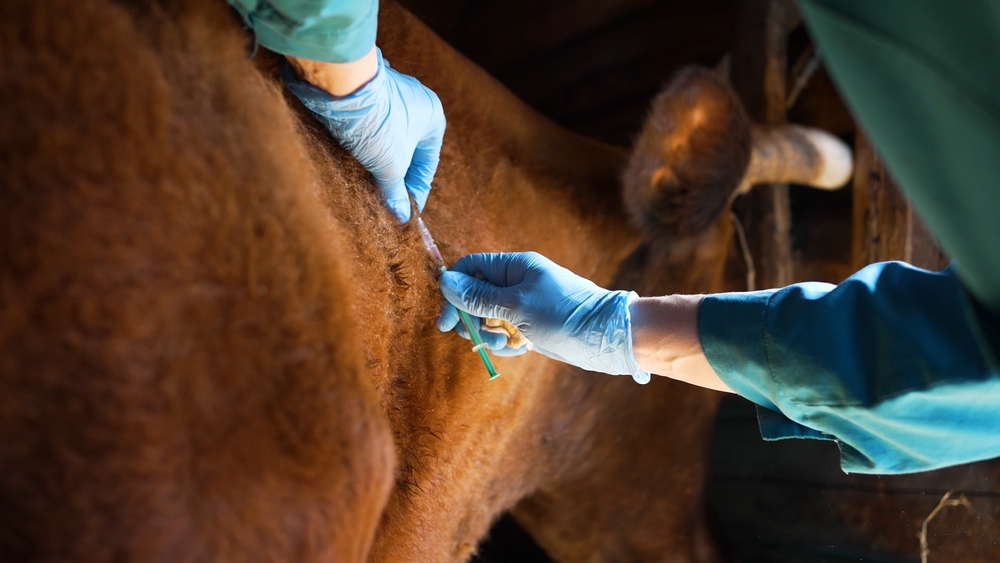
How Could Shamonda Virus Have Infected A Human?
One of the leading questions concerns the possible role of Culicoides midges. These small, biting insects can transmit certain pathogens between animal hosts, and their presence in the area where the patient had been exposed has made them a focus of the investigation. Researchers are examining whether an infected midge could have transmitted Shamonda virus to the patient.
Midges are much smaller than mosquitoes and can be difficult to notice. Some species feed on the blood of animals, allowing certain viruses to move between hosts. However, the precise transmission process for Shamonda virus requires further study, and investigators have not established exactly how the patient became infected.
What Scientists Still Need To Establish
Several unanswered questions could help determine whether this case represents an isolated infection or a previously overlooked route of transmission. Researchers need to establish the patient’s likely exposure, investigate the role of biting insects, and assess whether the virus can infect humans under circumstances different from those seen in this case.
The investigation also needs to distinguish between a suspected transmission route and a confirmed one. The presence of midges in an area where infected animals have been identified does not prove that an insect bite caused the patient’s infection. Additional laboratory and epidemiological evidence will be needed to establish the connection and assess whether similar exposures could affect other people.
Why A Weakened Immune System Matters
The patient’s immunocompromised condition is a significant part of the case. The immune system protects the body by recognising and responding to harmful pathogens. When that defence system is weakened by an illness or its treatment, the body may struggle to control infections that would otherwise be less severe.
People can become immunocompromised for different reasons, including certain cancers, immune system disorders and treatments that suppress immune activity. The degree of vulnerability varies, so not everyone with a weakened immune system faces the same risks. In this case, the patient’s serious underlying illness makes it particularly important for investigators to understand how the infection developed.
Scientists cannot yet determine whether Shamonda virus would cause illness in a person with a healthy immune system or whether the patient’s medical condition played a decisive role in the outcome. The available evidence is too limited to answer that question. Further cases, if identified, would help researchers compare symptoms, underlying health conditions and clinical outcomes.
Is There A Vaccine Or Specific Treatment Available?
There are currently no commercially available vaccines specifically for Shamonda virus, according to the World Organisation for Animal Health (WOAH). A lack of a specific vaccine means that preventing exposure and understanding transmission remain important areas of research, particularly for animal populations where the virus is circulating.
The absence of a vaccine does not mean that a widespread outbreak is inevitable. Public health risk depends on several factors, including how the virus spreads, whether it can pass between humans, and how frequently people are exposed. Those details remain under investigation, so the discovery of the first human case should not be interpreted as evidence that the virus is spreading through the wider population.
There is also limited information about how Shamonda virus affects humans and what medical treatment might be appropriate for a confirmed human infection. Because this is the first documented case, researchers have very little clinical evidence on which to base conclusions. Further investigation will be necessary to understand the course of infection and identify appropriate approaches to patient care.
What Can You Do To Reduce Your Exposure To Biting Insects?
Although authorities have not identified a general public health risk from Shamonda virus, reducing exposure to biting insects can be a sensible precaution in areas where such insects are common. People who work around livestock or spend time outdoors in affected agricultural areas can follow local public health and veterinary advice.
Practical steps include:
- Use suitable insect repellent: Choose a product appropriate for your circumstances and follow the instructions on its label.
- Cover exposed skin: Wear long sleeves and trousers when spending time in areas where biting insects are active.
- Follow local guidance: Pay attention to advice from public health and animal health authorities if virus activity is reported in your area.
- Take care around livestock: Follow established hygiene and workplace safety practices when working with farm animals.
These are general measures for reducing insect bites, rather than specific recommendations issued in response to a confirmed human outbreak. There is currently no evidence in the available information that ordinary daily activities carry a newly established risk from Shamonda virus.
Anyone with a weakened immune system who is concerned about possible exposure can discuss their circumstances with their healthcare provider. People who develop concerning symptoms after a suspected exposure should seek appropriate medical advice rather than assuming that they have contracted this particular virus.
What Happens Next In The Shamonda Virus Investigation?
WHO and French authorities are continuing to investigate how the patient became infected and whether the case has implications for public health. Their work includes examining potential transmission routes and assessing the relationship between the human infection and the virus circulating among animals. Surveillance of livestock and biting insects can also help researchers understand where the virus is present and how exposure might occur.
Several questions remain central to the investigation:
- The source of infection: Researchers need to establish how the patient was exposed to Shamonda virus.
- The patient’s death: Further clinical assessment is needed to determine whether the infection caused or contributed to the fatal outcome.
- Transmission to humans: Scientists must clarify whether biting midges were responsible and whether other transmission routes are possible.
- The risk to the public: Continued monitoring can help identify whether additional human cases occur.
- The effects of infection: More evidence is needed to understand how the virus might affect people with different health conditions.
These investigations will help health authorities make a more informed assessment as new evidence emerges. For now, the first documented human case has raised important scientific questions, but it has not established that Shamonda virus poses a widespread threat to people.
The key issue is what researchers discover next. Establishing how the patient became infected and whether the virus can cause illness in other people will determine how seriously the wider public health implications need to be treated.