An Ebola outbreak that has killed thousands of people in the Democratic Republic of Congo has spread beyond its borders, prompting health authorities across multiple countries to intensify efforts to identify infections and prevent further transmission. Nigeria has now confirmed a case in its capital, Abuja, while Kenya continues to report infections linked to the outbreak. The situation has raised fresh concerns about how quickly the virus can travel between countries when infected people develop symptoms before their illness is identified.
The outbreak began in eastern Congo in mid-May and has since reached several regions across Africa, with France also reporting a case earlier in the year. At least 9,500 people have reportedly been infected in Congo, including at least 4,600 who have died. The virus responsible is the rare Bundibugyo type of Ebola, for which there is no approved vaccine or drug. As authorities work to trace contacts and monitor potential exposures, early detection remains central to efforts to prevent further cases.

How The Ebola Outbreak Spread Across Countries
The outbreak was first declared in eastern Democratic Republic of Congo in mid-May. Since then, infections have been identified in Uganda, Kenya, Nigeria, and France, making this outbreak geographically widespread across three African regions. The World Health Organization has described it as the fastest-growing Ebola outbreak in history, while the growing number of affected countries has placed additional pressure on health teams responsible for identifying cases and tracing possible contacts.
Several of the reported cases outside Congo involved people who had traveled across borders before their infections were confirmed. In Uganda, the first patients included people from Congo who crossed the border seeking medical treatment for an illness that had not yet been identified as Ebola. Kenya’s first patient traveled from Congo through Uganda before reaching Nairobi, while Nigeria’s first reported patient had returned from Uganda. These cases demonstrate how an infection can reach another location before authorities have enough information to recognize the outbreak connection.
Delays in identifying the virus can complicate efforts to contain an outbreak because patients may have already visited hospitals, traveled between cities, or spent time with other people before receiving a diagnosis. Health teams must then establish where the patient went, identify people who may have been exposed, and determine whether additional infections have occurred. The latest developments have made contact tracing and surveillance important parts of the response, particularly in countries where new cases have only recently been confirmed.
Nigeria Confirms An Ebola Case In Abuja
Nigeria became the latest country affected by the outbreak after confirming an Ebola infection in a woman in Abuja. She had returned from Uganda approximately two weeks earlier and began experiencing symptoms on October 7. She was admitted to a private hospital in the Nigerian capital on October 11, where she was later diagnosed with the virus. The exact date she arrived in Nigeria remained unclear in the latest report, leaving investigators to establish the details of her movements before and after symptoms appeared.
Health authorities began tracing 44 people identified as contacts of the patient. Nigeria’s Health Minister, Muhammad Pate, said officials were “doing everything possible to contain this case.” The investigation aims to establish whether anyone who had contact with the woman may have been exposed and requires further monitoring. The identification of contacts does not mean those individuals are infected, but monitoring them can help health teams recognize possible additional cases promptly.
The case has drawn attention to the importance of recognizing symptoms and identifying possible exposure histories early. When a serious infectious disease is diagnosed after someone has traveled internationally, investigators may need to coordinate information across several locations. For Nigeria, the immediate priority is to monitor the identified contacts and determine whether any additional infections emerge. The available information does not establish that the virus has spread beyond the contacts already identified by authorities.
Kenya Reports Nine Cases As Investigations Continue
Kenya confirmed its first Ebola case on October 6, involving a man who traveled from Congo through Uganda before arriving in Nairobi on October 3. He tested positive on October 5 and died the same day. By October 22, the reported number of cases in Kenya had risen to nine, including four relatives of the first patient and four healthcare workers. The cases have prompted further investigations into possible exposure and the connections between infected individuals.
Authorities identified 135 contacts linked to the nine patients, with 134 reportedly in quarantine. Kenya’s Health Ministry said there was no evidence of transmission beyond the known contacts of the first patient at that point. This distinction is important because investigators need to establish whether new cases are connected to already identified infections or indicate that transmission has spread further. The absence of evidence of wider transmission was the position reported at the time, rather than a guarantee that additional cases could not appear.
Healthcare workers are among those affected in Kenya, highlighting the exposure risks that can arise when patients need medical attention before their illness has been identified. Early recognition of a suspected infection allows medical facilities to introduce appropriate precautions and assess which staff members may have been exposed. The available report does not provide further details about the circumstances of the healthcare workers’ infections, but their inclusion in the case count underscores the need for careful monitoring in medical settings.
Uganda Reports No New Cases After Its Outbreak Ends
Uganda confirmed its outbreak on the same day as neighboring Congo, after detecting Ebola in a man who had traveled from Congo. The first cases included Congolese patients who crossed the border to seek treatment for an illness that had not yet been identified as Ebola. Uganda eventually recorded 20 confirmed cases, including 15 patients from Congo. Eighteen people recovered, while two died, and health authorities worked to identify others who might have been exposed during the outbreak.
The World Health Organization declared Uganda’s outbreak over on August 27. More than 800 contacts had been identified and monitored during the response, and Uganda reported no new cases as of October 20. The absence of new infections represents a different stage of the outbreak compared with the active cases reported in Nigeria and Kenya. It also illustrates the scale of follow-up work that may be required when an infectious disease crosses a border before authorities recognize it.
Uganda’s experience demonstrates why outbreak monitoring involves more than confirming infections and treating patients. Health teams must also identify contacts, monitor people who may have been exposed, and establish whether further cases develop. The reported end of Uganda’s outbreak is encouraging, although the information provided does not detail every measure used during its response. Its experience remains relevant as neighboring countries continue investigations linked to travel from Congo.
France Recorded The Only Case Outside Africa
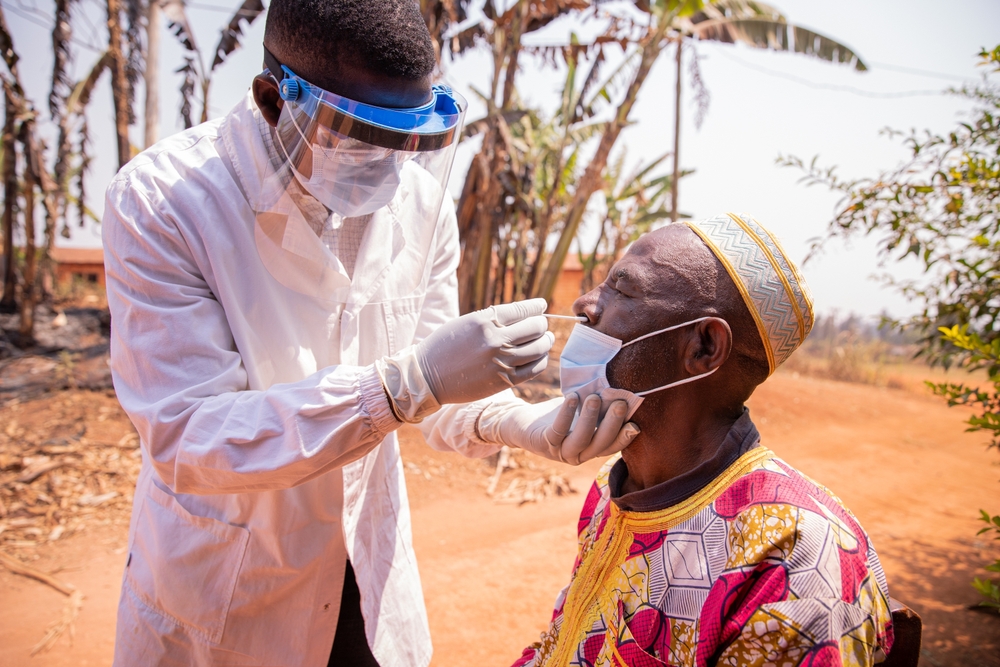
France confirmed an Ebola infection in June involving a doctor who had returned from a humanitarian mission in a transmission zone in Congo. The individual was taken to a specialized treatment facility in France and later recovered. The person was discharged on July 4, according to the reported update, making France the only country outside Africa to record a case during this outbreak.
The case demonstrates that the outbreak’s geographical reach has extended beyond the African continent, although a confirmed infection in another country does not automatically mean sustained transmission has occurred there. The available information does not describe further cases in France connected to this outbreak. The reported recovery also shows that individual outcomes can differ across affected patients and locations.
For health authorities, identifying an infection in someone returning from an affected area can help prevent further exposure and guide decisions about monitoring and treatment. Travel history can provide investigators with valuable information when a patient becomes ill after visiting an outbreak zone. That information can help determine where potential exposure occurred and whether other people may need to be monitored.
The Bundibugyo Virus Presents A Specific Challenge
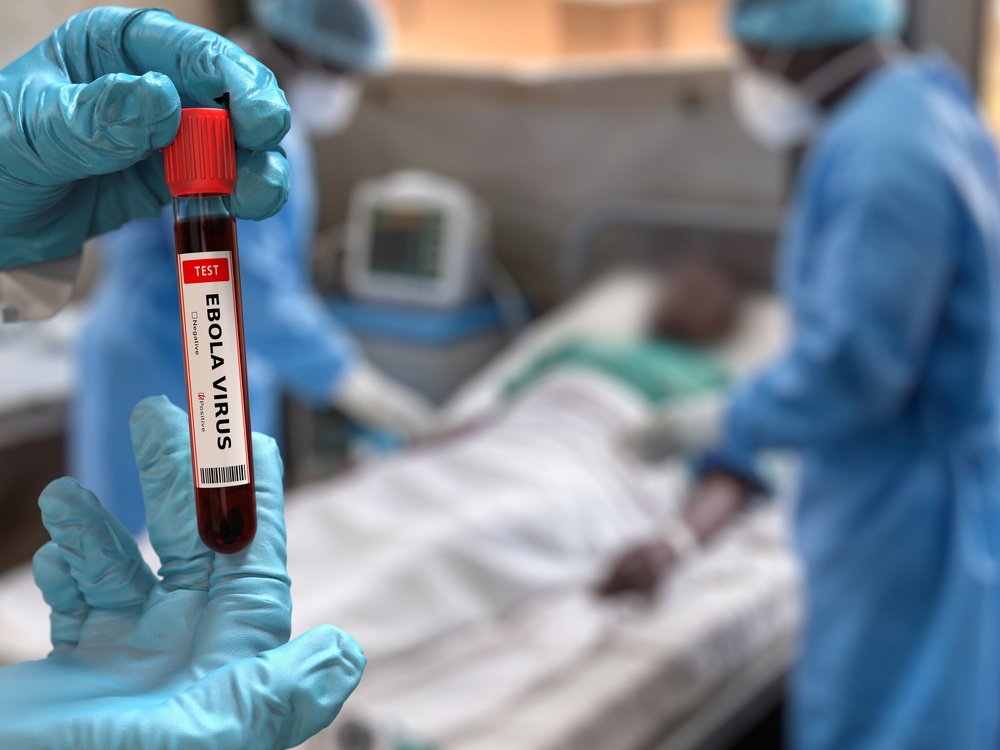
The outbreak is caused by the Bundibugyo virus, a rare type of Ebola virus for which there is no approved vaccine or drug, according to the supplied report. That detail is important because Ebola includes different virus types, and information about a vaccine or treatment for one type cannot automatically be applied to another. The absence of an approved vaccine or drug for Bundibugyo places added importance on identifying infections, providing appropriate medical care, and limiting further transmission.
The reported toll in Congo stands at at least 9,500 infections and 4,600 deaths. Those figures describe the situation reported in Congo and should not be treated as a prediction of the outcome for every infected person or as a confirmed fatality rate across all affected countries. Uganda reported 18 recoveries among its 20 confirmed cases, while the infected doctor in France also recovered. Outcomes and case counts may differ as the outbreak response continues.
The lack of an approved vaccine or drug for this virus type makes public health measures particularly important. Detecting suspected cases early gives health teams more time to assess possible exposure and monitor people who may be infected. Contact tracing can also help investigators understand whether new cases are connected to known infections or indicate a new chain of transmission. The available report does not establish what the final number of cases or deaths will be.
What People Should Know About The Ebola Outbreak
The developments across Congo, Nigeria, Kenya, Uganda, and France show that countries can be at very different stages of responding to the same outbreak. Some are investigating active infections, while Uganda has reported no new cases after its outbreak was declared over. For readers following the news, understanding the difference between a confirmed case, a person identified as a contact, and evidence of wider transmission can help put changing figures into perspective.
Several points are particularly useful when assessing updates about the outbreak:
- A contact is not automatically infected. People identified by investigators may require monitoring because of possible exposure, but their status must be assessed separately.
- Travel history can help trace exposure. Investigators use information about a patient’s movements to identify locations and people that may be relevant to an outbreak.
- Early identification supports containment. Recognizing a suspected infection promptly can help health teams assess exposure and introduce appropriate precautions.
- Healthcare workers may face exposure risks. Medical teams need suitable infection-control procedures when treating patients who may have Ebola.
- Case figures can change. Updates should be assessed using the latest confirmed information rather than unverified claims circulating online.
People who are concerned about possible exposure should follow guidance from local public health authorities and seek appropriate medical advice. They should avoid relying on rumors or assuming that every country reporting an imported case is experiencing widespread community transmission. Clear information about confirmed cases and possible exposures is more useful than speculation about what might happen next.
Surveillance Remains Central To Containing The Outbreak
A recurring concern in the outbreak has been the delay between the onset of symptoms and the confirmation of some infections. When cases are identified only after patients have traveled or visited medical facilities, investigators face a larger task in reconstructing movements and identifying people who may have been exposed. The cases reported in Uganda, Kenya, and Nigeria illustrate how travel before diagnosis can complicate efforts to establish the full extent of an outbreak.
The latest figures describe an ongoing situation rather than a final tally. Nigeria is tracing 44 contacts, Kenya has identified 135 contacts connected to its nine patients, and Uganda has reported no new cases after its outbreak was declared over. France’s reported patient recovered in July. These developments show why each country’s response must be assessed separately while investigators continue to examine connections between cases.
The next important development will be whether health authorities can identify infections promptly and prevent further chains of transmission. With no approved vaccine or drug for the Bundibugyo virus, early recognition, contact monitoring, and appropriate medical precautions remain central to the response. The ability to detect cases before more people are exposed will help determine how effectively the affected countries contain the outbreak.