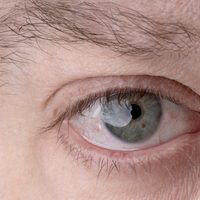
For people living with advanced blindness, even the ability to detect an object or locate a doorway could make a meaningful difference in everyday life. Now, researchers have reported encouraging results from an experimental treatment that helped some blind patients regain limited visual abilities.
The technique combines gene therapy with specialized goggles to help surviving cells in the retina respond to light. Although the treatment cannot yet restore normal eyesight, the findings offer new hope for people with certain inherited eye diseases and add to a growing field of research focused on restoring lost vision.
A Clinical Trial Offers New Hope for People With Blindness
Researchers have reported results from a clinical trial involving 10 people with advanced retinitis pigmentosa, an inherited group of eye disorders that progressively damages vision. The study, published in The New England Journal of Medicine, investigated whether optogenetic therapy could help patients regain some ability to process visual information after extensive retinal damage.
The results showed that seven participants became more sensitive to light following treatment, while six achieved clinically meaningful improvements. Some participants were able to detect objects, determine their locations, and reach toward them with greater accuracy while wearing specialized goggles.
For people who have lost much of their sight, these abilities could offer practical benefits. Recognizing that an object is present or identifying where a doorway is located may help with certain everyday tasks, even when detailed vision remains impossible.
Study leader Dr. José-Alain Sahel of the University of Pittsburgh explained the significance of the findings in a statement. “Even in people with profound vision loss, the visual system retains a remarkable capacity to process new information,” he said.
The trial remains small, and the treatment is experimental. Still, the results provide evidence that surviving retinal cells may be capable of transmitting useful visual information even after severe damage to the cells normally responsible for detecting light.
How Optogenetic Therapy Helps the Eye Respond to Light
Optogenetic therapy uses light-sensitive proteins to control the activity of cells. The approach has attracted interest in vision research because it may allow scientists to restore some visual function without replacing every damaged cell in the retina.
The science behind optogenetics received major recognition through the 2026 Nobel Prize in Physiology or Medicine, according to the supplied reference reports. Researchers are now investigating how the technique can be applied to medical conditions, including certain forms of blindness.
Why Retinitis Pigmentosa Causes Progressive Vision Loss
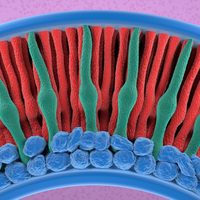
Retinitis pigmentosa refers to a group of inherited disorders that gradually damage the retina, the light-sensitive tissue at the back of the eye. The condition affects photoreceptors, specialized cells that detect light and convert it into electrical signals that the brain interprets as vision.
Symptoms can begin with difficulty seeing in dim lighting or noticing objects outside the center of the visual field. As the disease progresses, peripheral vision can deteriorate, and some people eventually experience severe vision loss.
The condition is estimated to affect more than 1.5 million people worldwide, according to the supplied reference material. Its progression and severity can vary depending on the underlying genetic cause.
One challenge is that damaged photoreceptors do not naturally regenerate in the way some other cells can. Once these cells have been lost, conventional approaches may have limited ability to restore the visual function they previously provided.
Why Surviving Retinal Cells Offer Another Opportunity
Although photoreceptors deteriorate in retinitis pigmentosa, some retinal ganglion cells can remain alive. These cells normally carry visual signals from the retina toward the brain, where those signals are processed into the images people perceive.
Optogenetic therapy attempts to give these surviving cells a new role. By making them responsive to light, researchers aim to bypass some of the damage caused by the disease and deliver visual information through the remaining parts of the visual system.
Dr. José-Alain Sahel explained in the supplied reporting that these cells are useful candidates because they are not the primary cells targeted by retinitis pigmentosa. Their survival creates an opportunity to explore a different way of restoring limited vision.
How the Experimental Gene Therapy Works

The treatment begins with an injection into one eye. The injection carries genetic instructions for producing a light-sensitive protein called ChrimsonR, delivered into surviving retinal ganglion cells through a synthetic viral vector.
Once the genetic instructions reach the targeted cells, they enable those cells to respond to particular wavelengths of light. The process effectively changes how the surviving cells react to incoming visual information.
The treatment is then paired with specialized goggles that capture images of the patient’s surroundings. The device converts those images into patterns of light designed to activate the modified cells in the retina.
This system allows the wearer to perceive a simplified representation of the surrounding environment. The resulting vision is monochromatic and limited in detail, but it can provide information about where objects are located and whether something is present.
The approach also has a potential advantage for inherited retinal disease. Because it does not depend on correcting one particular genetic mutation, it could eventually be relevant to people whose retinitis pigmentosa results from different genetic causes, provided their remaining retinal cells are suitable for treatment.
What the Researchers Discovered During the Trial
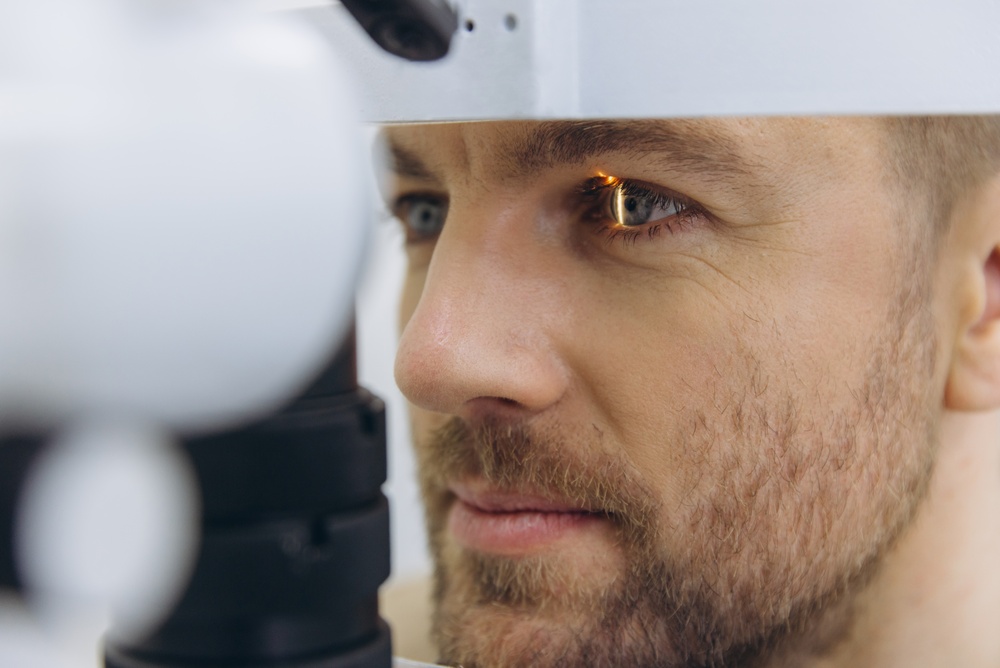
The clinical trial included 10 participants with advanced retinitis pigmentosa. Researchers treated the eye with the worst vision in each participant and followed their outcomes for up to five years, according to the supplied reports.
The findings showed that the therapy could improve light sensitivity in some participants and support performance on selected visual tasks. However, the degree of improvement varied, and the results do not establish that every patient with advanced blindness would benefit.
Several findings stood out from the research.
- Six participants achieved meaningful improvements: These patients experienced clinically significant gains in light sensitivity after receiving the experimental treatment.
- Seven participants became more sensitive to light: The broader improvement suggests that the treatment affected visual responses in several participants, although not everyone achieved the same functional gains.
- Some everyday tasks became possible: Participants demonstrated improvements in detecting objects, locating them, and reaching toward them while wearing the goggles.
- Training appeared to help: Researchers observed that participants who spent more time practising with the goggles tended to perform better on the visual tasks.
- One severe eye-related adverse event was reported: The event occurred immediately after injection and resolved within minutes. The supplied reports also described no adverse effects related to the therapy elsewhere in the body.
The findings provide an encouraging early indication that optogenetic therapy can restore limited visual function in some people with advanced retinal degeneration. Larger studies will be needed to establish the consistency, durability, and practical value of these improvements.
Why the Treatment Cannot Yet Restore Normal Eyesight
Despite the encouraging results, patients who receive optogenetic therapy do not regain ordinary vision. The current approach provides limited visual information, and important abilities such as recognizing faces remain beyond what the treatment can reliably achieve.
Prof. Botond Roska, a lead author of the study and director of the Institute of Molecular and Clinical Ophthalmology Basel, described this limitation in the supplied reporting. Patients can detect objects, he explained, but they cannot yet detect faces.
One reason involves the distribution of the treated cells. The modified retinal ganglion cells form a ring-like arrangement around the fovea, a small region of the retina responsible for sharp central vision.
Recognizing a face requires substantially more visual detail than determining whether an object is present. Improving the resolution of the visual information delivered through the system will therefore be an important goal for future research.
The treatment also depends on specialized goggles, which means the restored visual function is linked to the device and the patient’s ability to use it. Participants may need continued practice to interpret the simplified visual information effectively.
Researchers must also establish how well the treatment works across larger and more diverse patient groups. A trial involving only 10 people cannot determine how frequently the treatment will succeed or which characteristics predict the best outcomes.
Other Experimental Treatments Are Targeting Vision Loss
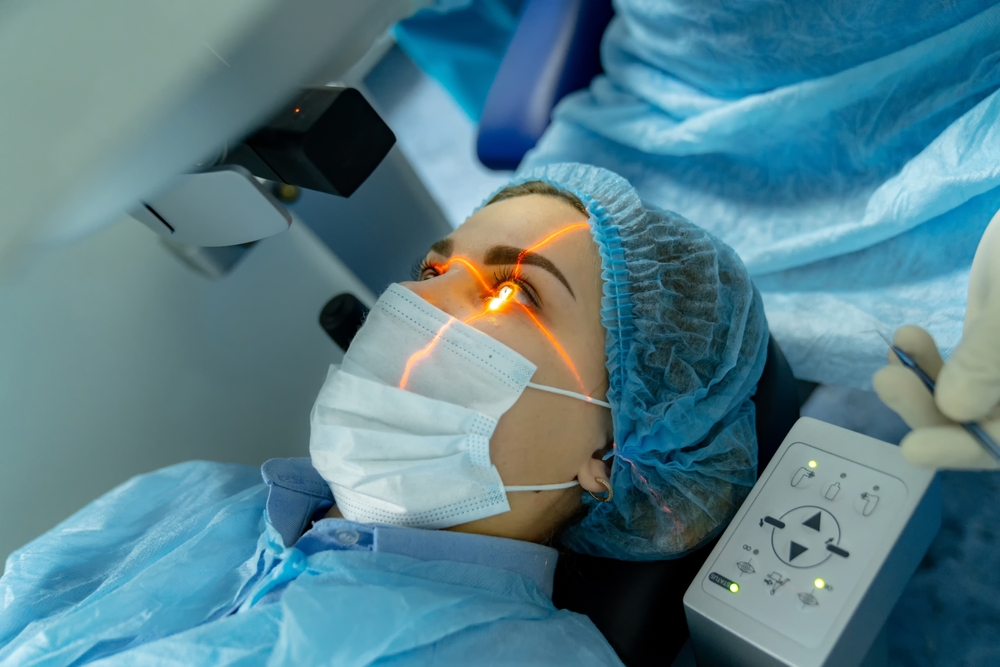
Optogenetic therapy is part of a wider effort to develop treatments for retinal diseases that currently have limited options for restoring lost sight. Other research programs are investigating stem cells, retinal implants, and approaches that support or replace damaged tissue.
Each strategy works differently, and the most suitable option will depend on the condition being treated, the extent of retinal damage, and the availability of healthy cells that can still support vision.
Stem Cell Treatments Aim to Replace Damaged Cells
Stem cell research is investigating whether laboratory-grown cells can replace retinal cells that have been lost through disease. One approach involves developing induced pluripotent stem cells into specialized photoreceptors that could potentially be introduced into a patient’s retina.
A clinical program described in the supplied reference material is testing a cell therapy known as OpCT-001 for retinitis pigmentosa. The treatment aims to introduce new functional photoreceptors to replace cells that no longer work.
These studies must establish whether transplanted cells survive, integrate into the retina, and restore useful vision. Safety is also a central concern, and some approaches require patients to take immunosuppressive medication.
Stem cell therapies remain experimental, and their potential benefits cannot yet be assumed to apply to every patient with retinal degeneration.
Retinal Implants Are Exploring a Different Approach
Researchers are also investigating electronic systems that convert images into signals capable of stimulating the visual pathway. Some devices use cameras and specialized hardware to provide visual information to people whose natural vision has been severely damaged.
The supplied reference material describes research involving a brain-computer interface retinal implant for patients with dry age-related macular degeneration. Among 32 patients who completed 12 months of follow-up, researchers reported clinically meaningful improvements in vision in 80% of participants.
These findings relate to a different condition and treatment approach, so they should not be interpreted as evidence that the same results can be achieved with optogenetic therapy for retinitis pigmentosa.
Together, these research programs demonstrate how scientists are investigating several ways to address different forms of vision loss. Each will need its own clinical evidence to determine who may benefit.
What People Living With Vision Loss Can Do Now

Experimental treatments may eventually expand the options available to people with retinal disease, but they are not yet a substitute for established eye care and vision support. People living with progressive vision loss can still take practical steps to protect their remaining vision where possible and maintain independence.
Regular appointments with an eye specialist can help monitor changes in vision and identify appropriate care options. People with inherited retinal disorders may also wish to ask their specialists about genetic testing, rehabilitation services, and clinical trials that are relevant to their particular condition.
Low-vision services can provide practical support through mobility training, accessible technology, and tools designed to make daily activities easier. These services can be valuable even when medical treatments cannot restore lost vision.
Anyone considering an experimental treatment should review the available evidence with a qualified specialist. Claims promising a guaranteed cure deserve particular caution, especially when they involve therapies that have not completed the necessary clinical testing.
The current optogenetic trial is encouraging because it shows that limited visual function may be restored in some people with advanced retinitis pigmentosa. It does not establish that all forms of blindness can be treated this way, or that patients will regain normal sight.
The Next Step Toward Restoring Useful Vision
Researchers now need larger clinical trials to determine how reliably optogenetic therapy works, how long the benefits last, and which patients are most likely to respond. Improving visual resolution will also be essential if the treatment is to progress from basic object detection toward more detailed perception.
Prof. Roska has described the longer-term goal as working toward high-resolution vision, with a hope of reaching that goal within five to 10 years. This is an aspiration rather than a confirmed timeline, and further research will determine how achievable it is.
For people living with inherited retinal diseases, the findings offer a reason to follow developments in vision restoration while maintaining realistic expectations. The immediate achievement is limited but meaningful: researchers have demonstrated that some people with advanced blindness can regain the ability to use visual information through an experimental combination of gene therapy and specialized technology.