A Japanese hospital has taken a treatment once confined largely to regenerative medicine research and used it on a patient with severe heart failure. Doctors at Osaka Keisatsu Hospital transplanted a sheet of heart muscle cells derived from induced pluripotent stem cells, or iPS cells, in what has been described as the world’s first clinical use of the therapy following government approval.
The woman in her 50s underwent the roughly hour-long procedure after the treatment became eligible for public health insurance coverage in Japan. She is currently in stable condition, but the operation is only the beginning of a much larger test of whether lab-grown heart muscle can provide lasting benefits for people whose severe heart failure has not responded sufficiently to existing treatments.
The First Surgery Took Place In Osaka
The procedure was performed at Osaka Keisatsu Hospital in Osaka City on September 29, with Yoshiki Sawa leading the operation. Sawa is the hospital’s president and a professor emeritus of Osaka University, and he was also involved in developing the cardiac cell sheet alongside Japanese scientist Shinya Yamanaka.
The patient was a woman in her 50s from Kanagawa Prefecture who was suffering from severe heart failure caused by ischemic cardiomyopathy. Her condition had become serious enough that everyday activities could leave her struggling for breath, including walking and climbing stairs or hills.
The operation itself lasted about 50 minutes according to Cuorips Inc., the Osaka University startup that developed RiHeart, while other reports described the procedure as lasting about an hour. The hospital and company said the surgery was completed smoothly, and the patient is expected to remain hospitalized for roughly two weeks to one month depending on her recovery.
Sawa described the operation as an important first step for the treatment and said he hoped it could eventually reach other people living with the same condition. His comments came after years of development and clinical testing involving the regenerative medicine technology.
The patient’s own goal is much simpler than the science behind the operation. Before undergoing surgery, she said she wanted to be able to go outside for a long walk with her dog without having to hold herself back because of her condition.
How The Heart Muscle Sheet Works
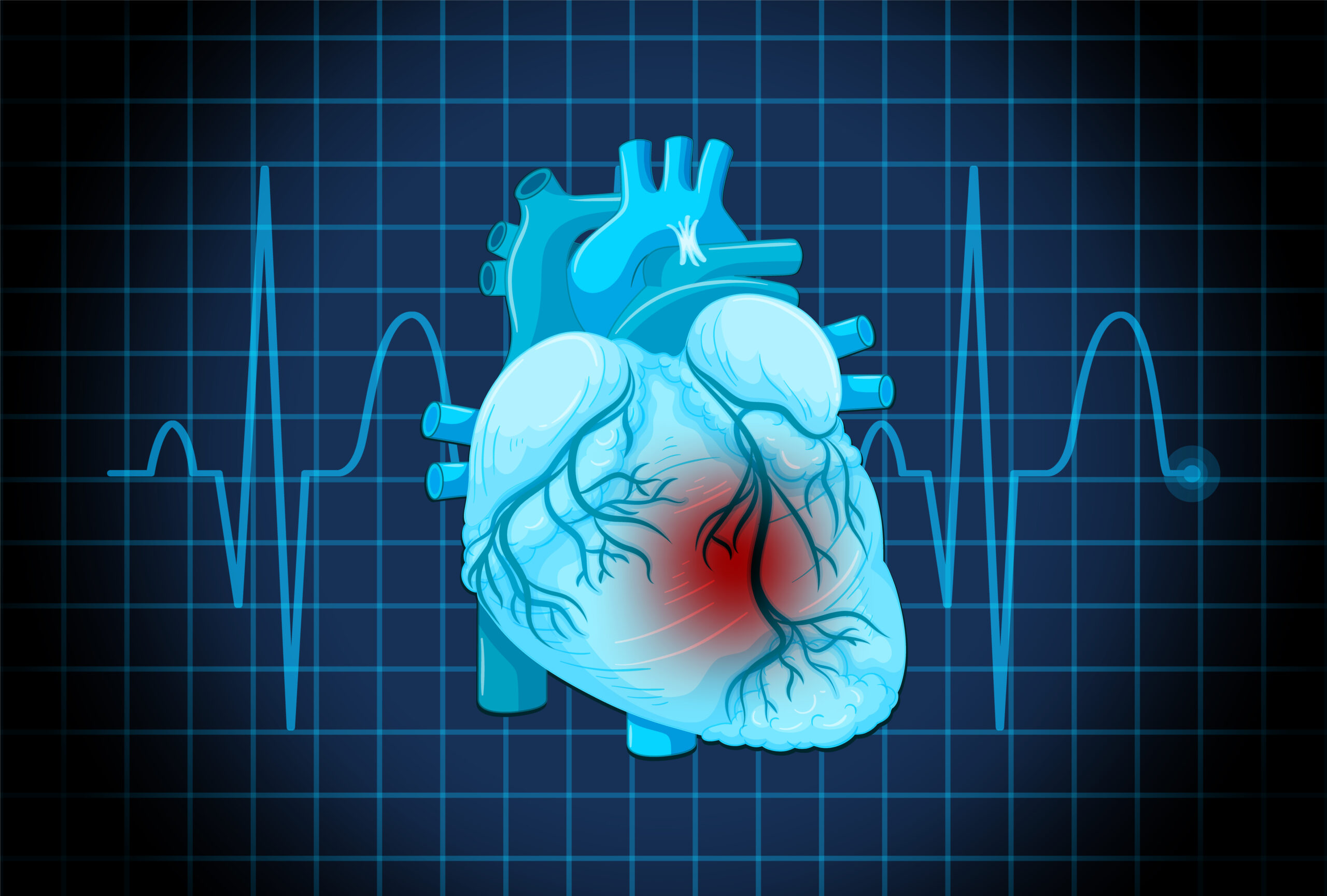
The treatment is called RiHeart and involves cardiac muscle cells produced from iPS cells. Rather than being delivered as a conventional injection, the cells are cultured into a sheet that doctors can attach directly to the surface of the patient’s heart.
Once the sheet is attached, the treatment is designed to promote the formation of new blood vessels and support cardiac function. The underlying idea is that the transplanted cardiac muscle cells can help the damaged heart tissue by releasing substances that encourage blood vessel regeneration.
RiHeart is intended for patients with severe heart failure caused by ischemic cardiomyopathy. In that condition, problems such as blocked blood vessels can restrict blood flow to the heart, damaging the heart muscle and making it harder for the organ to pump effectively.
The treatment is therefore aimed at a group of patients who have already exhausted or failed to benefit sufficiently from other available therapies. Its expected benefits include improved or maintained heart function, along with better exercise capacity for patients whose illness has severely restricted their physical activity.
The approach is part of a broader field known as regenerative medicine, where researchers attempt to repair or restore damaged tissue rather than simply managing symptoms. In this case, the target is one of the body’s most important organs and one that has limited ability to recover from extensive damage on its own.
The Technology Goes Back To Nobel Prize-Winning Research
The treatment would not exist without the discovery and development of iPS cell technology. Shinya Yamanaka’s research showed that mature, specialized cells could be reprogrammed into a more youthful state, giving them the ability to develop into many different types of cells.
Yamanaka received the Nobel Prize in Physiology or Medicine in 2012 for this work. His research helped create a new route toward regenerative medicine because researchers could work with cells that have the potential to become different tissues in the body.
For RiHeart, the technology is used to produce cardiac muscle cells from iPS cells before those cells are arranged into the transplantable sheet. The process allows researchers to create the type of cells needed for the treatment rather than relying on naturally occurring heart tissue from a donor.
The recent surgery therefore represents more than a new procedure at one hospital. It is also a real-world application of a technology that began with fundamental research into how mature human cells could be reprogrammed.
Japan has been moving several iPS-based treatments toward clinical use. A separate iPS-derived treatment for Parkinson’s disease also received conditional approval in March, with treatment expected to be administered to a patient as early as October according to the supplied reports.
Eight Patients Had Already Received The Treatment
Although the latest operation has been described as the first clinical use after approval, researchers had already tested the regenerative therapy in clinical trials. Eight patients suffering from ischemic heart disease received the treatment during those trials.
According to the supplied reports, all eight patients experienced an easing of symptoms, including problems such as fatigue and palpitations. Four patients were also reported to have shown improvements in heart function, while improvements in exercise capacity were also observed.
Those results provided the evidence behind the treatment’s conditional approval in Japan. However, the size of the trial remains very small, which means the results do not yet establish how reliably the treatment will work for a much larger group of patients.
That distinction is especially important because RiHeart has received conditional and deadline-based approval rather than unrestricted final approval. The treatment can now be used while additional evidence is collected, but the developers must continue investigating its safety and effectiveness.
The next stage will involve substantially more patients than the original trial. Cuorips plans to perform transplants on 75 patients at around 20 medical facilities across Japan by 2033, creating a larger body of evidence about the treatment’s performance.
Japan Has Put The Treatment Under Public Insurance
RiHeart received conditional government approval in March, but another major step followed on September 1 when the treatment became eligible for coverage under Japan’s public health insurance system. That made the September 29 procedure the first such surgery performed after the therapy became available under the country’s public insurance framework.
The listed treatment price is 53.2 million yen per patient, a figure that highlights just how expensive the technology currently is. Japan’s high-cost medical expense benefit system limits eligible patients’ out-of-pocket payments when medical bills become exceptionally high, meaning the listed price does not necessarily represent what an individual patient would personally pay.
The price also creates an important question for the future of the treatment. If RiHeart eventually becomes widely available, regulators and healthcare providers will need evidence showing whether the benefits justify the substantial resources required to manufacture and administer it.
That question cannot yet be answered from the first operation. The treatment has only recently entered clinical use, and the longer-term results from a larger group of patients will be needed before its overall value can be properly assessed.
The seven-year period ahead is therefore crucial for both patients and the developers. Cuorips must gather additional evidence about safety and efficacy before the treatment can move from conditional approval toward full authorization.
The Patient’s Experience Shows What Is At Stake
The technical details surrounding RiHeart can make the treatment sound like something from a laboratory rather than an operation performed on a real person. The experience of its first post-approval patient puts the purpose of the technology into much simpler terms.
Her severe heart failure had made ordinary physical activity difficult. Walking could leave her short of breath, while climbing stairs or moving uphill could force her to stop before reaching her destination.
Before the operation, she explained what she hoped would change after treatment. She said, “Without holding back, I want to go out for a long walk with my dog.”
That statement puts the medical objective into everyday terms. Researchers are not simply trying to produce a sophisticated cell sheet; they are trying to improve the ability of people with severe heart disease to perform ordinary activities that their condition has taken away.
Whether the procedure can achieve that goal remains to be seen. The patient is currently stable, and doctors will continue monitoring her recovery and the effects of the treatment over time.
The Next 75 Patients Will Tell A Much Bigger Story
The initial eight-patient trial offered encouraging signals, but the treatment now faces a much larger test. The plan to treat 75 patients by 2033 will allow researchers to examine the therapy across a broader group and gather more information about both its benefits and its risks.
The developers also plan to perform the surgeries at about 20 medical facilities nationwide. Expanding beyond the original team and hospital should provide additional information about how the treatment performs in different clinical settings.
Several questions will need to be answered during that process. Researchers must determine whether improvements in heart function are sustained, whether exercise capacity improves consistently, and whether complications appear as more people receive the treatment.
The developers will also have to establish whether the benefits observed in the initial clinical trial can be reproduced on a larger scale. Eight patients can provide important early evidence, but a much larger treatment group is needed to understand how consistently a therapy works.
Japan’s conditional approval system allows that evidence to be gathered while patients begin receiving the treatment. The approach also means that the coming years will be closely tied to the future regulatory status of RiHeart.
The company has until 2033 to demonstrate sufficient safety and efficacy for full approval. Until then, the therapy remains a treatment whose potential is being tested through continued clinical use.
What Makes This Moment Different
For years, iPS cells have been discussed as one of the most significant possibilities in regenerative medicine. The technology offered researchers a way to create different types of human cells from reprogrammed mature cells, but turning that concept into treatments for patients has required years of research and testing.
The RiHeart surgery represents a tangible step in that process. A sheet made from iPS-derived heart muscle cells has now been transplanted into a patient with severe heart failure following conditional government approval and public insurance coverage in Japan.
That does not mean the technology has solved severe heart failure. The available evidence remains limited, and the treatment still needs to prove its effectiveness and safety through additional procedures.
It does mean that iPS-based regenerative medicine has moved another step closer to routine clinical care. The technology is no longer being discussed solely as a future possibility because doctors are now using an iPS-derived product to treat a patient in an actual hospital setting.
The same pattern is emerging in other areas of medicine. Japan has also conditionally approved an iPS-based treatment for Parkinson’s disease, showing that researchers are testing whether the technology can be adapted to repair or replace damaged cells in different parts of the body.
The First Surgery Is Only The Beginning
Yoshiki Sawa said he hopes the treatment will become widely available and help more people with the disease, including patients outside Japan. That ambition now depends on what happens during the years of additional clinical treatment and monitoring.
For the woman who received the first post-approval RiHeart transplant, the immediate priority is recovery. For researchers, the priority is determining whether the treatment can repeatedly deliver meaningful improvements without introducing unacceptable risks.
The operation has already crossed one important line: a heart muscle sheet made from iPS-derived cells has been used in a patient as part of clinical care. The much harder test now begins, as dozens more patients are treated and the evidence grows.
A technology born from Nobel Prize-winning cell research has reached the operating room. Whether it becomes a dependable treatment for severe heart failure will be decided by the patients, data and results collected over the next seven years.