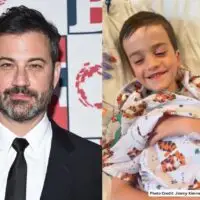
A mother spent years wondering whether something she ate during pregnancy had caused her son to be born with thick hair covering parts of his face and body. The unusual appearance left her questioning whether she had brought a curse upon her family, especially after people in her community encouraged her fears.
Alma, a mother of three from the Philippines, eventually discovered that her young son, Jaren Gamongan, had a rare medical condition called congenital hypertrichosis. The diagnosis gave the family a medical explanation for his appearance and helped ease the guilt she had carried since his birth.
A Pregnancy Craving Left Alma Wondering If She Was Responsible
Jaren Gamongan, from Apayao in the Philippines, was born with a full head of hair, dark sideburns, and patches of hair across his face, neck, back, and arms. His appearance was unusual, and his mother struggled to understand why her middle child looked different from his siblings.
During her pregnancy, Alma experienced strong cravings for wild cats, which are eaten in the remote mountain region where her family lives. According to the original reports, she obtained a black feline from people in her village and ate it prepared with herbs.
After Jaren was born with extensive hair growth, Alma began to wonder whether the meal had somehow caused his condition. The timing of the pregnancy craving and her son’s appearance left her feeling that she might have done something wrong before he was born.
Her fears grew when people in the community suggested that a curse could explain the child’s appearance. Without a medical diagnosis to help her understand what was happening, Alma was left struggling with uncertainty and guilt.
The belief followed her until the family sought professional medical advice. Doctors eventually identified a rare condition associated with excessive hair growth, explaining that her pregnancy craving was not an established cause of Jaren’s appearance.
A Dermatologist Gave the Family a Medical Explanation

In April 2024, the team behind the Filipino television programme Kapuso Mo, Jessica Soho helped the family arrange a consultation with a dermatologist. The visit provided an opportunity to investigate Jaren’s condition with the help of a qualified medical professional.
Jaren was diagnosed with congenital hypertrichosis, a condition involving excessive hair growth that is present from birth. The diagnosis offered a medical explanation for the hair covering parts of his face and body.
Dermatologist Dr. Ravelinda Soriano Perez explained that she believed the condition was inherited. In the original reports, she described the disorder as exceptionally rare, with an estimated frequency of around one case per billion people.
“We believe this was an inherited condition, but it is very rare. One in only one billion people could have it,” Dr. Perez said.
The reports also referred to historical accounts documenting only around 50 to 100 cases of hypertrichosis worldwide. Those figures illustrate the rarity of the condition, although the number of reported cases should not be treated as a definitive measure of its current prevalence.
For Alma, the consultation helped separate her fears from the medical explanation. She had believed that her actions during pregnancy might have caused her son’s appearance, but the diagnosis gave the family a different way to understand his condition.
The distinction was particularly important because congenital conditions can raise difficult questions for parents. When a child is born with an unusual feature, families may search for a reason and sometimes blame themselves before they have access to reliable medical information.
What Is Hypertrichosis and Why Does It Cause Excessive Hair Growth?
Hypertrichosis is a medical term for hair growth that exceeds what is typically expected for a person’s age, sex, and other characteristics. It can affect different parts of the body, ranging from small patches to more extensive areas that include the face and torso.
The condition is sometimes called “werewolf syndrome” because the hair growth can create an appearance that differs significantly from the usual pattern of human body hair. Although the nickname attracts attention, hypertrichosis describes a medical condition rather than a supernatural phenomenon.
Hypertrichosis can be present at birth or develop later in life. The underlying causes vary, and the available information does not establish the precise genetic mechanism responsible for Jaren’s condition.
Congenital Hypertrichosis Is Present From Birth
Congenital hypertrichosis refers to excessive hair growth that is already present when a baby is born. Some forms are associated with genetic changes, and inherited factors may contribute to the condition.
In Jaren’s case, his dermatologist believed the condition was inherited. His mother has three children, but the other two were reportedly born without the same unusual pattern of hair growth.
Having one child with a rare condition while other siblings are unaffected can leave parents with questions about why the difference occurred. The available reports do not provide enough genetic information to explain why Jaren developed the condition while his siblings did not.
Hypertrichosis Can Also Develop Later in Life
Some forms of excessive hair growth develop after birth rather than being present from infancy. The supplied medical reference identifies possible associations with certain medications, malnutrition, eating disorders, cancer, and autoimmune conditions.
These associations do not mean that any one factor is responsible for every case. A medical assessment can help determine which possibilities are relevant when a person develops unusual hair growth.
Hypertrichosis is also distinct from excessive hair growth caused by abnormally high levels of male hormones. Understanding the difference can help medical professionals identify the appropriate explanation and consider suitable management options.
Jaren Experiences Itching and Discomfort During Hot Weather
Although Jaren is described in the original reports as a happy and playful child, his condition has presented practical challenges for his family. Alma explained that he sometimes experiences itchy rashes when the weather becomes hot, adding another concern to the visible effects of his excessive hair growth.
His mother has tried to make him more comfortable by bathing him when temperatures rise. The family also attempted to trim his hair, hoping the change would help, but they eventually stopped after finding that it continued to grow.
“I will give him a bath when it’s hot. We even tried to cut the hair, but it would just grow back even longer and thicker, so we stopped doing it,” Alma said.
Her experience illustrates the difference between the appearance of a condition and the discomfort that may accompany it. While Jaren’s hair growth is the most noticeable feature, his family’s concerns also include managing itching and protecting his well-being as he grows.
For families facing similar symptoms, it can be helpful to record when itching occurs and whether particular conditions appear to make it worse. Persistent rashes or irritation deserve appropriate medical assessment, particularly when a child is uncomfortable or the skin changes continue.
Parents should also understand that trimming hair does not change the underlying condition. In Jaren’s case, the family’s attempts to cut the hair did not provide the lasting result they had hoped for, leaving them to consider other options with medical guidance.
What Treatment Options Can Help Manage Hypertrichosis?

Hypertrichosis has no established cure, and treatment depends on the pattern of hair growth, the areas affected, the person’s age, and individual preferences. Some people may choose temporary hair removal methods, while others may explore options intended to reduce growth over a longer period.
The supplied medical reference lists several approaches to managing excessive hair growth. Their suitability varies, and a method that works for one person may not be appropriate for another.
Temporary options include trimming, shaving, waxing, plucking, bleaching, and chemical hair removal products. These methods can reduce visible hair, although their results vary and some may irritate sensitive skin.
Electrolysis and laser hair removal are longer-term options described in the reference material. Electrolysis targets individual hair follicles, while laser treatment can reduce hair growth over time. Neither approach should be presented as a guaranteed cure for the underlying condition.
For children, decisions about hair removal require particular care. A dermatologist can discuss the potential benefits and limitations of different methods, taking the child’s age, comfort, skin condition, and individual needs into account.
Jaren’s Proposed Laser Treatment Came With Financial Challenges
Dr. Perez discussed a course of laser hair removal for Jaren. According to the original reports, the proposed plan involved ten sessions over four to six weeks, followed by an assessment of the results.
Each session was reported to cost approximately 2,500 Philippine pesos, creating a significant financial challenge for the family. Alma appealed for assistance to help pay for the treatment and expressed gratitude to people who had already offered support.
“I am very thankful to those who already helped us. I hope my son could have a better chance in life with your help,” Alma said.
The proposed treatment was intended to help manage Jaren’s hair growth. It was not a cure for congenital hypertrichosis, and the supplied reports do not establish the long-term results of the proposed treatment plan.
The financial aspect adds another difficulty to the family’s experience. When a rare condition requires ongoing management, access to appropriate care can depend on whether families can afford consultations and treatment.
For Jaren’s parents, finding a suitable approach means balancing his comfort with the practical limits of their circumstances. Their appeal for help reflects their hope that he can receive care while growing up with greater confidence and support.
A Mother’s Greatest Concern Is How Other Children Will Treat Her Son

Beyond the medical questions, Alma has spoken about the challenges Jaren could face when he begins school. She worries that children who have never encountered someone with his appearance might tease or bully him because he looks different.
“I worry so much for him when it’s time for him to go to school. He might get bullied for being different,” Alma said.
Her concern reaches beyond the physical symptoms of hypertrichosis. School introduces children to new social situations, friendships, and expectations, and an unusual appearance can make a child vulnerable to unwanted attention.
Alma has also described the guilt she carried after Jaren’s birth. She initially connected his condition to the cravings she experienced during pregnancy, but the medical consultation helped her understand that this belief was not supported by the diagnosis.
“I blamed myself when he was born because of the cravings I had. I felt very guilty. But then recently the doctors told me it was not related,” she said.
Her experience illustrates how uncertainty surrounding a rare condition can affect a parent’s emotional well-being. Without a clear explanation, parents may search for a reason and become convinced that an ordinary event during pregnancy somehow caused the outcome.
A medical diagnosis can provide information that helps families move away from unsupported explanations. It can also help them focus on practical needs, including managing symptoms, finding appropriate treatment, and preparing for the social challenges their child may encounter.
Children with visible medical differences may benefit from supportive adults who respond calmly to questions and address teasing when it occurs. Schools can help by creating an environment where differences in appearance are treated respectfully and children are not made to feel responsible for explaining their medical conditions to others.
For Jaren, his family’s hope is that he will be able to learn, play, and build friendships without his condition becoming the defining feature of his childhood.
What Jaren’s Story Teaches Families About Rare Conditions
When a child is born with an unusual physical feature, the lack of an immediate explanation can leave parents feeling frightened or responsible. Cultural beliefs and comments from other people may influence how families interpret what they see, especially when a condition is rare and unfamiliar.
Jaren’s experience shows the value of seeking a medical assessment rather than relying on an unverified explanation. His mother’s pregnancy craving became a source of guilt because she believed it might have caused his appearance, but the later diagnosis offered a different explanation.
Families concerned about excessive hair growth or other unusual physical changes can benefit from discussing their observations with an appropriate medical professional. Recording when symptoms began, identifying any discomfort, and asking about available management options can help make those conversations more useful.
It is also important to recognise that medical care involves more than addressing visible symptoms. A child may need help managing skin irritation, understanding their condition in an age-appropriate way, and responding to questions from peers. Parents may also need reliable information to work through their own concerns.
The available reports do not establish every detail of the genetic cause of Jaren’s condition or the eventual results of his proposed treatment. What they do establish is that a dermatologist identified congenital hypertrichosis and provided the family with a medical explanation for his appearance.
Alma’s experience highlights the emotional burden that uncertainty can place on parents. Once her family received a diagnosis, they had a clearer starting point for considering care and preparing for Jaren’s future.
Her son’s condition may require ongoing management, but the guilt she once carried over a pregnancy craving need not define how she approaches his childhood. Understanding the medical explanation allows the family to focus on what they can do now: seek appropriate care, support his comfort, and help him grow up knowing that his appearance does not determine his worth.