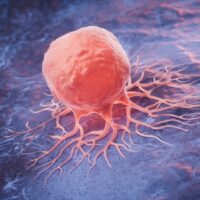
A tiny laser is being tested inside blood vessels as part of an unusual attempt to tackle pancreatic tumors that surgeons cannot safely remove. The first-in-human clinical trial at UCI Health is investigating whether light-activated treatment can destroy tumor tissue wrapped around major abdominal arteries and potentially make surgery possible.
Early results from six patients have given researchers a reason to continue studying the approach. Four of those patients were subsequently able to undergo surgery, while three of those four had no cancer cells detected at the surgical margins. The numbers are striking, but the trial is still in its earliest stage and does not yet prove that the treatment improves survival or cures pancreatic cancer.
The Experimental Treatment Targets Tumors Around Arteries
The Phase 1 clinical trial is being conducted at the UCI Health Chao Family Comprehensive Cancer Center, which is one of only two U.S. cancer centers testing vascular targeted photodynamic therapy, or VTP, for pancreatic cancer. The technique was developed by Israel-based biotechnology company ImPact Biotech and is being investigated as a possible way to help patients with localized tumors that cannot normally be removed.
The treatment uses a light-sensitive drug called padeliporfin, which is injected into the patient before doctors position a small balloon containing a laser inside the affected blood vessel. When the laser is activated, it triggers a reaction involving the drug that damages tumor tissue surrounding the vessel.
Dr. Nadine Abi-Jaoudeh, a UCI Health radiologist and the trial’s lead investigator, described the procedure by saying, “First, we inject the patient with a light-sensitive drug. Then we insert a balloon into the tumor-encased blood vessel. Inside the balloon is a laser. When we turn it on, that activates the drug, killing the tumor surrounding the vessel.”
The treatment is aimed at a very specific problem. In some pancreatic cancer patients, the tumor has grown around major arteries that surgeons cannot safely cut away from the cancer without risking serious damage to the blood vessels. VTP is being tested to see whether attacking the tumor from inside the vessel can clear enough tissue for surgeons to operate.
Why Pancreatic Cancer Can Become Impossible To Operate On
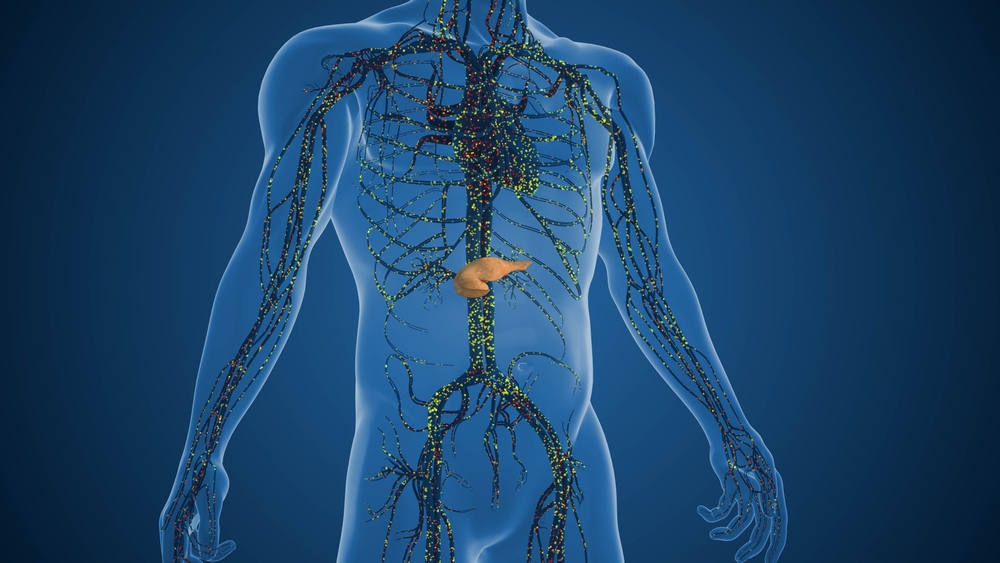
Pancreatic cancer has one of the lowest survival rates among cancers, according to the UCI Health material supplied for this article. One reason is the location of some tumors and the way they can grow around major blood vessels before they have spread to distant parts of the body.
The supplied UCI Health reports state that about 50% of patients have localized pancreatic cancer, meaning their disease has not spread elsewhere. Yet approximately two-thirds of those patients are not candidates for surgery because their tumors can surround major arteries supplying blood to the abdomen.
That creates a particularly difficult situation for doctors and patients. The cancer may still be localized, but its position can make the operation too dangerous because removing the tumor could also damage critical blood vessels.
The VTP trial is designed around that specific obstacle. Instead of beginning with an attempt to surgically remove a tumor that is tightly associated with an artery, researchers are testing whether targeted light treatment can destroy the surrounding tumor tissue first.
The intended result is to create enough separation between the cancer and the affected blood vessel that surgeons can later remove the remaining tumor. This means the treatment is being investigated as a possible bridge to surgery rather than simply as a standalone method for destroying pancreatic cancer.
Six Patients Have Received The Laser-Based Therapy
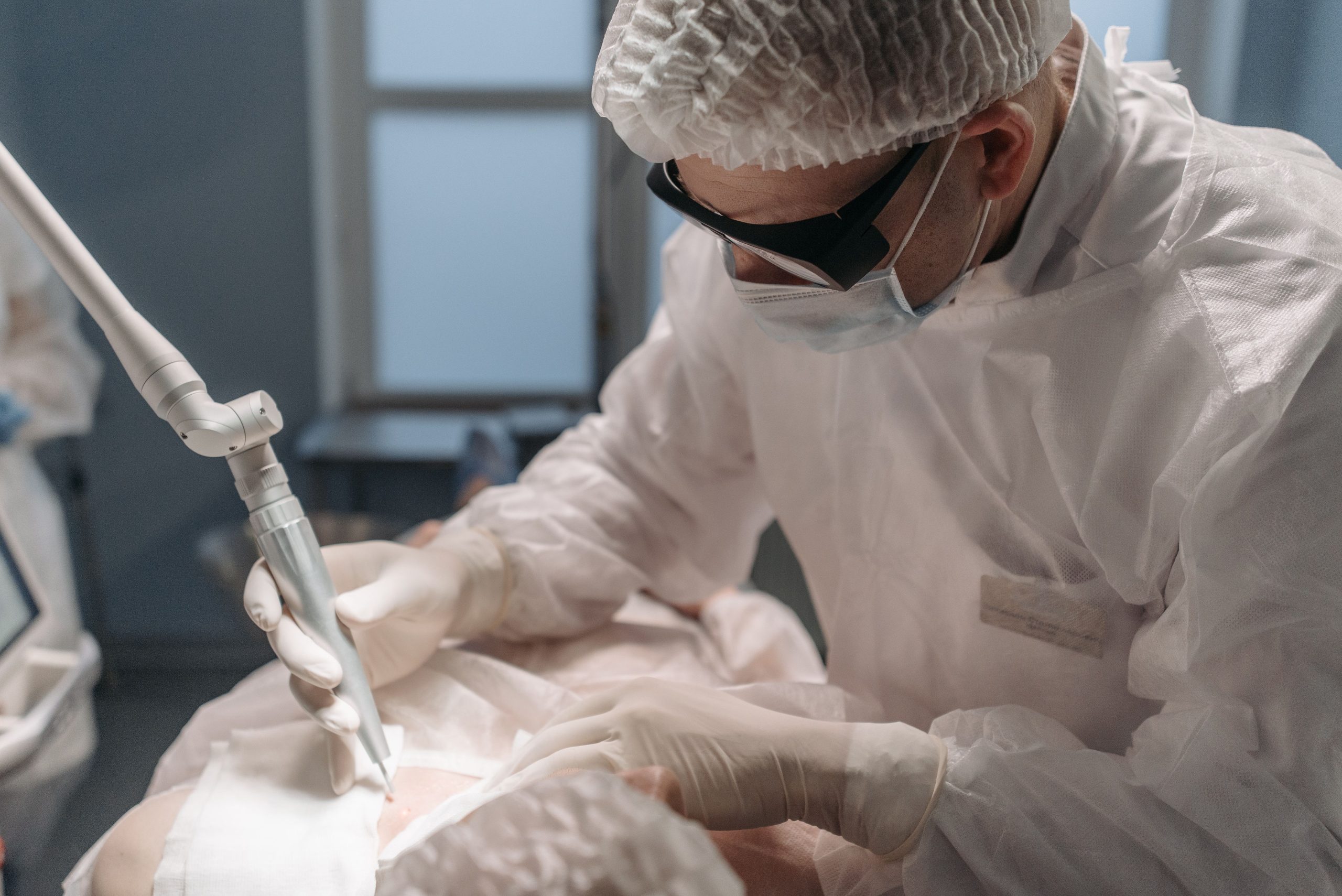
The early results come from a very small group, but the figures have attracted attention because of what happened after treatment. The initial clinical report involved three patients who received padeliporfin VTP, and three additional patients have since undergone the experimental therapy.
Across the six patients, four had the remaining tumor tissue surgically removed. Three of those four patients had no evidence of cancer cells at the surgical margins, according to the UCI Health reports and the supplied reference material.
A surgical margin is the edge of tissue removed during an operation. When no cancer cells are detected there, it means the examined edge of the removed tissue did not contain cancer cells.
Abi-Jaoudeh described the finding as significant because patients with localized pancreatic cancer who cannot undergo surgery can have similarly low survival rates to patients whose cancer has already metastasized. The researchers are therefore investigating whether VTP can help move some patients from an inoperable category toward surgical treatment.
However, the small number of patients is crucial context. Six people are far too few to determine how consistently the treatment will work across a larger population, and the study is a Phase 1 trial rather than a late-stage effectiveness trial.
The preliminary results also do not establish that the treatment improves overall survival or produces a cure. Those questions will require larger clinical trials with substantially more patients and longer follow-up.
How The Laser-Light Treatment Works
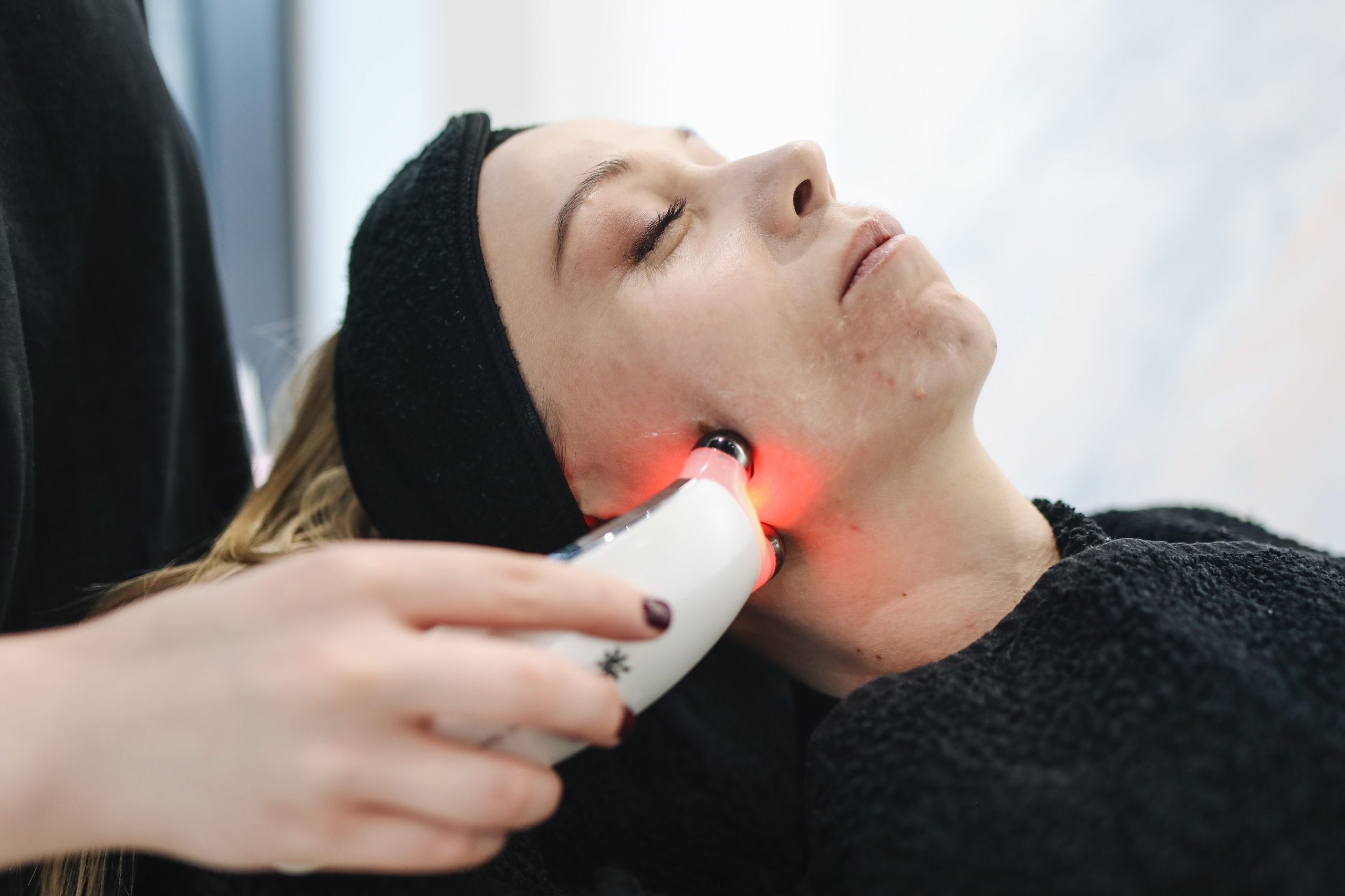
VTP belongs to a broader category of treatment known as photodynamic therapy, which uses light-sensitive substances that can be activated by a specific light source. In this case, researchers are using padeliporfin and directing laser light at a carefully selected area inside a blood vessel.
After padeliporfin is administered, doctors insert a balloon containing an optical fiber into the tumor-encased blood vessel. The supplied clinical description identifies the laser as a 753-nanometer near-infrared laser.
The laser is delivered in two five-minute treatment sessions. During the procedure, the light activates the padeliporfin and produces a photochemical reaction that damages the tumor’s network of blood vessels.
The goal is to disrupt the tumor’s vascular supply and destroy tissue surrounding the artery. Because the treatment is delivered inside the blood vessel next to the tumor, researchers can target the area where the cancer has become particularly difficult for surgeons to remove.
The Blood Vessel Is Part Of The Treatment Strategy
The vascular component is what makes this approach different from simply directing a laser at a tumor from outside the body. The optical fiber is positioned inside the affected artery, allowing the light to be delivered directly to the area adjacent to the tumor.
According to the supplied research description, the balloon is deflated between the two treatment sessions so that fresh oxygenated blood can enter the vessel. Oxygen plays a role in the photochemical process triggered by the treatment.
The researchers are therefore attempting to create a localized reaction that damages the tumor’s vascular network while working around a major artery that surgeons ultimately need to preserve.
The treatment does not immediately mean that the entire tumor disappears. Tissue destruction begins after the light activates the drug, but the team waits about two weeks before surgically assessing and removing remaining tumor tissue when surgery is possible.
Patients Have To Stay Away From Light After Treatment
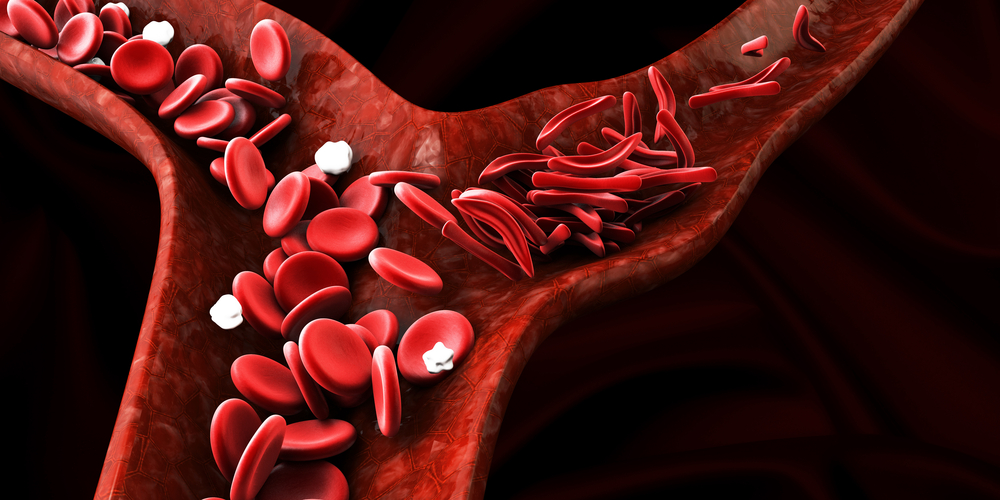
One of the strangest parts of the experimental therapy happens after the laser procedure has finished. Patients must spend three days in a dark room because padeliporfin temporarily increases sensitivity to light.
Exposure to light during that period could cause damage to other areas of the body, including the skin. The precaution is necessary because the drug is light-sensitive, and uncontrolled exposure could activate it outside the intended treatment area.
The light-sensitivity issue also places limits on how widely the therapy can be used. The supplied UCI Health information notes that this is one reason the approach has not been used to treat larger areas.
For patients taking part in the trial, the three-day period in darkness is therefore part of the treatment process rather than an optional precaution. The procedure itself may take only two five-minute laser sessions, but the biological effects of the light-sensitive drug require additional safeguards afterward.
Researchers are continuing to study how the treatment can be delivered safely and effectively while limiting unwanted effects outside the target area.
The Researchers Are Testing Different Laser Doses
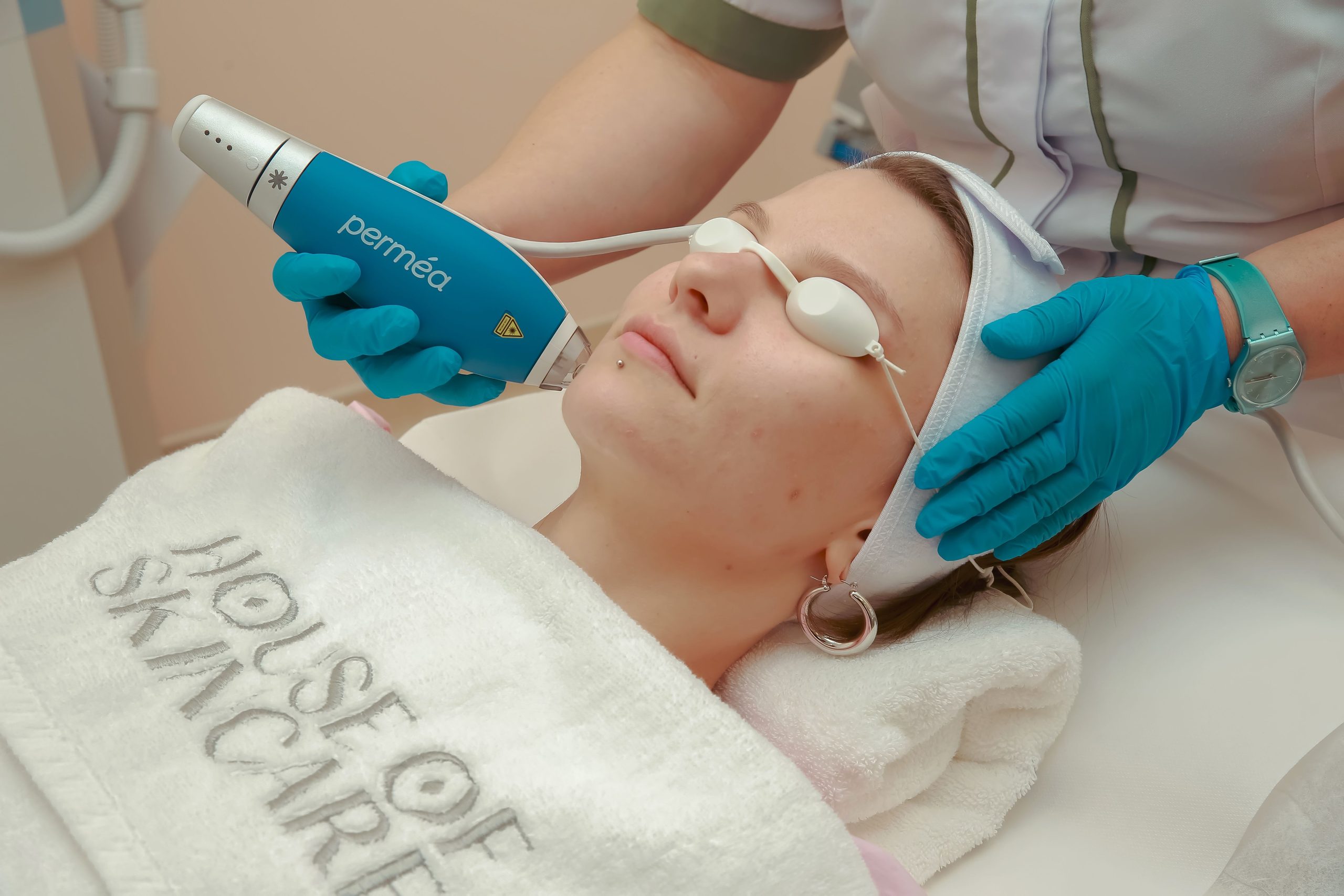
The current Phase 1 trial is also being used to determine how much laser illumination should be delivered. Researchers are testing three incremental laser doses to identify the most effective treatment level for continued investigation.
That is a typical feature of early clinical research, where investigators need to establish how an experimental treatment behaves in people before larger studies can evaluate its effectiveness more broadly.
The UCI Health team has already treated six patients, but those early cases cannot answer every question surrounding the therapy. Researchers still need to understand how the treatment performs across a larger and more diverse group of patients, as well as whether the ability to reach surgery translates into better long-term outcomes.
Abi-Jaoudeh said the researchers hope to move into later phases if the results continue to support the approach. “If we’re able to confirm that this approach works, we hope to move to the next phases of the trial,” she said.
Phase 2 and Phase 3 studies, if approved by the U.S. Food and Drug Administration for further testing, would involve significantly more patients. Those trials would provide a much stronger basis for evaluating how effective the treatment is and whether the early results can be reproduced.
The Real Goal Is To Make Surgery Possible

The most important detail about the experimental treatment is that researchers are not simply trying to destroy pancreatic tumor tissue with light. They are trying to change whether a patient can become eligible for surgery.
That distinction is particularly important in locally advanced pancreatic cancer. A tumor surrounding a major artery can prevent surgeons from safely removing it, even when the cancer has not spread to distant organs.
The researchers are testing whether VTP can attack the tumor tissue around the artery while leaving the critical blood vessel in a condition that allows surgeons to work afterward. If enough tumor tissue is eliminated, the remaining cancer can potentially be surgically removed.
The six early cases provide a glimpse of that strategy. Four patients were able to undergo surgery after receiving the experimental treatment, and three of those four had no cancer cells detected at their surgical margins.
That result is significant enough to warrant further research, but it should not be interpreted as proof that the procedure will produce the same outcome in future patients. A small early-stage study can reveal whether a treatment is feasible and provide important signals, while still leaving major questions unanswered.
For pancreatic cancer patients who have been told that surgery is not an option because of tumor location, however, the research is focused on a very specific clinical challenge that has been difficult to solve.
UCI Health Is Pursuing Several Pancreatic Cancer Options
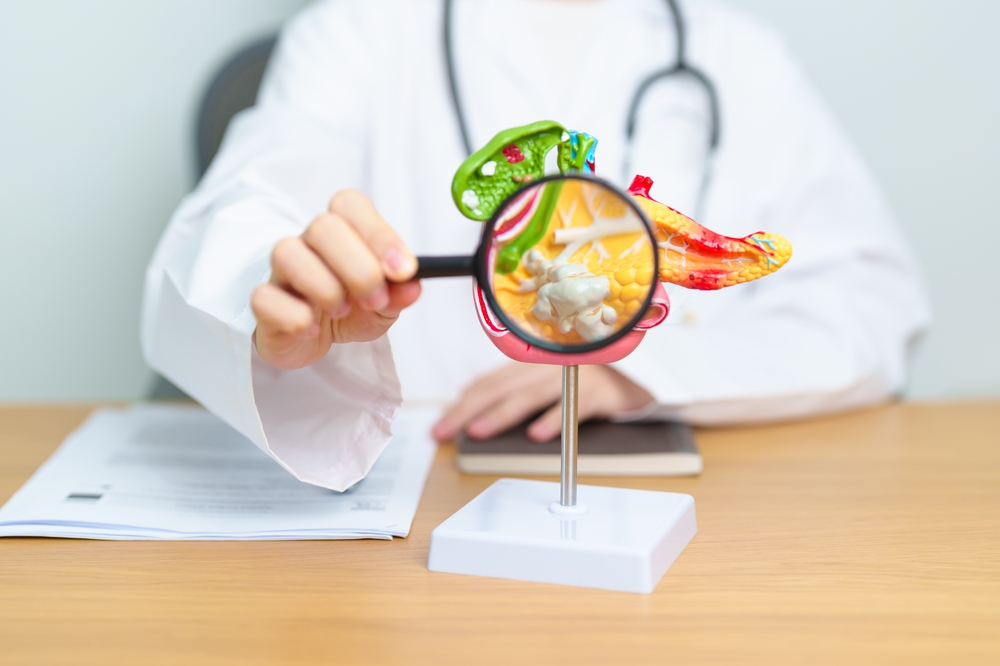
The laser trial is part of a wider pancreatic cancer research program at UCI Health. The cancer center’s multidisciplinary team includes Abi-Jaoudeh, medical oncologist Dr. Jennifer B. Valerin, and surgeons Dr. David K. Imagawa and Dr. Zeljka Jutric.
UCI Health is also involved in clinical trials involving other approaches to pancreatic cancer. The supplied material specifically mentions daraxonrasib, a medication designed to block a protein mutation that drives tumor growth and described by UCI Health as a recently approved treatment.
The different approaches reflect the complexity of pancreatic cancer. Patients can have tumors in different locations, different disease stages, different molecular characteristics, and different surgical options.
The VTP trial is focused on one particularly difficult group: patients with localized pancreatic tumors that have grown around major arteries and therefore cannot normally be removed safely.
Abi-Jaoudeh said the existence of additional experimental approaches is important for patients and physicians facing that diagnosis. “But there are a lot of solutions being worked on, like this one, to get these patients to surgery and ultimately cancer-free. We are advocating for better options and trying to get the word out to patients.”
Her comment also reflects the central purpose of the research. The team is looking for ways to give patients more treatment possibilities when conventional surgery is blocked by the tumor’s location.
Larger Trials Will Determine Whether The Results Hold Up
The next stage of research will have to answer much larger questions than the current six-patient experience can address. Researchers need to establish whether the treatment can consistently reduce tumor involvement around major arteries and whether that reduction reliably allows patients to undergo surgery.
Later studies will also need to examine longer-term outcomes. The current results show what happened to a small number of patients after treatment, but they do not establish whether the approach extends survival or changes the overall course of pancreatic cancer.
The treatment also comes with practical limitations, including the required three-day period away from normal light exposure. Researchers will need to weigh those considerations against the potential benefits as the therapy moves through additional testing.
For now, VTP remains an experimental treatment being evaluated in a Phase 1 clinical trial. The early surgical results are a reason for further investigation, not a declaration that pancreatic cancer has been solved.
The researchers have already shown that the approach can be delivered to patients and that some treated patients were subsequently able to undergo surgery. The much harder test will be determining whether those early results can be repeated when the treatment reaches larger clinical trials.
For patients whose pancreatic tumors have wrapped themselves around major arteries, that distinction could be critical. The laser is not being presented as a finished cure, but as an experimental attempt to turn a tumor that cannot be safely removed into one that surgeons may finally be able to reach.