
Have you ever wondered whether a cancer treatment could be delivered directly to a tumor instead of circulating throughout the entire body? Scientists are exploring exactly that possibility with an unusual tool: a genetically engineered probiotic bacterium. In a recent preclinical study, researchers modified Escherichia coli Nissle 1917, a strain known for its probiotic properties, so it could accumulate inside colorectal tumors and produce cancer-fighting substances. The engineered bacteria were designed to convert a relatively inactive compound into the chemotherapy drug 5-fluorouracil, while also helping activate immune cells that can attack cancer. In one experiment involving mice, three out of seven colorectal tumors completely regressed, which works out to about 43%. That number has attracted attention, but it is important to understand what it actually represents: this was an animal study, not a human clinical trial, so the result does not mean that 43% of people with colorectal cancer could be cured using this treatment.
The research addresses one of the long-standing challenges in cancer therapy: how to attack malignant cells while limiting damage to healthy tissue. Conventional chemotherapy can affect healthy, rapidly dividing cells because the medicine travels throughout the body, while some immunotherapies can trigger unwanted immune reactions. The researchers took a different approach by using bacteria as localized delivery vehicles. Certain tumors contain conditions that can allow bacteria to accumulate and grow, including areas with low oxygen and abundant nutrients. The team used these characteristics to create what amounts to a microscopic treatment factory inside the tumor. Once the bacteria reached a certain density, they were programmed to release their therapeutic contents. The approach combined localized chemotherapy with immune stimulation, creating a treatment strategy that could potentially attack a tumor in more than one way. The findings are still early, however, and much more research is needed before anyone can know whether this approach could safely and effectively treat people.

Why Researchers Are Looking for New Ways to Treat Colorectal Cancer
Colorectal cancer remains a major health concern, and treatment can become more difficult when the disease has spread beyond the original tumor. Depending on the stage and characteristics of the cancer, treatment may involve surgery, chemotherapy, radiation, targeted therapies, immunotherapy, or combinations of these approaches. One chemotherapy drug commonly used in colorectal cancer is 5-fluorouracil, also called 5-FU. It interferes with processes that cancer cells need to grow and multiply. While 5-FU can be an important part of cancer treatment, systemic chemotherapy exposes the body to the drug rather than concentrating its activity exclusively at the tumor.
That challenge has encouraged researchers to investigate ways of delivering cancer medicines closer to the disease itself. A tumor is not simply a mass of cancer cells. It contains blood vessels, immune cells, connective tissue and other components that can influence how cancer grows and responds to treatment. Some tumors also contain regions with low oxygen and altered metabolic conditions. These features can create an environment where certain bacteria are able to survive and accumulate more readily than they would in healthy tissues. Researchers have therefore been studying whether bacteria could serve as biological delivery systems that bring therapeutic substances into tumors.
The strain used in this study was E. coli Nissle 1917. Unlike strains of E. coli associated with foodborne illness, Nissle 1917 is a well-studied non-pathogenic strain that has been investigated for probiotic and therapeutic applications. The researchers wanted to determine whether it could preferentially accumulate in colorectal tumors. After the engineered bacteria were introduced into mice, the researchers found that the bacteria largely disappeared from major organs while accumulating in the tumors. Within five days, bacterial populations in the tumors reached more than one billion bacterial cells per gram of tumor tissue, demonstrating that the microbes could concentrate within the cancerous tissue in these experimental models.
This targeting ability is what makes the research particularly interesting. Instead of asking the entire body to tolerate a high amount of chemotherapy while hoping enough of the drug reaches the tumor, the researchers were attempting to make the tumor itself the site where the active treatment would be generated. It is still an experimental concept, and the behavior of engineered bacteria in laboratory animals cannot automatically be assumed to be the same in humans. Still, the study provides evidence that living microorganisms can potentially be programmed to deliver multiple therapeutic functions in a tumor.
How the Engineered Bacteria Produce Chemotherapy
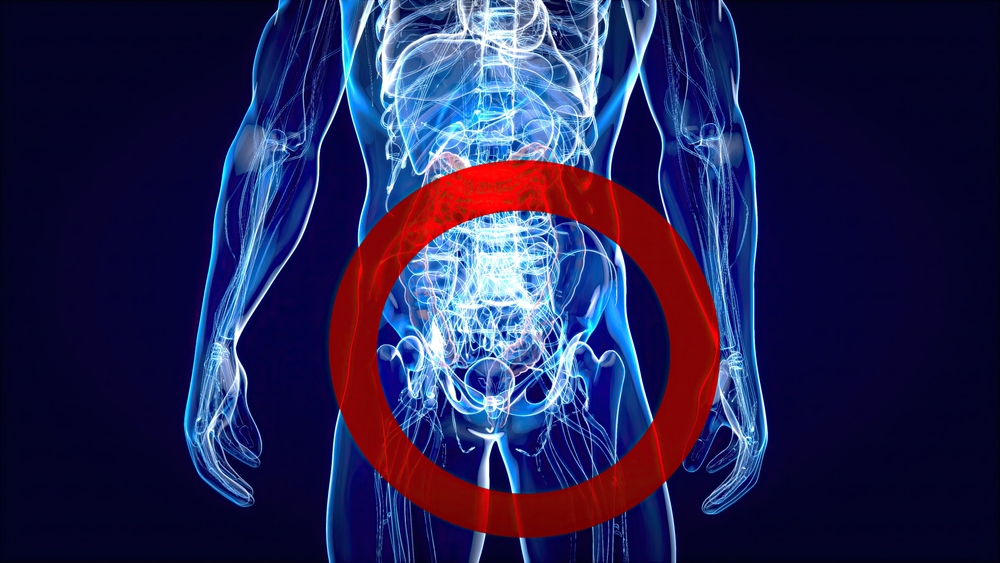
The researchers programmed the bacteria to make an enzyme called cytosine deaminase. This enzyme can convert 5-fluorocytosine, or 5-FC, into 5-fluorouracil, the chemotherapy drug 5-FU. The idea is relatively simple: the 5-FC is administered separately, while the engineered bacteria provide the enzyme that converts it into active chemotherapy inside the tumor. This type of approach is sometimes described as a prodrug strategy because a relatively less active compound is converted into a more active therapeutic substance at a desired location.
The bacteria were also equipped with a synchronized lysis circuit. This genetic system allows the bacterial population to respond when it reaches a particular density. Once enough bacteria had accumulated, the circuit caused them to break open and release their contents into the surrounding tumor tissue. In effect, the researchers created a biological release system that could produce and distribute therapeutic molecules within the tumor. This could potentially reduce exposure of healthy tissues to the active chemotherapy, although whether that advantage translates into meaningful safety improvements in humans remains unknown.
The researchers initially discovered that their strategy had an unexpected limitation. The engineered bacteria could convert 5-FC into 5-FU, but E. coli naturally carries genes called preTA that help break down 5-FU. That meant the bacteria were making the chemotherapy and then also helping deactivate it. The team removed the preTA genes from the engineered bacteria, allowing more of the 5-FU produced inside the tumor to remain active. This modification substantially improved the treatment’s effects in the experimental models.
The results also demonstrated why biological engineering can be complicated. Simply putting chemotherapy-producing bacteria inside a tumor was not enough. The researchers had to understand how the bacteria themselves interacted with the drug they were producing. By changing the bacterial metabolism, they were able to prevent one of the organisms’ natural pathways from undermining the treatment. This kind of engineering is central to the concept because the goal is not simply to introduce bacteria into a tumor, but to create bacteria that perform carefully defined therapeutic functions.
The Treatment Also Tries to Activate the Immune System
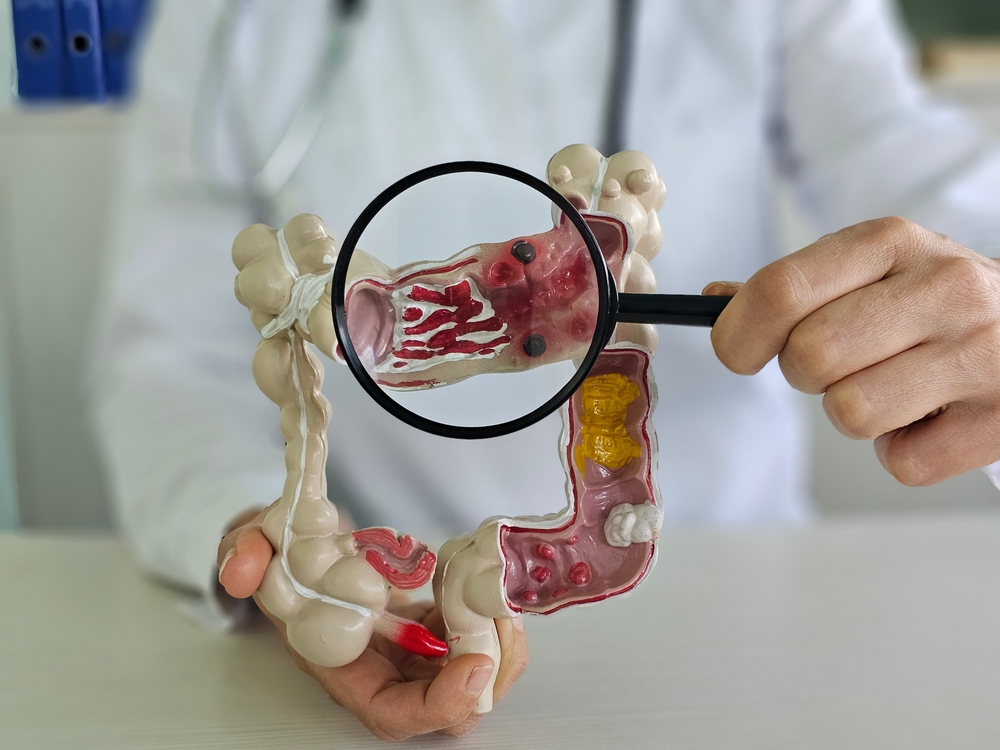
Chemotherapy was only one part of the final treatment. The researchers found that localized production of 5-FU could stimulate immune activity within the tumor, including activity involving T cells and natural killer cells. These immune cells can recognize and attack abnormal cells, making them important components of the body’s defense against cancer. However, tumors can also develop mechanisms that suppress immune responses, allowing malignant cells to survive even when immune cells are present.
One of those mechanisms involves PD-L1, a protein that can help tumors suppress certain immune responses. The researchers therefore engineered the bacteria to produce a PD-L1-blocking nanobody. Nanobodies are small antibody-derived proteins that can bind specific targets. In this case, the goal was to interfere with the tumor’s ability to use PD-L1 as an immune-suppressing signal. The bacteria were also engineered to produce an IL-15 superagonist, designed to stimulate cancer-fighting immune cells such as T cells and natural killer cells.
This created a three-part treatment strategy. The bacteria could generate 5-FU inside the tumor, stimulate immune activity through the IL-15-based molecule, and interfere with an immune-suppressing pathway through the PD-L1-blocking nanobody. Rather than relying on a single mechanism, the researchers were attempting to make the tumor a site of both chemotherapy and immune activation. In the mouse models, the combined approach produced stronger anti-tumor effects than the earlier versions of the bacterial treatment.
The researchers also observed evidence that the immune response could extend beyond the tumor directly exposed to the treatment. In experimental models involving tumors at separate sites, treatment of one tumor was associated with slower growth of another tumor that did not receive the same direct bacterial treatment. The researchers reported evidence of immune memory as well. These observations are important because a successful cancer treatment may need to do more than damage the tumor in one location. It may also need to help the immune system recognize cancer cells elsewhere in the body.
What Does the 43% Tumor Regression Figure Really Mean?
The headline figure comes from an experiment in which three of seven colorectal tumors in mice completely regressed after treatment. That is approximately 43% of the tumors in that particular experimental group. The result is noteworthy, but it needs to be interpreted within the limits of the study. Seven tumors is a small experimental sample, and mice are not humans. A result observed in a controlled animal model cannot be converted into a human success rate.
Preclinical studies are an early stage of medical research. They allow scientists to test whether a treatment has biological activity, explore how it works and identify potential safety concerns before human studies are considered. Many treatments that show encouraging results in animals do not ultimately demonstrate the same benefits in people. Differences in immune systems, metabolism, tumor biology, dosing and other factors can affect what happens when an experimental therapy moves from animals to humans.
The study’s findings are therefore better understood as evidence that engineered bacteria can perform several therapeutic functions inside colorectal tumors in mice. The researchers demonstrated that the bacteria could accumulate in tumor tissue, generate an active chemotherapy drug, stimulate immune responses and interfere with an immune-suppressing pathway. Those findings provide a basis for further research, but they do not establish that the treatment is ready for patients.
There are also practical safety questions that need to be answered. Researchers would need to determine how reliably the bacteria remain within tumors, how they are cleared from the body, whether they could cause infections or other complications, and how the immune system responds to the engineered organisms. The correct dose and timing would also need to be established. These questions are especially important because the treatment involves living, genetically modified bacteria rather than a conventional pharmaceutical compound.
Could Engineered Probiotics Change Cancer Treatment?
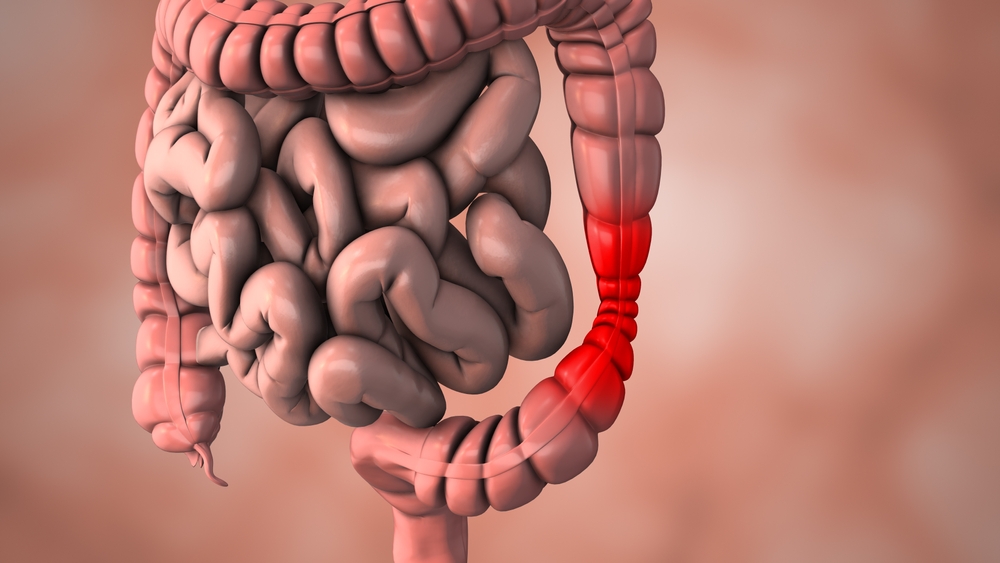
The concept of using bacteria to deliver cancer treatment is part of a broader area of research into living therapeutics. Bacteria can potentially be engineered to sense particular conditions, accumulate in certain tissues and produce molecules that would be difficult to deliver in the same way using conventional drugs. Their ability to multiply within a specific environment also creates possibilities for sustained local delivery.
For colorectal cancer, the approach has an especially interesting biological context because the disease develops in the gastrointestinal tract, an environment already populated by enormous communities of microorganisms. Researchers are increasingly studying how bacteria interact with tumors, immune cells and the surrounding tissue. However, the fact that a bacterium is described as a probiotic does not mean that an ordinary probiotic supplement can reproduce the effects seen in this experiment. The bacteria in this study were genetically engineered with specific therapeutic functions that are not present in standard probiotic products.
There is also no reason for someone with colorectal cancer to try to obtain or use experimental engineered bacteria outside a properly controlled research setting. A laboratory strain engineered to produce chemotherapy and immune-modulating molecules is fundamentally different from a dietary probiotic. People diagnosed with colorectal cancer should continue to work with their oncology team to determine which established treatments are appropriate for their particular disease.
For everyone else, the most useful lesson from this research is that cancer treatment continues to explore increasingly precise ways of targeting disease. At the same time, prevention and early detection remain important. Screening can detect colorectal cancer at earlier stages and can also identify certain precancerous growths. For people at average risk in the United States, colorectal cancer screening generally begins at age 45, although people with certain risk factors may need to begin earlier or be screened more frequently.
What You Can Do for Your Colorectal Health Now
While engineered bacteria remain experimental, there are established steps you can take to support colorectal health. Eating a varied diet that includes vegetables, fruits, whole grains and other sources of dietary fiber can support digestive health. Regular physical activity, maintaining a healthy weight, avoiding tobacco and limiting alcohol are also associated with better overall health and may help lower the risk of several chronic diseases, including colorectal cancer.
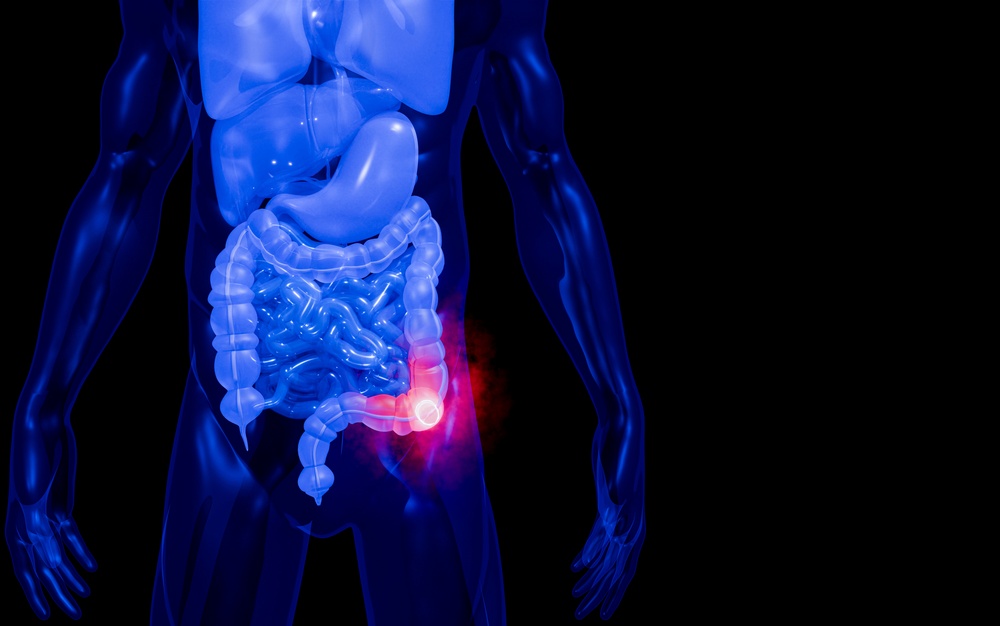
Screening deserves particular attention because colorectal cancer can develop before noticeable symptoms appear. Depending on your age, family history and other risk factors, your healthcare professional may recommend a stool-based screening test or a visual examination of the colon, such as a colonoscopy. Screening recommendations can differ for people with a personal or family history of colorectal cancer, certain inherited conditions or inflammatory bowel disease.
You should also pay attention to changes that persist rather than assuming they will simply go away. Blood in the stool, unexplained weight loss, ongoing abdominal discomfort, persistent changes in bowel habits or unusual fatigue can have many possible causes, but they are worth discussing with a healthcare professional. Symptoms alone cannot diagnose colorectal cancer, and many gastrointestinal symptoms are caused by conditions that are not cancer, but persistent or concerning changes deserve evaluation.
If you or someone you care about has already been diagnosed with colorectal cancer, experimental research can be interesting without replacing medical care. Ask your oncology team about the treatment options appropriate for the specific cancer, including whether participation in a legitimate clinical trial may be suitable. Research such as this engineered-probiotic study may eventually contribute to new therapies, but it still has significant scientific and clinical steps ahead.
A New Direction for the Tiny Organisms Around Us
The idea of turning bacteria into microscopic cancer-fighting factories sounds unusual, but the science behind the approach reflects a real challenge in oncology: delivering powerful treatment where it is needed while limiting unnecessary exposure elsewhere. In this study, researchers used an engineered strain of E. coli to accumulate inside colorectal tumors, produce chemotherapy and modify the local immune environment. The fact that three of seven tumors completely regressed in one mouse experiment shows that the strategy deserves further investigation, while the small experimental group and animal model also show why the result should not be treated as a human cure rate.
What makes the research especially interesting is the combination of functions packed into a single living system. The bacteria were not merely carrying a drug. They were engineered to produce 5-FU, stimulate immune cells and block an immune-suppressing signal. The researchers also had to modify the bacteria so they would not destroy the chemotherapy they were producing themselves. Each of these steps reflects the complexity of designing a living cancer treatment.
There is still a substantial distance between these findings and a treatment that doctors could prescribe. Human studies would need to establish safety, dosing, effectiveness and long-term outcomes. Researchers would also need to understand how these engineered bacteria behave in the much more varied biological environment of human tumors. Until those questions are answered, the treatment belongs in the research setting rather than the self-care setting.
For now, the study offers an intriguing example of how cancer research is bringing together microbiology, genetic engineering, chemotherapy and immunology. A probiotic bacterium may one day become more than something associated with digestive health, but whether engineered microbes can become a safe and effective cancer treatment for people will depend on what future research shows.
Sources:
Yang, Z., Im, J., Chen, N., Mariuzza, D. L., De Los Santos-Alexis, K., Li, F., Ballister, E. R., Ringham, O. R., Danino, T., & Arpaia, N. (2026). Engineered probiotics for tumor-targeted combination chemoimmunotherapy. Science Translational Medicine, 18(867), eady2289. https://doi.org/10.1126/scitranslmed.ady2289

Felix David Coleman Valenzuela
Monday 28th of September 2026
Great article — I’m glad I found it. If anyone needs more information, they can visit: https://rehabme.org.