
Imagine two people sitting down for the same memory test on the same afternoon. They are the same age, have similar education, and nothing obvious separates them on paper. Yet one performs like someone seven and a half years younger. That gap came from a study of 960 older adults in Chicago who completed food questionnaires and cognitive tests for an average of 4.7 years, with the people who followed one particular eating pattern most closely showing dramatically slower cognitive decline.
The diet has a name, and its food list looks far less complicated than most people might expect. There are no exotic powders, expensive supplements, or impossible rules. Instead, researchers keep returning to a familiar combination of leafy greens, berries, beans, nuts, whole grains, olive oil and fish. The evidence is not perfect, and one major trial failed to show a significant benefit, but years of research have produced a striking question: could thousands of ordinary meals influence how well your brain functions decades later?
The Diet Behind the Seven-and-a-Half-Year Gap
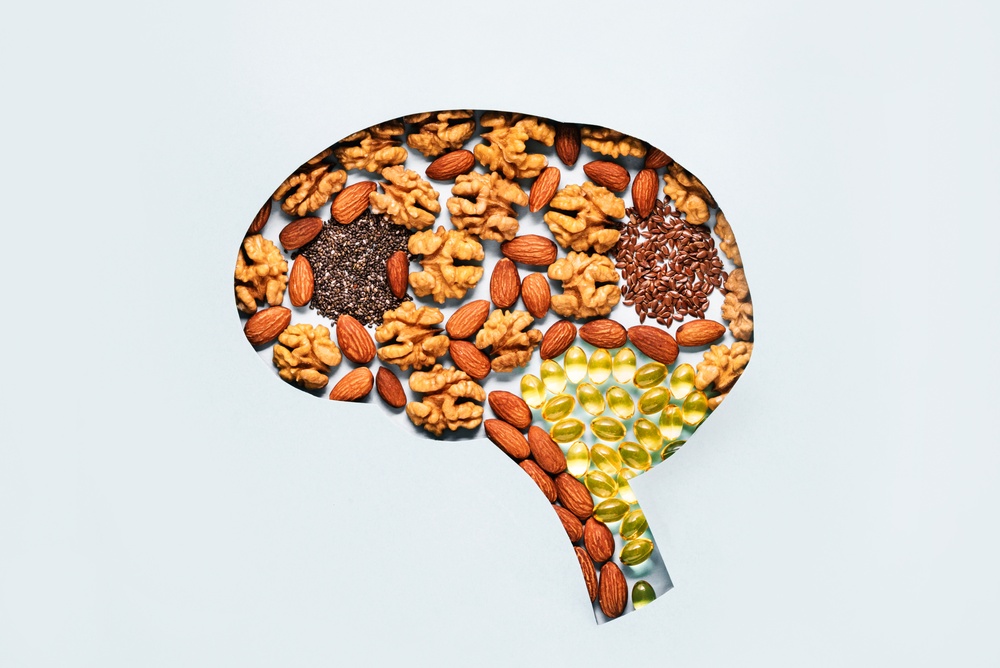
It is called the MIND diet, short for Mediterranean-DASH Intervention for Neurodegenerative Delay. Nutritional epidemiologist Martha Clare Morris and her team at Rush University developed the eating pattern in 2015 by combining elements of the Mediterranean and DASH diets, then focusing on foods repeatedly associated with brain health. The recommended foods include green leafy vegetables, other vegetables, berries, nuts, beans, whole grains, olive oil, fish and poultry.
Foods intended to be limited include butter, cheese, red meat, fried foods, pastries and sweets. In Morris’s analysis of 960 adults, higher MIND diet scores were associated with slower decline across five separate areas of cognitive function. When researchers compared the highest third of participants with the lowest third, the difference in cognitive decline worked out to the equivalent of being seven and a half years younger.
The Foods That Make Up the MIND Diet
The pattern is built around a relatively simple grocery list:
- Leafy greens: Spinach, kale and other green vegetables.
- Colorful vegetables: Including carrots, squash and sweet potatoes.
- Berries: Especially blueberries and other deeply colored fruits.
- Plant-based staples: Beans, nuts and whole grains.
- Healthy fats and proteins: Olive oil, fish and poultry.
The idea is not perfection. The MIND diet measures patterns over time, which means a person’s overall eating habits matter more than one perfect dinner or one bad weekend. That distinction becomes important when looking at the research, because some of the strongest results have come from people who simply improved their eating patterns rather than following every recommendation with absolute precision.
Why Brightly Colored Foods Keep Appearing
Harvard professor of epidemiology and nutrition Walter Willett has been direct about the potential importance of lifestyle in dementia prevention, arguing that diet may be one of the strongest factors people can influence. He has pointed to carotenoids as particularly important compounds, highlighting foods such as carrots, dark orange squash, sweet potatoes, spinach and kale. One detail from his explanation is especially memorable: carotenoids can enter the brain, and the human brain itself has a yellowish appearance because of these compounds. That does not mean eating a pile of carrots suddenly protects someone from dementia, but it helps explain why researchers continue investigating diets rich in deeply colored fruits and vegetables.
Berries have also become a major part of the conversation, with blueberries receiving particular attention in studies of cognitive function. The MIND diet specifically recommends berries while the Mediterranean and DASH diets take a broader approach to fruit. Researchers have spent years trying to identify whether individual nutrients, food groups, or broader dietary patterns drive the strongest effects. The answer may involve all three. Foods contain complicated combinations of vitamins, fats, fiber and plant compounds, which is one reason researchers often study entire eating patterns instead of trying to isolate a single so-called miracle food.
Why Fish Keeps Coming Out on Top
When researchers examined dietary patterns among more than 7,750 people followed for between five and 10 years, fish emerged as one of the strongest dietary factors associated with a lower risk of cognitive impairment. Neurologist Andrew Budson described fish as the single most important dietary factor in that research, with vegetables coming next. For people imagining that brain-friendly eating requires expensive specialty products, the list is refreshingly ordinary. Salmon, sardines, trout, cod, haddock, clams, shrimp, scallops and canned light tuna can all fit into a healthy diet, although larger predatory fish such as swordfish and bigeye tuna are generally eaten less frequently because of mercury concerns.
Willett has explained the importance of fish partly through the role omega-3 fatty acids play in the brain’s structure. He has noted that roughly a quarter of the brain is made up of omega-3 fatty acids, making them a major structural component. His suggested target is one oily fish meal each week, a goal that sounds almost underwhelming considering the enormous market built around supplements and complicated health plans. Yet the wider evidence keeps pointing back toward the same theme: familiar foods eaten consistently over years may matter more than dramatic short-term interventions.

The Major Trial That Did Not Deliver
There is an important catch behind the most impressive numbers, and it deserves to be stated clearly. Many studies linking the MIND diet with slower cognitive decline are observational, meaning researchers watch what people already eat and track what happens over time. That can reveal powerful associations, but it cannot prove that the diet alone caused the difference. People who eat more vegetables and fish may also exercise more, receive better medical care, sleep differently, or have other advantages that influence brain health.
The observational evidence is still substantial. Harvard’s T.H. Chan School of Public Health combined three prospective cohorts with a meta-analysis of 11 studies involving 242,185 people, reporting that stronger adherence to the MIND diet was associated with a lower risk of dementia. However, the large randomized trial produced a far less dramatic result. Rush researchers assigned 604 older adults with a family history of Alzheimer’s disease to follow either the MIND diet or a control diet for three years and found no significant difference in cognitive performance or brain imaging. Lead author Lisa Barnes said the MIND group performed slightly better, although the difference was not statistically significant. Both groups also lost around five kilograms, while the control group’s MIND score improved substantially, meaning the supposedly different comparison group was eating more healthily as well.
A 2025 systematic review involving 11 studies and 17,201 participants found a similar pattern. Long-term observational research repeatedly showed benefits, while trials lasting three years or less did not produce significant results. The review also highlighted another limitation: many participants were White, meaning the evidence does not represent every population equally. Neuroscientist Laura Bojarskaite put the limitation plainly when discussing dementia prevention estimates, stressing that a population-level estimate of what might be preventable is not a personal guarantee for any individual.

Diet Is Missing From One Major Dementia List
In July 2024, 27 dementia experts published the third Lancet Commission report and identified 14 potentially modifiable risk factors associated with 45% of dementia cases worldwide. Two new factors were added in that report: high LDL cholesterol from around age 40, estimated to account for roughly 7% of cases, and untreated vision loss later in life, estimated at around 2%. One detail immediately stands out when reading the list. Diet itself is not named as one of the 14 factors.
That might sound like a contradiction until the rest of the list comes into focus. High blood pressure, obesity, diabetes and high LDL cholesterol are all included, and food choices can influence every one of them. Diet may therefore work through several different pathways rather than acting as a single independent switch that turns dementia risk up or down. Lead researcher Gill Livingston said, “It’s never too early or too late to take action, with opportunities to make an impact at any stage of life.” The message from the commission was broader than any single diet: brain health is connected to the health of the entire body, and many of the risk factors develop decades before memory problems become obvious.
People Who Changed Their Diet Saw a Striking Difference
One of the most interesting findings came from researchers at the University of Hawaii, who followed nearly 93,000 U.S. adults aged 45 to 75 from five racial and ethnic groups. More than 21,000 participants later developed Alzheimer’s disease or a related dementia. Higher MIND diet adherence at the beginning of the study was associated with a 9% lower dementia risk overall, with the association reaching around 13% among African American, Latino and White participants.
The result that stands out most, however, involved people who changed. Participants who improved their MIND diet scores over a decade had a 25% lower dementia risk than those whose scores declined. The association appeared across different ages and racial groups. Nobody in that research needed to follow the diet perfectly to be included among the people who improved their scores. They simply changed the direction of their eating habits. Lead author Song-Yi Park said “it’s never too late to make changes,” adding that eating “more plant-based, nutrient-rich foods,” even later in life, can help protect brain health. For anyone who feels they have already spent too many years eating poorly, that finding offers a far more realistic starting point than an all-or-nothing diet plan.

Your Forties Could Be a Critical Window
The latest research has pushed the conversation toward an earlier stage of life. In February 2026, Harvard researchers analyzed 159,347 adults across three long-running cohorts and examined six different healthy eating patterns in relation to cognitive decline. All six patterns were associated with a lower risk, but the strongest association came from the DASH diet rather than MIND, with roughly a 41% lower risk of cognitive decline among those with stronger adherence. Vegetables and fish appeared positive again, while red and processed meat showed the opposite pattern.
The age range where DASH adherence appeared to matter most was 45 to 54. That is decades before many people associate themselves with dementia, memory loss, or serious cognitive decline. It is the period when careers are busy, families demand attention, and a missed name or forgotten appointment rarely feels like a warning sign. Yet many of the conditions connected to later dementia risk, including high blood pressure and high cholesterol, can begin shaping health during these middle decades. Several thousand ordinary dinners may separate the person sitting down for a memory test at 75 from the person sitting beside them.
The Most Practical Steps From the Evidence
The research does not support treating any single food as a guaranteed defense against dementia. It does, however, point repeatedly toward a few practical habits:
- Eat more vegetables: Leafy greens and deeply colored vegetables appear frequently across healthy eating patterns.
- Include fish regularly: Oily fish provides omega-3 fatty acids that are important for brain structure.
- Choose whole foods more often: Beans, nuts, berries and whole grains are central to the MIND pattern.
- Watch cardiovascular health: Blood pressure, cholesterol, obesity and diabetes all connect to dementia risk.
- Improve rather than chase perfection: Long-term changes appear more realistic and potentially more valuable than short bursts of strict dieting.
The Brain You Feed Today Has Decades to Change
Go back to those two people taking the same memory test. Nothing in that room immediately explains why one person’s cognitive performance resembles someone years younger. The difference may have been building quietly through thousands of meals, years of blood pressure readings, changing cholesterol levels, and habits repeated long before either person worried about forgetting a name.
No diet can promise protection from dementia, and the failed randomized MIND trial shows why caution matters. But the evidence does point toward something far less glamorous and potentially far more powerful: the food choices that support the heart and blood vessels may also support the brain. Put fish on the plate, add the greens, pay attention to blood pressure and cholesterol, and keep improving where you can. The brain you feed tonight is the one you may depend on 30 years from now.
Sources:
- Pubmed.ncbi.nlm.nih.gov. (n.d.-b). https://pubmed.ncbi.nlm.nih.gov/26086182/
- Budson, A. E., MD. (2020, May 8). What to eat to reduce your risk of Alzheimer’s disease. Harvard Health. https://www.health.harvard.edu/blog/what-to-eat-to-reduce-your-risk-of-alzheimers-disease-2020050819774
- Barnes, L. L., Dhana, K., Liu, X., Carey, V. J., Ventrelle, J., Johnson, K., Hollings, C. S., Bishop, L., Laranjo, N., Stubbs, B. J., Reilly, X., Agarwal, P., Zhang, S., Grodstein, F., Tangney, C. C., Holland, T. M., Aggarwal, N. T., Arfanakis, K., Morris, M. C., & Sacks, F. M. (2023). Trial of the MIND diet for prevention of cognitive decline in Older persons. New England Journal of Medicine, 389(7), 602–611. https://doi.org/10.1056/nejmoa2302368