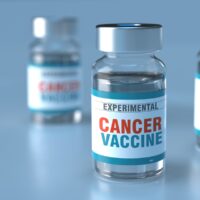
A vaccine designed to help the body hunt down and destroy lung cancer cells has officially entered human trials, marking a major milestone in the fight against one of the deadliest diseases in the world. Researchers across seven countries have begun testing the treatment in patients, with hopes that it could dramatically improve survival rates and reduce the risk of cancer returning after treatment. If successful, the experimental vaccine could become one of the most significant developments in cancer care in recent years.
The treatment, known as BNT116, uses the same mRNA technology that became widely known during the COVID-19 pandemic. But instead of protecting people from a virus, this vaccine is designed to train the immune system to recognise and attack non-small cell lung cancer, the most common type of lung cancer. With around 1.8 million people dying from lung cancer every year worldwide, researchers believe the trial could be the first step toward a completely new way of treating the disease.
Patients Across Seven Countries Have Joined The Trial
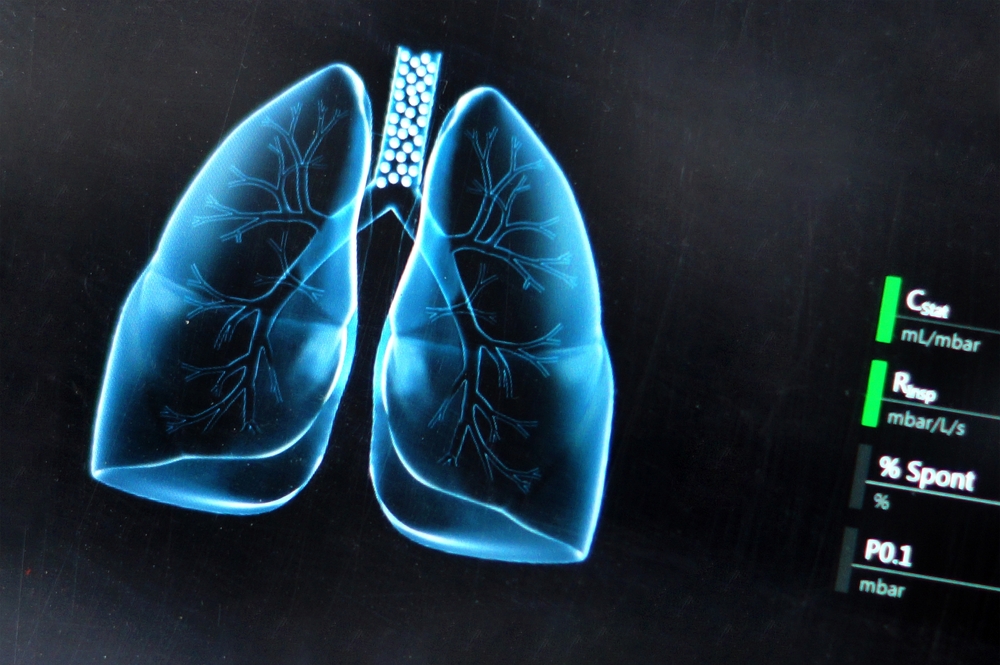
The Phase 1 trial has launched across 34 research sites in the UK, US, Germany, Hungary, Poland, Spain and Turkey. Around 130 patients are expected to take part, ranging from people with early-stage disease preparing for surgery or radiotherapy to those with advanced or recurrent cancer. Participants will receive the vaccine alongside immunotherapy while researchers monitor how the treatment performs.
The UK is playing a major role in the study, with six trial sites operating across England and Wales. The first British patient received the vaccine at University College London Hospitals, where doctors are leading the UK’s involvement in the research. Scientists hope the treatment will strengthen the body’s natural immune response and reduce the chances of cancer returning after treatment.
Prof. Siow Ming Lee, a consultant medical oncologist at University College London Hospitals NHS Foundation Trust, described the trial as the start of a promising new chapter in cancer research. He said: “We are now entering this very exciting new era of mRNA-based immunotherapy clinical trials to investigate the treatment of lung cancer.”
He added: “It’s simple to deliver, and you can select specific antigens in the cancer cell, and then you target them. This technology is the next big phase of cancer treatment.”
How The Vaccine Is Designed To Fight Cancer
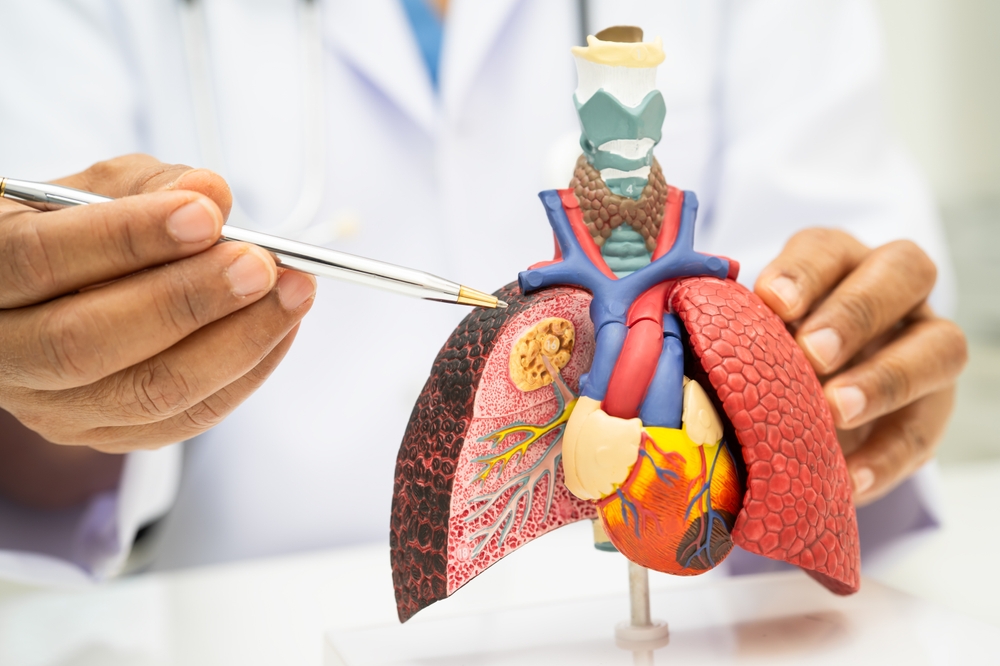
Unlike traditional vaccines, which are used to prevent diseases before they occur, BNT116 is designed for patients who already have cancer. The vaccine uses messenger RNA to present the immune system with markers commonly found on non-small cell lung cancer cells.
Researchers hope this process will train the immune system to identify those cancer cells and destroy them more effectively. Because the treatment is designed to target specific tumour markers, scientists believe it may be able to attack cancer while leaving healthy cells largely unaffected.
This approach differs significantly from chemotherapy, which can damage healthy tissue while targeting cancer. The goal is to create a more precise treatment that works alongside existing therapies rather than replacing them entirely.
Doctors also hope the vaccine can help tackle one of the biggest challenges in lung cancer treatment. Even when surgery, chemotherapy or radiotherapy appear successful, the disease can often return months or years later.
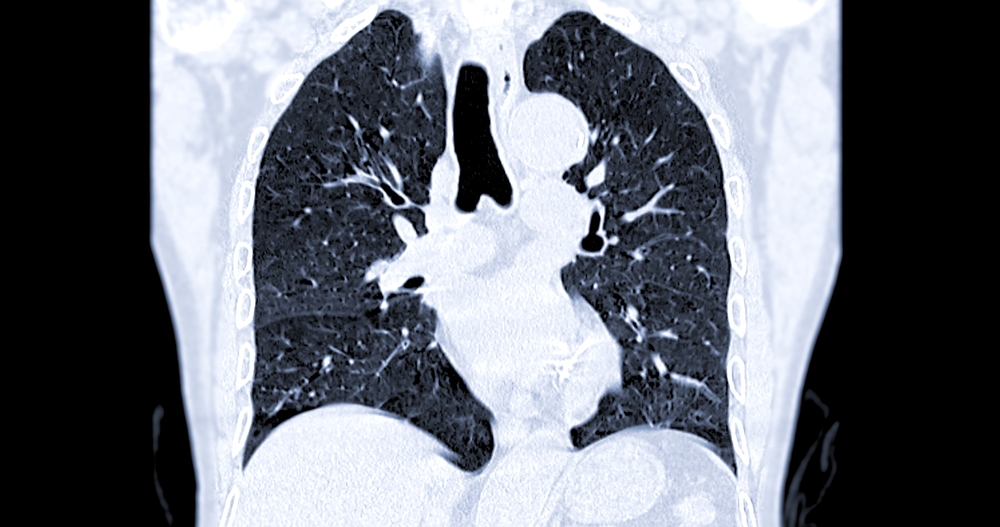
The First UK Patient Says He Wanted To Help Advance Science
The first patient to receive the vaccine in the UK was 67-year-old Janusz Racz from London. After being diagnosed with lung cancer in May, he quickly began chemotherapy and radiotherapy before becoming eligible for the trial.
Racz, who works as a scientist specialising in artificial intelligence, said his professional background played a major role in his decision to participate. He believes medical progress depends on people being willing to take part in clinical research.
“I am a scientist too, and I understand that the progress of science, especially in medicine, lies in people agreeing to be involved in such investigations,” he said.
He also hopes the treatment will benefit both himself and future patients. “It would be very beneficial for me, because it’s a new methodology not available for other patients that can help me to get rid of the cancer.”

His Treatment Schedule Is Intensive
During his first visit, Racz received six injections over a 30-minute period, with each injection administered five minutes apart. Every dose contained different RNA strands designed to help stimulate the immune system.
The treatment plan will continue for more than a year. He is scheduled to receive the vaccine every week for six consecutive weeks before switching to injections every three weeks for a further 54 weeks.
Racz said he also wanted to contribute to research that could eventually help patients around the world.
“And also, I can be a part of the team that can provide proof of concept for this new methodology, and the faster it would be implemented across the world, more people will be saved.”
His participation highlights the role patients play in developing new treatments. Every breakthrough in modern medicine has depended on volunteers willing to take part in studies long before the results are known.
Why Researchers Believe The Vaccine Could Be Important
Lung cancer remains the leading cause of cancer death worldwide, claiming around 1.8 million lives each year. Survival rates are particularly poor when the disease is diagnosed at an advanced stage or has already spread to other parts of the body.
Researchers involved in the trial believe the vaccine could eventually improve long-term outcomes when used alongside existing treatments such as immunotherapy. The hope is that the additional immune response generated by the vaccine will help eliminate lingering cancer cells that might otherwise survive treatment.
Prof. Lee explained: “We hope adding this additional treatment will stop the cancer coming back because a lot of time for lung cancer patients, even after surgery and radiation, it does come back.”
He also reflected on how dramatically lung cancer treatment has changed during his career. “I’ve been in lung cancer research for 40 years now. When I started in the 1990s, nobody believed chemotherapy worked.”
What Happens Next For The Trial
The current study represents the first stage of testing and is primarily designed to evaluate safety while collecting early evidence about how well the vaccine works. Researchers will use the findings to determine whether larger Phase 2 and Phase 3 trials should move forward.
Scientists are particularly interested in whether combining the vaccine with immunotherapy can improve survival rates. Existing immunotherapy treatments have already transformed outcomes for some patients, but researchers believe there is still room for further improvement.
“We now know about 20-30% [of patients] stay alive with stage 4 with immunotherapy and now we want to improve survival rates. So hopefully this mRNA vaccine, on top of immunotherapy, might provide the extra boost,” Lee said.
He added: “We hope to go on to phase 2, phase 3, and then hope it becomes standard of care worldwide and saves lots of lung cancer patients.”
Scientists Hope This Could Mark A New Era In Cancer Treatment
Interest in cancer vaccines has grown rapidly in recent years as advances in mRNA technology have opened new possibilities for personalised treatments. Researchers around the world are exploring whether the same technology used to combat infectious diseases can also be used to train the immune system against cancer.
The launch of the lung cancer trial represents one of the most ambitious attempts yet to turn that idea into reality. While the treatment remains experimental and many questions still need answers, doctors believe the study could provide valuable insight into the future of cancer care.
Science minister Lord Vallance welcomed the launch of the trial and said: “This approach has the potential to save the lives of thousands diagnosed with lung cancer every year.”
For patients like Janusz Racz, the hope is both personal and practical. Once his treatment is complete, he wants to return to running and pursue a goal he has held for years: completing the London Marathon.
Sources:
- BNT116-01 Clinical Trial. (n.d.). BioNTech Clinical Trials. https://clinicaltrials.biontech.com/trials/BNT116-01
- ClinicalTrials.gov. (n.d.). https://clinicaltrials.gov/study/NCT05142189
- ClinicalTrials.gov. (n.d.-b). https://clinicaltrials.gov/study/NCT05557591