For decades, cancer was largely viewed as a disease that arrived later in life. It was something most people associated with aging, long-term habits, or inherited risk factors that accumulated over time.
That assumption is becoming harder to defend.
A growing body of research shows that cancer is increasingly affecting younger adults, particularly women. According to recent analyses of U.S. cancer data, women between the ages of 15 and 49 now experience cancer rates that are roughly 83 percent higher than men in the same age group. At the same time, diagnoses among younger adults overall have climbed by about 10 percent since 2000.
The trend has left scientists searching for answers. While genetics still play a role, many researchers now believe the explanation may lie in something much broader: the modern environment millennials grew up in.
A Generation Facing a Different Cancer Reality
Cancer remains far more common among older adults than younger people. Yet one of the most striking developments in modern medicine is that many cancers are appearing decades earlier than expected.
Researchers first noticed the pattern among younger members of Generation X. Today, it is most visible among millennials, many of whom are receiving diagnoses in their twenties, thirties, and early forties.
Breast cancer, colorectal cancer, thyroid cancer, uterine cancer, and several other forms of the disease have all shown concerning increases among younger populations.
What makes the trend especially puzzling is that many patients do not fit the traditional profile doctors once expected. Some are physically active. Others have no significant family history. Many are diagnosed before reaching the age at which routine screenings are typically recommended.
This has pushed scientists to investigate a wider range of possible causes.
Rather than focusing exclusively on inherited genetic mutations, researchers are increasingly studying what they call the “exposome.” The term refers to the full collection of environmental exposures a person encounters throughout life, including those experienced before birth.
The idea is simple. If genetics have not changed dramatically over the past few decades, perhaps the world around us has.
Why Young Women Are Being Hit Harder

One of the most alarming findings involves the growing gap between women and men.
Federal data examined by researchers found that women aged 15 to 49 now have cancer rates approximately 83 percent higher than men of the same age group.
Several factors may contribute to this disparity.
Hormonal influences are one possibility. Researchers have long known that hormones play a role in cancers such as breast, ovarian, uterine, and thyroid cancer. Changes in reproductive patterns, including delayed childbirth and fewer pregnancies, may alter lifetime hormone exposure in ways that affect cancer risk.
Environmental chemicals are also drawing increasing attention. Many substances found in plastics, cosmetics, food packaging, and household products can interfere with hormone regulation. These compounds are often referred to as endocrine disruptors because they can mimic or alter the body’s natural hormonal signals.
Scientists are still working to understand exactly how these exposures affect long-term health, but many believe they deserve closer scrutiny as cancer rates continue to rise.
Improved detection also explains part of the increase. Modern imaging and screening technologies can identify cancers that may have gone unnoticed in previous generations.
However, researchers emphasize that better detection alone cannot explain the scale of the trend.
The cancers are not simply being found earlier. In many cases, they appear to be developing earlier.
The Possibility That Risk Begins Before Birth

One of the most surprising areas of investigation focuses on pregnancy.
Researchers studying long-term health records have begun asking a question that would have sounded unusual just a few decades ago: could certain exposures in the womb influence cancer risk many years later?
Caitlin Murphy, a cancer epidemiologist at the University of Chicago, became interested in this possibility after noticing that cancer rates seemed to rise according to birth generation rather than simply increasing with age.
Her work led her to one of the longest-running maternal health studies in the United States.
By connecting pregnancy records to cancer registries decades later, researchers uncovered patterns that raised important questions.
Children whose mothers had taken certain medications during pregnancy appeared more likely to develop specific cancers as adults. One anti-nausea medication was associated with significantly higher rates of colon cancer later in life. Another medication, hydroxyprogesterone caproate, was linked to more than double the overall lifetime cancer risk among exposed individuals.
These findings do not prove direct causation, and scientists caution against drawing sweeping conclusions. However, they suggest that conditions experienced before birth may shape health outcomes far more profoundly than previously understood.
Researchers increasingly believe that fetal development may represent a critical window during which environmental influences can affect disease risk decades later.
The Ultra-Processed Food Experiment Nobody Intended

If there is one factor repeatedly appearing across studies of modern health problems, it is the dramatic transformation of the human diet.
The foods that filled grocery stores in the 1980s and 1990s looked very different from those consumed by previous generations.
Highly processed snacks, frozen meals, sugary cereals, packaged desserts, and convenience foods became staples of daily life.
Today, ultra-processed foods account for more than half of daily calorie intake in the United States.
Researchers are increasingly concerned about what that means for long-term health.
A growing number of studies have linked heavy consumption of ultra-processed foods to higher risks of obesity, metabolic disorders, cardiovascular disease, and certain cancers.
A major study published in 2023 found associations between high consumption of ultra-processed foods and increased risks of several cancers, including colorectal and breast cancer.
Those findings are particularly significant because both cancers are rising rapidly among younger adults.
Scientists believe several mechanisms may be involved:
- Chronic inflammation triggered by additives and preservatives
- Disruptions to the gut microbiome
- Hormonal changes linked to excess sugar consumption
- Exposure to compounds formed during high-temperature processing
- Chemical migration from food packaging materials
Researchers emphasize that no single food causes cancer. The concern instead centers on lifelong dietary patterns and how they interact with other environmental exposures.
For millennials, the concern is especially relevant because they may be the first generation raised almost entirely within the era of mass-produced ultra-processed food.
The Hidden Cost of a 24-Hour Lifestyle

Human beings evolved under a predictable cycle of daylight and darkness.
Modern life has largely abandoned that schedule.
Artificial lighting, smartphones, shift work, streaming platforms, global business operations, and constant connectivity have fundamentally changed when people sleep, eat, and rest.
Scientists studying cancer increasingly believe this shift may have consequences.
The body’s circadian rhythm regulates countless biological functions, including hormone production, immune activity, metabolism, and cellular repair.
When those rhythms are disrupted repeatedly, some of the body’s most important maintenance systems can become less effective.
Melatonin, a hormone released during darkness, plays a particularly important role. Beyond regulating sleep, melatonin appears to influence cellular repair processes and may help protect against cancer development.
Researchers have linked chronic circadian disruption to increased risks of breast, colorectal, liver, lung, and pancreatic cancers.
The evidence became strong enough that the International Agency for Research on Cancer classified shift work involving circadian disruption as a probable human carcinogen.
Animal studies have produced similarly concerning findings.
In one study, mice exposed to conditions resembling chronic jet lag developed substantially more tumors than mice following normal sleep patterns.
Other research has found that circadian disruption can alter gut bacteria and weaken intestinal barriers, potentially creating conditions that allow cancerous cells to spread more easily.
The implications extend far beyond sleep quality.
Scientists increasingly view sleep as one of the body’s most important defense systems.
Microplastics and the Chemical World Around Us
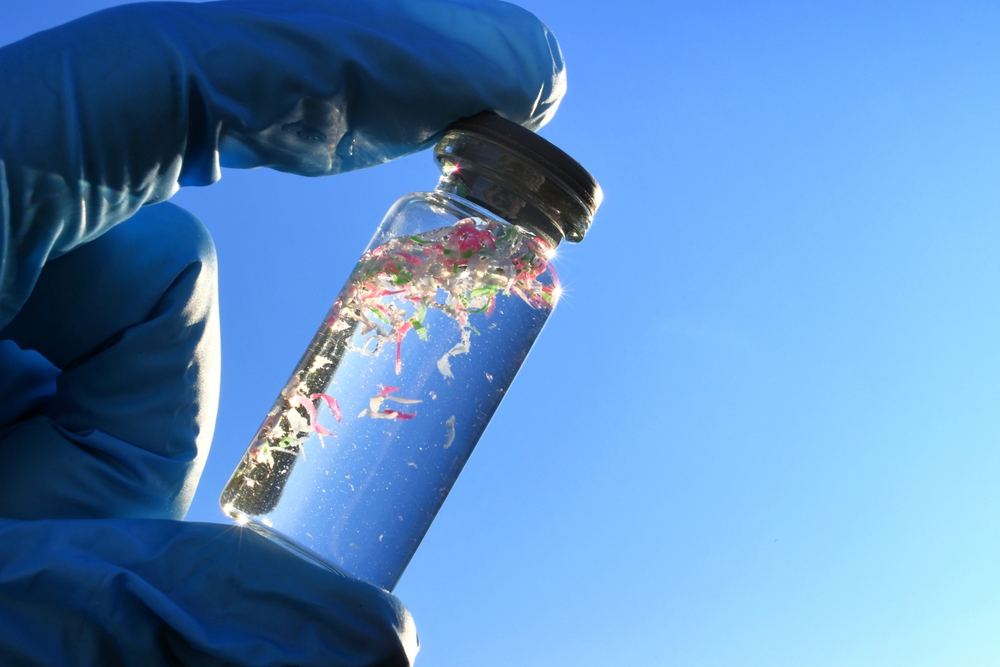
Perhaps no area of cancer research captures public attention more than microplastics.
Tiny plastic particles have now been detected in the lungs, blood, placenta, heart, and even the brain.
They are virtually impossible to avoid.
People encounter them through food packaging, drinking water, synthetic fabrics, household dust, personal care products, and countless other everyday sources.
Scientists are still determining exactly how these particles affect human health, but laboratory research has revealed several concerning possibilities.
Microplastics can carry environmental pollutants. They may contribute to chronic inflammation. Some studies suggest they can damage DNA and interfere with normal cellular processes.
At the same time, researchers are investigating a much broader issue.
The modern world contains more than 100,000 synthetic chemicals. Only a small percentage have been thoroughly studied for potential cancer risks.
Many experts believe this represents one of the greatest challenges in modern public health.
Unlike historical hazards such as asbestos or lead, today’s exposures are often diffuse and difficult to measure. People encounter countless substances in small amounts across a lifetime.
Determining how those exposures interact with one another is enormously complex.
Yet researchers continue uncovering reasons for concern.
One recent study identified hundreds of chemicals with the potential to contribute to breast cancer development. Other investigations have linked various environmental chemicals to hormonal disruption, inflammation, and cellular changes associated with cancer formation.
Scientists caution that much remains unknown. At the same time, they acknowledge that modern chemical exposure differs dramatically from anything previous generations experienced.
The Link Between Cancer and Accelerated Aging
One of the most intriguing discoveries involves biological aging.
Researchers analyzing blood samples from approximately 150,000 people found evidence suggesting millennials may be aging biologically faster than previous generations.
Biological age differs from chronological age.
Two people can both be 40 years old on paper while their bodies function very differently at the cellular level.
Scientists estimate biological age using biomarkers that reflect the health of organs, tissues, and metabolic systems.
The study found that accelerated biological aging was associated with significantly increased risks for several cancers, including cancers of the lung, gastrointestinal tract, and uterus.
Some risks increased by as much as 42 percent.
This finding has led researchers to consider a provocative possibility.
Perhaps the rise in cancer is not caused by a single factor at all.
Instead, multiple exposures may be working together to accelerate aging itself. If the body begins aging faster, diseases traditionally associated with older adults may start appearing much earlier.
That idea remains under investigation, but it fits a broader pattern scientists are observing across medicine.
Heart disease, metabolic disorders, neurodegenerative conditions, and several other major illnesses also appear to be emerging earlier than expected.
Cancer may simply be the most visible signal of a much larger shift.

What Researchers Still Don’t Know
Despite growing concern, experts repeatedly stress an important point.
Scientists have not identified a single cause behind the rise in early-onset cancer.
Most evidence comes from observational research, population studies, and laboratory experiments. These studies can reveal important patterns, but they cannot always prove direct cause and effect.
Researchers are careful not to overstate what current evidence shows.
Many exposures being investigated may contribute only small amounts of risk individually. Others may ultimately prove less important than they currently appear.
The challenge lies in understanding how thousands of factors interact across an entire lifetime.
That complexity explains why answers have been slow to emerge.
Cancer is rarely caused by one event. It develops through a combination of genetics, environment, behavior, biology, and chance.
Untangling those influences requires enormous amounts of data and years of research.
A Public Health Mystery With Global Consequences
The rise of cancer among younger adults has become one of the most closely watched issues in modern medicine.
Researchers examining the trend increasingly believe they are looking at more than a cancer problem.
What they may be witnessing is a broader transformation in human health driven by changes in environment, diet, technology, and lifestyle that occurred within just a few generations.
That possibility helps explain why scientists across disciplines are now collaborating to study the issue.
The answers could influence everything from food policy and chemical regulation to medical screening guidelines and disease prevention strategies.
For now, one fact is clear.
A growing number of young adults, especially women, are receiving cancer diagnoses at ages once considered unusually early. Understanding why has become one of the most urgent questions facing public health researchers today.
The data has raised the alarm. The next challenge is figuring out which pieces of modern life are responsible, and whether future generations can avoid the same trajectory.