
Millions of people have rushed toward weight-loss injections over the last few years, drawn in by dramatic before-and-after stories and the promise of rapid results. These drugs quickly moved from medical treatment to cultural phenomenon, showing up everywhere from celebrity interviews to everyday conversations.
Now, a growing wave of safety concerns is forcing regulators to take a much closer look at what these injections might be doing inside the body. What once looked like a straightforward breakthrough is turning into a far more complicated story.
A Sudden Shift From Breakthrough To Concern
GLP-1 drugs such as Ozempic, Wegovy, and Mounjaro were originally developed to help manage type 2 diabetes. Their ability to control appetite and regulate blood sugar soon made them one of the most talked-about tools for weight loss.
As demand exploded, so did usage. Clinics, online prescriptions, and social media buzz helped push these medications into mainstream use at a pace rarely seen in modern medicine.
But alongside their rise, reports of troubling side effects have been quietly building.
Health regulators in the UK have now stepped in, launching a deeper investigation after receiving hundreds of reports tied to pancreas-related complications.
The Medicines and Healthcare products Regulatory Agency has collected nearly 400 reports of acute pancreatitis linked to these drugs. While not every case has been confirmed as directly caused by the medication, the pattern has become difficult to ignore.
More concerning is the fact that at least ten deaths in the UK have been associated with pancreatitis in people who were using these injections. Even if a direct cause has not been established in every instance, the number alone has raised serious questions.
What Acute Pancreatitis Actually Means

At the center of the investigation is a condition that many people had never heard of before this controversy began.
Acute pancreatitis is an inflammation of the pancreas, an organ that sits behind the stomach and plays a key role in digestion and blood sugar regulation. When it becomes inflamed, the body can react quickly and aggressively.
For some patients, the condition resolves within days with proper treatment. For others, it can escalate into severe complications that affect multiple organs.
The symptoms are not subtle. They often begin with intense abdominal pain that can spread to the back, sometimes described as one of the worst pains a person can experience. Nausea, vomiting, and fever may follow, turning what might seem like a stomach issue into a medical emergency.
Doctors are now warning that anyone using these medications needs to be aware of these signs and act quickly if they appear.
Why Regulators Are Looking Closer
The concern is not just about the number of cases. It is about the scale of exposure.
An estimated 1.6 million adults in parts of the UK alone have used GLP-1 drugs in a relatively short period. When a medication reaches that level of popularity, even rare side effects can start to appear more frequently in real-world settings.
Product information for these drugs has long listed pancreatitis as a possible side effect. It is described as uncommon, affecting roughly one in 100 users. That classification once suggested a manageable risk.
Now, with hundreds of reports and confirmed deaths being examined, regulators are questioning whether certain groups of patients might face higher risks than previously understood.
There is also growing interest in whether genetics could play a role. Officials have suggested that individual biological differences may influence how a person reacts to these medications. If that proves true, it could open the door to screening methods that identify higher-risk patients before treatment begins.
What Pharmaceutical Companies Are Saying
Drug manufacturers have responded carefully to the renewed scrutiny, emphasizing that patient safety remains their top priority.
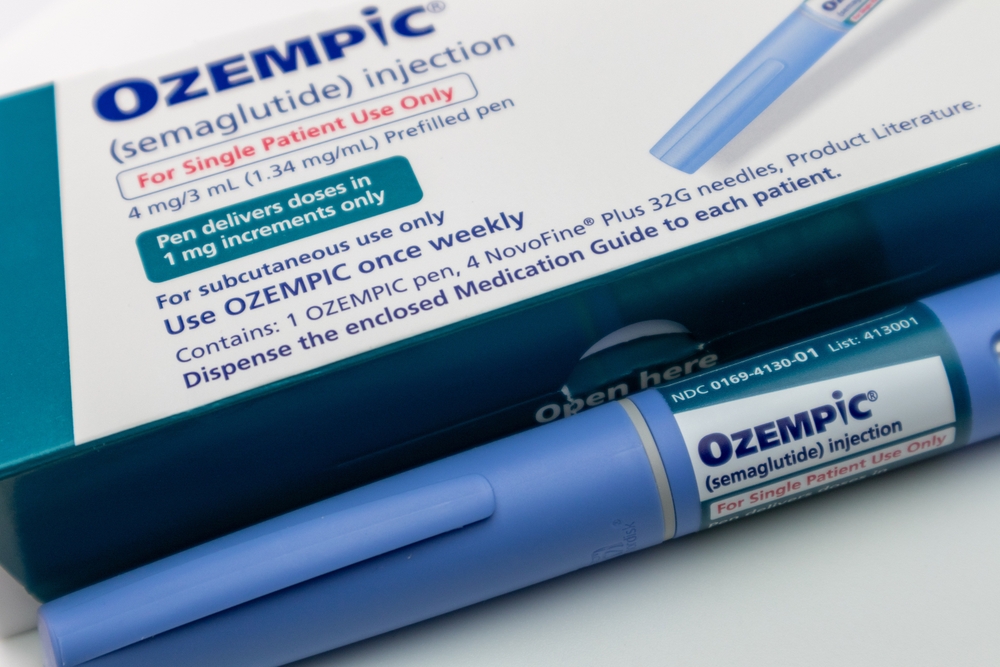
Eli Lilly, the company behind Mounjaro, has stated that it actively monitors and evaluates safety data for all of its medicines. Novo Nordisk, which produces Ozempic and Wegovy, has made similar statements, reinforcing that the overall benefit-risk profile of their drugs remains positive when used correctly.
Both companies stress that these medications should only be taken under the supervision of a healthcare professional and for approved medical purposes.
This position reflects a broader consensus within the medical community. Despite the concerns, many doctors still believe these drugs offer significant benefits for patients struggling with obesity or diabetes.
For some individuals, GLP-1 medications have delivered results that were previously difficult to achieve, including sustained weight loss and improved blood sugar control.
The Evidence That Is Raising Questions

While official reports are driving the investigation, additional research is adding to the complexity of the situation.
A recent study examined more than 400,000 social media posts from nearly 70,000 users discussing their experiences with GLP-1 drugs. Using artificial intelligence, researchers identified patterns in how people described their symptoms.
The findings showed that many commonly reported side effects, such as nausea and digestive discomfort, aligned with existing clinical data. But the analysis also revealed symptoms that are not always captured in formal trials.
Among the most discussed issues were fatigue, temperature sensitivity, and reproductive changes such as irregular menstrual cycles. These reports do not prove that the drugs are causing these symptoms, but they point to areas that may require closer investigation.
Researchers involved in the study emphasized that clinical trials, while essential, have limitations. They are often conducted over shorter time frames and in controlled environments, which means they may not capture longer-term or less common effects.
Why Patient Experiences Are Becoming Important Data

The rise of social media has created a new source of health information that did not exist at this scale in the past.
Patients now share their experiences in real time, often describing symptoms that may not make it into official reports or doctor visits. While these accounts are not always verified, they can reveal patterns that deserve attention.
Scientists refer to this approach as computational social listening. By analyzing large volumes of online discussions, researchers can identify potential signals much faster than traditional methods allow.
This does not replace clinical trials, but it complements them. It provides a broader view of how medications are affecting people in everyday life.
In the case of GLP-1 drugs, this approach has helped highlight concerns that might otherwise take years to surface through conventional research.
The Challenge Of Rapid Popularity
One of the biggest challenges facing regulators is the speed at which these drugs have become widely used.
In many cases, medications are introduced gradually, giving researchers time to monitor long-term effects before they reach large populations. GLP-1 drugs have followed a different path, moving quickly from niche treatments to mainstream solutions.
This rapid adoption means that safety monitoring has to catch up in real time. Regulators are now working to gather and analyze data as millions of people continue using these medications.
It also means that even a small risk can translate into a significant number of cases when applied across such a large population.

What Patients Are Being Told Right Now
Health authorities are not advising people to stop taking their medication abruptly. Instead, the focus is on awareness and responsible use.
Patients are being encouraged to have open conversations with their healthcare providers about the risks and benefits of these drugs. Understanding personal health history and potential risk factors has become more important than ever.
At the same time, users are being urged to pay close attention to their bodies. Symptoms such as severe abdominal pain, persistent nausea, or vomiting should not be ignored.
Early medical intervention can make a significant difference in outcomes, particularly in cases of pancreatitis, where complications can escalate quickly.
The Balance Between Benefit And Risk

The situation highlights a broader reality in modern medicine. Treatments that deliver powerful results often come with trade-offs that are not immediately visible.
GLP-1 drugs have helped many people achieve weight loss and health improvements that were previously out of reach. For those patients, the benefits are tangible and life-changing.
At the same time, emerging data suggests that there may be risks that require closer monitoring and better understanding.
This does not mean the drugs are unsafe for everyone. It means that their use needs to be guided by careful evaluation, ongoing research, and clear communication between patients and healthcare providers.
Where The Investigation Could Lead
The current investigation is focused on identifying patterns and risk factors that could explain why some patients develop pancreatitis while others do not.
Future research may explore genetic markers, lifestyle factors, and underlying health conditions that influence how individuals respond to these medications.
There is also interest in improving how side effects are tracked and reported. Combining traditional clinical data with real-world patient experiences could provide a more complete picture of drug safety.
Regulators and researchers are working toward a system that can respond more quickly to emerging concerns, especially when a medication becomes widely used in a short period.
A Defining Moment For Weight-Loss Medicine

The rise of GLP-1 drugs has reshaped how people think about weight loss and metabolic health. What once required years of effort can now be achieved with the help of a weekly injection.
That shift has created both excitement and uncertainty.
The current investigation represents a turning point. It is forcing a closer examination of how these drugs are used, who they are best suited for, and how their risks can be managed.
As more data becomes available, the way these medications are prescribed and monitored may evolve.
The Reality Behind The Headlines
Stories about potential risks can spread quickly, especially when they involve widely used medications. It is easy for fear to take hold when headlines focus on worst-case scenarios.
At the same time, ignoring warning signs is not an option. The goal of investigations like this is to ensure that treatments remain as safe and effective as possible.
For patients, the key is not panic but awareness. Understanding both the benefits and the risks allows for better decisions and safer outcomes.
What This Means For The Future Of These Drugs
GLP-1 medications are unlikely to disappear. Their effectiveness in treating diabetes and supporting weight loss has already been established.
What is more likely is a shift in how they are used. Prescriptions may become more targeted, monitoring may become more rigorous, and patients may receive more detailed guidance before starting treatment.
This moment is shaping the next phase of how these drugs fit into modern healthcare.
The conversation is no longer just about how well they work. It is about understanding them fully, including the risks that come with their rapid rise.
The outcome of ongoing investigations will determine how this balance is managed moving forward, and how millions of current and future users approach these powerful medications.