After nearly 15 years at the helm of the world’s most valuable company, Tim Cook is preparing to step aside. Apple confirmed Monday that its longtime chief executive will hand over day-to-day leadership on September 1, closing out a tenure that saw the iPhone maker balloon from a roughly $350 billion business into a $4 trillion titan. His successor, announced after months of Silicon Valley whispers, spent 25 years climbing Apple’s ranks and has grown familiar to keynote viewers over the past few years. Outside Cupertino, his name still draws blank stares. He is an engineer by training, a former collegiate swimmer by résumé, and, according to Cook himself, the person best suited to carry Apple into its next half-century. His name is John Ternus, age 51, currently Apple’s senior vice president of hardware engineering.
Cook Out, Ternus In, Effective September 1
Apple’s board of directors approved the transition without dissent, concluding what the company called a long-term succession planning process. Cook, 65, will keep the CEO title through the summer, working side-by-side with Ternus on a measured handover. Come September 1, Cook moves into a new role as executive chairman of the board, where he will focus on policy engagement with governments around the world. Ternus will join the board that same day. Arthur Levinson, who has chaired Apple in a non-executive capacity for 15 years, becomes lead independent director.
Cook, who took over from a dying Steve Jobs in August 2011, framed his departure in emotional terms. “It has been the greatest privilege of my life to be the CEO of Apple and to have been trusted to lead such an extraordinary company,” he said in the company’s announcement. He praised Ternus as a visionary and expressed full confidence in Apple’s next chapter.
Who Is John Ternus? From Penn Pool to Apple Product Chief
At 51, Ternus mirrors Cook’s own age when Cook took the top job in 2011, a detail Apple watchers say may have appealed to a board looking for stability and runway. A graduate of the University of Pennsylvania, class of 1997, Ternus earned his Bachelor of Science in mechanical engineering while competing for the Quakers swim team. A 1994 campus newspaper report caught him winning both the 50-meter freestyle and 200-meter individual medley at a university meet, and he remains an all-time letter winner for Penn men’s swimming, having represented the varsity squad a record number of times.
After graduation, Ternus took a post as a mechanical engineer at Virtual Research Systems, a company working on VR headsets during the immersive-tech wave of the 1990s. That early brush with head-mounted displays would later echo in his work on Apple Vision Pro. He joined Apple’s product design team in 2001, at the dawn of the iPod era, with his early assignments focused on external Mac monitors.
Promotions followed. Ternus rose to vice president of hardware engineering in 2013, took charge of iPhone hardware in 2020 after Dan Riccio moved to the Vision Pro project, and joined Apple’s executive team as senior vice president in 2021.
Across his quarter-century inside Apple, Ternus has put his hands on almost every product category the company sells. He helped launch the iPad, worked on every AirPods generation, and shepherded the Mac’s historic jump from Intel processors to Apple silicon. His teams delivered last fall’s iPhone 17 lineup, the ultrathin iPhone Air, and the MacBook Neo, which extended Mac laptops to a wider price tier.
In his Monday statement, Cook credited Ternus with the qualities he believes Apple’s next CEO needs. “John Ternus has the mind of an engineer, the soul of an innovator, and the heart to lead with integrity and with honor,” Cook said, calling him the right person to lead Apple into the future.
Cook’s 15 Years, Measured in Trillions
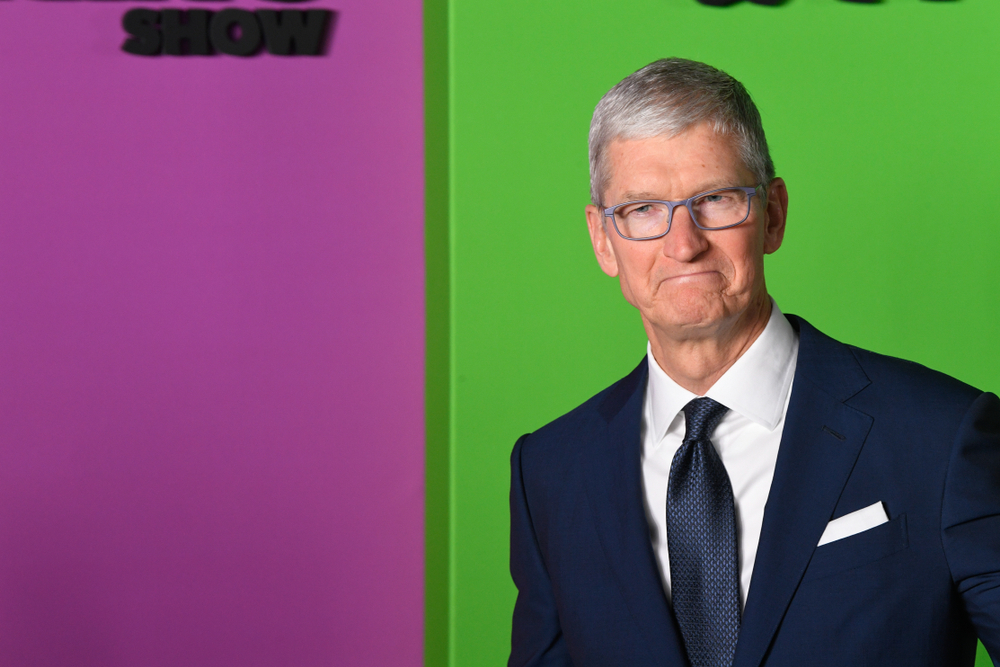
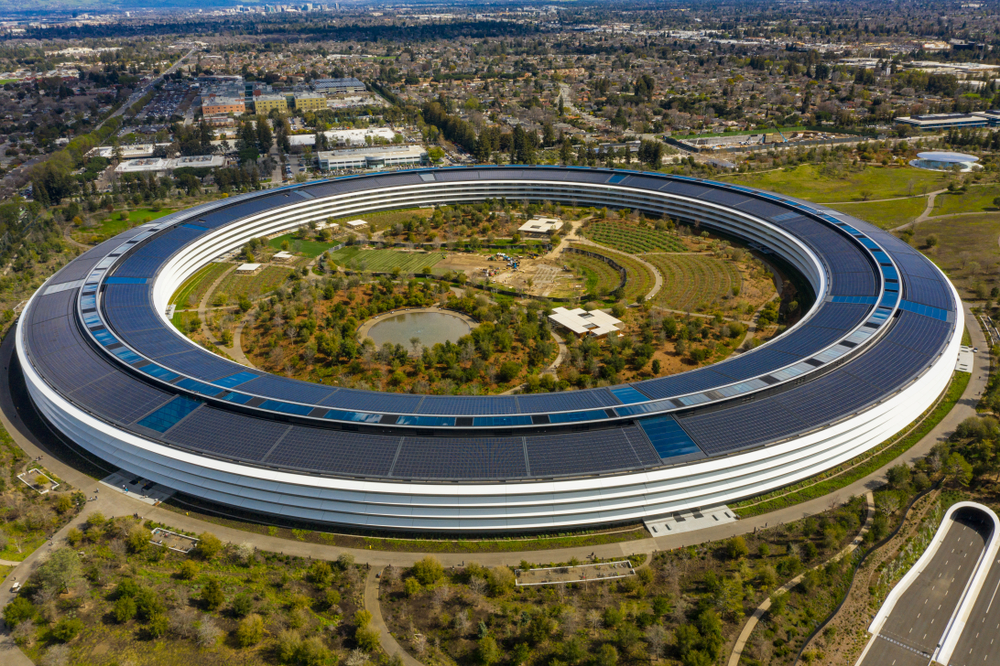
Cook’s 15-year run reads like a business school case study. Market capitalization jumped from roughly $350 billion when he took over to nearly $4 trillion today, a gain of more than 1,000 percent. Yearly revenue nearly quadrupled, climbing from $108 billion in fiscal 2011 to more than $416 billion in fiscal 2025. Apple added more than 100,000 employees, opened more than 500 retail stores across 200-plus countries and territories, and pushed its active installed base past 2.5 billion devices.
Apple’s services arm, which was barely a line item when Cook took over, has grown into a $100 billion-plus business, roughly the size of a Fortune 40 firm. New hardware categories arrived on his watch, from Apple Watch and AirPods to AirTag and Vision Pro, along with subscription products including Apple Music, Apple TV+, News+, and Fitness+. Cook also pushed through Apple’s move to custom silicon, a bet that now defines performance across the Mac and iPad lines.
More Than an Operations Guy
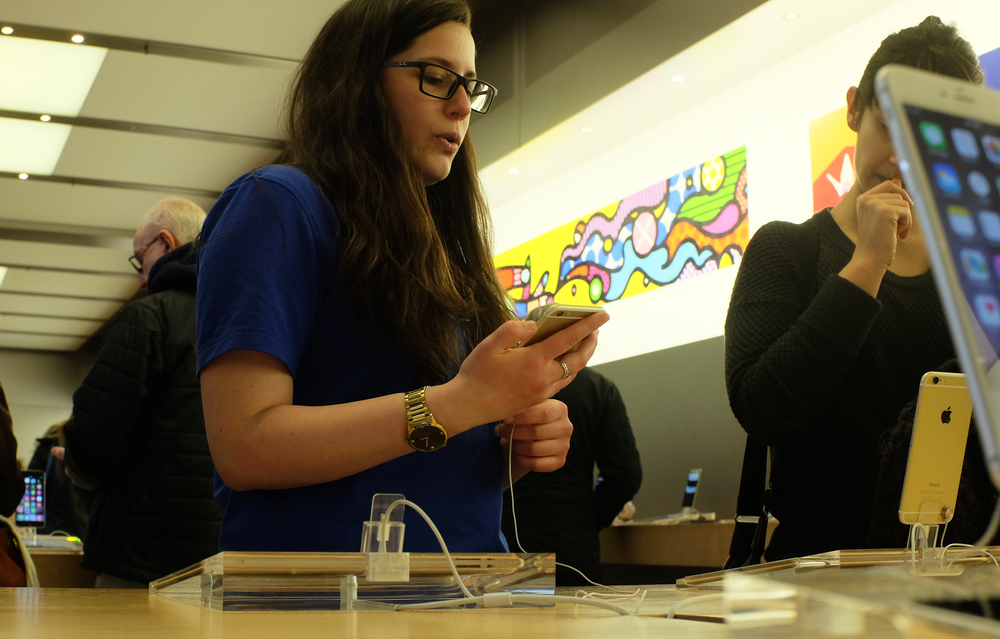
Cook came to the CEO office from an operations background, having spent years at IBM and Compaq before joining Apple in 1998 as its supply chain chief. That résumé set him apart from Jobs, whose reputation was built on product vision and public showmanship. Ken Segall, Jobs’s longtime creative director, summed up the contrast in a BBC interview, saying Cook never quite shook the operations-guy vibe.
Still, Cook’s public persona grew over time. He came out as gay in 2015, became a vocal critic of workplace discrimination, and walked a delicate line between cooperation and criticism during both Trump administrations while protecting Apple’s China supply chain. Privacy, accessibility, and environmental commitment became defining themes of his tenure. Apple cut its carbon footprint more than 60 percent below 2015 levels even as revenue nearly doubled. Cook’s advocacy for privacy as a fundamental human right set Apple apart from rivals whose business models depend on ad-targeted data.
Under his watch, Apple also cemented its grip on American culture. iMessage blue bubbles became shorthand for social status, and his focus on the iPhone as the center of a unified ecosystem locked in customer loyalty across a household of devices. Critics argue that Apple leaned too often on refinement over reinvention, with Vision Pro failing to catch on as anything like an iPhone-scale hit.
Ternus Speaks: A Mentor, a Mission, a Promise
Ternus, for his part, struck a humble note in his own statement. “I am humbled to step into this role, and I promise to lead with the values and vision that have come to define this special place for half a century,” he said, calling Cook a mentor and paying tribute to the late Jobs, under whom he worked during his early years at Apple.
A Wider Shake-Up Across the C-Suite
Cook’s exit from the CEO chair coincides with broader leadership changes. Johny Srouji, long the force behind Apple’s custom silicon program, has been promoted to a newly created chief hardware officer post. Srouji, previously senior vice president of hardware technologies, will take command of all hardware work once Ternus moves up. Levinson’s shift to lead independent director completes the reshuffle.
Those moves follow a turbulent few months for Apple’s senior ranks. Design chief Alan Dye, AI head John Giannandrea, general counsel Kate Adams, and environmental vice president Lisa Jackson all announced departures in late 2025. Srouji himself had been rumored to be weighing an exit, a claim he denied in a memo to staff, telling colleagues he loved his job and had no plan to leave any time soon.
The In-Tray: AI, Antitrust, Tariffs, and a Phone Problem

No new Apple chief inherits an easy in-tray, and Ternus is no exception. Apple’s AI effort has lagged competitors, and the updated Siri promised back in 2024 has yet to ship. Apple Intelligence, the company’s branded AI suite, has drawn unfavorable comparisons to work from Google, Microsoft, and OpenAI. How Ternus calibrates Apple’s AI push, and whether he opts for deeper in-house development or wider partnerships with model providers such as OpenAI and Google, will shape his early months in the job.
Regulatory heat has also grown. Both the US Department of Justice and European Union antitrust authorities have aimed at Apple’s walled garden, accusing the company of anticompetitive conduct. Apple rejects those claims, but defending its ecosystem now falls to Ternus.
Manufacturing is another front. Apple has been moving more production to India and Vietnam to reduce exposure to Trump-era tariffs on Chinese-made goods, while also promising more US-based work. That supply chain rebalancing, long a Cook specialty, now becomes Ternus’s problem.
Analysts see the deepest question as product strategy. Apple still earns most of its revenue from iPhone sales, and no new hardware category has matched that scale. Dipanjan Chatterjee of Forrester, speaking to the BBC, praised Cook’s financial track record but warned that Apple remains structurally tied to the phone as it searches for its next growth driver. He argued Apple’s next leader must resist what he called incrementalism. Gil Luria of DA Davidson read the Ternus pick as a sign Apple will push harder on foldable devices, smart glasses, and other wearable hardware.
Silicon Valley Weighs In
OpenAI chief executive Sam Altman called Cook a legend on X, thanking him for his work. Bloomberg’s Mark Gurman, who had flagged Ternus as the likely heir months ago, said Apple’s public relations team had been raising Ternus’s profile ahead of the announcement, a telltale sign the succession plan was already far along. Several Wall Street voices read the engineer-first pick as a deliberate tilt away from pure operational discipline and toward product ambition.
Closing the Cook Chapter, Opening the Ternus One
Fifteen years ago, Apple’s last transition was shadowed by tragedy, with Jobs handing the reins to Cook weeks before his death. Monday’s announcement carries a different mood, even if the scale of change is just as real. Apple just turned 50, its market value hovers near $4 trillion, and its incoming leader is an engineer who grew up inside the company rather than a high-profile external hire.
Whether Ternus can push Apple past its iPhone dependency, close the AI gap, and give the lineup a new headline category remains the open question of his tenure. What is clear is that the Cook era, defined by discipline, polish, and financial strength, ends September 1. A quieter, engineer-first chapter begins the day after.