
Imagine stepping outside on a warm spring morning, ready for a hike or to tend your garden. Only to realize that an almost invisible intruder has been waiting, one that has already spread through more than 20 U.S. states and carries the potential for serious diseases. I’m talking about the Asian Longhorned Tick.
The Asian longhorned tick, first identified here less than a decade ago, is multiplying faster than researchers expected. Unlike most ticks, this species doesn’t need a mate to reproduce. One female can lay thousands of eggs, creating swarms that overwhelm pets, livestock, and even wildlife. Some animals have been found carrying hundreds at a time.
For humans, the bigger concern isn’t the bite itself but what might come with it. This tick has already been linked to cattle disease and is under close watch for its ability to spread dangerous viruses and bacteria that affect people.
A Short Background About the Asian Longhorned Tick
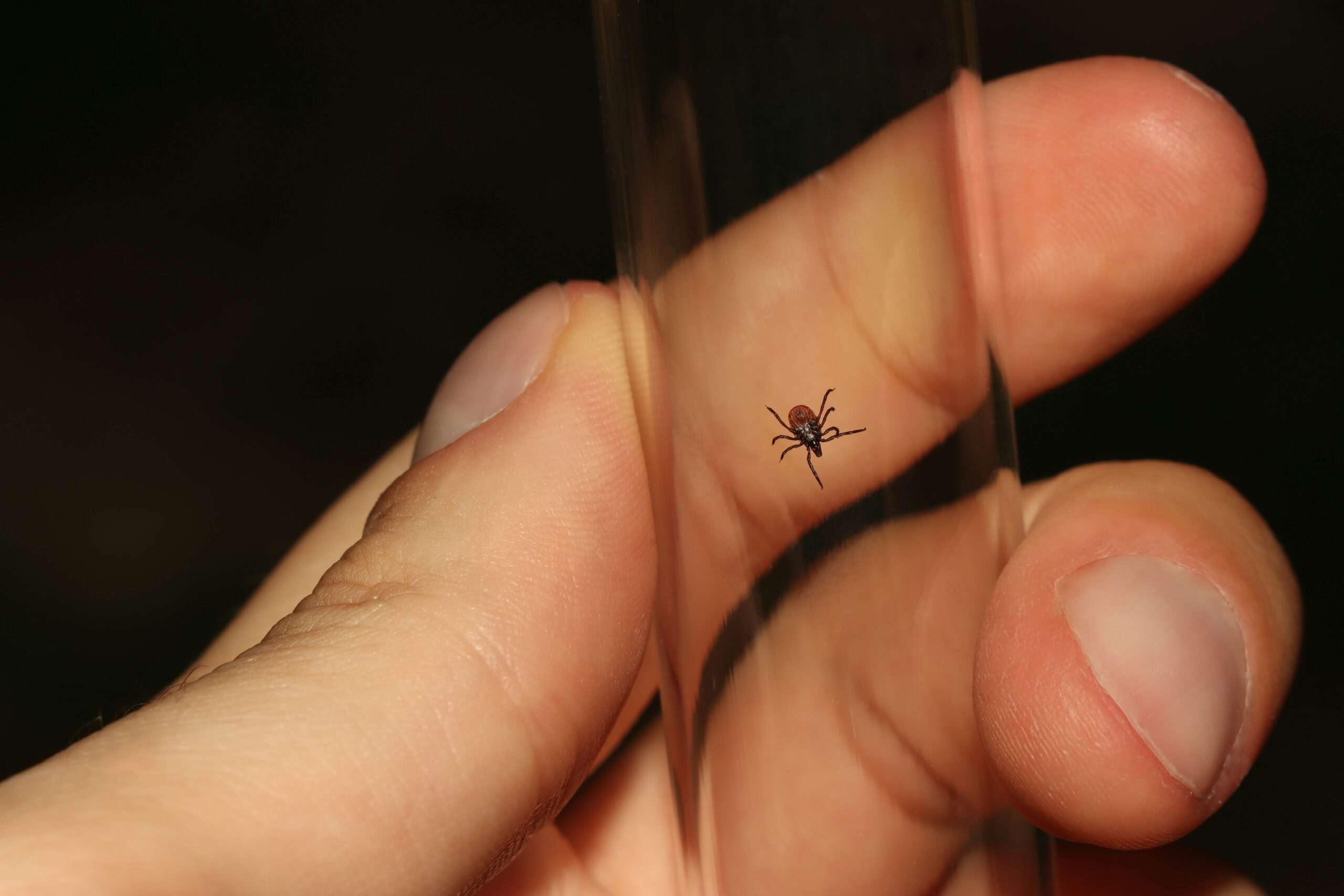
The Asian longhorned tick (Haemaphysalis longicornis) is an invasive species that has rapidly expanded across the United States since it was first identified in New Jersey in 2017. Native to East Asia, this tiny, light-brown parasite is unusual in several ways. Unlike most ticks, a single female can reproduce without mating, laying up to 2,000 eggs at a time. That means it only takes one tick to establish a thriving population in a new area.
To survive, these ticks attach to a host and feed on its blood. Hosts can include humans, pets, livestock, and wildlife. When infestations occur, animals may be covered with hundreds of ticks at once, leading to blood loss, stress, reduced growth, and in severe cases, death. The U.S. Department of Agriculture has classified the species as a serious threat to livestock health. According to it, “They can form large infestations on one animal and spread diseases that impact both animals and people”.
Beyond the burden they place on animals, Asian longhorned ticks are worrisome because of their potential to transmit disease. The combination of rapid reproduction, wide host range, and disease potential has public health officials on alert.
What Diseases Are Linked to the Asian Longhorned Tick?
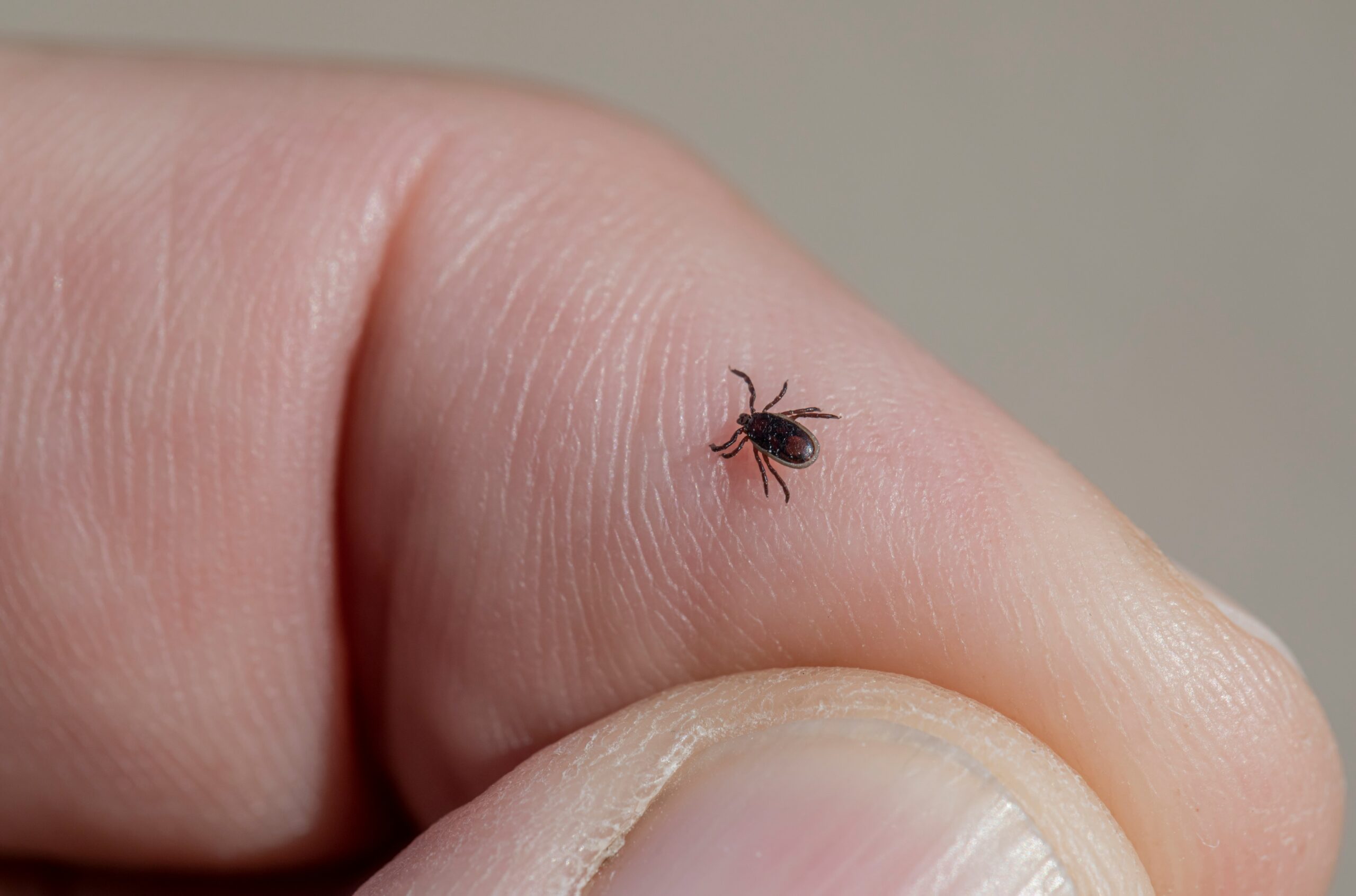
The Asian longhorned tick may seem like a minor pest, but it poses a real threat as a possible carrier of disease. In the U.S., the biggest concern so far is its ability to transmit Theileria orientalis, a parasite that infects cattle. This illness can cause anemia, weight loss, and even livestock death, posing a serious economic and food supply issue for farmers.
In terms of human health, laboratory studies show that the tick is capable of carrying several pathogens of concern:
- Rocky Mountain spotted fever – a bacterial infection that can cause fever, rash, and potentially life-threatening complications if untreated.
- Powassan virus – a rare but severe illness that can infect the brain and nervous system.
- Heartland virus – a recently identified virus linked to fatigue, fever, and low white blood cell counts.
- Ehrlichiosis – an emerging bacterial disease that can cause fever, chills, headaches, and muscle aches.
So far, the Asian longhorned tick has not been confirmed as a major source of these diseases in the U.S., but the potential is there. This is why researchers emphasize ongoing monitoring and testing. Early detection could prevent widespread outbreaks.
How the Longhorned Tick Can Affect Your Spiritual Wellbeing and Consciousness
When we talk about emerging health threats like the Asian longhorned tick, it’s natural to focus on the physical risks: disease transmission, weakened immunity, and the toll on our bodies. But health is never just physical. The state of your body influences the state of your mind and, in turn, your deeper sense of awareness and connection.
Infections and chronic inflammation don’t just create fatigue or pain; they can cloud mental clarity, disrupt emotional balance, and weaken our ability to listen to our intuition. When your body is under stress, the brain often shifts into survival mode. That shift makes it harder to feel grounded, patient, or fully present with yourself and others.
On the other hand, supporting your health at the physical level through prevention, strong immunity, and mindful daily practices creates space for a more balanced inner life. A calm nervous system fosters clearer thinking, steadier emotions, and a stronger capacity to connect. That connection isn’t only with loved ones, but also with your inner guidance, creativity, and spiritual awareness.
In this way, even something as practical as tick prevention becomes part of a larger picture. By protecting your body, you are also protecting your mind and spirit, preserving the conditions that allow you to live with clarity, compassion, and purpose.
How to Protect Yourselves, Pets, and Cattle from Tick-Borne Threats
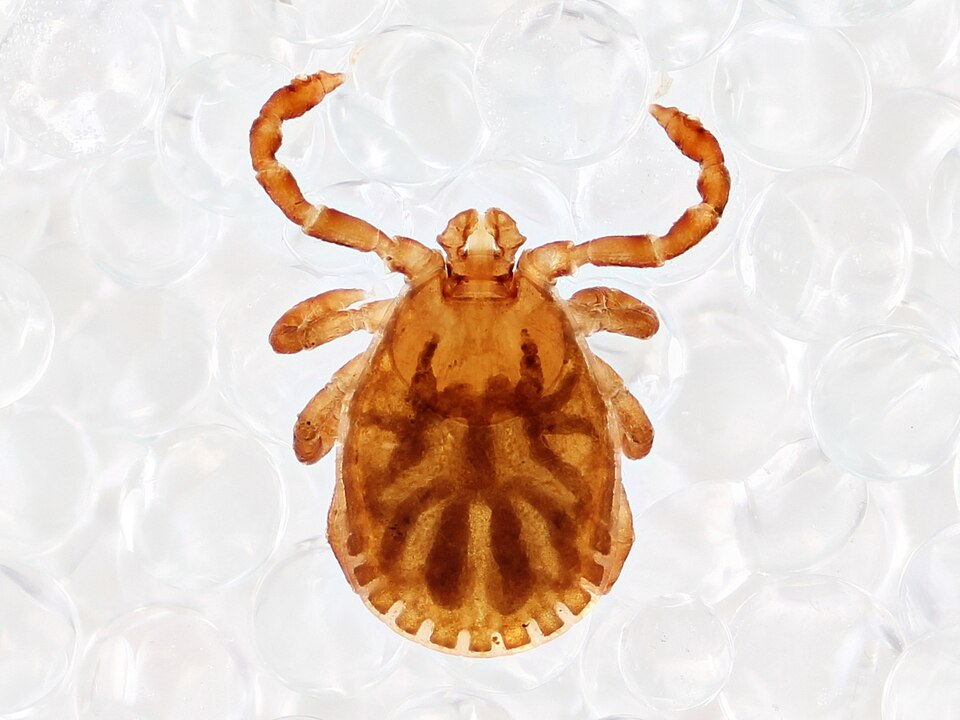
The development regarding the Asian longhorned Tick is a reminder of how our daily choices protect both body and mind. Here are some prescriptions for keeping yourself and loved ones safe and resilient.
For Individuals and Families

Staying safe from ticks requires awareness and consistent preventive habits. Reduce your risk with the following tips:
- Wear light-colored, long-sleeved clothing when in wooded or grassy areas.
- Use EPA-registered insect repellents on skin and permethrin-treated clothing for extra protection.
- Perform thorough tick checks on yourself and children after outdoor activities, especially in hidden areas like behind the ears, under the arms, and along the hairline.
For Pet Owners

- Check pets daily, especially after walks or time outdoors. Ticks often hide between the toes, around the ears, and under collars.
- Use veterinarian-recommended tick preventatives year-round, not just in summer.
- Regular grooming and bathing make it easier to spot ticks before they latch on.
For Farmers and Ranchers

- Inspect livestock for infestations, especially in regions where the tick has been identified.
- Work with veterinarians to establish tick prevention plans and monitor animals for symptoms of blood loss or infection.
- Maintain pastures and fences to reduce wildlife movement through grazing areas, since deer and other animals can bring ticks into contact with livestock.
Protection is not just about avoiding bites, it’s about creating a safer environment for families, pets, and communities. By caring for your body today, you’re also protecting your mind and spirit for the future.