For years, cervical cancer has remained one of the leading causes of cancer-related deaths among women worldwide. Although screening programs have saved countless lives through early detection, researchers have long hoped to stop the disease before it ever begins. New findings suggest that goal is becoming increasingly achievable.
A landmark study from the United Kingdom has found that women who received the human papillomavirus (HPV) vaccine during adolescence experienced an extraordinary decline in cervical cancer deaths. Among vaccinated women under the age of 30, researchers recorded no cervical cancer deaths during the study period. While scientists caution that no medical intervention can guarantee absolute protection, the results offer some of the strongest evidence yet that widespread HPV vaccination is changing the future of cervical cancer.
The findings also reinforce a broader message. Preventing infection before it has a chance to cause lasting damage may be one of the most effective ways to reduce cancer risk. Combined with regular screening and healthy lifestyle choices, vaccination has the potential to dramatically reduce the burden of a disease that affects hundreds of thousands of women every year.
A Landmark Study Shows Remarkable Results
The research, published in The Lancet, analyzed cervical cancer deaths among women in England between 2001 and 2024. Investigators examined three age groups, 20 to 24, 25 to 29, and 30 to 34, to understand how HPV vaccination affected long-term outcomes.
The youngest group benefited the most because most participants had received the HPV vaccine at 12 or 13 years of age through the national vaccination program. During the five years examined by researchers, there were no cervical cancer deaths among these vaccinated women.
Women between 25 and 29 years of age experienced similarly encouraging results, with no deaths recorded during the study period. Women aged 30 to 34 also saw substantial benefits, although vaccination rates were lower because many were too old to receive the vaccine when it was first introduced. Even in this group, cervical cancer deaths declined by approximately 63 percent.
Lead researcher Professor Peter Sasieni of Queen Mary University of London described the findings as exceeding expectations. While researchers anticipated a noticeable decline in mortality, observing no deaths in the youngest vaccinated groups was an outcome few expected to see.
The study was observational, meaning it examined real-world health data rather than assigning treatments in a controlled clinical trial. Because of this, researchers acknowledge that future years may still record occasional cervical cancer deaths among vaccinated individuals. However, the overall trend strongly supports the effectiveness of HPV vaccination as a public health measure.
Why HPV Is Closely Linked to Cervical Cancer
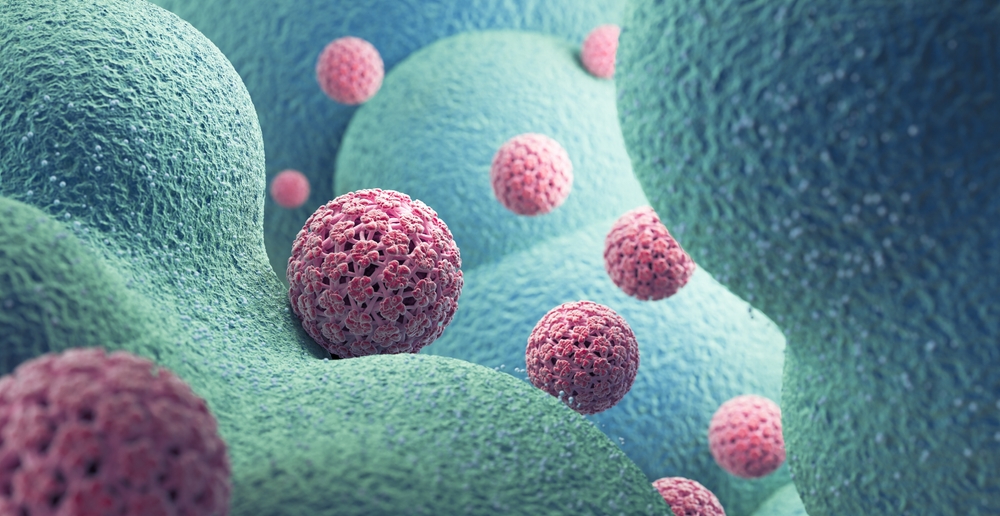
Human papillomavirus, commonly known as HPV, is one of the most widespread viral infections transmitted through intimate skin-to-skin contact. Most sexually active adults are exposed to the virus at some point during their lives, often without knowing it because the infection usually causes no symptoms.
Fortunately, the body’s immune system clears most HPV infections naturally within one to two years. Problems develop when certain high-risk strains remain in the body for many years. Persistent infection can slowly cause abnormal changes in cervical cells, eventually leading to cervical cancer if left untreated.
Scientists have identified more than 200 HPV types, but only a small number are considered high risk. HPV types 16 and 18 alone account for approximately 70 percent of cervical cancer cases worldwide. Additional high-risk strains contribute to many of the remaining cases.
HPV is also associated with several other cancers, including cancers of the throat, anus, penis, vulva, and vagina. This explains why vaccination is recommended for both girls and boys before they become exposed to the virus.
Because cervical cancer often develops slowly over many years, preventing HPV infection early in life provides an opportunity to interrupt the disease process long before cancer has a chance to develop.

How the HPV Vaccine Provides Long-Term Protection
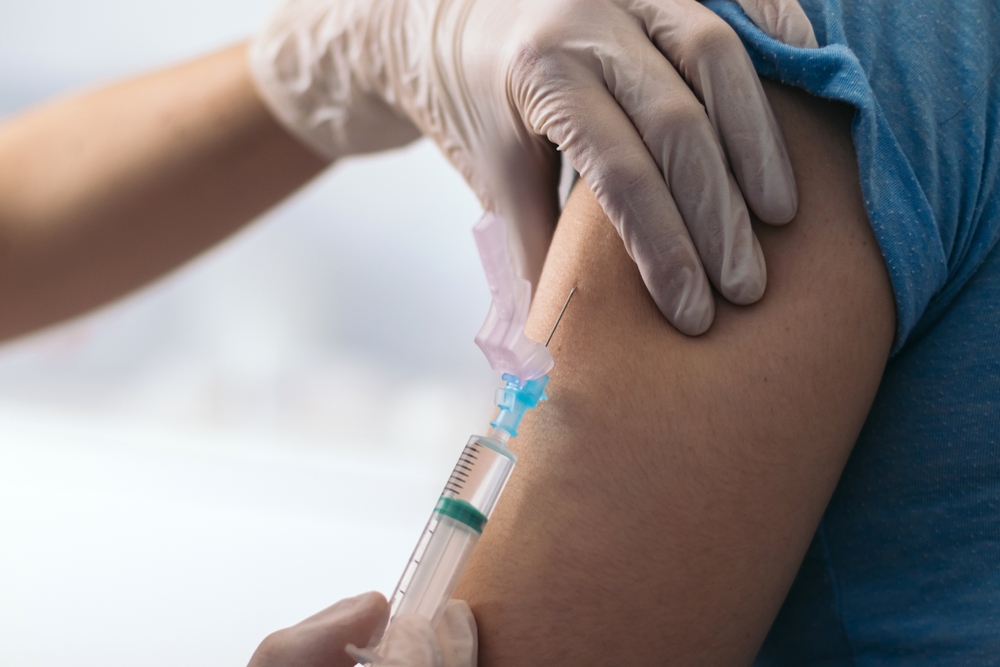
The vaccine used in both the United Kingdom and the United States is Gardasil 9. It protects against nine different HPV types, including those responsible for more than 90 percent of cervical cancers.
Its success comes from several important characteristics.
It Builds Immunity Before Exposure
Health experts recommend vaccination before the start of sexual activity because the vaccine works by preventing infection rather than treating an existing one. When given during late childhood or early adolescence, the immune system develops antibodies that can quickly recognize and block HPV if exposure occurs later in life.

It Produces a Strong Immune Response
Studies continue to demonstrate that the vaccine stimulates a powerful immune response that remains effective for many years. Current evidence suggests protection lasts well into adulthood without routine booster doses.
Researchers believe this durable immune response is one reason vaccinated populations continue to experience declining rates of HPV infection, precancerous cervical changes, and cervical cancer.
It Covers the Most Dangerous HPV Types
Earlier HPV vaccines protected against fewer viral strains. Gardasil 9 expanded that protection to include additional high-risk HPV types responsible for many remaining cervical cancer cases.
According to cancer specialists, this broader coverage is a major reason the vaccine has demonstrated such impressive effectiveness in reducing cancer risk.
In addition to preventing cervical cancer, vaccination also lowers the likelihood of developing genital warts and several other HPV-related cancers.
Additional Research Continues to Support HPV Vaccination
The new findings are consistent with years of research examining HPV vaccination around the world.
A major analysis published by the University of Minnesota’s Center for Infectious Disease Research and Policy reviewed 121 studies involving HPV vaccination. Researchers concluded that the vaccines remain both safe and highly effective at preventing HPV infections, precancerous cervical lesions, and cervical cancer. The review also suggested that a single vaccine dose may provide meaningful protection for many individuals, although vaccination recommendations continue to follow established national guidelines.
Another large study published in The BMJ followed nearly 30,000 women diagnosed with cervical cancer in England. Researchers found that girls vaccinated between the ages of 12 and 13 experienced an 83.9 percent reduction in cervical cancer diagnoses compared with women who had not been vaccinated.
The same study also reported a 94.3 percent reduction in cervical intraepithelial neoplasia grade 3, commonly called CIN3. This advanced precancerous condition carries a high risk of progressing to cervical cancer if left untreated.
Taken together, these studies paint a consistent picture. HPV vaccination not only lowers infection rates but also substantially reduces the development of precancerous changes and invasive cervical cancer.
Who Should Get the HPV Vaccine?
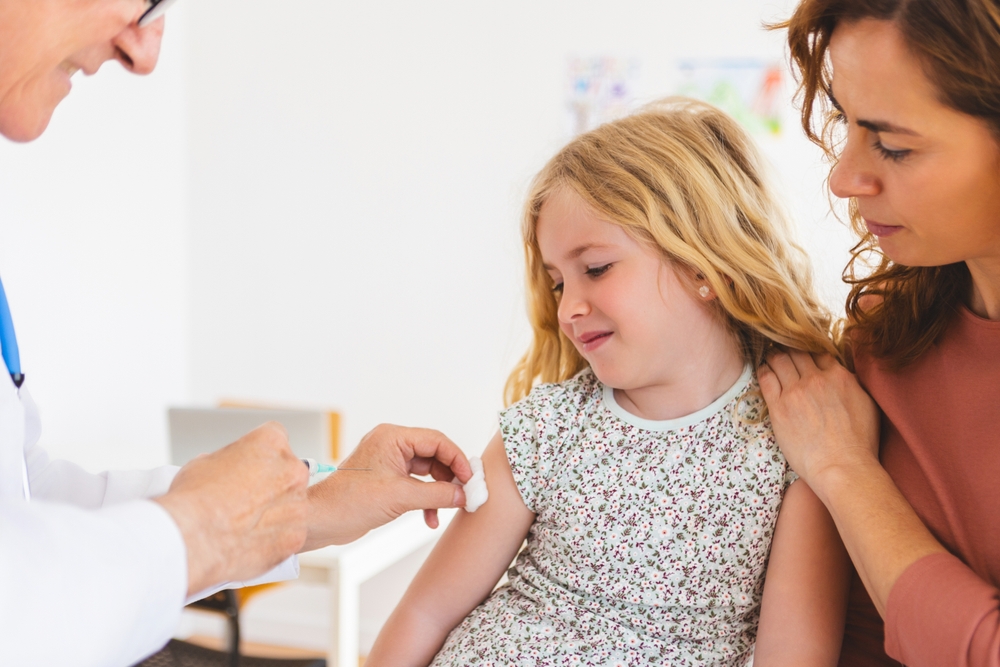
Health authorities recommend HPV vaccination as a routine part of preventive healthcare for both girls and boys. Vaccinating children before they are exposed to HPV gives the immune system time to develop protection against the virus.
The Centers for Disease Control and Prevention (CDC) recommends routine vaccination at ages 11 or 12, although children can begin the series as early as age 9. Receiving the vaccine during these years produces a strong immune response and offers protection before most people become exposed to HPV.
Vaccination is not limited to adolescents. Many teenagers and young adults who missed the vaccine at the recommended age can still benefit through catch-up vaccination. In the United States, Gardasil 9 is approved for people up to age 45. Whether vaccination is appropriate depends on factors such as previous HPV exposure and individual health history, so discussing your options with a healthcare provider is important.
Some people assume there is no benefit after an HPV diagnosis. However, infection with one HPV type does not mean exposure to every high-risk strain. Vaccination may still provide protection against other cancer-causing HPV types included in the vaccine.
Another common question is why boys should receive the vaccine if cervical cancer affects women. The answer is straightforward. HPV causes several cancers in men, including cancers of the throat, anus, and penis. Vaccinating boys also reduces the spread of HPV throughout the population, helping protect future partners and strengthening community immunity.
Is the HPV Vaccine Safe?
The HPV vaccine has been studied extensively since it was first introduced in 2006. Millions of doses have been administered worldwide, making it one of the most closely monitored vaccines available.
Large clinical trials and ongoing safety monitoring have consistently shown that the vaccine has an excellent safety profile. Most side effects are mild and temporary, including soreness at the injection site, redness, swelling, headache, fatigue, or a low-grade fever. Some adolescents may briefly feel dizzy or faint after any vaccination, which is why healthcare providers often recommend sitting for about 15 minutes afterward.
Serious allergic reactions are extremely uncommon.
Despite its strong safety record, misinformation about HPV vaccination continues to circulate online. Scientific evidence does not support claims that the vaccine causes infertility, chronic illness, or developmental disorders. Health organizations, including the World Health Organization, CDC, and numerous cancer research groups, continue to recommend HPV vaccination because its benefits greatly outweigh the known risks.
Like every medical decision, vaccination should be discussed with a qualified healthcare professional who can consider an individual’s medical history and answer any questions.
Vaccination Does Not Replace Cervical Screening
One of the biggest misconceptions surrounding HPV vaccination is that women no longer need cervical cancer screening after being vaccinated.
This is not true.
Although Gardasil 9 protects against the HPV types responsible for most cervical cancers, it does not prevent every possible cause of cervical cancer. Regular screening remains one of the most effective ways to detect abnormal cervical cells before they become cancerous.
Depending on your age and healthcare provider’s recommendations, screening may include:
- Pap testing to identify abnormal cervical cells.
- HPV testing to detect high-risk viral strains.
- Combined Pap and HPV testing for certain age groups.
Routine screening has saved countless lives by identifying precancerous changes early, when treatment is most effective. Vaccination and screening work together to provide the greatest level of protection.
Skipping regular gynecologic checkups because you have been vaccinated may allow abnormalities unrelated to vaccine-covered HPV types to go unnoticed.
Everyday Habits That Support Cervical Health
Although vaccination and screening remain the most effective ways to prevent cervical cancer, healthy daily habits can also support your immune system and overall well-being.
Eat a Balanced Diet
A diet rich in colorful fruits, vegetables, legumes, nuts, seeds, and whole grains provides vitamins, minerals, antioxidants, and plant compounds that help support normal immune function. Limiting heavily processed foods and excessive added sugars may also contribute to better overall health.
Avoid Smoking
Smoking weakens the body’s ability to clear HPV infections. Women who smoke are more likely to develop persistent HPV infections, increasing the risk that abnormal cervical cells will develop over time.
Stay Physically Active
Regular physical activity supports immune health, helps maintain a healthy body weight, and reduces inflammation. Even moderate exercise several days each week contributes to long-term wellness.
Practice Safer Sex
Using condoms can lower the risk of HPV transmission, although they cannot provide complete protection because HPV spreads through skin-to-skin contact in areas not covered by a condom. Open communication with partners and routine sexual health care also play an important role.
Keep Up With Preventive Care
Routine wellness visits allow healthcare providers to recommend vaccinations, cervical screening, and other preventive services based on your age and medical history. Staying current with these appointments helps identify potential concerns before they become more serious.
These habits do not replace vaccination or cervical screening. Instead, they complement the protection these preventive measures provide.
Prevention Is Changing the Future of Cervical Cancer
Few cancers offer as much opportunity for prevention as cervical cancer. Decades of research have shown that HPV vaccination dramatically reduces HPV infection, precancerous cervical changes, and cervical cancer itself. The newest findings add another encouraging chapter by demonstrating that cervical cancer deaths have become exceptionally rare among young women who received the vaccine before exposure to HPV.
While no vaccine can eliminate every case of cancer, these results demonstrate the tremendous impact of preventive healthcare. Combined with regular cervical screening and healthy lifestyle habits, HPV vaccination gives individuals one of the strongest defenses available against a disease that once claimed far more lives.
As vaccination programs continue to expand across the world, experts hope future generations will see cervical cancer become increasingly uncommon. Until then, staying informed, keeping up with recommended vaccinations, and following screening guidelines remain some of the most effective steps you can take to protect your long-term health.