For decades, meat has been closely associated with masculinity, muscle growth, and physical strength. Men looking to build muscle or maintain healthy testosterone levels are often encouraged to increase their animal protein intake. The idea has become even more popular with the rise of carnivore diets, with some online personalities claiming that eating mostly meat can help address declining testosterone as men get older. However, new research involving more than 2,500 middle-aged men has uncovered findings that challenge this familiar belief.
Researchers found that men who consumed more animal protein relative to plant protein tended to have lower testosterone levels. Meanwhile, men who ate more plant protein from sources such as vegetables, legumes, and nuts showed higher levels of free testosterone. Although the findings do not prove that meat lowers testosterone, they raise important questions about how different protein sources relate to male hormonal health and whether traditional assumptions about meat consumption deserve another look.

Study Finds an Unexpected Relationship Between Meat and Testosterone
Researchers from the University of Eastern Finland examined the relationship between dietary protein and testosterone levels in 2,546 men aged 42 to 60. Their findings, published in the International Journal of Food Sciences and Nutrition, revealed an association between higher animal protein consumption and lower total testosterone concentrations. Men whose diets contained more plant protein showed a different pattern, particularly when researchers examined free testosterone levels. The findings challenge the popular assumption that increasing meat consumption automatically supports higher testosterone.
The research team examined participants’ dietary habits and compared their reported protein intake with hormone measurements from blood samples. Men with the highest animal-to-plant protein ratios had the lowest levels of free testosterone in their bloodstream. In contrast, those who consumed more plant protein from non-grain sources tended to have higher free testosterone concentrations. These sources included foods such as vegetables, legumes, and nuts, which provide protein alongside other nutrients that support general health.
However, researcher Miika Wynne-Ellis emphasized that the differences observed were relatively small. “Although the observed differences in testosterone concentrations were statistically significant, they were relatively small,” Wynne-Ellis explained. He also acknowledged that the study could not establish whether the differences had meaningful consequences for men’s health. This distinction is important because a statistical association does not automatically translate into a noticeable improvement or decline in physical health.
The findings also challenge claims frequently associated with restrictive carnivore diets. Some supporters suggest that removing plant foods and eating almost exclusively animal products can help men improve their hormonal health. Yet the available clinical evidence does not establish that this approach increases testosterone. The new research adds another reason to question blanket recommendations that encourage men to rely heavily on meat for hormone support.

What Researchers Discovered About Plant Protein
One of the most interesting findings involved free testosterone, which represents the portion of testosterone circulating in the bloodstream without being attached to proteins. Most testosterone in the blood is bound to proteins such as sex hormone-binding globulin and albumin. The remaining unbound portion is called free testosterone because it is available to interact with tissues. Measuring both total and free testosterone can help researchers understand different aspects of hormonal health.
Men who consumed more plant protein from non-grain sources tended to have higher calculated free testosterone concentrations. This finding attracted attention because plant-based foods are sometimes overlooked in conversations about men’s muscle development and hormonal health. Beans, lentils, nuts, and certain vegetables can contribute protein while also supplying fiber and other nutrients. Their nutritional profiles differ considerably from those of many animal protein sources, which may partly explain why researchers are interested in examining them separately.
The study also found associations between protein intake and sex hormone-binding globulin, commonly known as SHBG. This protein attaches to testosterone and influences how much of the hormone remains unbound in circulation. Researchers observed different SHBG patterns among men with higher animal and plant protein consumption. These measurements help explain why examining testosterone involves more than looking at a single number, although they do not establish that changing protein sources will produce a predictable hormonal response.
Importantly, the researchers also tested statistical models examining what might happen when animal protein was replaced with plant protein. These substitutions were not significantly associated with changes in either total or free testosterone. This means the results do not support the claim that simply swapping meat for beans or vegetables will raise testosterone. More research is needed to understand whether particular dietary changes can influence hormone levels over time.
How the Study Examined Men’s Dietary Habits
The research included 2,546 men participating in the Kuopio Ischaemic Heart Disease Risk Factor Study in eastern Finland. Participants were aged between 42 and 60, allowing researchers to examine dietary patterns and hormone measurements during middle age. Their food consumption was recorded over four days, including three weekdays and one weekend day. This approach gave the research team information about the types and amounts of protein participants consumed during their normal eating routines.
Nutritionists helped assess the dietary records to improve the accuracy of the information. Researchers then compared the reported intake of animal and plant protein with testosterone measurements obtained from blood samples. They considered different protein intake groups and examined whether the hormone measurements varied between participants. Statistical models also accounted for several factors that could influence the results, helping the team investigate associations beyond protein intake alone.
Despite the detailed analysis, the study had limitations that readers should understand. It was observational, meaning researchers examined existing dietary habits and hormone measurements rather than assigning participants to different diets. Consequently, they could not establish whether animal protein caused testosterone levels to decrease. Other differences between participants may also have contributed to the observed patterns.
The study population also consisted predominantly of Caucasian men from eastern Finland. This limits how confidently the findings can be applied to men from different ethnic backgrounds or geographical regions. Researchers will need additional studies involving more diverse populations and controlled dietary interventions before drawing firm conclusions about the relationship between protein sources and male hormones.
Why Animal and Plant Proteins May Produce Different Results
Animal and plant proteins come with different combinations of nutrients, and these differences may influence several processes within the body. Meat, eggs, and dairy products provide protein alongside nutrients such as iron, zinc, and vitamin B12. Plant sources often provide protein together with dietary fiber, carbohydrates, unsaturated fats, and various micronutrients. The researchers suggested that these differences could help explain the associations observed in the study.
The authors explained that “Plant protein sources typically contribute more fiber, carbohydrates, and unsaturated fatty acids, whereas animal protein sources may contribute more saturated fat and cholesterol.” This distinction is relevant because overall dietary composition can influence metabolic health. For example, diets rich in fiber and unsaturated fats are associated with several health benefits, while excessive saturated fat intake can increase certain cardiovascular risk factors. However, the study did not establish that these nutrients were responsible for the testosterone differences.

The Possible Role of Inflammation
Researchers also considered whether differences in inflammatory responses could play a role. Certain inflammatory processes can influence hormonal regulation, including the mechanisms involved in testosterone production. It is therefore possible that dietary patterns associated with different protein sources could have indirect effects on hormone levels. However, this remains a possible explanation rather than a confirmed mechanism from the current research.
Differences in Metabolic Responses
Another possibility involves how the body responds metabolically to different foods. Animal and plant protein sources can produce different insulin responses depending on their accompanying nutrients and overall composition. Insulin regulation is connected to several metabolic processes that may interact with hormonal health. Researchers have not yet established exactly how these mechanisms relate to the findings, making further investigation necessary.
Should Men Stop Eating Meat to Support Testosterone?
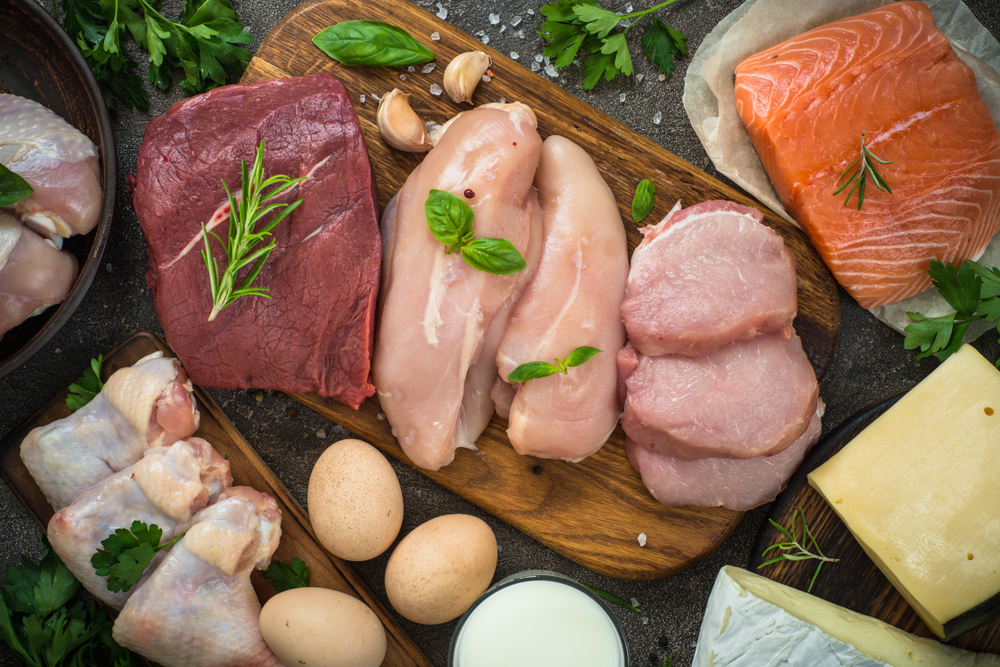
The latest findings may surprise men who regularly consume meat to support their fitness goals. However, abandoning animal protein based on one observational study would be an unnecessary reaction. Animal foods provide complete protein and important nutrients that support muscle maintenance, recovery, and general health. Fish, eggs, lean meats, and dairy products can all contribute to a balanced diet when consumed according to individual nutritional needs.
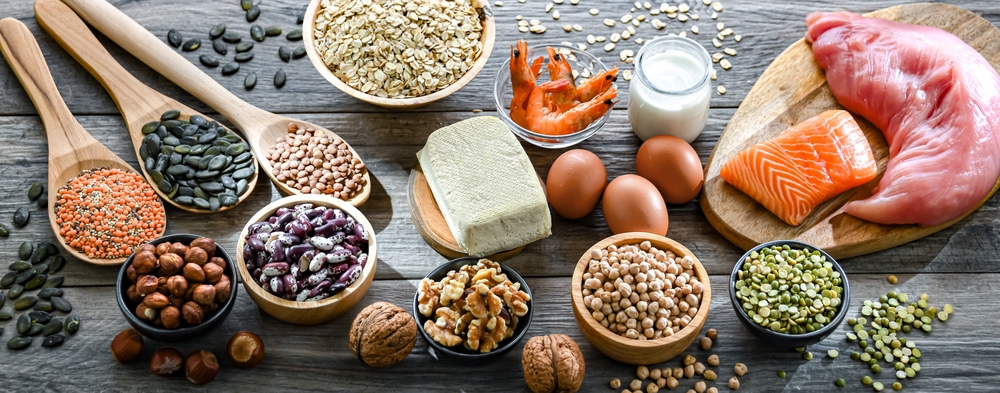
Plant foods also deserve a regular place in your meals. Beans, lentils, nuts, seeds, and soy products provide protein alongside fiber and other nutrients that support metabolic and digestive health. Including these foods does not require following a vegetarian or vegan diet. You can continue eating meat while increasing the variety of protein sources throughout the week.
Some practical ways to introduce more plant protein include:
- Add beans to everyday meals: Include black beans, kidney beans, or chickpeas in salads, soups, and homemade meals.
- Use lentils more often: Lentils work well in curries, stews, and dishes where you might normally use ground meat.
- Include nuts and seeds: Almonds, walnuts, pumpkin seeds, and chia seeds provide protein alongside healthy fats.
- Try tofu or tempeh: These soy-based foods offer convenient alternatives that can be added to stir-fries and other meals.
- Keep protein sources varied: Combine plant foods with eggs, fish, dairy, or lean meat to create balanced meals.
These changes can improve dietary variety without requiring restrictive eating habits. You also do not need to eliminate an entire food group to support your fitness goals. The quality of your overall diet, alongside adequate protein intake and consistent exercise, deserves greater attention than focusing on a single ingredient.
More Testosterone Does Not Always Mean Better Health
Testosterone is essential for several functions in the male body, including muscle maintenance, bone health, sexual function, and red blood cell production. However, conversations about men’s fitness sometimes create the impression that higher testosterone is always better. Hormonal health is more complicated, and the body requires an appropriate balance rather than an unlimited increase in hormone levels.
Testosterone naturally changes as men age, although the rate of decline varies between individuals. Body composition, sleep quality, physical activity, medical conditions, and certain medications can also influence hormone levels. Persistent symptoms such as reduced sexual desire, unexplained fatigue, and loss of muscle strength may warrant a medical evaluation. These symptoms can have several possible causes, so they should not automatically be attributed to testosterone.
Men should also be cautious about supplements marketed as testosterone boosters. Many products make dramatic promises without strong clinical evidence supporting their effectiveness. Making major dietary changes or taking supplements solely to increase hormone levels may distract from other factors affecting health. A healthcare professional can help determine whether hormone testing is appropriate when persistent symptoms are present.
The latest research offers an interesting perspective on how dietary protein relates to testosterone, but it does not provide a reason to fear meat or abandon established sources of nutrition. Instead, it supports a more balanced approach to eating, where plant and animal proteins can both have a place. Building meals around varied, minimally processed foods is a sensible starting point for supporting long-term health.
Sources:
- Animal and plant proteins show different associations with testosterone levels in men. (n.d.). University of Eastern Finland. https://www.uef.fi/en/article/animal-and-plant-proteins-show-different-associations-with-testosterone-levels-in-men?vs_q=health+and+well-being
- Wynne-Ellis, M. M., Virtanen, H. E. K., Bertone-Johnson, E., Hantunen, S., Tuomainen, T., Salonen, J. T., & Virtanen, J. K. (2026). Associations of dietary proteins with serum total testosterone and sex hormone-binding globulin concentrations in middle-aged men. International Journal of Food Sciences and Nutrition, 77(6), 576–588. https://doi.org/10.1080/09637486.2026.2731397