
Millions of people living with chronic hepatitis B have spent years relying on medication to keep the virus under control. For many, stopping treatment has remained difficult because the infection can become active again, potentially putting their liver at risk. Now, a newly approved drug is offering some patients the possibility of leaving long-term antiviral treatment behind after just six months.
The US Food and Drug Administration (FDA) has approved bepirovirsen, marketed under the brand name Hibsago, following encouraging results from two Phase 3 clinical trials. The treatment helped approximately 19% of participants achieve what researchers call a functional cure, meaning the virus remained suppressed even after treatment ended. Although the drug will not work for everyone, its approval could change the treatment options available to people managing this lifelong infection.
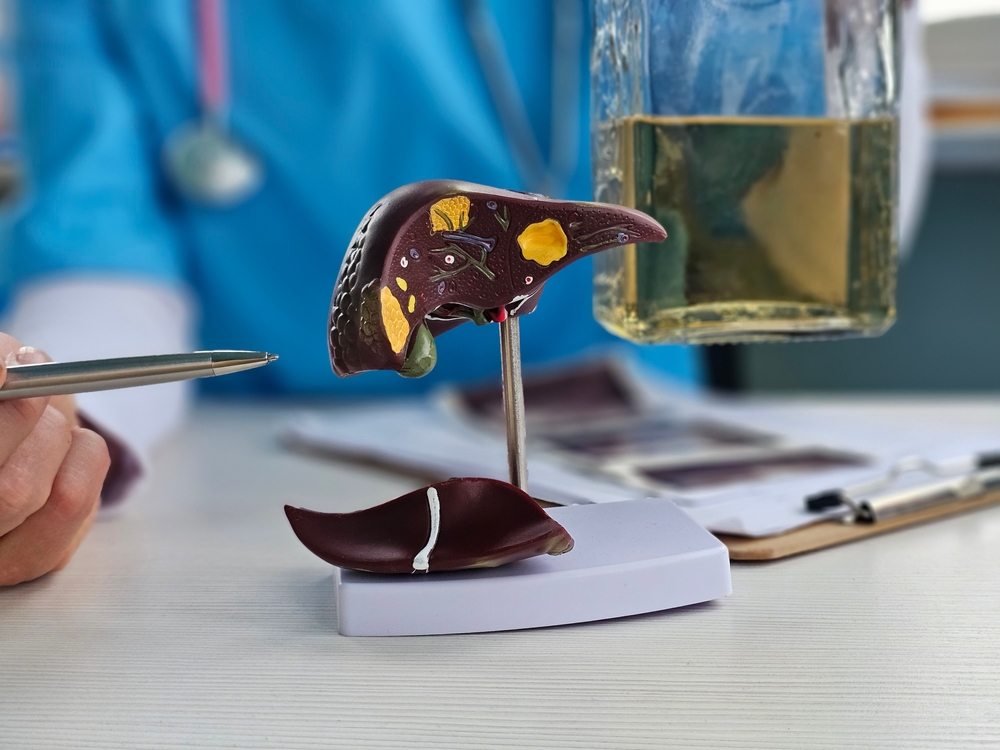
FDA Approves A New Approach To Chronic Hepatitis B
Chronic hepatitis B is a viral infection that affects the liver and can remain in the body for decades. Some people experience few noticeable symptoms for years, while the infection continues to create health risks beneath the surface. Without effective management, chronic hepatitis B can eventually contribute to liver scarring, cancer, and organ failure. The condition is also responsible for more than one million deaths worldwide each year.
Until now, most available treatments have focused on suppressing the virus rather than achieving lasting control after medication stops. Patients often need to take antiviral pills for years to prevent the infection from becoming active again. Although these medications can reduce viral activity and help protect the liver, the prospect of lifelong treatment can create an ongoing burden for people living with the condition.
Hibsago introduces a different possibility. Developed by pharmaceutical company GSK, bepirovirsen targets the biological processes the hepatitis B virus uses to produce viral components. The FDA approved the treatment after researchers reported results from two large Phase 3 clinical trials. Gastroenterologist Norah Terrault described the development as a significant step for patients, saying, “This is the start of a new era in treating people living with CHB.”

Clinical Trials Showed A 19% Functional Cure Rate
The approval followed two Phase 3 trials involving a combined total of 1,834 participants. Researchers investigated whether bepirovirsen could help people achieve lasting viral suppression after completing treatment. Across the studies, 1,220 participants received bepirovirsen alongside their existing antiviral medication, while another 614 received a placebo. The results revealed a substantial difference between the two groups.
Of the participants receiving bepirovirsen, 233 achieved the study’s definition of functional cure. That represents approximately 19% of the treatment group. None of the 614 participants receiving the placebo achieved the same outcome. Researchers also found that patients who responded maintained undetectable virus levels for at least 24 weeks after all treatment had stopped.
The findings are particularly encouraging because patients were able to maintain control of the infection after discontinuing their medication. The treatment involved a six-month course of weekly injections alongside existing antiviral pills. Participants who achieved the required response could eventually stop their previous medication as well. The results were published in the New England Journal of Medicine, providing clinical evidence behind the FDA’s decision.

What A Functional Cure Means For Patients
The term functional cure can easily be misunderstood. It does not mean every trace of hepatitis B has been completely removed from the body. Instead, it describes a situation where the virus remains under control without the patient needing ongoing antiviral medication. This distinction is important because hepatitis B can leave viral genetic material inside liver cells even when blood tests show no detectable infection.
In the clinical trials, researchers assessed whether participants maintained undetectable hepatitis B virus levels after completing treatment. Patients who achieved functional cure maintained control for at least 24 weeks after all medication had stopped. This was a meaningful improvement over conventional treatment approaches, which generally require patients to continue taking antiviral medication to keep the virus suppressed.
For eligible patients, the possibility of stopping long-term medication could make managing chronic hepatitis B considerably easier. However, the available findings do not establish whether the response will last for decades. Longer follow-up studies will be needed to determine how consistently patients maintain viral control over several years. Patients must also continue receiving appropriate medical monitoring after treatment.

How The New Treatment Works
Bepirovirsen belongs to a class of medicines known as antisense oligonucleotides. These treatments are designed to interfere with specific genetic instructions inside cells. In the case of hepatitis B, bepirovirsen targets genetic material involved in producing viral components, helping reduce the amount of virus-related material circulating in the body.
One important target is hepatitis B surface antigen, a protein produced during infection. Lowering this protein is a key part of the treatment’s approach because its presence can indicate ongoing viral activity. Researchers found that patients who started treatment with lower levels of this protein generally had a better chance of achieving functional cure.
The treatment is administered through weekly injections and is used alongside existing antiviral pills. Patients cannot simply stop their current medication when beginning Hibsago. Instead, doctors need to assess their response through blood tests and determine whether they have achieved the necessary outcome before considering changes to their existing treatment plan. The option of self-administration after the first dose may also make the injection schedule more convenient for some patients.
Side Effects And Safety Concerns Patients Should Know
Despite the positive findings, bepirovirsen comes with potential risks that patients and healthcare professionals need to consider. Some participants experienced serious side effects during the clinical trials, including liver inflammation. Because the treatment affects processes connected to hepatitis B activity, monitoring liver health remains particularly important throughout the treatment period.
Liver inflammation can be a serious concern for someone already living with a chronic liver infection. Patients may need regular blood tests to check liver function and identify potential complications early. Healthcare professionals can use these results to determine whether treatment should continue or whether additional medical attention is necessary. The FDA has specifically highlighted the need for monitoring during treatment.
The possibility of side effects also reinforces why Hibsago requires medical supervision. Patients should never discontinue existing antiviral medication or change their treatment schedule independently. Anyone considering the new drug should discuss their medical history, current medication, liver health, and potential risks with their healthcare provider before making a decision.
Some Patients May Respond Better Than Others
One of the most interesting findings from the research involved differences in how patients responded to treatment. Researchers observed that people who had lower levels of a particular hepatitis B protein before starting bepirovirsen generally had a higher likelihood of achieving functional cure. This suggests that the biological activity of the infection before treatment could influence the outcome.
Testing these protein levels before prescribing the medication could help doctors identify patients who may have a better chance of responding. It could also help researchers understand why some people achieve functional cure while others continue to require conventional antiviral treatment. More research will be needed to establish how reliably these measurements can predict individual outcomes.
The 19% overall response rate also shows that expectations need to remain realistic. Most participants receiving bepirovirsen did not achieve functional cure during the trials. The drug therefore represents another treatment option for eligible patients rather than a universal solution. Its value will depend on identifying the people most likely to benefit while carefully managing potential complications.
Researchers Want To Improve Hepatitis B Treatment Further
The approval of Hibsago represents progress in an area of medicine where achieving lasting viral control has remained difficult. Researchers are now interested in exploring whether combining bepirovirsen with other treatments could increase the number of patients achieving functional cure. Improving response rates could eventually make the treatment useful to a wider group of people living with chronic hepatitis B.
There are also important questions about how long the treatment’s effects will last. The existing clinical findings demonstrated sustained viral suppression for at least 24 weeks after treatment ended. However, researchers still need to establish whether patients can maintain that response over much longer periods. Follow-up research will help clarify whether the benefits remain stable and whether additional treatment might be necessary for some patients.
GSK has also expressed interest in making the treatment available to more patients worldwide. That ambition comes as chronic hepatitis B continues to place a substantial burden on healthcare systems and affected families. Chari Cohen, President of the Hepatitis B Foundation, described the approval as significant progress toward improving screening, diagnosis, and access to innovative treatment options.
For people living with chronic hepatitis B, the possibility of ending years of medication is now closer than it was before. Hibsago still has limitations, and careful monitoring remains essential, but the clinical results have opened a new treatment possibility. A functional cure may not be achievable for everyone, yet patients who respond could finally have a chance to put long-term antiviral treatment behind them.
Sources:
- Hou, J., Lim, S., Buti, M., Yuen, M., Gane, E., Lampertico, P., Terrault, N., Nguyen, H., Yim, H. J., Xie, Q., Lin, J., Qiu, Y., Jeng, W., Heo, J., Peng, C., Chen, C., Chuang, W., Xie, Y., Hlebowicz, M., . . . Elston, R. (2026). Phase 3 results of Bepirovirsen treatment for chronic hepatitis B virus infection. New England Journal of Medicine, 394(24), 2395–2406. https://doi.org/10.1056/nejmoa2515131
- Hibsago (bepirovirsen) approved in the US for the treatment of chronic hepatitis B (CHB) | GSK US. (2026, October 20). https://us.gsk.com/en-us/media/press-releases/hibsago-bepirovirsen-approved-in-the-us-for-the-treatment-of-chronic-hepatitis-b-chb/