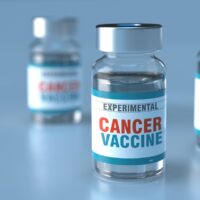
A heart attack can leave damage that lasts a lifetime, destroying muscle cells the human body struggles to replace. But scientists have now developed an experimental treatment that could change how doctors approach heart damage by encouraging the heart to repair some of the tissue it has lost. In tests involving mice, the treatment helped reactivate dormant processes inside heart muscle cells, allowing them to divide and potentially contribute to tissue repair.
The experimental approach uses mRNA technology to temporarily activate two proteins involved in cell growth. Researchers observed stronger heartbeats and an approximately 10% improvement in the amount of blood pumped with each heartbeat compared with untreated mice. Although human trials are still needed, the findings offer a new direction for treating heart failure, a condition that affects millions of people and currently has no cure.
Scientists Find A Way To Reactivate Damaged Heart Cells
Researchers have developed an experimental treatment designed to encourage heart muscle cells to divide after a heart attack. The approach targets a major limitation of the adult human heart, which has very little ability to replace muscle cells destroyed by injury. When a heart attack interrupts the blood supply, affected tissue can become permanently damaged, leaving the heart with fewer functioning muscle cells and reduced pumping capacity.
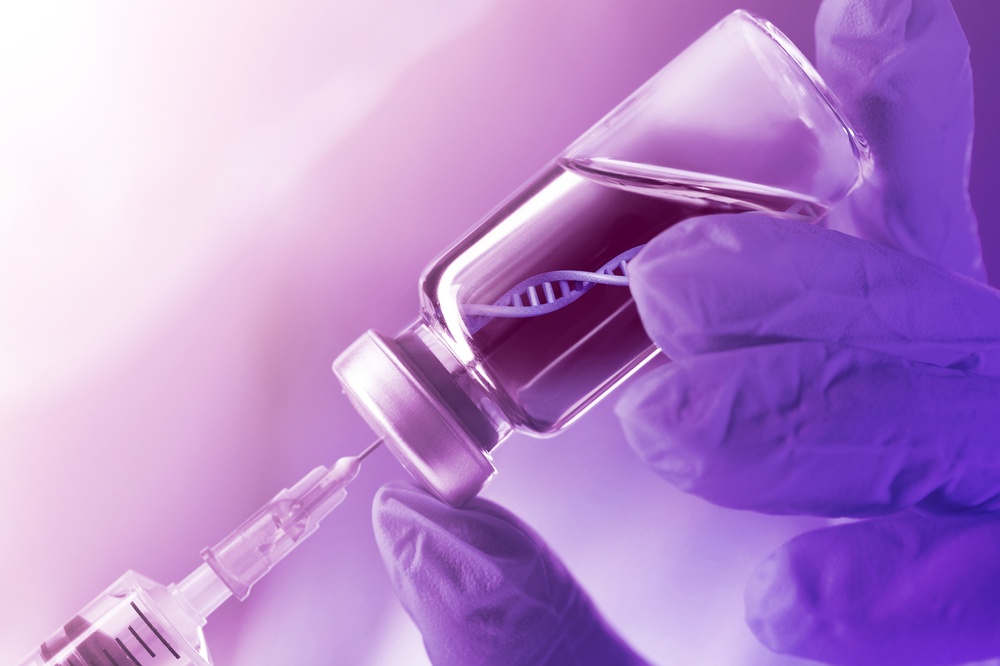
The treatment works by temporarily activating two proteins inside heart muscle cells called Myc and Cyclin T1. These proteins play important roles in regulating cell growth and division. By using messenger RNA (mRNA) technology to stimulate their activity, researchers aimed to encourage existing heart muscle cells to re-enter the cell cycle and contribute to repairing damaged tissue.
The results showed that treated mice experienced stronger heartbeats after a heart attack. Researchers also recorded an approximately 10% improvement in the amount of blood pumped with each heartbeat compared with mice that received a mock treatment. Although this was an early animal study, the findings suggest that activating specific proteins could help improve the heart’s ability to function following serious injury.
The Treatment Improved Heart Function For Months
One particularly encouraging finding involved how long the improvements lasted. Researchers assessed the mice at 28 days and again after 12 weeks. The improvement in heart function remained detectable during these assessments, suggesting that the benefits extended beyond the initial period of treatment.
The team used echocardiography to monitor the animals’ hearts. This imaging technique relies on ultrasound waves to produce pictures of the heart and assess how effectively it pumps blood. It allows researchers to examine heart function without using invasive procedures during the assessment process.
The approximately 10% improvement is particularly interesting because even relatively small improvements in heart function can have meaningful consequences for people with cardiovascular disease. Better pumping ability may help patients manage everyday activities and could be associated with better health outcomes. However, researchers still need to establish whether comparable benefits can be achieved in humans.
Why The Heart Cannot Easily Replace Lost Muscle Cells
Your heart is responsible for circulating blood throughout your body, delivering oxygen and nutrients to organs and tissues. It contracts continuously throughout your life, yet its ability to repair itself after major injury is surprisingly limited. Unlike certain other tissues, adult heart muscle cannot readily replace large numbers of damaged or destroyed cells.
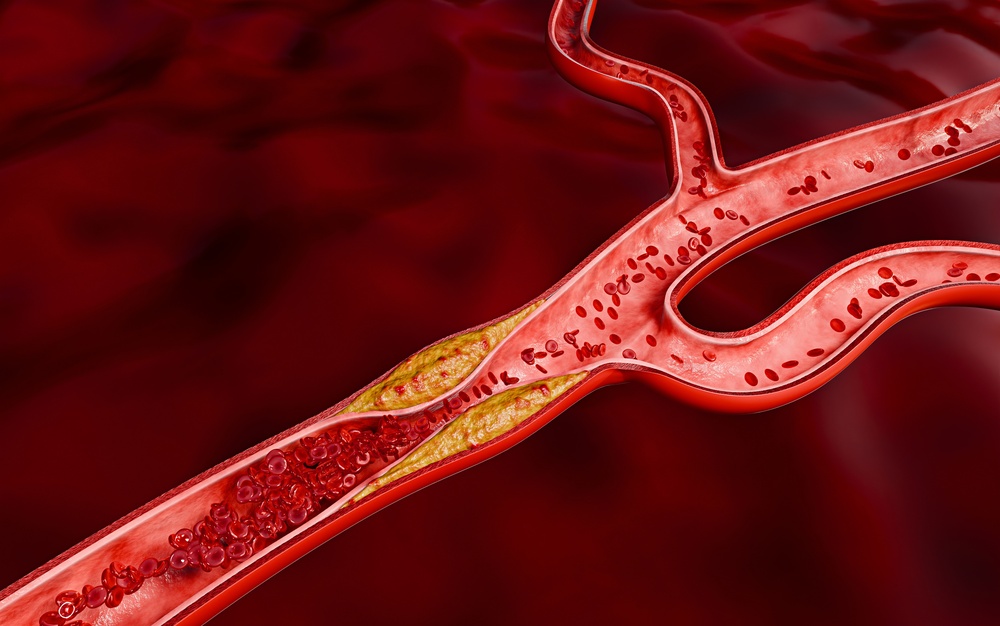
Following a heart attack, the interruption of blood flow can cause substantial damage to the heart muscle. The research information accompanying the study explains that an adult human heart can lose up to one billion heart muscle cells after such an event. Once these cells die, scar tissue can develop in the affected area, reducing the heart’s ability to contract effectively.
How Heart Damage Can Lead To Heart Failure
Heart failure develops when the heart cannot pump enough blood to meet the body’s needs. It can occur following a heart attack, particularly when a significant amount of heart muscle has been damaged. People living with the condition may experience breathlessness, persistent tiredness, and difficulty performing physical activities that were previously manageable.
Current treatments can help control symptoms, improve quality of life, and slow the progression of heart disease. However, they cannot regenerate heart muscle cells that have already been lost. This is the challenge researchers hope regenerative therapies could eventually address by encouraging the heart to replace some of its damaged tissue.
How The Experimental mRNA Therapy Works
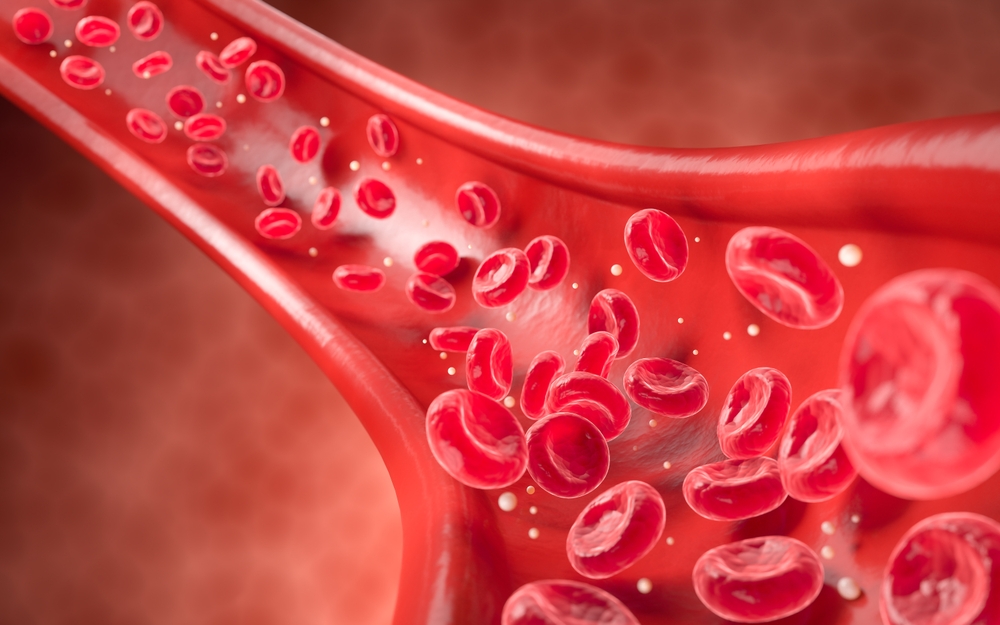
Messenger RNA carries instructions that cells use to produce proteins. Scientists have been exploring ways to use this technology to influence specific biological processes, including those involved in tissue repair. In this study, researchers used mRNA therapy to temporarily activate Myc and Cyclin T1 inside heart muscle cells, encouraging processes associated with cell division.
The treatment was injected directly into the hearts of mice following a heart attack. This localized approach was designed to deliver the instructions to the intended tissue while limiting exposure elsewhere in the body. Researchers then monitored the animals to determine whether activating these proteins could improve heart function and encourage the repair of damaged tissue.
Why Temporary Activation Is Important
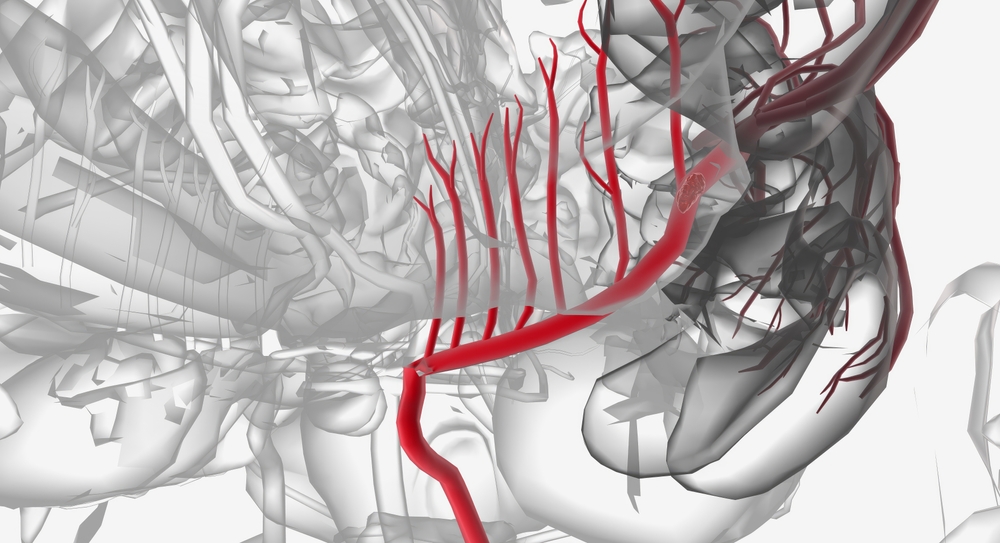
Cell growth needs careful regulation because uncontrolled division can create serious health risks. Myc, in particular, is involved in processes associated with cell proliferation, making it important for researchers to control how long and where it remains active. The experimental treatment was therefore designed to be temporary rather than permanently changing the genetic material of heart cells.
No adverse effects were observed in the treated mice during the study. The researchers also found that the improvement in heart function remained detectable during follow-up assessments. Although these observations are encouraging, larger studies will be necessary to establish whether the treatment can be used safely and effectively in humans.
Could This Treatment Eventually Help People With Heart Failure?
The potential application of this research is significant because heart failure remains a major health challenge. Around 200,000 people are diagnosed with the condition each year in the UK, while millions of people around the world live with different forms of heart disease. Existing medications and treatments can help patients manage their condition, but repairing muscle that has already been destroyed remains difficult.
Dr Catherine Wilson, Associate Professor at the University of Cambridge’s Department of Pharmacology and Gurdon Institute, explained the potential of the research. She said, “These are really exciting results. There’s no cure for heart failure, and our treatment could potentially have a meaningful impact on the quality of life of millions of people around the world.”
Wilson also explained how the approach could change the way researchers think about treating damaged hearts. She added, “We’re not just treating the symptoms of heart failure – this approach could help the heart to repair itself.” The research offers a different direction from treatments that primarily focus on managing symptoms and supporting the remaining functioning heart muscle.
What Researchers Need To Establish Before Human Trials
Despite the promising findings, the experimental treatment is still in its early stages. The research has demonstrated improvements in mice, but animal results cannot establish whether a therapy will work in people. Human heart tissue may respond differently, and researchers must carefully investigate potential risks before considering clinical applications.
The research team has received funding from the British Heart Foundation to continue developing the approach. Further work will involve refining the treatment and testing it in larger animal models before researchers can establish whether human trials are appropriate. Several important questions will need answers:
- Long-term safety: Researchers must determine whether temporarily activating the proteins could cause unwanted cell growth or other complications.
- Treatment effectiveness: Larger studies will help establish whether the improvements observed in mice can be reproduced in other animals and eventually humans.
- Delivery methods: Scientists need to refine how the mRNA treatment reaches the intended heart cells and how reliably it activates the target proteins.
- Lasting benefits: Further research must establish whether improved heart function continues over longer periods without introducing additional risks.
- Clinical suitability: Human studies will eventually need to identify which patients might benefit and how the treatment could be administered safely.
Professor Bryan Williams, chief scientific and medical officer at the British Heart Foundation, described the challenge facing researchers. “Getting the human heart to repair itself is the holy grail for cardiologists.” He explained that heart muscle cells have regenerative abilities during early development but lose much of this capacity shortly after birth. Williams also described the mouse findings as an important step towards therapies that could help repair heart damage.
How You Can Support Your Heart Health Today
While researchers continue investigating regenerative treatments, there are practical steps you can take to support your cardiovascular health. Maintaining healthy habits can help reduce cardiovascular risk and support your overall well-being, particularly if you have a family history of heart disease or other risk factors.
Regular physical activity, a balanced diet, adequate sleep, and avoiding smoking can all contribute to better cardiovascular health. If you already have heart disease, following your prescribed treatment plan and keeping up with medical appointments are particularly important. Here are some habits worth prioritizing:
- Stay physically active: Walking and other appropriate forms of exercise can support cardiovascular fitness. Choose activities that match your current health and fitness level.
- Eat a balanced diet: Include vegetables, fruits, whole grains, and other nutrient-rich foods in your regular meals.
- Monitor your blood pressure: High blood pressure can place additional strain on your heart, so follow medical advice about monitoring and managing it.
- Avoid smoking: Smoking increases cardiovascular risk, and quitting can benefit your heart and overall health.
- Prioritize sleep: Consistent, adequate sleep supports general health and contributes to healthier cardiovascular habits.
- Attend medical appointments: If you have a history of heart problems, keep up with recommended checkups and discuss new or worsening symptoms with your healthcare provider.
These habits cannot replace damaged heart muscle, but they can help protect your cardiovascular health while researchers work towards new treatment options.
A New Possibility For Repairing Heart Damage
The idea of encouraging the heart to replace some of the muscle cells it loses could open an important new direction in cardiovascular medicine. The experimental mRNA treatment has produced encouraging results in mice, showing that temporarily activating specific proteins can improve heart function following a heart attack.
The next challenge is proving that the approach works safely in humans. If future research succeeds, doctors could eventually have another way to address the damage left behind by heart attacks, giving people living with heart failure new possibilities beyond managing symptoms.
Sources:
Boikova, A., Quaife-Ryan, G. A., Batho, C. a. P., Dahir, R., Szappanos, H. C., Robinson, H., Lawrence, E., Ascanelli, C., Lee, J. S., Kokonos, K. K., Jennbacken, K., Hunter, C. R., Rodrigues, P. G., Hyberg, G., Wang, Q., Hansson, K. M., Seaton, A., Noci, M. V. R., Biju, A., . . . Wilson, C. H. (2026). A transient modified mRNA encoding Myc and cyclin T1 improves cardiac function after myocardial injury. Nature Cardiovascular Research. https://doi.org/10.1038/s44161-026-00910-7