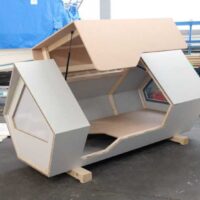
When a loved one begins to need daily care, families often face a tough decision. Traditional options—such as assisted living facilities, nursing homes, or even in-home care—come with logistical hurdles, emotional weight, and financial strain. Nursing homes can cost over $120,000 a year. Assisted living isn’t much cheaper, and spaces in reputable facilities are often limited.
Some families choose to bring aging parents into their own homes, hoping to provide comfort and companionship. But what if the house simply isn’t big enough? Enter the “granny pod”—a practical middle ground that’s quietly reshaping how families care for older relatives.
What Exactly Is a Granny Pod?
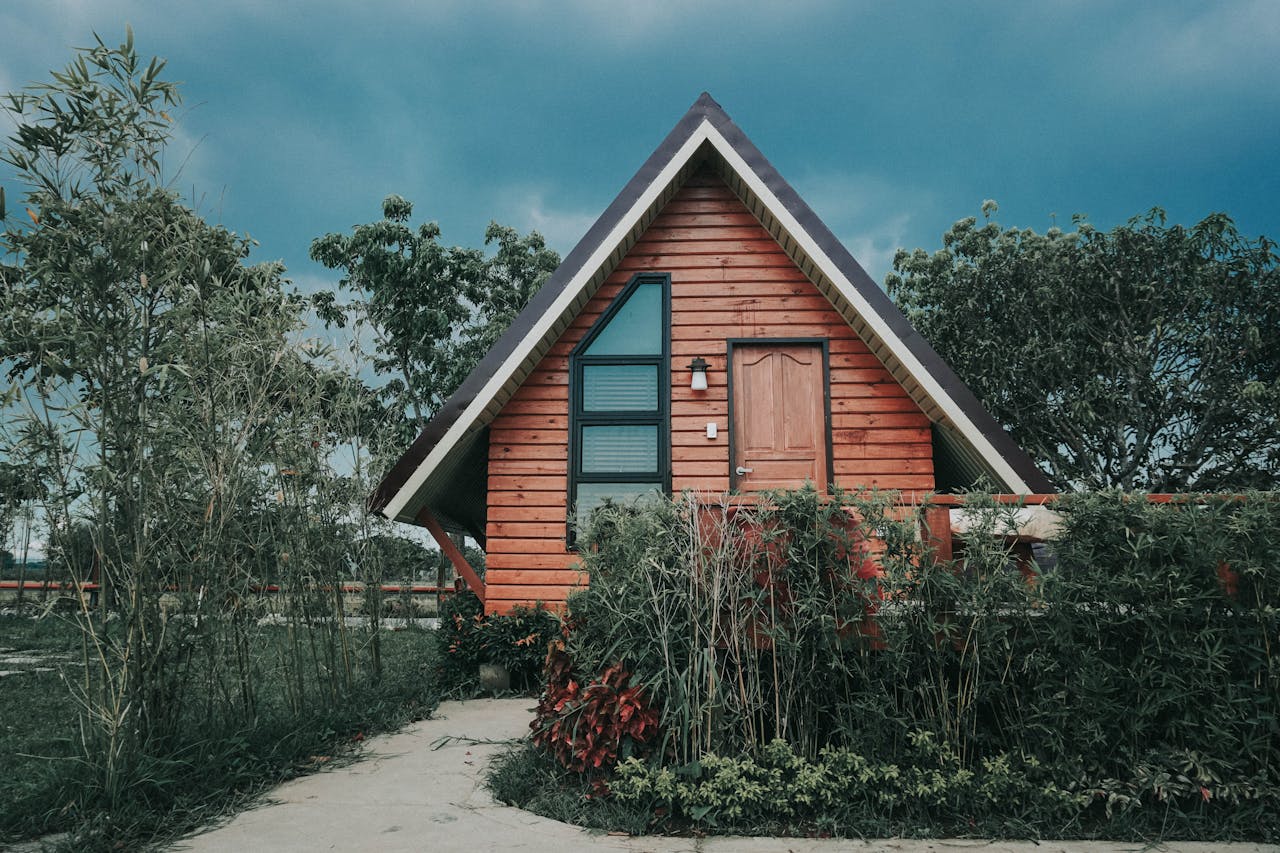
Also known as in-law cottages, backyard bungalows, or accessory dwelling units (ADUs), granny pods are small, self-contained living spaces placed in the backyard of an existing home. Unlike standard tiny homes, these units are tailored for elderly occupants, often outfitted with safety and accessibility features like hand railings, non-slip flooring, wheelchair-friendly entrances, and even medical alert systems.
Think of it as a compact studio apartment: a bedroom, kitchenette, and bathroom all in one. Some models go further, including features like soft floors to reduce injury from falls, lighted pathways, and space for medical equipment. While some homeowners purchase pre-fabricated units that can be assembled on-site, others work with companies that specialize in custom builds based on universal design principles.
Why Families Are Choosing Backyard Living
Beyond the potential cost savings, granny pods offer something many care facilities cannot: proximity and privacy. The setup allows seniors to remain close to their families without sacrificing autonomy. They can spend mornings with grandchildren, join the family for dinner, and still retreat to their own space in the evening.
For working parents, having grandparents nearby can also offer unexpected advantages. Some families use the opportunity to embrace intergenerational living, with grandparents lending a hand with childcare or simply enjoying day-to-day moments that might otherwise be lost.
The flexibility of granny pods makes them an attractive alternative. While not all homes have the capacity to house additional family members indoors, the backyard offers untapped potential for connection without crowding.
How Much Are Granny Pods? Cost and Customization
The cost of a granny pod varies widely. Some prefabricated shell kits start around $10,000, but that often excludes installation, permits, and utility hookups. More complete, customized units typically range from $100,000 to $250,000—a hefty sum, but potentially economical when compared to long-term care costs that can accumulate year after year.
Builders like FabCab and WheelPad focus on accessibility-first design, offering layouts that balance comfort with safety. Other providers provide both rental and purchase options for backyard dwellings. Homeowners can choose between pre-designed layouts or fully customized builds based on specific health or mobility needs.
Where Can You Get a Granny Pod?
A growing number of companies now offer granny pods, with options ranging from basic kits to fully customized units.
- Tiny House Great Medicine offers mobile, medically equipped small homes tailored for backyard placement.
- WheelPad provides universally accessible units that exceed ADA standards, with both leasing and purchase options.
- Cottage Depot offers pre-designed accessible units and custom builds, supporting homeowners with planning and permitting.
- FabCab specializes in modern, universally designed small homes with a focus on aging-in-place.
You can even find granny pod kits through major retailers like Home Depot, Wayfair, and Amazon, making them more accessible than ever.
Many of these companies also offer delivery, installation support, and flexible floor plans. Depending on your needs and budget, you can assemble the unit yourself or hire professionals to handle the full process.
Is It Legal to Build a Granny Pod?
Before building or buying, it’s essential to understand the rules. Zoning laws differ by city and county, and not all areas allow secondary dwellings. Homeowners’ associations, historical districts, or proximity to parks and wetlands may also impose restrictions. Most granny pods are connected to the main home’s utilities, so permits and potential upgrades to sewer or septic systems may be required.
Some jurisdictions treat ADUs like any other residential structure, while others require special variances. Prospective buyers should consult with local building departments and utility agencies to ensure compliance. It’s also worth checking homeowner association bylaws and neighborhood-specific codes.
Whether it’s a temporary solution or a long-term investment in family closeness, granny pods reflect a growing shift in how we care for our elders—not just with responsibility, but with respect and proximity.
Rethinking Aging and Home Life
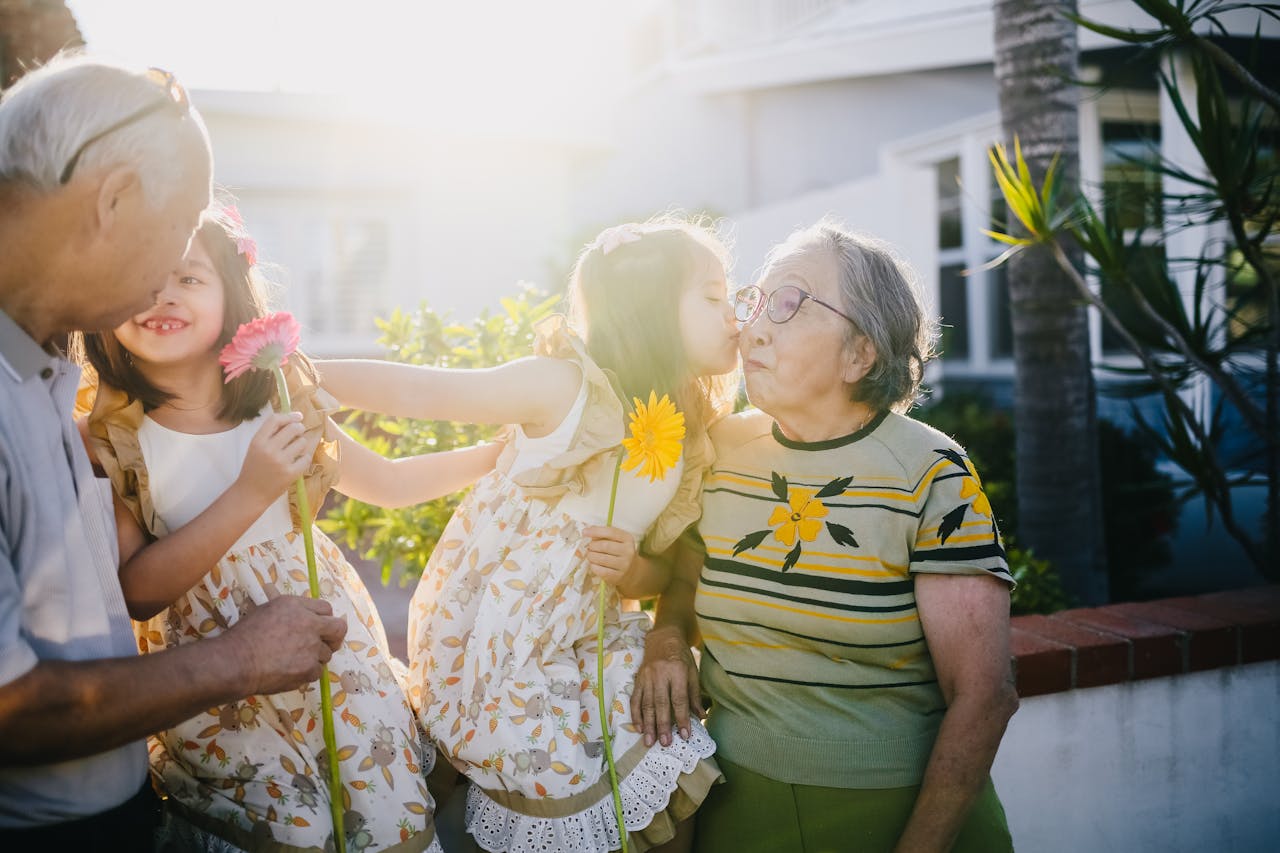
More than just a real estate trend, the rise of granny pods speaks to changing values around aging, independence, and family support. In a time when long-term care facilities can be out of reach financially and emotionally distant, these backyard homes offer something remarkably simple: closeness. They allow families to stay connected without giving up personal space or safety.
As regulations catch up and customization options grow, granny pods may become a common feature in neighborhoods, quietly reshaping how we live with, and care for, those who once cared for us. Whether used for a few months or many years, the message is the same: home can still be home, even if it’s just a few steps away.
This article is co-published with Social Sweethearts GmbH