Imagine losing a permanent tooth and knowing that your body might one day be able to replace it naturally. For millions of people who rely on dentures, bridges, or dental implants, that possibility could change their experience of dental care. Japanese researchers are developing an experimental medicine that could make natural tooth regeneration possible.
The treatment, called TRG-035, targets a protein involved in controlling tooth development. After encouraging results in animal experiments, researchers have moved the medicine into human clinical testing. Their longer-term goal is to develop a treatment that could help people born without certain teeth and potentially those who lose them later in life.
Japan’s Experimental Tooth-Regrowth Medicine Enters Human Testing
Adults generally have 32 permanent teeth, including their wisdom teeth, and losing one can create problems that extend beyond appearance. Missing teeth can affect chewing, speech, and the alignment of surrounding teeth. Depending on the circumstances, people may need implants, bridges, or dentures to restore their ability to eat comfortably.
Japanese researchers are investigating whether medicine could eventually provide another option. Their work focuses on stimulating the biological processes responsible for forming teeth rather than simply replacing missing structures with artificial materials. The experimental treatment has attracted attention because it could potentially help the body produce new teeth.
The first human clinical trial began in September 2024, with researchers investigating the safety of the treatment. The Phase I study involved 30 adult men between 30 and 64 years old who were missing at least one tooth. Participants received the experimental medicine intravenously under medical supervision.
The initial trial was designed primarily to assess safety and determine appropriate dosage levels. Researchers needed to establish how the human body responded to the medicine before moving toward studies involving patients who might benefit from tooth regeneration. According to the research timeline provided by the development team, the Phase I study was completed in 2025.
This represented an important step in the development process, although completing an initial safety trial does not establish that the medicine can successfully regrow human teeth. Further clinical studies must demonstrate whether the treatment works and whether its effects remain safe over time.
The Protein That Could Hold The Key To New Teeth
Humans naturally develop two generations of teeth during their lives. Baby teeth eventually fall out and are replaced by permanent teeth, which generally remain throughout adulthood. Unlike certain animals, humans do not routinely replace lost permanent teeth with another naturally growing set.
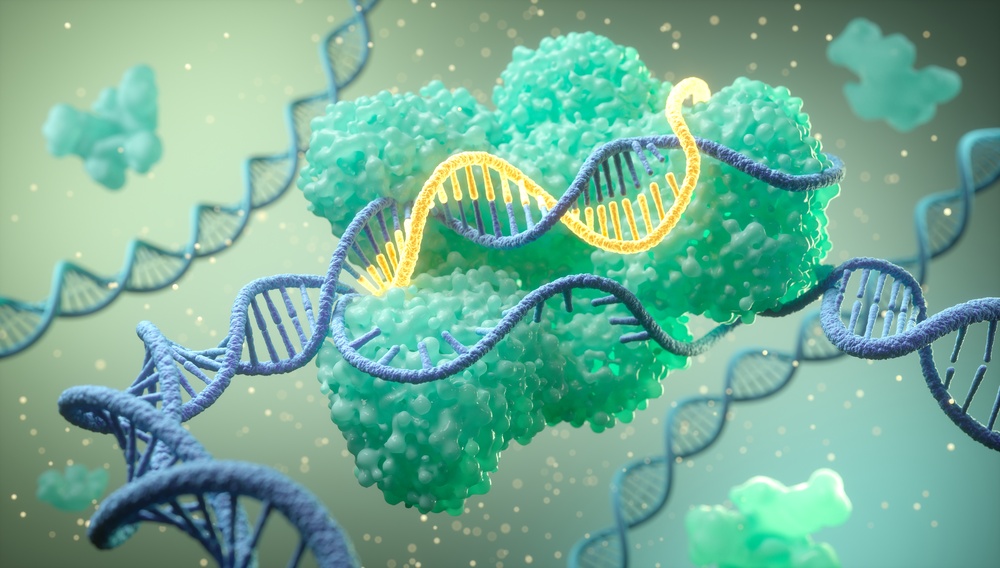
However, researchers have investigated biological mechanisms that influence how teeth develop. One particular protein, known as uterine sensitization-associated gene-1 or USAG-1, has become a major focus of this research because of its role in regulating tooth formation.
USAG-1 helps control signaling pathways involved in the development of teeth. One of these pathways involves bone morphogenetic proteins, commonly known as BMPs. These proteins participate in several developmental processes, including the formation of bones and teeth.
Researchers discovered that interfering with USAG-1 could encourage tooth development in animal models. This raised an interesting possibility: suppressing a natural inhibitor might allow certain developmental signals to become active and encourage additional teeth to form.
TRG-035 is an antibody-based medicine designed to target USAG-1 and block its activity. By interfering with this protein, researchers hope to influence the biological signals responsible for tooth development. The treatment is administered through an intravenous injection, allowing the medicine to enter the bloodstream.
The research does not mean that every adult has fully developed replacement teeth waiting beneath their gums. Scientists are investigating how the biological mechanisms involved in tooth formation can be influenced, and whether this approach can produce functional replacement teeth in humans.
Animal Experiments Helped Researchers Move Forward
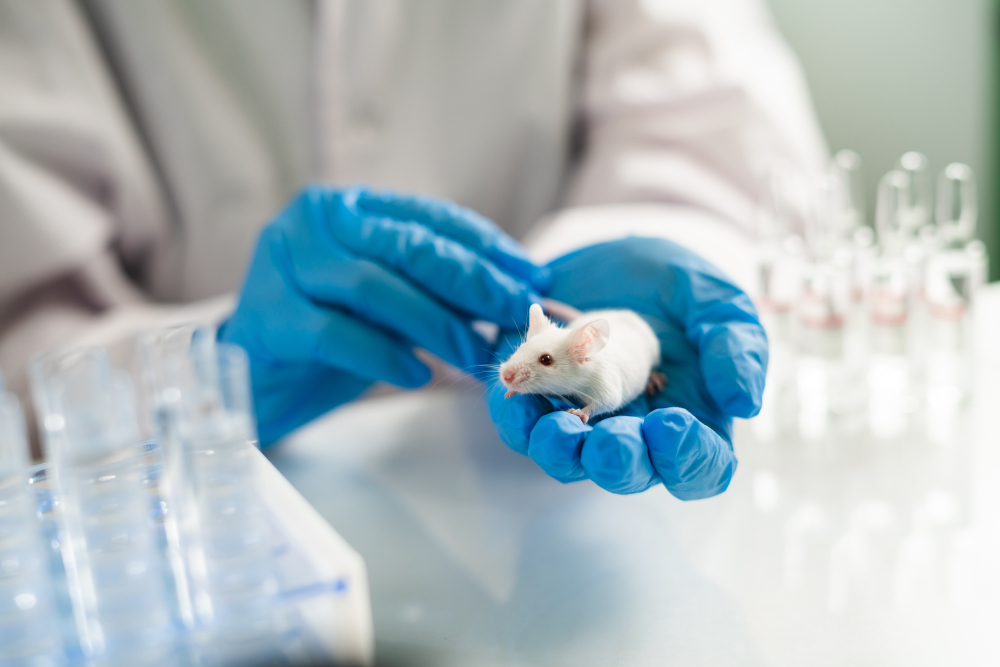
Before beginning human clinical trials, researchers needed evidence that blocking USAG-1 could stimulate tooth formation safely in animals. Earlier experiments involving mice provided the first important findings, helping scientists understand how the protein influences the development of additional teeth.
A 2021 study published in Scientific Reports examined the effects of inhibiting USAG-1. Researchers found that interfering with the protein could promote tooth development in mice, including animals with congenital tooth deficiencies. The findings provided a scientific foundation for further investigations into regenerative dental medicine.
The research team also investigated the treatment in ferrets. These animals were particularly useful because their dental development patterns share certain similarities with humans. Experiments demonstrated that targeting USAG-1 could encourage additional tooth development, strengthening the case for further research.
Additional animal studies explored the possibility of using the approach in larger mammals, including dogs. These investigations helped researchers examine how the treatment might influence tooth development in animals with more complex dental structures.
The results were encouraging, but animal studies have important limitations. A medicine that stimulates tooth formation in mice or ferrets does not automatically produce the same outcome in humans. Differences in biological development, immune responses, and tooth structure must be carefully considered before a treatment can be recommended.
Nevertheless, the animal research gave scientists enough reason to investigate the approach through controlled human trials. The next challenge is determining whether the same biological mechanism can produce safe and functional results in people.
Children Born Without Permanent Teeth Could Benefit First

One of the first groups researchers hope to help consists of children with congenital tooth agenesis. This condition occurs when a person is born without one or more teeth because certain teeth fail to develop. In more severe cases, several permanent teeth may be missing.
A particularly serious form is known as anodontia, which refers to the congenital absence of teeth. Partial forms of tooth agenesis are more common and can involve missing individual teeth or multiple teeth. The condition can create difficulties during childhood because permanent teeth play an important role in chewing and speech.
Children affected by severe tooth deficiencies may require several dental procedures as they grow. Missing teeth can also influence how the jaw develops and how surrounding teeth become positioned. Treatment often requires careful planning because a child’s mouth continues changing during development.
Researchers believe tooth-regeneration medicine could eventually provide another approach for these patients. Instead of relying entirely on artificial replacements, treatment could potentially encourage the development of naturally formed teeth. This possibility is particularly interesting for children who may otherwise require years of dental management.
The development team has identified children with congenital tooth deficiencies as an important population for further clinical investigation. The planned studies will need to determine whether the medicine can safely stimulate tooth development in younger patients and whether the resulting teeth function properly.
This research could eventually have implications for people with less severe forms of tooth agenesis. However, the treatment’s effectiveness will depend on the specific biological circumstances of each patient, and researchers still need to establish which conditions are suitable for treatment.
Could The Medicine Eventually Help Adults With Missing Teeth?

Congenital tooth agenesis is the initial focus, but the potential applications could extend much further if clinical research proves successful. Millions of adults lose permanent teeth because of tooth decay, gum disease, injuries, or age-related dental problems. These patients currently depend on established replacement treatments.
Dental implants are widely used because they can provide stable support for artificial teeth. The procedure involves placing a metal implant into the jawbone, which eventually supports a replacement tooth. Although implants can work well, they require surgery and may not be suitable for every patient.
Dentures provide another option, especially when someone has lost several teeth. However, they may require adjustments as the mouth changes, and some people experience discomfort or difficulties with chewing. Bridges can restore missing teeth too, although they sometimes require modifying neighboring healthy teeth.
A successful regenerative treatment could introduce a different possibility. If scientists can stimulate the development of functional replacement teeth, patients might eventually have an alternative to artificial dental structures. The approach could also change how dentists think about treating certain forms of tooth loss.
Researchers have expressed interest in making the medicine available beyond congenital conditions if future evidence supports broader applications. However, there is currently no established proof that TRG-035 can regenerate teeth lost through ordinary decay, injuries, or gum disease in humans.
Its initial development program must establish safety and effectiveness in the populations being studied. Any expansion into adult tooth replacement would require additional research and appropriate clinical evidence.
Five Potential Benefits Of Natural Tooth Regeneration
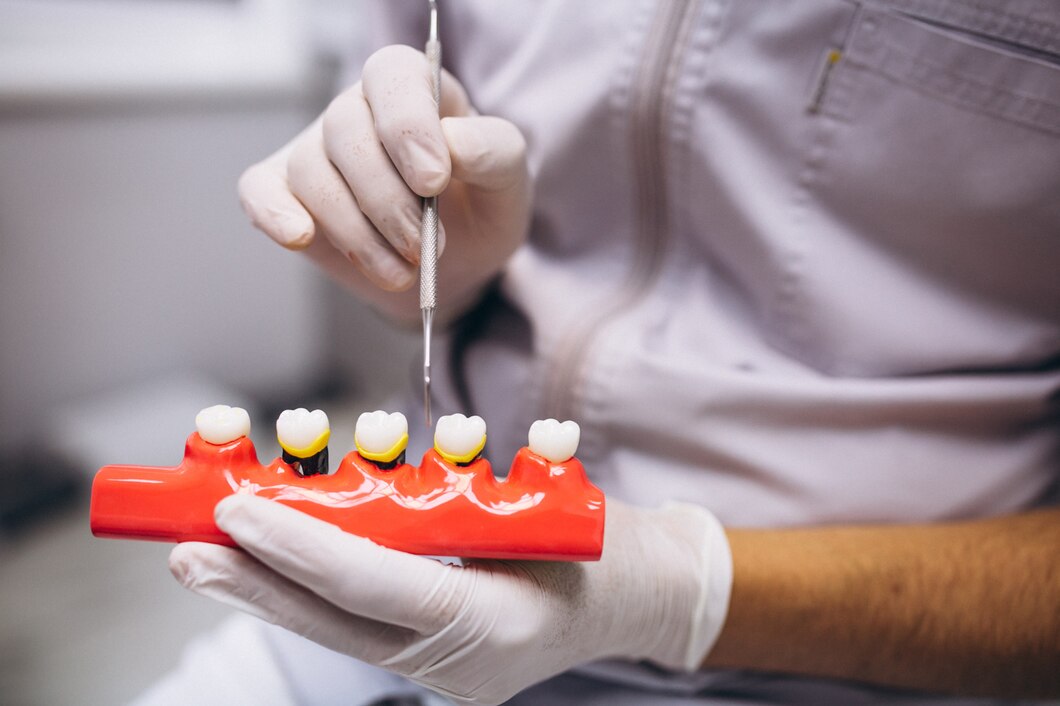
The possibility of growing replacement teeth has attracted attention because natural teeth perform several functions that artificial replacements attempt to reproduce. If researchers can successfully develop this approach, it could offer advantages for certain patients.
- Restoring natural chewing function: Functional replacement teeth could help patients chew food more comfortably and maintain normal eating habits. This could be particularly valuable for people who struggle with missing teeth.
- Reducing dependence on artificial replacements: Patients who qualify for successful regenerative treatment might eventually have another option besides dentures, bridges, or implants.
- Supporting childhood dental development: Children born without certain permanent teeth could potentially benefit from treatment that encourages natural tooth formation during development.
- Addressing certain congenital conditions: Regenerative medicine could provide a new research direction for people affected by genetic or developmental conditions that prevent some teeth from forming.
- Expanding future dental treatment options: Successful research could encourage further developments in regenerative dentistry and create new approaches to managing tooth loss.
These benefits remain potential outcomes rather than established medical results. Scientists must first demonstrate that regenerated teeth can develop correctly, remain healthy, and provide reliable function over time.
Important Questions Scientists Still Need To Answer
Despite the encouraging animal research and progress toward human testing, several scientific challenges remain. Growing a new tooth involves much more than producing a visible structure inside the gums. The tooth must develop with the correct shape, position, and internal organization.
Researchers must establish whether newly formed teeth can integrate properly with the surrounding jawbone and tissues. They also need to determine whether the teeth develop healthy blood supply and nerve connections. These features contribute to normal tooth function and sensation.
Another important question involves alignment. A replacement tooth would need to emerge in an appropriate position without creating problems for neighboring teeth. Incorrect positioning could affect the bite and potentially require additional dental treatment.
Long-term durability is another consideration. Researchers need evidence that newly developed teeth can withstand everyday chewing forces and remain healthy for many years. Clinical studies must also monitor possible side effects and determine whether the treatment produces unwanted changes in tooth development.
There are questions about how the medicine might behave in different age groups. A treatment that works in a developing jaw may not necessarily produce the same results in an adult whose dental structures have fully matured. These differences will influence which patients can benefit from the treatment.
Cost and accessibility will also influence its eventual impact. Even if the medicine receives approval, researchers and healthcare providers will need to determine how it can be manufactured, administered, and made available to patients across different healthcare systems.

When Could Tooth-Regrowth Treatment Become Available?
The research team has previously identified 2030 as a target for making the medicine available in Japan, provided clinical development and regulatory approval proceed successfully. This timeline has attracted considerable attention because it suggests that regenerative dentistry could become a clinical reality within the coming years.
However, several stages of research remain before the medicine can be routinely prescribed. The initial human study focused on safety, while subsequent trials must investigate whether the treatment produces the intended biological effects in patients.
The next stages are expected to focus on people with congenital tooth deficiencies. Researchers will need to evaluate different doses, monitor participants carefully, and collect evidence about the development of new teeth. Larger clinical studies may then be necessary to establish effectiveness across a wider population.
Regulatory authorities will also examine the available evidence before deciding whether the medicine can be approved. This process helps establish whether a treatment’s benefits justify its potential risks and whether its manufacturing standards meet required medical regulations.
Availability outside Japan could take additional time because other countries have their own regulatory requirements. Patients in the United States, Europe, and elsewhere may therefore have to wait longer even if the treatment eventually receives approval in Japan.
For now, 2030 should be understood as a development target rather than a guaranteed release date. The success of future trials will determine whether researchers can meet that goal.
How To Protect Your Natural Teeth While Research Continues

Although tooth-regeneration research offers an interesting possibility, maintaining healthy natural teeth remains the best approach for protecting your smile today. Existing dental treatments are available, and early prevention can help reduce the risk of problems that eventually lead to tooth loss.
A consistent oral hygiene routine can make a meaningful difference. Brushing twice daily with fluoride toothpaste helps remove plaque and protect enamel, while cleaning between the teeth helps reach areas that toothbrushes often miss.
Your daily habits also influence oral health. Frequent exposure to sugary foods and drinks can increase the risk of tooth decay, particularly when proper cleaning is inconsistent. Drinking water regularly and maintaining a balanced diet can support general health and contribute to better oral hygiene.
Regular dental examinations are equally valuable because cavities and gum problems may develop before noticeable symptoms appear. Addressing these conditions early can reduce the likelihood of more serious damage. If you already have missing teeth, a dentist can help identify suitable treatment options based on your individual needs.
Here are five habits worth maintaining:
- Brush your teeth twice daily using fluoride toothpaste and a soft-bristled toothbrush.
- Clean between your teeth every day with floss or suitable interdental brushes.
- Reduce frequent sugary snacks and drinks to limit repeated exposure to cavity-causing acids.
- Schedule regular dental checkups so developing problems can be identified early.
- Seek dental care if you notice bleeding gums, persistent sensitivity, pain, or changes in your bite.
These everyday measures remain useful regardless of how quickly regenerative dental treatments advance. Protecting the teeth you already have is still the most reliable way to reduce the likelihood of needing replacements.
A New Possibility For The Future Of Dental Health
Japanese researchers are investigating a treatment that could eventually change how certain forms of tooth loss are managed. TRG-035 has progressed from laboratory research into human clinical development, giving scientists an opportunity to examine whether the biological approach can work safely in people.
The coming clinical studies will determine whether the medicine can deliver the results researchers hope to achieve. For now, natural tooth regeneration remains an experimental possibility, but the research has opened an exciting direction for dentistry.
For people living with missing teeth, the prospect of growing a replacement rather than relying entirely on artificial alternatives is worth following. The next few years of clinical research could determine whether that possibility becomes a treatment patients can actually receive.