Scientists have made a promising discovery that could help overcome one of the biggest challenges in developing new cancer treatments: producing enough immune cells to keep fighting the disease. A team led by researchers at the University of Southern California has found a way to grow and genetically engineer special precursor cells in the laboratory while preserving their ability to develop into functional immune cells. The findings could open up new possibilities for cancer immunotherapy, particularly for solid tumors that can be difficult to treat with existing approaches.
The research, published in Cell, focuses on granulocyte-monocyte progenitors, or GMPs, which can develop into macrophages and other immune cells. In experiments involving mice, the engineered cells helped delay the progression of cancer, while an additional genetic modification designed to activate other immune cells produced even greater benefits. The researchers also demonstrated that the approach could help restore antibacterial defenses in mice with an inherited immune disorder. Although the findings remain at the preclinical stage, they offer scientists a potential new way to manufacture immune cell therapies for future medical use.
Scientists Find a New Way to Grow Cancer-Fighting Cells
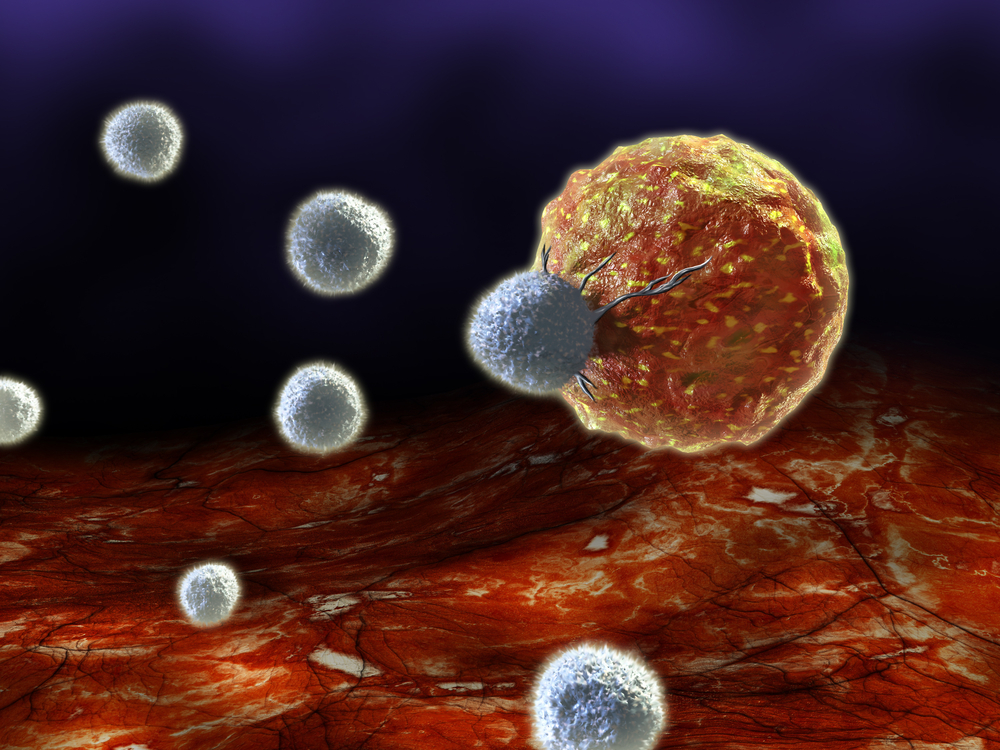
Macrophages are an important part of the body’s immune system. These cells can engulf harmful material, including cancer cells, and help coordinate the immune response against threats. Their natural ability to enter tumors makes them particularly interesting to scientists searching for new ways to treat cancers that develop in solid organs and tissues. However, manufacturing macrophages for medical treatment has presented several obstacles, including difficulties expanding them to large numbers outside the body and genetically modifying them without damaging their function.
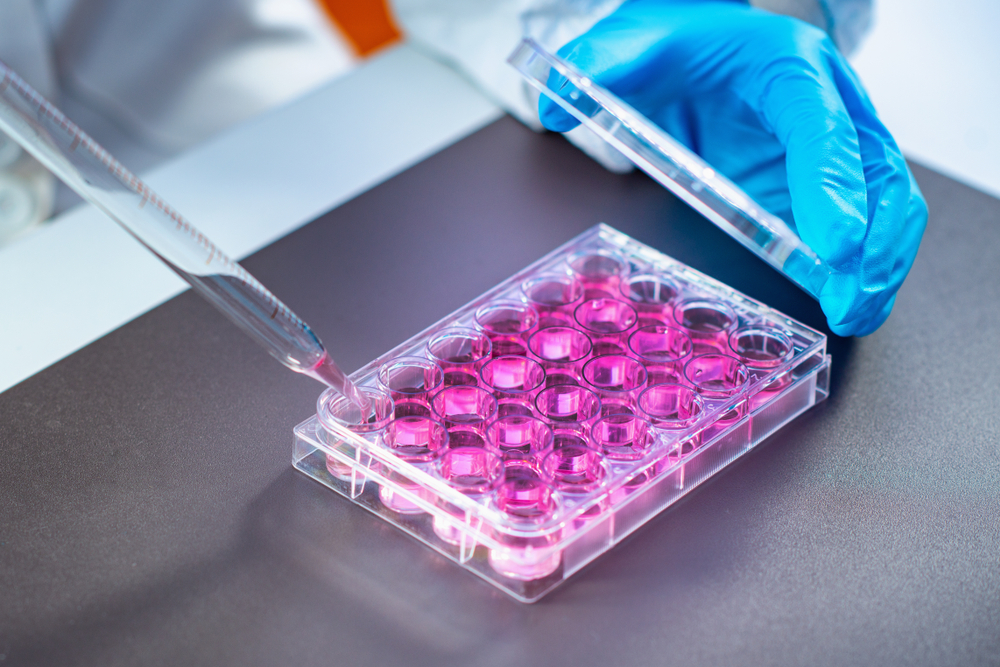
The USC-led team decided to approach the problem by focusing on the precursor cells that produce macrophages rather than relying on mature macrophages themselves. These precursor cells, known as GMPs, can generate macrophages and other closely related immune cells. Using a carefully designed chemical mixture, the researchers found that they could keep the progenitors multiplying in laboratory conditions without allowing them to mature too quickly. The cells maintained their identity and continued to produce functional immune cells even after extended periods of growth, giving researchers a potentially renewable starting point for developing cellular therapies.
The Discovery Challenges What Scientists Knew About Stem Cells
One of the most interesting findings concerns self-renewal, the ability of a cell to keep dividing while retaining its identity and developmental potential. This property is typically associated with stem cells, including hematopoietic stem cells that produce the different types of blood and immune cells. Progenitor cells such as GMPs are generally considered more limited because they are already committed to producing particular groups of cells. The researchers found that, under the right laboratory conditions, GMPs could continue multiplying while preserving their ability to generate functional immune cells.
Qi-Long Ying, the study’s corresponding author and a professor at the Keck School of Medicine of USC, explained the potential significance of the finding. “We found that, under the right conditions, GMPs can also self-renew, dividing extensively while keeping their identity and ability to produce functional immune cells,” Ying said. The discovery could give researchers a more practical way to produce the starting material required for engineered immune therapies. Researchers collaborating with Ravi Majeti’s laboratory at Stanford University also independently reproduced key aspects of the method, providing additional support for its potential use in future research.
How Researchers Programmed the Cells to Attack Cancer
After developing a method to expand GMPs, the team investigated whether the cells could be genetically engineered to recognize cancer and encourage stronger immune responses. The researchers equipped them with a chimeric antigen receptor, commonly known as a CAR, which allows an immune cell to recognize a specific marker on a target cell. They also introduced an additional immune-activating signal designed to engage other immune cells and encourage them to participate in the attack against tumors. The combination was intended to help the engineered cells target cancer while stimulating a broader response from the body’s own defenses.

The researchers tested engineered mouse and human GMPs in laboratory experiments before evaluating their therapeutic potential in mice. Following administration, the progenitor cells established themselves in the bone marrow and other blood-forming environments, where they generated engineered macrophages and related immune cells. In mouse models of blood cancer and solid tumors, CAR-engineered GMPs delayed disease progression, while cells carrying both the CAR and the additional immune-activating signal provided a greater benefit. These results suggest that the approach could help address the limited persistence of mature macrophages, although its effectiveness and safety in human patients remain unproven.
Could This Lead to Ready-Made Cancer Treatments?
A major potential advantage of the method is the possibility of producing immune cell therapies in advance. Some existing cellular treatments require cells to be collected from an individual patient, modified in specialized facilities, and prepared for administration. This process can be complicated and time-consuming. A renewable supply of engineered progenitor cells could eventually allow researchers to manufacture larger batches of treatment material before patients need them, potentially making certain therapies easier to produce and distribute.
The team also explored an approach designed to help engineered cells function despite differences between the donor and recipient’s immune systems. If further research establishes that this strategy is safe and effective in humans, it could contribute to the development of off-the-shelf treatments that do not need to be individually manufactured for every patient. Potential advantages of this approach include:
- A renewable supply of cells: Progenitors could continue generating functional immune cells after reaching blood-forming tissues.
- More scalable manufacturing: Researchers could potentially expand larger quantities of precursor cells before engineering them for treatment.
- Greater flexibility: The cells could be modified to recognize selected cancer markers or perform additional immune functions.
- Broader immune activity: Engineered signals could encourage other immune cells to join the response against tumors.
- Potential uses beyond cancer: The same underlying method could be investigated for certain infections and immune disorders.
These possibilities are still being studied. Researchers must establish reliable manufacturing methods and evaluate immune compatibility, unwanted reactions, and long-term safety before determining whether the platform can become a practical treatment option.
The Research Could Also Help People With Immune Disorders
The potential applications extend beyond cancer immunotherapy. The researchers tested their approach in mice with chronic granulomatous disease, an inherited disorder that prevents certain immune cells from effectively killing bacteria and fungi. People with this condition can experience serious infections because their immune systems cannot reliably eliminate particular pathogens. In the animal experiments, the engineered progenitor cells restored antibacterial defense, suggesting that the platform might eventually help researchers investigate new treatments for inherited immune deficiencies.
The results provide an early indication that expandable progenitor cells could have uses wherever the body needs a continuing supply of functional immune cells. However, restoring antibacterial defense in mice does not establish that the treatment will work in people with chronic granulomatous disease. Further studies must determine how the cells behave over time, whether they can provide lasting benefits, and what risks might accompany their use. The researchers will also need to investigate whether the same strategy can be adapted safely to other conditions without triggering unwanted immune activity.
What the Findings Mean for Cancer Patients Today
For people living with cancer, the discovery offers a potential new direction for future treatment development, but it is important to understand the current limits of the research. The study demonstrates that GMPs can be expanded and engineered in the laboratory and that the resulting cells can produce beneficial effects in mouse models. It does not establish that the approach is safe or effective in human patients, and the findings should not be interpreted as evidence that a new treatment is ready for clinical use.
Before this method can be considered for patients, researchers must investigate how consistently the cells develop, how long they remain active, and whether the engineered immune responses can be controlled. They must also evaluate possible damage to healthy tissues, immune compatibility, and the manufacturing standards required for clinical use. These steps are particularly important for treatments designed to keep generating immune cells inside the body. Patients should continue discussing established cancer treatments and appropriate clinical trials with their healthcare teams rather than making treatment decisions based on preliminary animal research.
A New Direction for the Future of Immunotherapy
The study offers a different way to approach the challenge of manufacturing immune cells for cancer treatment. By developing a method to expand progenitor cells while preserving their ability to generate functional macrophages and other immune cells, the researchers have created a platform that could support several areas of future medical research. Its potential applications include solid tumors, blood cancers, and certain inherited immune disorders, although each will require further investigation before the approach can be used clinically.

The next major milestone will be determining whether these encouraging results translate into safe and effective treatment for people. If future studies succeed, the ability to produce engineered immune cells from an expandable source could help researchers develop therapies that are easier to manufacture and potentially available to more patients. For now, the discovery represents a promising laboratory advance, with human testing and clinical evidence still needed to establish its true medical value.