For millions of people living with autoimmune diseases, everyday life can involve persistent symptoms, ongoing medication, and the uncertainty of never knowing when their condition might flare up again. Now, researchers are investigating an experimental immune-cell therapy that could eventually offer a different approach to treating certain autoimmune conditions. Early clinical trial results involving people with myasthenia gravis have attracted attention because they suggest the treatment may help reduce symptoms over an extended period.
The therapy uses engineered immune cells to target cells involved in producing harmful antibodies. Researchers are now investigating whether this approach can deliver meaningful relief while avoiding some of the limitations associated with existing treatments. Although the findings offer a reason for cautious optimism, the research remains ongoing, and the treatment has not been established as a cure for autoimmune diseases. Understanding what scientists have discovered, how the therapy works, and what remains uncertain can help put the development into perspective.
Researchers Report Encouraging Results From an Autoimmune Disease Trial
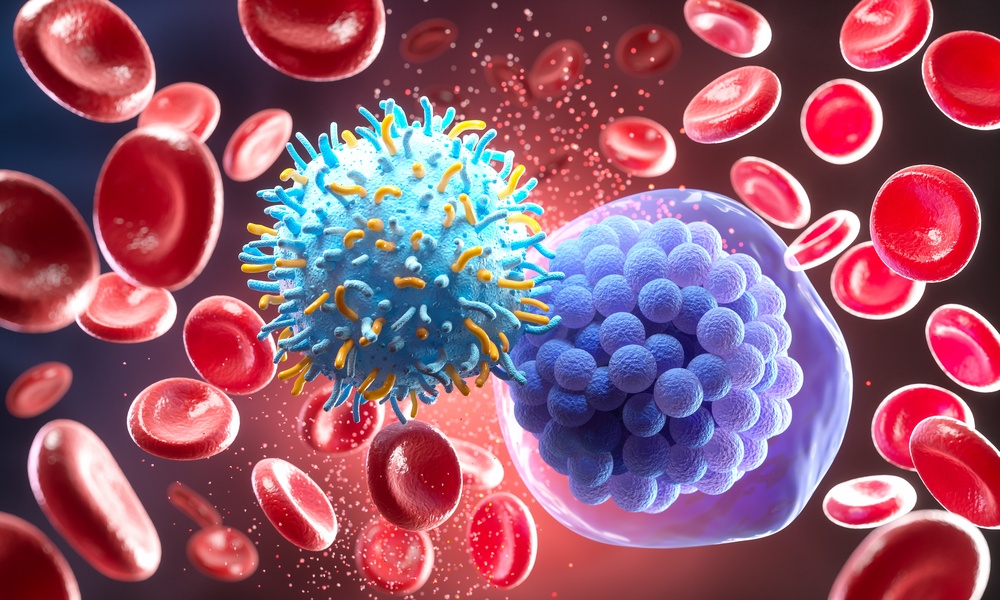
Researchers investigating an experimental CAR-T cell therapy have reported encouraging results in people with myasthenia gravis, a chronic autoimmune condition that interferes with communication between nerves and muscles. The treatment is designed to target immune cells associated with the production of harmful antibodies, which can cause muscle weakness and other symptoms. According to the University of North Carolina School of Medicine, results from a phase 2b clinical trial showed that 57% of participants achieved minimal symptom expression by month six. The university’s report also described those patients as maintaining that level through month 12.
These findings are significant because myasthenia gravis can interfere with ordinary activities, including walking, speaking, swallowing, and completing physical tasks. Existing treatments can help control symptoms, but patients may need ongoing medication and regular medical monitoring to manage their condition. Researchers are investigating whether a targeted immune-cell approach could provide another treatment option for people who need better symptom control. However, the reported results relate to a specific clinical trial and cannot establish that the treatment will work for everyone with myasthenia gravis.
The research involves an mRNA-based CAR-T approach being developed by Cartesian Therapeutics. The treatment uses messenger RNA to temporarily program a patient’s T cells to recognise a particular target associated with antibody-producing cells. Researchers hope that targeting these cells will reduce the harmful immune response involved in the disease. Further studies will need to establish how consistently the treatment works, how long the benefits last, and which patients are most likely to respond.
What Is Myasthenia Gravis and How Does It Affect Daily Life?
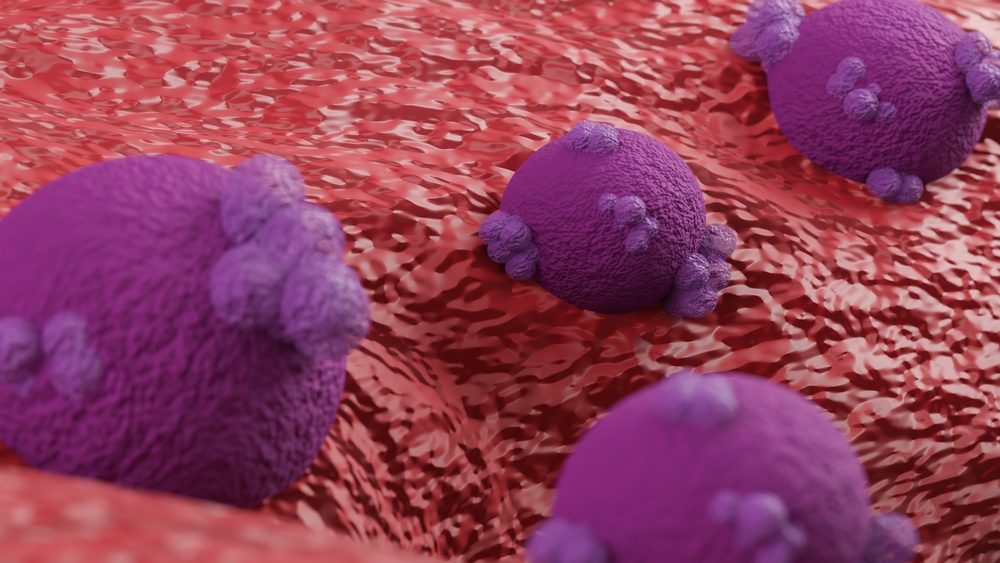
Myasthenia gravis is a chronic autoimmune disease in which the immune system interferes with the communication between nerves and muscles. Normally, nerves release chemical signals that tell muscles when to contract. In people with this condition, antibodies disrupt that process, making it harder for muscles to respond effectively. The resulting weakness often becomes more noticeable during repeated activity and may improve after rest, although symptoms vary between individuals.
The condition can affect several muscle groups, which means its impact on daily life can differ considerably. Some people experience drooping eyelids or double vision, while others have difficulty speaking clearly, chewing food, or swallowing. Weakness in the arms and legs can make climbing stairs, carrying shopping, or walking longer distances more challenging. These symptoms can fluctuate throughout the day, creating uncertainty about how much energy a person will have for ordinary responsibilities.
In severe cases, myasthenia gravis can affect the muscles responsible for breathing. This can lead to a potentially life-threatening complication known as a myasthenic crisis, which requires emergency medical treatment. Although established medications and other therapies can help manage the condition, there is currently no universal cure. Researchers are therefore investigating treatments that could better control the underlying immune response and improve the long-term management of symptoms.
How CAR-T Cell Therapy Could Target Harmful Immune Cells
CAR-T cell therapy was initially developed as a treatment for certain cancers. The approach involves collecting a patient’s T cells, modifying them to recognise a specific target, and using the engineered cells to attack cells associated with the disease. Researchers are now exploring whether this technology can be adapted to autoimmune conditions, where particular immune cells contribute to the production of antibodies that mistakenly attack the body.
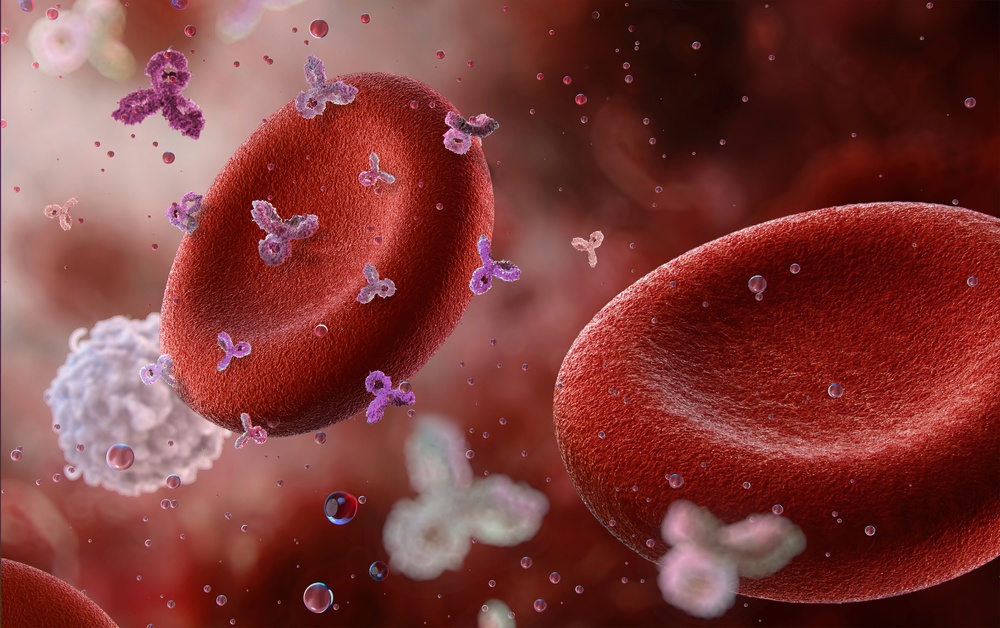
The experimental treatment discussed by UNC uses messenger RNA to program T cells to target BCMA-expressing plasma cells. Plasma cells produce antibodies, including the harmful antibodies involved in certain autoimmune responses. By directing engineered T cells toward these cells, researchers aim to reduce the production of antibodies that contribute to disease symptoms. The strategy focuses on a specific part of the immune response rather than broadly suppressing immune activity.
The use of mRNA also distinguishes this approach from some conventional CAR-T treatments. Messenger RNA provides temporary instructions for producing a particular protein, meaning the engineered cells are not intended to retain the same programming permanently. Researchers hope this temporary approach could offer greater control over treatment activity, although its real-world safety and effectiveness must be established through clinical studies. Potential advantages should not be confused with proven clinical benefits.

Could the Same Approach Help People With Other Autoimmune Diseases?
Myasthenia gravis is the main focus of the clinical trial discussed by UNC, but the broader concept has attracted interest because several autoimmune diseases involve harmful antibody production. Researchers are investigating whether targeted immune-cell therapies could eventually be adapted for other conditions. The underlying idea is that identifying and targeting the immune cells responsible for a disease may offer a more focused approach than treatments that affect a wider range of immune activity.
Conditions that may warrant further investigation include:
- Lupus: An autoimmune disease that can affect the skin, joints, kidneys, and other organs.
- Rheumatoid arthritis: A condition that causes inflammation and damage in the joints.
- Multiple sclerosis: A disease involving immune-mediated damage to the protective covering of nerve fibres in the brain and spinal cord.
- Other antibody-related autoimmune conditions: Certain conditions involving harmful antibodies may offer additional opportunities for research, depending on the immune mechanisms involved.
These possibilities do not mean that the specific treatment being tested for myasthenia gravis has been proven effective against these other diseases. Each condition has different biological mechanisms, and researchers would need to identify suitable targets and conduct separate clinical trials. A treatment that benefits one patient group may not deliver the same results in another, so future research will need to establish where the approach is most useful.
What Patients Should Know About Safety and Effectiveness
The reported findings come from phase 2b research, and further testing is needed before the treatment’s benefits and risks can be fully understood. Phase 3 clinical trials generally involve larger groups of participants and help researchers determine whether a treatment performs consistently across a broader population. These studies also provide more information about adverse effects and how an experimental therapy compares with existing treatment options.
Several important questions remain unanswered. Researchers need to establish how long symptom improvements last, whether patients may require repeat treatment, and which individuals are most likely to benefit. They must also examine the frequency and severity of potential side effects. CAR-T therapies can cause serious complications, including inflammatory reactions and neurological side effects, although the specific risks depend on the treatment being used.
Patients should therefore avoid interpreting early trial results as proof that a cure is available. Anyone living with myasthenia gravis should continue following their prescribed treatment plan unless their healthcare team recommends a change. People whose symptoms remain difficult to control can ask their specialist about appropriate treatment options and whether relevant clinical trials are available. Participation in a trial involves eligibility criteria, possible risks, and careful medical supervision.

Practical Ways to Manage Autoimmune Symptoms While Research Continues
Experimental treatments can take years to progress through clinical testing and become widely available. In the meantime, people living with autoimmune conditions can take practical steps to manage their symptoms alongside their prescribed medical care. The most appropriate approach depends on the condition, the severity of symptoms, and the individual’s overall health, so recommendations should be tailored with guidance from their healthcare team.
Keeping a record of symptoms can help patients identify patterns and communicate changes more clearly during medical appointments. Recording fatigue, muscle weakness, sleep quality, and daily activity may help reveal when symptoms become more difficult to manage. Taking prescribed medication as directed and discussing side effects with a clinician can also help patients maintain a consistent treatment plan. Medication should not be stopped or adjusted without medical advice.
Rest and appropriate activity can also play a role in everyday symptom management. People with myasthenia gravis may find it helpful to plan demanding tasks around periods when they have more energy and take breaks when weakness increases. Exercise should be adapted to individual needs, with advice from a healthcare professional when symptoms affect mobility or muscle strength. Severe breathing difficulties or rapidly worsening swallowing problems require emergency medical attention.
Further Trials Will Determine Whether This Treatment Delivers Lasting Benefits
The early results of the CAR-T approach offer researchers a potential new direction for treating myasthenia gravis. By targeting immune cells involved in harmful antibody production, the experimental therapy aims to address a process that contributes directly to the disease. The reported symptom improvements provide a reason for further investigation, but they do not establish that the treatment is a cure or that it will work for other autoimmune conditions.
The next phase of clinical research will help determine whether the benefits are durable, whether the risks are acceptable, and which patients are most likely to respond. For people living with autoimmune diseases, the immediate priority remains effective symptom management and appropriate medical care. If larger studies confirm the early findings, targeted immune-cell therapies could eventually provide another option for patients who need better control of their condition.
Sources:
- May, M. (2025). Eleven clinical trials that will shape medicine in 2026. Nature Medicine, 31(12), 3943–3947. https://doi.org/10.1038/s41591-025-04083-x