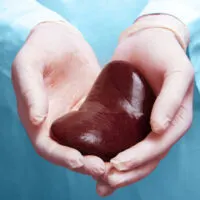
What if an organ’s age were not as fixed as scientists once thought? A new Harvard-led study suggests that transplanted hearts can begin to take on the biological age of the people they enter, with older hearts showing molecular signs associated with rejuvenation inside younger recipients. The research is still preliminary, but it raises a fascinating possibility for the future of transplantation.
The finding could eventually have practical consequences for people waiting for lifesaving heart transplants. If further research confirms that older donor hearts can adapt to younger bodies without losing long-term function, doctors may have more organs to consider when matching donors with patients.
Researchers Found A Striking Age Shift After Transplant
The study was led by Jesse Poganik, a researcher focused on aging at Harvard, together with colleagues at Harvard Medical School and Brigham and Women’s Hospital. Their work examined whether the biological age of a heart remains tied to the donor after transplantation or whether the recipient’s body can influence the organ’s aging process.
The study, which is currently available as a preprint on bioRxiv and has not yet undergone peer review, found a consistent pattern across animal and human data. Younger hearts placed into older recipients showed signs associated with accelerated biological aging, while older hearts placed into younger recipients developed molecular patterns associated with a younger biological age.
That distinction is important because chronological age and biological age are not identical. A person’s chronological age simply counts the years since birth, while biological age reflects accumulated changes occurring at the cellular and molecular level. Those changes can progress at different rates depending on the individual and the tissues involved.
The researchers used DNA methylation as one way to assess these changes. DNA methylation involves chemical tags that attach to DNA and can change as cells age, giving researchers a molecular window into biological aging.
The results suggest that a transplanted heart may respond to the biological environment surrounding it. Instead of carrying every aspect of its donor’s biological age unchanged, the organ appeared to move toward the age characteristics of its new host.
Older Hearts Became Younger In Mouse Experiments

The researchers first investigated the phenomenon in mice because animal experiments allowed them to control the ages of both donors and recipients. They transplanted hearts from young, middle-aged, and old mice into recipients from the same broad age groups, creating situations in which donor and recipient ages differed substantially.
The recipient mice kept their original hearts, while an additional donor heart was connected to their circulation. This approach allowed researchers to study the transplanted organ separately from the animal’s native heart and compare how the two organs responded to the same internal environment.
The team used hearts from mice that were about three months old, one year old, or between 1.5 and 1.67 years old. Four to six months after transplantation, the researchers collected tissue samples and examined DNA methylation across roughly 320,000 genetic regions.
The researchers were particularly interested in methylation patterns associated with cellular aging. When they compared the transplanted hearts with the animals’ original hearts, they found that the biological age of the donor organ had shifted toward the age of its recipient.
Older hearts placed inside younger mice showed molecular patterns consistent with rejuvenation, while younger hearts placed inside older mice showed patterns associated with faster aging. The direction of the change was therefore linked to the age of the body receiving the heart.
The effect appeared to be largely specific to the transplanted organ. The biological ages of the recipients’ own hearts, livers, and blood were mostly unaffected by whether the donor heart came from an older or younger animal.
That finding gave the researchers an important clue. It suggested that the recipient’s systemic environment may influence the transplanted heart without producing the same broad change throughout the recipient’s body.
Human Transplants Showed A Similar Pattern
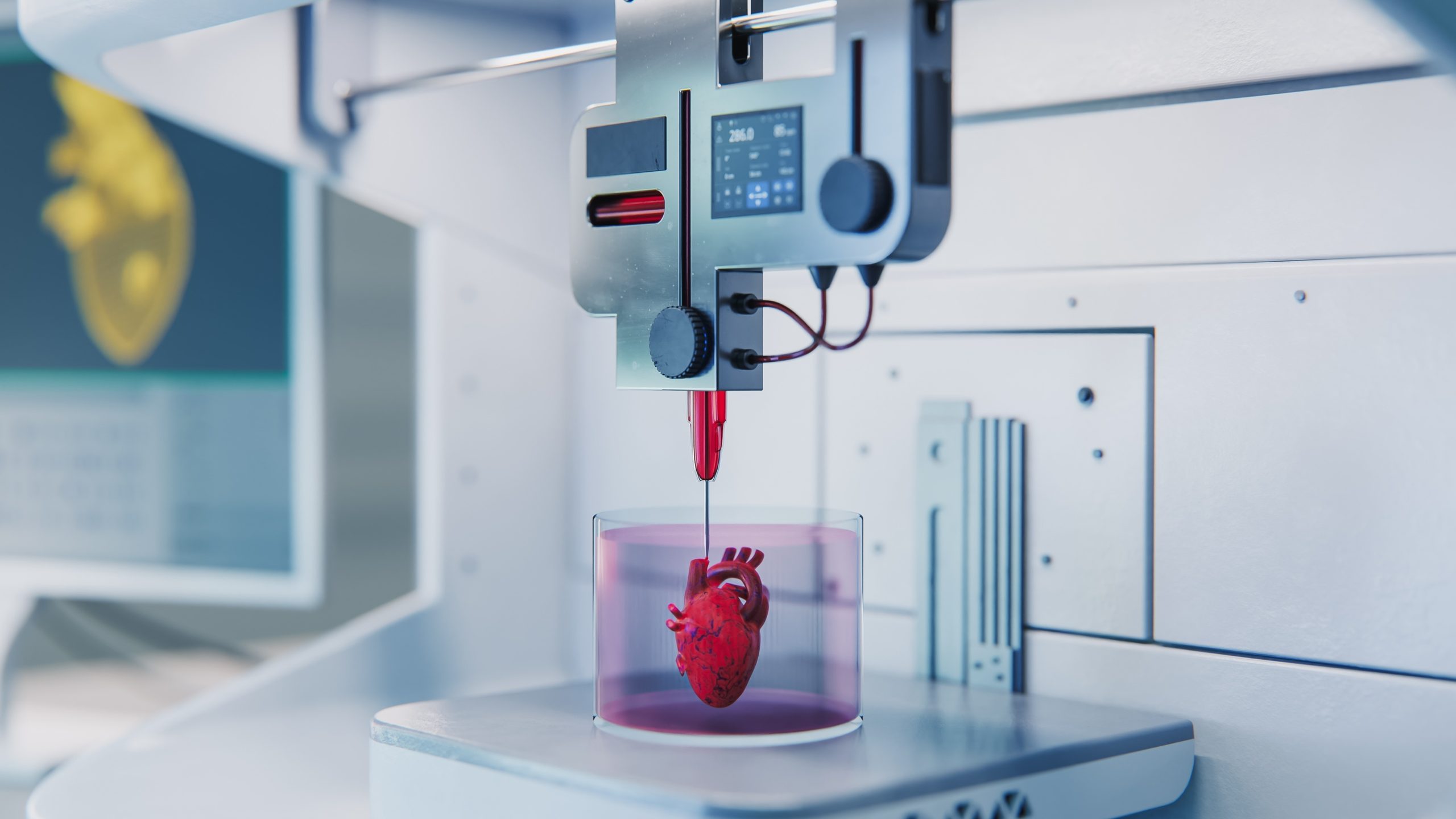
Animal research can reveal biological mechanisms that would be difficult or impossible to study directly in humans, but researchers still needed evidence that the same phenomenon occurs in people. Heart transplantation provided an unusual opportunity because patients routinely undergo follow-up testing, including biopsies that can preserve tissue for later analysis.
Poganik and his colleagues examined archived heart biopsy samples from 11 transplant recipients treated at Brigham and Women’s Hospital in Boston. The selected cases involved substantial age differences between donors and recipients, creating a useful natural experiment for studying what happens when an organ moves between bodies at different biological stages.
Some of the transplanted hearts came from older donors and were placed into younger recipients. Other cases involved younger donor hearts transplanted into older recipients. The age gaps ranged from eight to 24 years for older hearts placed into younger people and from 38 to 50 years for younger hearts placed into older recipients.
When the researchers analyzed DNA methylation in the transplanted tissue, they found a pattern similar to what they had observed in mice. The estimated biological age of the transplanted heart was more closely associated with the recipient’s age than with the donor’s age.
Poganik told Nature that the team was surprised by the similarity between the animal and human findings, saying, “We found exactly the same effects that we saw in the mice.” The observation does not prove that an old heart has literally become young, but it provides evidence that its molecular aging profile can shift after transplantation.
The researchers then examined medical records from hundreds of heart-transplant recipients to determine whether the molecular findings had any relationship to measurable heart function. They looked at data collected approximately one year after transplantation, including measures such as heart rate, heart-wall thickness, and exercise capacity.
Several functional measures were associated with the recipient’s age rather than the donor’s age. Exercise capacity showed one of the clearest relationships, adding a functional dimension to the molecular findings.
Biological Age Is Different From The Number Of Years You Have Lived
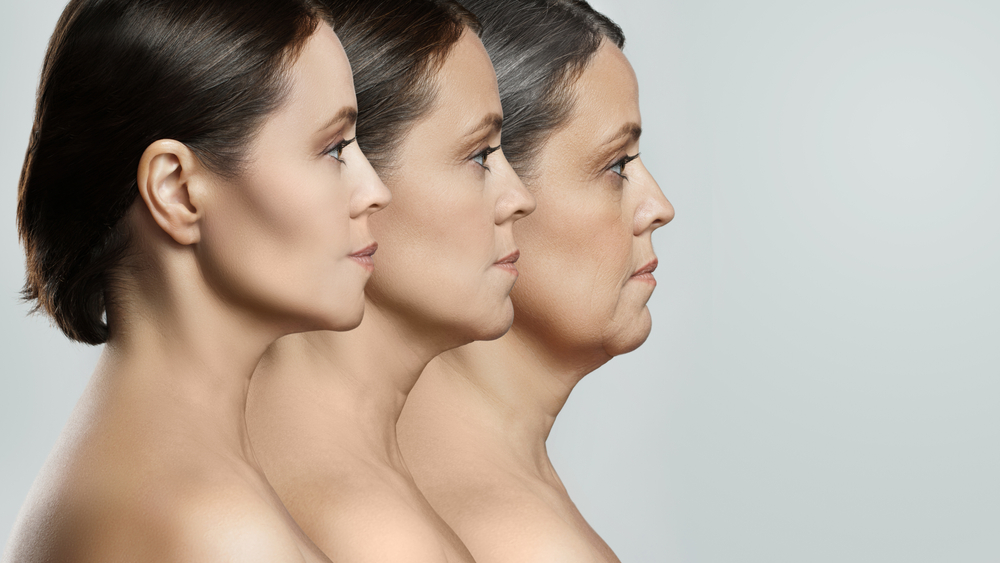
The study makes more sense when biological aging is separated from chronological aging. Two people can have the same number of birthdays while experiencing different levels of cellular and physiological aging, and researchers have developed several methods for studying those differences.
DNA methylation is one of the most widely studied markers. Chemical groups called methyl groups can attach to DNA and influence how genes are regulated without changing the underlying DNA sequence. Certain patterns tend to change as tissues age, allowing scientists to develop what are known as epigenetic clocks.
These clocks can estimate biological age by analyzing patterns of DNA methylation. They do not provide a perfect measure of overall health, and a biological-age estimate should not be treated as a simple prediction of how long someone will live.
Still, they offer researchers a way to investigate whether an organ’s molecular characteristics change when it moves into a different biological environment. In the new study, those measurements provided evidence that the transplanted heart was responding to its host.
The researchers also examined changes in gene activity in the transplanted mouse hearts. Several of the affected pathways were connected to mitochondrial and metabolic processes, while inflammatory and interferon-related pathways also appeared to change.
Mitochondria are structures inside cells that help produce energy, making them particularly relevant to research into aging and cellular function. The findings suggest that metabolism and energy production could be involved in how a transplanted heart adapts to its new environment, although the study does not establish that these pathways are responsible for causing the age shift.
What Could This Mean For People Waiting For A Transplant?

The most immediate potential benefit of this research involves the shortage of donor organs. Heart transplantation has become more common, including among older recipients, but demand continues to exceed the available supply.
In the United States, there were 4,636 heart transplants in 2024, according to the source material describing the study. That represented an 81.5% increase compared with 2013, showing how the need for heart transplantation has grown over time.
At the same time, hundreds of people around the world die each year while waiting for organs. Researchers and transplant specialists have therefore been looking for ways to safely expand the pool of hearts available to patients.
Younger donor hearts are generally preferred because doctors have traditionally been concerned about the amount of age-related damage an older organ may already carry. Donors younger than 45 are commonly recommended, while relatively few transplant programs routinely accept hearts from donors older than 50.
The new findings raise the possibility that chronological donor age may not tell the entire story. If an older heart can undergo favorable biological changes after being placed inside a younger recipient, some organs that are currently viewed as less desirable might eventually become viable options.
That could give transplant teams more flexibility. A larger pool of suitable hearts could potentially reduce the number of patients waiting for an organ and improve the chances that people receive transplantation before their condition becomes critical.
However, the research does not mean transplant programs should immediately change donor-age policies. The study needs to be replicated in larger groups before such a conclusion can be supported.
Several Important Questions Still Need Answers
The apparent rejuvenation is exciting, but there is a major difference between observing molecular changes and proving that those changes improve a patient’s long-term health. The current research cannot establish whether an older donor heart that develops a younger biological profile will actually last longer or perform better over many years.
The human molecular analysis included only 11 patients, which is a very small sample. Larger studies involving more transplant centers and more diverse patients will be necessary to determine whether the same pattern consistently appears across different populations.
The timing of the biological shift is another unanswered question. Researchers do not yet know how quickly an older heart begins to show changes after transplantation or whether the process continues gradually over months and years.
Scientists also need to determine how long the apparent rejuvenation lasts. A temporary change in DNA methylation would have different implications from a sustained alteration that remains detectable throughout the life of the transplanted organ.
The study also does not establish whether every transplanted organ behaves this way. The researchers focused heavily on hearts, so it remains unclear whether kidneys, livers, lungs, or other organs would respond to a younger or older recipient in the same manner.
There are several limitations to the animal experiments as well. The mouse transplants involved genetically matched animals and do not reproduce every aspect of human transplantation, including the complexity of immune responses. Human transplantation also involves medications, underlying diseases, and other factors that can influence biological aging.
For those reasons, the findings should be viewed as an important research signal rather than a new treatment or established medical practice.
The Body May Have More Influence On Aging Than We Realize

The study adds to a broader area of aging research examining how the body’s internal environment can influence tissues. Previous experiments involving parabiosis, in which the circulatory systems of young and older animals are connected, have suggested that factors circulating in the blood can affect biological characteristics associated with aging.
Research has found that exposure to a younger systemic environment can produce changes in older animals, including effects on measures of memory and learning. Other experiments have found that blood from older animals can increase biological-age characteristics in younger animals.
The transplanted-heart research approaches the same question from a different direction. Instead of connecting two living animals, researchers can observe what happens when an organ moves from one biological environment into another.
That makes transplantation a particularly valuable natural experiment. The donor organ arrives with its own history, but it is then exposed to the blood, hormones, nutrients, immune signals, and other biological conditions of a completely different person.
The new findings suggest that this environment may have more influence over an organ’s biological state than previously appreciated. Understanding that relationship could eventually help scientists investigate new approaches to healthy aging beyond transplantation.
For now, however, the study only shows an association between recipient age and changes in the biological characteristics of transplanted hearts. More research is needed before scientists can identify which factors are responsible or determine whether they can be safely manipulated.
Exercise Capacity Adds An Important Piece To The Evidence
One particularly interesting aspect of the research was the analysis of physical performance after transplantation. The researchers reviewed medical records from hundreds of recipients and looked at how measures of heart structure and function related to donor and recipient ages.
Several measures were associated with the age of the recipient. Exercise capacity was among the clearest examples, with physical performance tending to track the recipient rather than simply reflecting the age of the donor heart.
For people interested in healthy aging, this distinction is worth paying attention to. The study does not suggest that exercise can rejuvenate an aging heart in the same way a younger recipient environment might influence a transplanted organ.
Instead, it reinforces the idea that heart function depends on a complicated interaction between the organ and the wider body. The condition of the heart matters, but so do the physiological demands and environment surrounding it.
The researchers also found that some functional measures did not behave exactly as predicted. That matters because biological aging involves many different processes, and not every aspect of an organ is likely to reverse simply because its molecular profile changes.
In other words, a younger biological-age signature should not automatically be interpreted as a complete reset. Some forms of cellular or structural damage may be difficult or impossible to reverse.

What The Findings Could Mean For The Future Of Aging Research
The possibility that a transplanted organ can partially adjust to its new biological environment raises a much broader question about aging. If tissues can change their biological-age characteristics after exposure to a different systemic environment, scientists may eventually be able to identify specific factors responsible for that adaptation.
That could lead to research into therapies designed to reproduce some of those effects without transplantation. Such an outcome remains speculative, and the current study does not demonstrate that a treatment capable of rejuvenating organs is available.
The immediate value of the research is more concrete. It gives scientists evidence that biological age may be more flexible at the tissue level than chronological age suggests.
For transplant medicine, that could become especially important if larger studies confirm that older donor organs can remain healthy and functional after entering younger recipients. The potential is not simply about making an old heart look younger under a molecular test. It is about determining whether the organ can provide years of useful function to someone who desperately needs it.
That question will require long-term clinical data rather than laboratory markers alone.
A Promising Finding That Still Needs Time
For now, the Harvard-led study offers an intriguing glimpse into how closely an organ can respond to the body around it. Older transplanted hearts showed biological characteristics associated with younger recipients, while younger hearts placed into older bodies showed signs pointing in the opposite direction.
The finding could eventually help transplant doctors reconsider how much weight they place on donor age when evaluating organs. But before that happens, researchers need larger studies, longer follow-up, and stronger evidence connecting biological rejuvenation with meaningful improvements in patient outcomes.
The most practical takeaway is simple: biological age may be more changeable than chronological age suggests. If scientists can understand why transplanted hearts respond to their new hosts, that knowledge could eventually help both transplant patients and the broader search for healthier aging.