What if the trillions of microbes living inside your digestive system could reveal clues about cancer before doctors fully understand what is happening? Researchers are getting closer to answering that question after finding distinct gut microbiome patterns across several cancer groups and among younger adults diagnosed with certain cancers.
A Mayo Clinic team analyzed stool samples from 1,364 cancer patients across different cancer types, stages, and treatments. The findings revealed hundreds of bacterial associations, including striking differences among younger patients with colorectal and breast cancers, while separate research suggests some gut bacteria populations can evolve and spread between people in ways scientists have not fully appreciated.
The Study Found Different Microbial Patterns Across Cancers
The Mayo Clinic researchers analyzed samples from the Mayo Clinic Cancer Microbiome Cohort, a real-world study involving cancer patients treated at Mayo Clinic locations in Arizona, Florida, and Minnesota. The participants represented 40 states, and stool samples were collected before patients started a new treatment regimen, allowing researchers to compare microbial patterns with later clinical outcomes.
The team first compared cancer patients with 287 people without cancer to identify broad differences in the gut microbiome. They then examined individual cancer groups and, after accounting for other health conditions, identified 341 bacterial species associated with five cancer groups, showing that microbial changes were not identical across different cancers.
The patterns varied substantially depending on the disease. Neuroendocrine tumors were associated with a broad loss of common health-associated gut bacteria, while liver and intrahepatic bile duct cancers showed higher levels of several microbes, including Enterococcus faecalis.
Esophageal cancer was associated with six bacterial species, including several Streptococcus bacteria. Researchers also found distinct microbial associations involving lymphoid leukemia and multiple myeloma and related plasma cell cancers, suggesting that the microbiome may contain cancer-specific signals rather than one universal pattern.
Ruben Mars, Ph.D., a Mayo Clinic microbiome researcher and co-corresponding author, said the researchers can now narrow their focus toward microbial changes that appear more specific to individual cancers. “Those are the signals we need to understand first if we want to determine whether the microbiome plays a causal role in cancer and ultimately develop targeted interventions,” Mars said.
That last point is important because the findings show associations rather than proof of cause and effect. The researchers have identified microbial patterns that occur alongside particular cancers, but the study does not establish that those bacteria cause cancer or that changing them would treat the disease.
Younger Cancer Patients Showed Some Unexpected Differences

One of the most striking parts of the research involved people diagnosed with cancer at age 50 or younger. The timing is significant because colorectal and breast cancers have both been increasing among younger adults, creating growing interest in biological factors that could help explain those trends.
According to the American Cancer Society information cited by Mayo Clinic, colorectal cancer incidence has been increasing by about 3% each year among adults ages 20 to 49. Breast cancer incidence has also been rising, with rates increasing by about 1.4% annually among women younger than 50.
The researchers examined whether younger patients had microbiome patterns that differed from those seen in older patients. They found age-related differences in colorectal and breast cancers, but they did not find comparable differences in the brain cancer group included in the early-onset analysis.
Colorectal Cancer And Lactate
Younger patients with colorectal cancer had higher lactate levels and greater amounts of Veillonella parvula, a gut bacterium that uses lactate to grow. That observation gives researchers a possible biological relationship to investigate, especially because tumors can produce high levels of lactate.
The idea is intriguing because a tumor could potentially alter its surrounding environment in ways that favor particular microbes. However, the study does not show that V. parvula causes colorectal cancer or that the bacterium is responsible for the increasing incidence of colorectal cancer among younger adults.
Purna C. Kashyap, M.B.B.S., a Mayo Clinic gastroenterologist, told Newsweek that the findings do not yet explain why breast and colorectal cancers are becoming more common among younger adults. He said the results instead provide potential biomarkers and mechanistic leads that can now be tested in independent clinical cohorts and preclinical models.
Breast Cancer Had 64 Bacterial Changes
The breast cancer findings were also notable. Younger patients with breast cancer showed differences across 64 bacterial species and had lower levels of primary bile acids, with Clostridium scindens among the bacterial species that differed.
That bacterium is involved in bile acid and steroid metabolism, which gives researchers another possible biological pathway to investigate. As with the colorectal cancer findings, though, the presence of these changes does not prove that they contributed to cancer development.
The researchers are now left with a more precise set of questions than they had before the study. They can investigate whether particular bacteria influence the environment surrounding tumors, respond to changes caused by cancer, or simply appear alongside other biological changes that are responsible for disease.
Scientists Are Learning That A Bacterium Is Not One Simple Thing
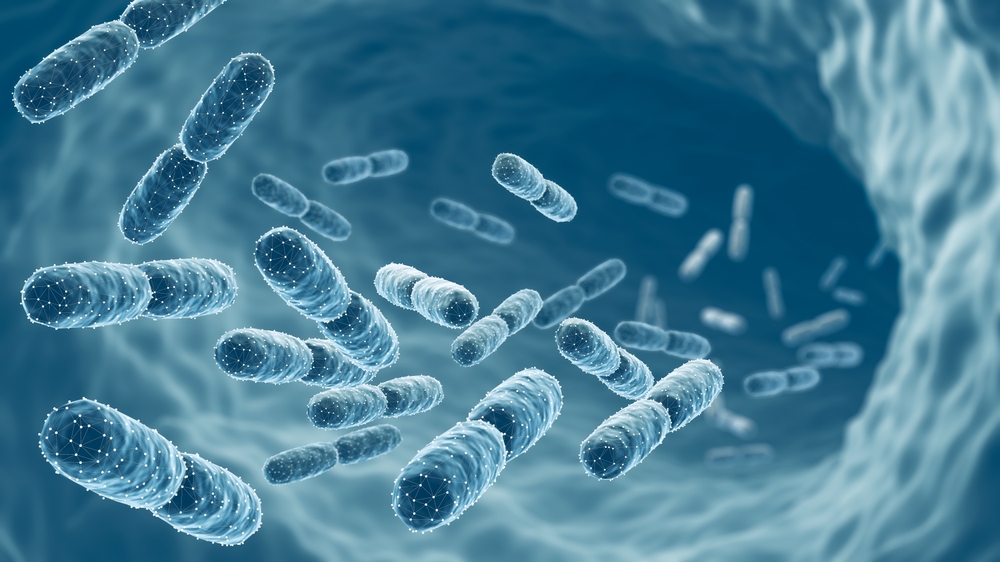
Another recent study from researchers led by the University of Vienna adds an important layer to the microbiome story. Published in Nature, the research found hidden populations within several common gut bacterial species, suggesting that bacteria classified as the same species can contain smaller groups with different evolutionary histories and biological characteristics.
That distinction could change how scientists interpret previous microbiome research. If one bacterial species contains several specialized populations, grouping all of them together could make an association with disease look weaker or stronger than it really is.
The University of Vienna team used an analytical strategy called “reverse ecology” to examine genetic evidence of adaptation. The researchers studied thousands of bacterial isolates collected from the human gut, alongside large amounts of metagenomic data from people in different countries and from different age and health groups.
Their analysis found genetic patterns suggesting that familiar gut bacterial species could be divided into several distinct evolutionary lineages. Some of these bacterial populations were associated with advanced age, colorectal cancer, inflammatory bowel disease, and type 2 diabetes.
Lead author Xiaoqian Annie Yu said that considering evolutionary adaptation rather than simply counting species can help researchers identify the biologically relevant units within the microbiome. That approach could give scientists a more precise way to investigate which bacterial populations are actually connected with disease.
Some Gut Bacteria May Spread Across Continents
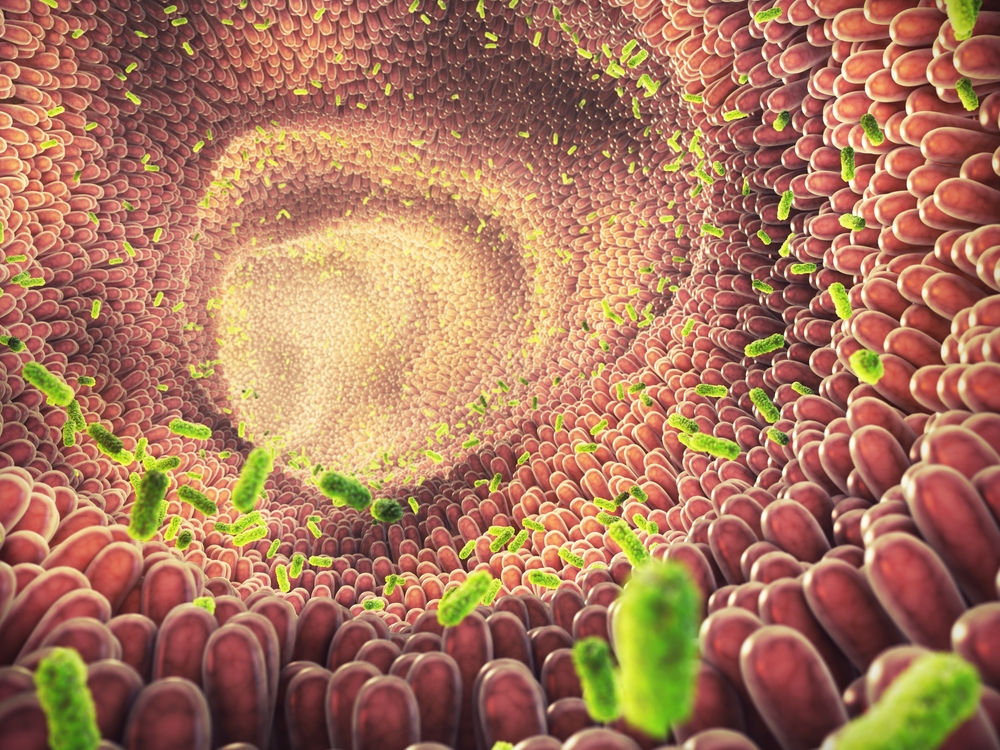
The Vienna research also produced a finding that sounds surprising at first: some populations of ordinary gut bacteria appear capable of spreading between people and across large geographic distances. In some cases, the researchers found evidence suggesting that particular bacterial populations expanded across continents within only a few decades.
Rapid international spread has historically been associated more closely with pathogens. The new research suggests that bacteria living normally in the human gut can also move between populations and establish themselves in new environments.
Study leader Martin F. Polz said the findings show that gut bacteria are more dynamic than previously thought. He said well-adapted strains can spread internationally and occupy new ecological niches, indicating that geography and transmission between people may influence which bacterial populations become established.
Diet, medication, and lifestyle are already known to influence the gut microbiome. The Vienna findings suggest those factors may be only part of the story, because transmission between people could also affect which bacterial populations are present in different communities.
That raises another question for future research: if particular bacterial populations can spread between people, could researchers eventually identify the genes or traits that allow some strains to thrive under specific conditions? The researchers are now studying those genetic differences and the biological functions they may produce.
The Gut May Also Affect How Patients Handle Treatment
The Mayo Clinic research went beyond identifying bacteria associated with cancer. Researchers also examined whether the microbiome present before treatment was associated with how patients responded to chemotherapy, focusing particularly on diarrhea that developed during treatment with 5-fluorouracil, commonly known as 5-FU.
Patients receiving 5-FU who later developed diarrhea tended to have lower levels of bacterial genes capable of breaking down the drug before treatment began. Much of that drug-breaking function was associated with Anaerostipes hadrus, a common gut bacterium.
The researchers did not find the same association among patients receiving carboplatin. That difference suggests the microbiome signal may be connected specifically with 5-FU rather than representing a general marker for chemotherapy-related diarrhea.
Purna Kashyap said the microbiome is not the sole driver of cancer or treatment outcomes, but it represents a component that has historically received less attention in therapeutic approaches. The findings provide what he described as a proof of concept for investigating why some patients experience particular side effects and whether those biological signals could eventually be acted upon.
The potential clinical application remains several steps away. Researchers need to validate the association in larger patient groups and determine whether a microbiome-based test can accurately identify patients at increased risk before treatment begins.
Specific Bacteria Were Also Linked To Survival
The Mayo Clinic researchers found another set of associations involving survival outcomes. Certain gut bacteria were associated with survival in colorectal, liver and intrahepatic bile duct, melanoma, ovarian, and prostate cancers.
In liver and intrahepatic bile duct cancer, for example, Bifidobacterium longum was associated with longer survival, while Blautia A massiliensis was associated with shorter survival. These findings do not establish that either bacterium directly improves or worsens survival, but they give researchers another group of microbial signals to investigate.
The distinction between association and causation becomes particularly important when survival is involved. Cancer patients differ in tumor biology, stage, treatment, diet, medications, other health conditions, and many additional factors that can influence the microbiome.
Raymond Chang, medical director at Meridian Medical and a former physician at Memorial Sloan-Kettering Cancer Center who was not involved in the study, said the findings highlight the growing importance of the gut microbiome in cancer research. He pointed specifically to the connections between bacterial species, survival outcomes, and treatment side effects.
Future studies will need to determine whether manipulating particular microbial populations can actually change those outcomes. For now, the research identifies relationships that could guide that work rather than providing a microbiome-based cancer treatment.
Colorectal Cancer May Leave A Detectable Microbial Fingerprint
A separate meta-analysis published in Cell Host & Microbe provides another piece of evidence for a colorectal cancer microbiome signature. Researchers reanalyzed thousands of stool and intestinal tissue samples from studies conducted across 15 countries and found microbial patterns that were reproducible across different ages and sequencing methods.
The researchers identified enrichment of several bacterial groups among colorectal cancer patients, including Fusobacterium, Parvimonas, Peptostreptococcus, and Porphyromonas. At the same time, some bacteria that produce short-chain fatty acids, including Lachnospira, were reduced.
The study also found that microorganisms enriched in tumor tissue appeared in fecal microbiome signatures. That finding raises the possibility that stool samples could eventually provide information about biological changes occurring inside the colon without requiring tissue to be collected directly from the tumor.
There is a major limitation to that possibility today. The microbiome classifiers examined in the analysis did not outperform established fecal immunochemical testing for colorectal cancer detection, while detection of precursor lesions such as adenomas remained weak and variable across cohorts.
The researchers therefore described the findings as a foundation for future screening and risk-assessment research rather than evidence that microbiome testing is ready to replace established screening methods. Larger prospective studies will be needed before clinicians can determine whether these microbial signals add useful information to existing approaches.
Fiber Was Linked To A Different Microbiome Pattern
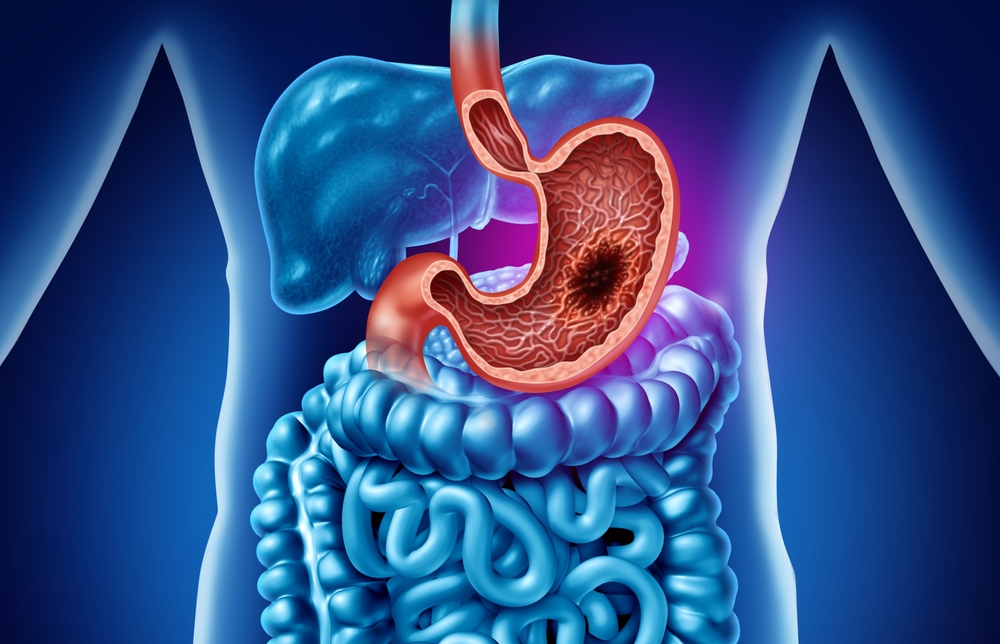
The colorectal cancer meta-analysis also examined dietary patterns and found an association between higher fiber intake and lower colorectal cancer microbiome classification scores. Reanalysis of several dietary intervention studies similarly showed reduced classification scores after some interventions that increased fiber intake.
The researchers did not establish that fiber prevents colorectal cancer through changes in the microbiome. That distinction matters because an association between diet, bacteria, and a cancer-related microbial signature does not demonstrate that changing the diet will prevent the disease.
Still, the findings give scientists another pathway to investigate. Researchers are interested in identifying which nutrients and dietary patterns influence microbial communities associated with colorectal cancer and whether those changes could eventually become part of prevention strategies.
For readers, the evidence supports a familiar but limited takeaway. Fiber-rich foods are being studied in connection with the gut microbiome and colorectal cancer, but these studies do not justify treating specific foods as cancer cures or using microbiome supplements as a substitute for medical care.
What Researchers Still Need To Figure Out
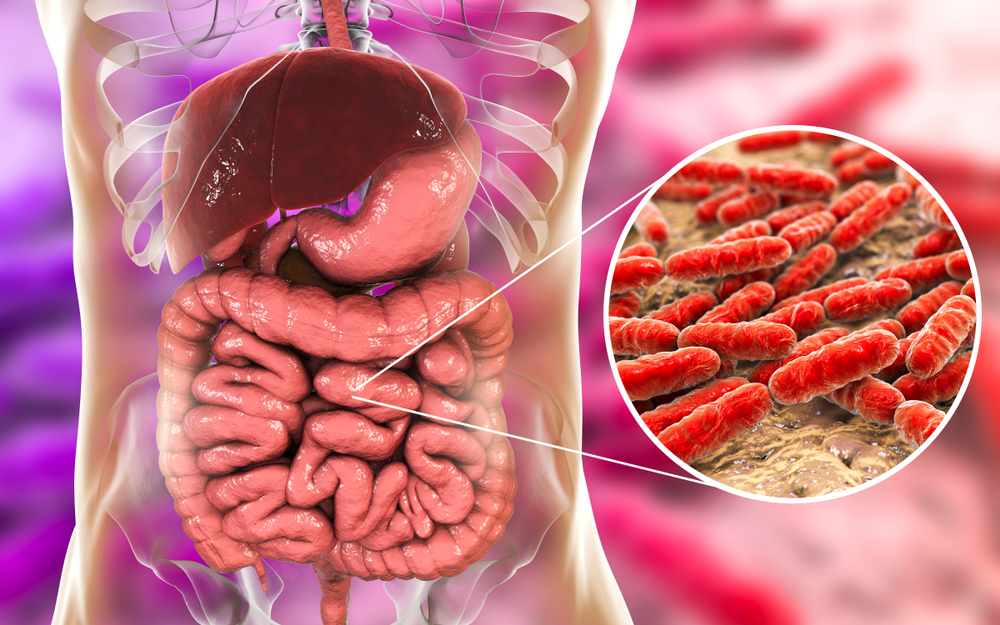
The biggest question now is causation. Scientists have increasingly detailed maps showing which microbial populations appear alongside specific cancers, but they still need to determine what those microbes actually do inside the body.
Several areas are likely to shape the next stage of research:
- Cause or consequence: Researchers need to determine whether particular microbial changes contribute to disease or appear because cancer has already changed the body’s environment.
- Specific bacterial populations: Closely related bacteria may have different effects, making broad species-level categories too imprecise for some medical questions.
- Treatment prediction: Larger studies could determine whether pretreatment microbiome signals reliably predict side effects from specific chemotherapy drugs.
- Cancer screening: Future research will test whether microbial signatures can complement existing screening methods and improve risk assessment.
- Diet and prevention: Scientists want to identify which nutrients and dietary patterns influence cancer-associated microbial communities and whether those changes have meaningful health effects.
Mayo Clinic researchers plan to investigate whether cancer-specific microbial signals play a causal role in disease and to validate whether microbiome markers can predict treatment side effects in larger patient groups. The University of Vienna researchers are also examining the genetic differences between bacterial populations to understand how those differences affect their biological functions.
The Gut Is Becoming Part Of The Cancer Conversation
The gut microbiome was once discussed largely in connection with digestion, but these studies show why scientists are paying much closer attention to it. The microbes living throughout the digestive tract vary with disease, age, diet, medication, geography, and other aspects of human biology, creating a complicated ecosystem that researchers are only beginning to map.
The latest findings do not mean that a stool sample can diagnose cancer or that changing gut bacteria can cure it. They do show that microbial patterns may contain biological information about disease and treatment, giving researchers new clues to follow as they investigate why cancers develop, why patients respond differently to therapy, and whether future screening tools can detect meaningful signals earlier.
For now, the most useful development is the shift toward asking better questions about the microbiome. Researchers are moving from simply asking which bacteria are present to asking which populations are there, what they do, how they got there, and whether changing them could actually change health outcomes.